


I wrote about Amazon’s first AI-made series, David Ellison’s AI strategy, what the AI freakout means for Hollywood and A24’s Google DeepMind deal.
It’s no secret that Hollywood’s documentary business is in deep crisis. Streamers have slashed their buying, budgets have shrunk, and filmmakers who once had Netflix and HBO throwing millions at their work are struggling to get projects financed in the age of true crime, celebrity and, of course, the total eclipse of A24’s Elizabeth Holmes quasi-doc You Can See Everything.
But what if the solution to documentary’s survival isn’t praying for rain to fall again — but cutting Hollywood out altogether?
That’s the radical bet being made by Billy Corben and Alfred Spellman, the filmmakers behind the 2006 cult hit Cocaine Cowboys, about the drug trade in Miami. They spent 25 years building their Miami production company, Rakontur, into a documentary success story with projects for Netflix, HBO and Hulu — until the floor fell out. Now they’re preparing to release more programming in a single year than they’ve produced in their entire careers.
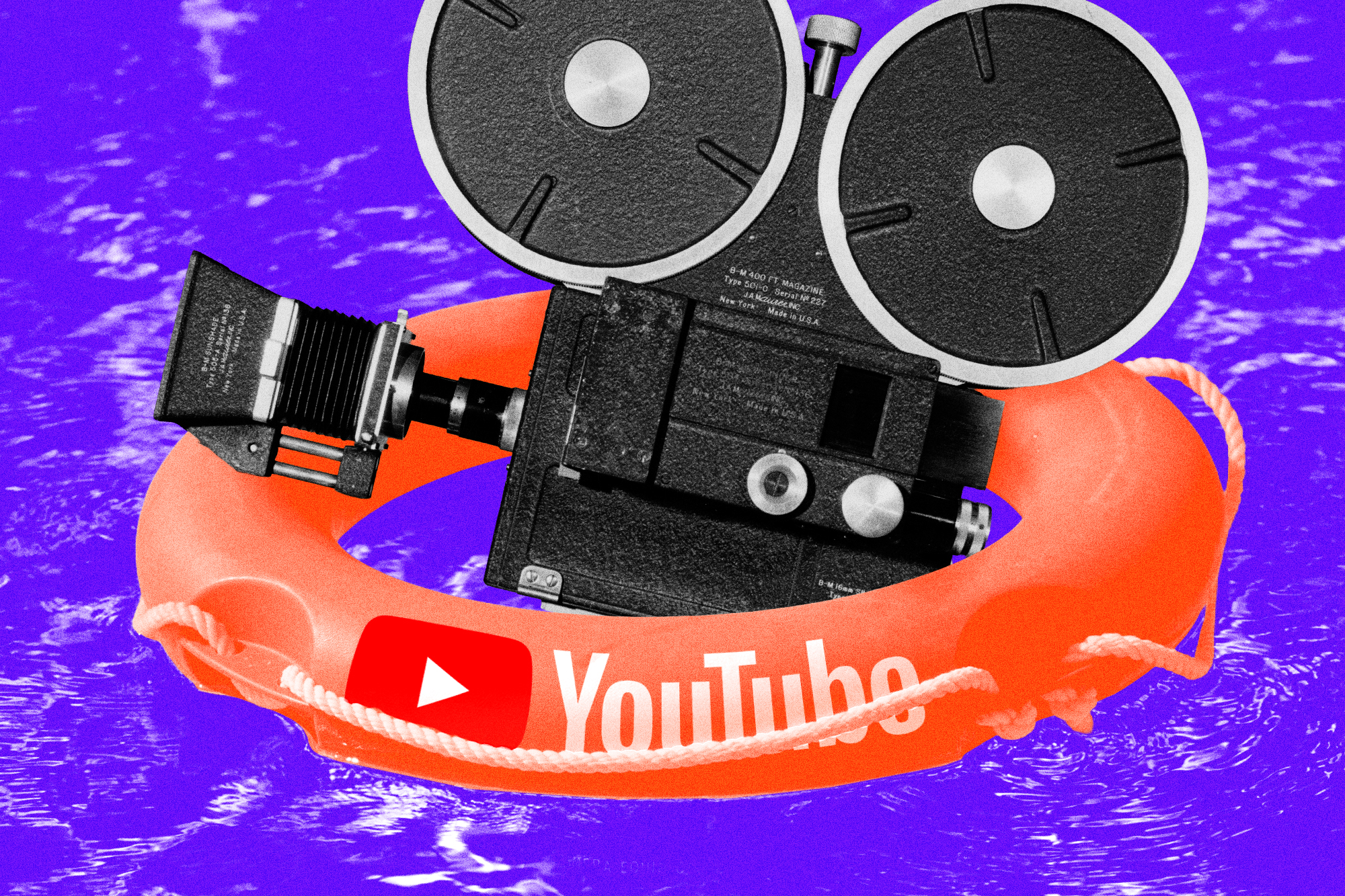
Their unlikely weapons? Artificial intelligence and YouTube.
The pair have already spent roughly $200,000 using AI to remake their breakout documentary, revisiting nearly 4,000 shots and creating scenes they could never have afforded to film the first time around. The new version premieres Nov. 13 on YouTube, six days before Grand Theft Auto VI returns to its fictionalized Miami underworld — timing meant to draft off one of the most anticipated game launches ever.

But that’s just the prelude to a larger strategy.
Corben and Spellman are now seeking $5 million to help finance Rakontur Direct, a YouTube-first studio that aims to publish 260 releases annually — roughly five a week — by its second year. And they’ve recruited Rich Antoniello, the co-founder and former CEO of Complex Networks, which BuzzFeed bought for $300 million in 2021, to help turn their experiment into an actual business.
Spellman describes the venture as something more ambitious than a production operation: “a nonfiction media company that produces original programming, publishes directly to audiences and owns the resulting intellectual property.” If they pull it off, it could offer a blueprint for struggling documentary filmmakers everywhere. If they don’t, it may expose just how difficult it is to replace Hollywood money — even when AI makes production dramatically cheaper.

Making 260 releases a year is one thing. Making enough money from them to survive is quite another.
But their plan has an uncomfortable irony: The same cheap, sensational programming that’s squeezing serious documentaries out of Hollywood may be exactly what YouTube rewards.
So can AI really save documentary filmmaking — or will it just make the race to the bottom even cheaper? And perhaps the bigger question: Is there still an audience willing to watch the kind of ambitious, high-quality documentaries Hollywood no longer wants to pay for?
Don’t stop here
Get the rest of this story — and the scoops and intelligence Hollywood reads first.
Already a subscriber?

Comments
Only Ankler All Access subscribers can comment
Already a subscriber?