


I interviewed Louisa Levy, the showrunner of Amazon’s buzzy hockey romance, Off Campus, and wrote about Peter Friedlander’s first Upfront as Amazon’s TV head, the recent growth in broadcast and the death of vanity production deals. I’m lesley.goldberg@theankler.com
What do Netflix’s Little House on the Prairie, Peacock’s The Paper, Amazon’s Off Campus, HBO’s Harry Potter and FX/Hulu’s Alien: Earth have in common? All these scripted originals started work on their second season before formal renewals came through — part of a larger effort across the industry to get streaming shows back on the air on more of a broadcast cadence.
Little House, which doesn’t premiere until July 9, scored a season two renewal back in March as Netflix and producers CBS Studios remain high on their adaptation of Laura Ingalls Wilder’s beloved book series. Production on season two begins in June, with showrunner Rebecca Sonnenshine telling me the goal is to have the series return every year while its cast remains young (like their characters).
The same is true for Amazon’s college-set romance Off Campus, which likewise was renewed months ahead of its premiere. Showrunner Louisa Levy tells me the team was still in postproduction when the writers room for season two opened before Amazon actually renewed the buzzy series.
“I don’t have an air date for season two, but I would not be surprised if they are trying to get this back on the air as quickly as possible given the appetite for it,” Levy says when asked if the goal is to have the breakout show back on the air by next May. “If that’s their plan, I would love that because I’m someone who doesn’t want to wait too long for my next-season fix.”
And Levy is not alone.
When Netflix entered the scripted originals business in 2013, its first series — Lilyhammer, House of Cards and Orange Is the New Black — all returned on an annual basis. But over time, as originals became more ambitious across platforms, the amount of time between seasons grew. HBO’s high-concept Westworld went two years between seasons. Amazon’s The Lord of the Rings: The Rings of Power has also averaged the same. HBO’s video game adaptation The Last of Us is on a similar course.
Longer wait times between seasons frequently lead to viewership declines despite platforms often spending more on marketing to remind audiences of a show’s return. In 2024, for example, only one returning Netflix show grew its audience (Bridgerton). Last year, the streamer’s returning series The Sandman (nearly three years between seasons), The Recruit, Lupin and You (two years between seasons each) were all down dramatically. In fact, a new report from Ampere Analysis found that the average time gap between seasons on major streaming platforms nearly doubled from a year in 2020 to 21 months in 2025. The result is that streaming shows today rarely make it to four seasons, as platforms would rather shift resources to new originals than pay more for aging shows that are delivering smaller audiences.
“That’s why we’d all hear the conventional wisdom at Netflix that [the model would] be three seasons and out because by that third season, there’s such a decline in viewership that the economics didn’t make sense anymore,” a longtime studio exec tells me. “Every platform now is trying to figure out if we’re lucky to get an audience, how do we keep them? Look at The Pitt, that’s trying to get more on a broadcast cadence, and that’s what happens when you do early renewals and can guarantee shows coming back faster.”
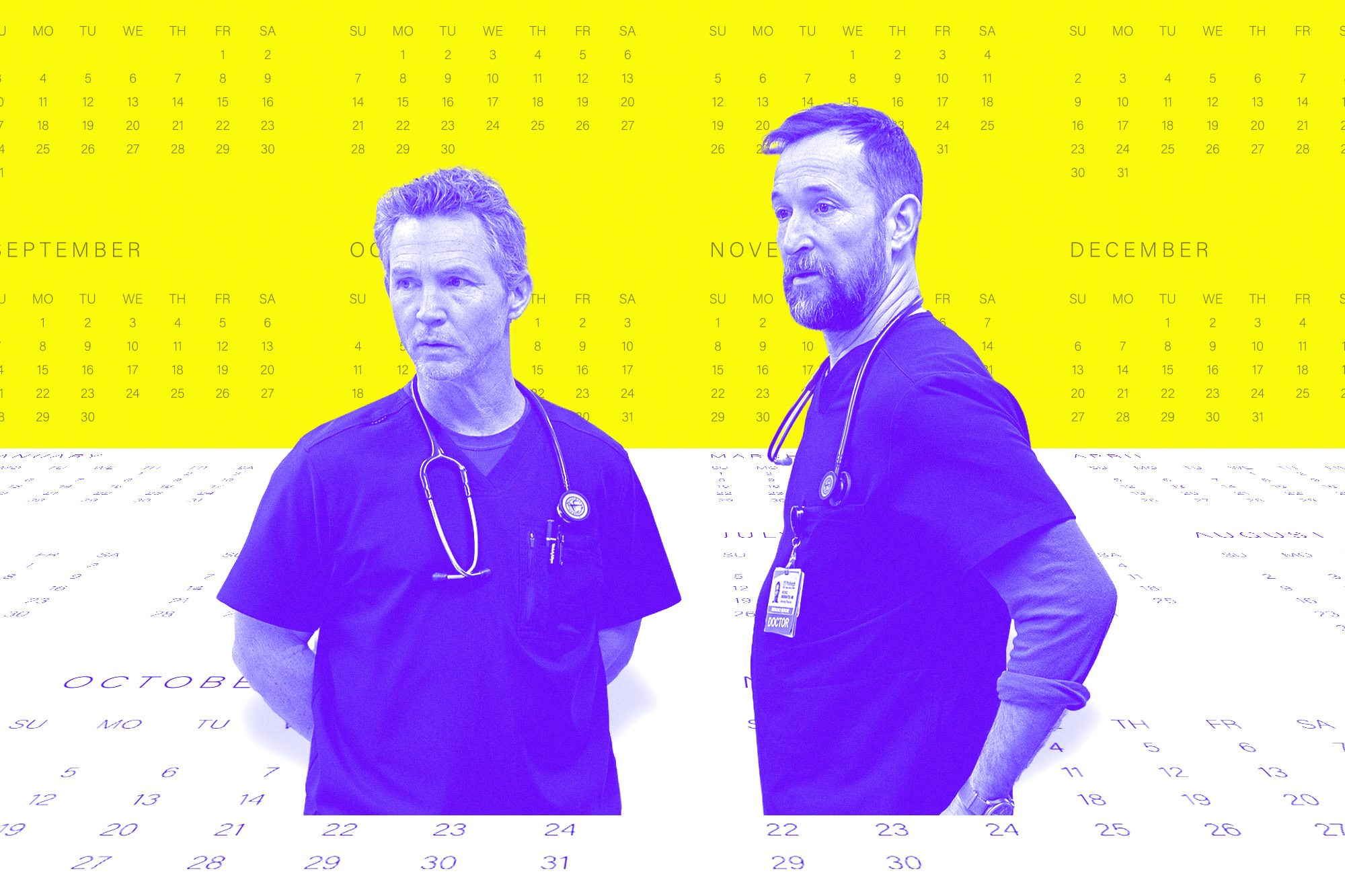
The Pitt, which hails from broadcast veterans John Wells and R. Scott Gemmill (ER), can be considered the fulcrum of the push to get shows back on regularly. The Emmy-winning medical drama is produced much in the same way as a broadcast series — including its 15-episode order — and will return to its January perch for the third time next year. With its ratings and awards acclaim, all earned on modest episode budgets of about $4 million, HBO Max is also developing two other originals in the same model, and other platforms also are focused on converting both new and existing shows into annual performers.
In today’s column I’ll tell you:
- What streamers and studios are doing to get shows back on the air faster
- What makes execs commit to an early renewal even when the audience hasn’t seen a show
- Which hot new series have already launched sophomore writers rooms before announcing their return
- Development and production workarounds to get shows back in production quickly
- How a commitment to annual cadence can cut costs without compromising the creative
- Why filming back-to-back seasons helps budgets and benefits writers and cast too
Don’t stop here
Get the rest of this story — and the scoops and intelligence Hollywood reads first.
Already a subscriber?