

I interviewed Bravo and Peacock reality chief Frances Berwick, reported on how A24 is reshaping TV and dug into what’s taking Peter Friedlander so long to set TV strategy at Amazon. I’m lesley.goldberg@theankler.com
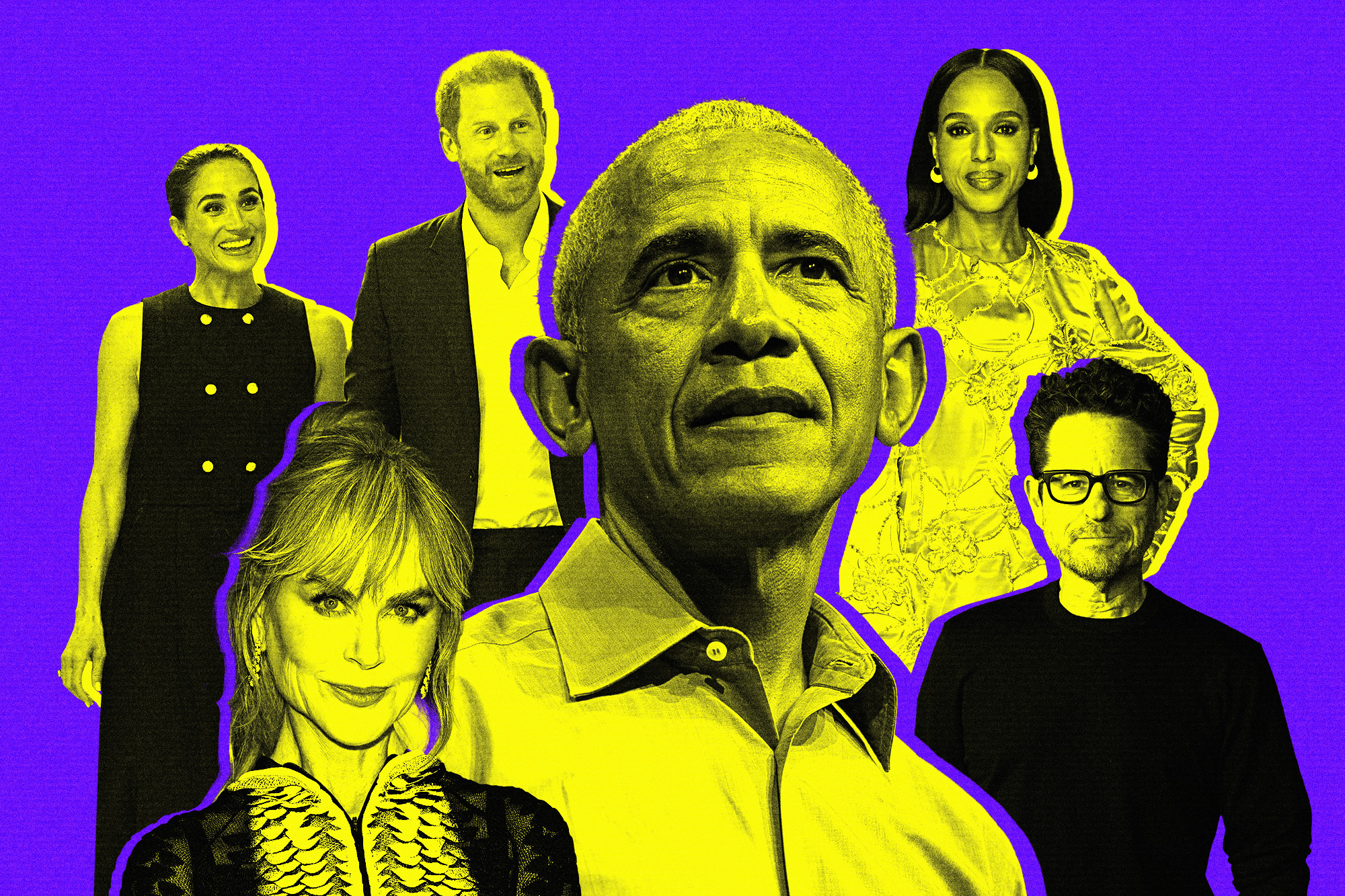
In 2018, a year after leaving the White House, Barack and Michelle Obama launched a film and television production company, Higher Ground, and set an exclusive creative partnership at Netflix. Four years later, after the Peak TV bubble burst, the streaming giant downgraded Higher Ground’s deal to a more cost-effective first-look pact — meaning if Netflix didn’t want one of its projects, the company was free to shop it. At that point, executives at the shingle read the writing on the wall.
On April 19, at an event in Philadelphia marking the 250th anniversary of the United States, the former president and first lady broke the news that Higher Ground is “transitioning” to become an independent company with the ability to sell anywhere. (Higher Ground’s next show, Life, Larry and The Pursuit of Unhappiness starring Larry David, bows June 26 on HBO.)
Higher Ground isn’t alone. Prince Harry and Meghan Markle’s Archewell Productions also was downgraded from an exclusive Netflix deal, inked in 2020, to a first look last August. J.J. Abrams’ Bad Robot pact with Warner Bros. Discovery similarly shrunk to a first-look deal in late 2024, three years after signing a $250 million overall.
Ultimately, multiple sources say, Netflix’s decision to not renew Higher Ground reflects a broader shift as studios and streamers tighten budgets, and are no longer willing to pay for access, heat or headlines — rather, they want execution.
“We need the most experienced non-writing executive producers and showrunners, so ‘celebrity’ star-driven production companies don’t get prioritized as a must-have,” a studio source tells me.
Reps for Higher Ground and Netflix declined comment.
An overall deal carries a higher price tag, where the studio or streamer pays for a production company’s overhead in exchange for exclusivity. First-look deals, on the other hand, give a platform/studio the right of first refusal without having to pay overhead. As Ashley Cullins reported a couple of years ago, first-look deals have become the norm, with overalls reserved for the likes of the Duffer brothers, Taylor Sheridan, Ryan Murphy and Shonda Rhimes.
“There was once an openness to rolling the dice to see if a (producing) actor could help sell a show,” says one lit agent. “Now, every place, no matter how generous, is looking to cap spending.”
Today I get into what the end of the vanity deal means for Hollywood right now — and why it is good news for experienced writer-creators, including:
- Why writers and showrunners are suddenly the most valuable players again
- Who’s still getting deals and what separates them from everyone else
- Hard numbers on what star-driven deals are actually worth today — and how far they have fallen
- The quiet promise that comes with a celebrity-driven production deal — and what happens when it’s not kept
- The star-led production companies considered winners — and losers
- Why studios want projects ready on Day 1 — not after years of development
Don’t stop here
Get the rest of this story — and the scoops and intelligence Hollywood reads first.
Already a subscriber?