

I wrote about Dungeon Crawler Carl’s showrunners, Disney’s strategy to win kid viewers away from YouTube, Off Campus’ coming showrunner shift, DC’s TV trouble and Cindy Holland’s streaming strategy at Paramount.
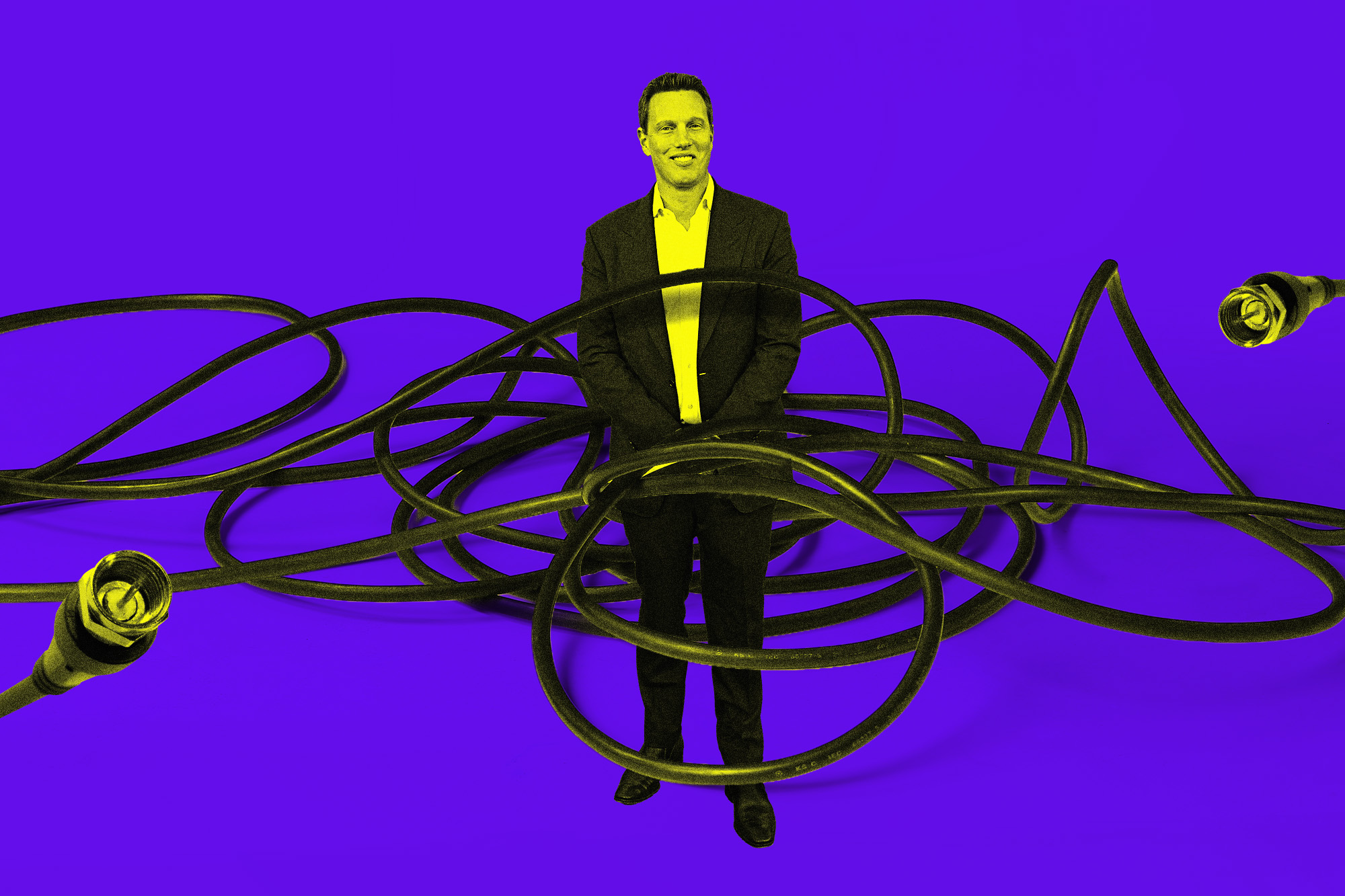
Over the past two years, three massive entertainment conglomerates have made moves to shed their cable properties. NBCUniversal spun off USA Network, MSNBC, CNBC, Golf Channel, Syfy, Oxygen and E! into an independent company, Versant. The Walt Disney Co. unloaded its 50 percent stake in A+E’s 10-network portfolio to Hearst, which already owned the other half. And David Zaslav hatched a plan to divide Warner Bros. Discovery in two — with studios, streaming and HBO on one side of the fence and cable on the other. But then David Ellison’s Paramount Skydance came calling, and the split was off.
Now, in order to clear antitrust concerns from 12 state attorneys general, Ellison may have to offer “structural remedies” — i.e., unload some of the 50 cable networks he stands to own — in order to reach a settlement with California’s Rob Bonta and Co. that will allow him to close his $111 billion WBD acquisition.

While much of the talk has focused on CNN, Bonta told the Ankler Agenda podcast this week that divesting the news network is not the focus of the AGs’ suit. Cable itself is.
“When it comes to cable channel licensing, a structural remedy means you can’t have all 50 of the most sought-after channels in the United States of America; some other entity has to have control of those,” Bonta told my colleague Elaine Low on Monday afternoon. “That’s what it means to have a structural remedy; you can’t have them under the Paramount-Warner Bros. roof.”
That creates a surprisingly painful problem for Ellison: Which networks does he sell, which does he preserve as brands for the streaming era — and which does he simply allow to die?
It sounds almost absurd that a $111 billion media merger in 2026 could hinge on ownership of a business that has been shrinking for more than a decade. But cable still has tens of millions of viewers and, more importantly for Ellison, still throws off enormous amounts of cash. Those earnings could help service the roughly $80 billion in debt Paramount is expected to carry if the deal closes.
Meaning the assets Bonta may force Ellison to sell are some of the very assets Ellison could most use.
“Paramount remains hopeful and is committed to good faith discussions with Attorney General Bonta’s office for an efficient resolution of our pending litigation,” the company said in a statement today. “Any such discussions will be limited to the AG’s office and authorized Paramount leadership. We appreciate the heightened interest in this merger, however, any reports inferring knowledge of the details otherwise are speculation, not fact. Paramount will not comment further on this matter.”
For today, I surveyed more than half a dozen veteran executives with experience in the cable space — none of whom felt Ellison would ever unload CNN, by the way — to figure out what he should fight to keep, what he could afford to lose and who might buy the leftovers.
Among the questions now circulating inside the industry:
- Which channels would be most valuable for Ellison to hold onto — if he can
- How Comedy Central, Cartoon Network and Adult Swim could be the foundation of a powerful new comedy brand
- Strategies for combining Para and WBD cablers into high-powered hubs
- Which brands are positioned for smooth transitions into streaming
- The huge sports opportunity that’s likely slipping through Ellison’s fingers
- Why some famous cable brands are worth surprisingly little once you look at what they actually own
- The two most likely categories of buyers, what they’re looking for, and the wild card with a history of disruptive offers
Don’t stop here
Get the rest of this story — and the scoops and intelligence Hollywood reads first.
Already a subscriber?