

It’s a trope of political journalism that a president is judged on his first 100 days in office. And yeah, ever since FDR came into office touting swift action in that silly but memorable time frame, political journalists have jumped to way-too-early conclusions about the state of a presidency.
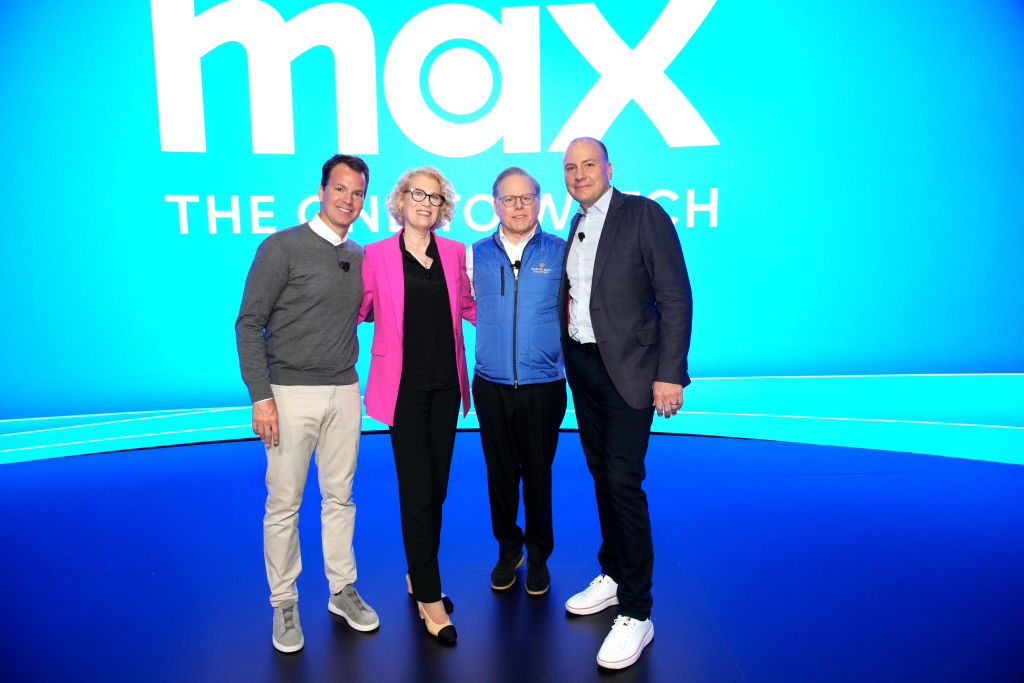
You know why? Because it’s irresistible. I, too, have looked at someone’s “First 100 Days”, such as Disney CEO Bob Iger’s this year. Peter Kiefer also did an excellent rundown on the CAA-ICM merger after 100 days. And since Max just hit its 100th day of life (not the streaming service, but the rebrand which debuted on May 23rd), we should look at the arguably fourth- or fifth-placed streamer (ouch) and see if its fortunes are rising. At its relaunch, JB Perrette, Warner Bros. Discovery’s president and CEO of global streaming, extolled the mix of scripted (HBO) and unscripted (Discovery+) coming together, referencing the perception of HBO viewers “as only living in an ivory tower of HBO, the reality is we all have guilty pleasures.” In other words, come for the HBO; stay for the Discovery.
Overall, I like Warner Bros. Discovery’s strategy — something I’ve written about before. But I’m just one person, and at that, just one consumer as well.
Today, I look at WBD’s strategic decisions that came with the switch from HBO Max to Max and how they’ve done.
In this article, I will…
Explore the early data to see if the rebrand helped.
How the strike impacts Max in particular.
Explain how WBD has focused on a “dual-cast” strategy.
Show how Max’s hits still mostly come from WB, not Discovery.
What will, should and could come next.
Assess Max’s next strategy moves.
Don’t stop here
Get the rest of this story — and the scoops and intelligence Hollywood reads first.
Already a subscriber?

Comments
Only Ankler All Access subscribers can comment
Already a subscriber?