

I recently wrote about A24’s deal with Google DeepMind, data brokers as the new Hollywood agents and how athletes are using AI to build their own media empires.
Meta’s Muse Image was widely regarded as one of the dumbest product launches of the year. Last Tuesday, the company introduced a feature that let users of its AI chatbot generate images with public Instagram accounts as references. You could @-mention any public account in a prompt, and Muse would pull photos from that profile to blend into a new, AI-generated image. A user could tell Meta AI to generate a photo of a “football player in a match” and then add their friend’s IG handle to have the AI seamlessly insert that person’s face into a final image.
If your account was public, your photos and your likeness could become part of someone else’s AI creation unless you dug through your settings to opt out. The backlash was immediate. Privacy advocates erupted. SAG-AFTRA condemned the feature. Within days, Meta admitted it had “missed the mark” and removed the feature before the weekend even rolled around.
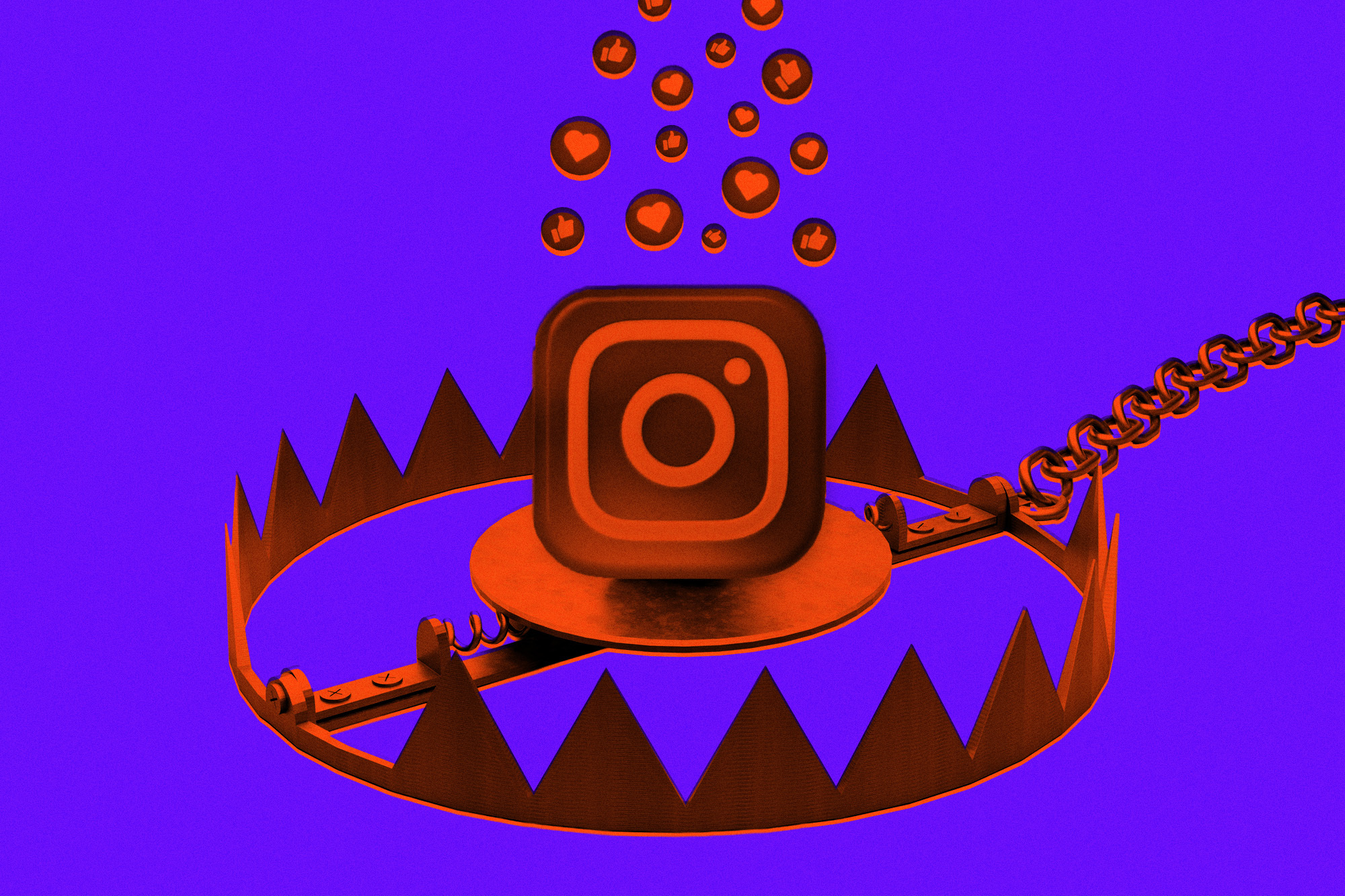
But Muse Image wasn’t merely an epic product blunder. It was a symptom of the engagement trap now confronting every maturing giant platform from Instagram to Netflix. Subscribers, finite by definition, are just at the cusp of being blitzed with the infinite ways platforms will try to hold their attention — and grab more of it.
With that will come missteps. Back in the old days of 2025, one of the biggest complaints about OpenAI’s Sora rollout was that creators were being forced into an opt-out world, where the default assumption was that creative work could become fuel for an AI video generator unless artists actively objected. Major studios, including Disney (which struck a licensing deal with Sora), have spent the past two years trying to figure out how to embrace AI without surrendering control of their intellectual property or their talent. It all blew up spectacularly.
The fight over Sora and other AI video generators was never really about the technology. Hollywood has embraced new filmmaking tools for as long as there’s been a Hollywood. It was about consent — whether creators should have to discover after the fact that their work had entered someone else’s AI ecosystem, and who got paid when it did.
And as platforms run out of new people to sign up, the pressure to invent ever more aggressive ways to keep the ones they already have is only going to grow.
Below, I break down:
- Why Meta’s own goal was actually actually a rational bet — and why Hollywood should recognize it
- Why Instagram’s next growth engine can’t be new users, forcing it to chase more time from the ones it already has
- What the Muse Image calculus looked like: enormous upside if it worked, limited cost if it didn’t
- What it means for Hollywood to face competitors selling attention, not entertainment
- How the question Can we make a hit? became Can we create a habit? — and why some attempts will get ugly
Don’t stop here
Get the rest of this story — and the scoops and intelligence Hollywood reads first.
Already a subscriber?