


I host Ankler Agenda and wrote about industry veterans’ layoff survival tips and microdramas’ impact on local production. My Sellers’ Guide covered what shows Amazon, NBC/Peacock, CBS/Paramount+, HBO/HBO Max, Netflix, Apple TV and Disney platforms want. I’m elaine@theankler.com
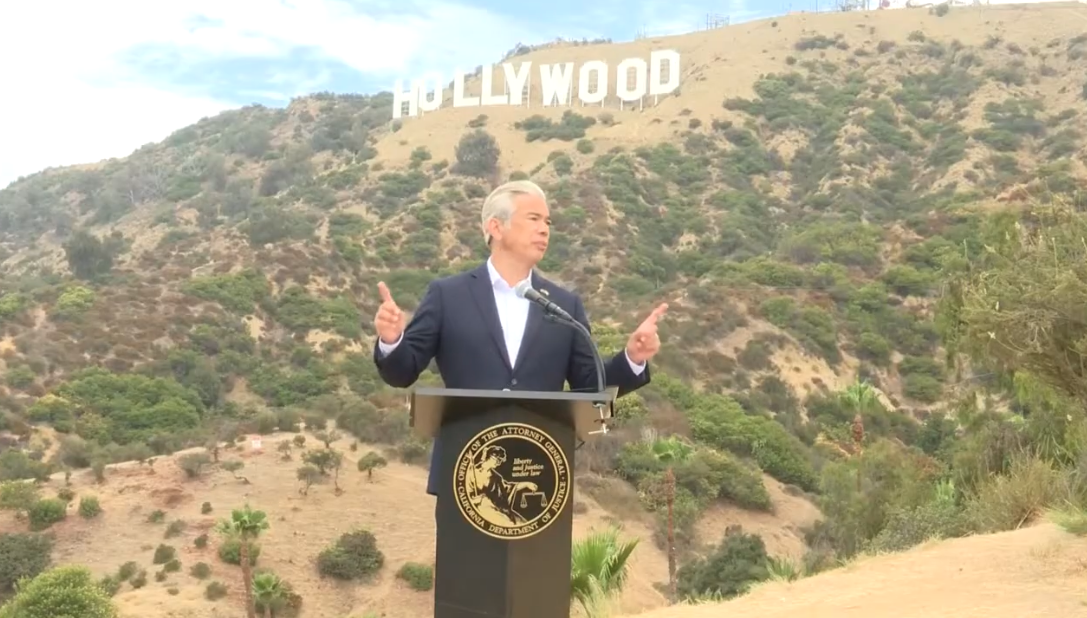
How’s this for a Monday mess: A federal judge hit pause on the Paramount Skydance-Warner Bros. Discovery merger, issuing a temporary restraining order following last week’s lawsuit from a coalition of 12 states led by California Attorney General Rob Bonta.
“This is a critical first win in our case to ensure this megamerger never sees the light of day,” said Bonta in a statement. The states filed to block the merger on antitrust concerns, arguing that a reduction from five major film studios to four would harm theatrical distribution and tentpole releases and that the combined company’s ownership of more than 50 cable networks, along with CBS, would weaken the negotiating power of rival basic cable channels.
The TRO pauses the merger from moving forward while the judge makes a ruling on the states’ motion for a preliminary injunction, which would then halt the merger proceedings while the lawsuit plays out. The deal had been targeting a closing date of Wednesday; the TRO puts that timeline on hold for 14 days, with the option to extend to 28.
The plaintiffs “present compelling evidence that the combined firm resulting from the transaction will possess substantial market share in the wide-release theatrical distribution market,” wrote Judge Araceli Martínez-Olguín of U.S. District Court for Northern California. “On this combined firm market share alone, the Court is persuaded that it can presume the proposed merger is likely to violate antitrust laws.”
The hearing for the state’s motion for a preliminary injunction is set for Monday, Aug. 3, in Oakland.
Martínez-Olguín found the states had made a strong showing that the deal would substantially reduce competition in wide-release theatrical distribution — enough to establish irreparable harm without a TRO. Once done, she wrote, the merger would be “difficult, if not impossible, to unwind.”
Paramount had previously said it could close the deal as early as July 22, with the aim of closing no later than Sept. 30.
In a statement following the decision, Paramount expressed confidence, saying the states’ case was “without merit.” The company said the deal was “pro-competitive, and will benefit consumers, creators, workers, and the entertainment industry.”
Much of the town has been vocally against the PSKY-WBD merger, with thousands signing an open letter to block the merger, taking it to Senate hearings as well as the court of public opinion.
Last week, former FTC commissioner Alvaro Bedoya told me, “It’s a strong suit, and my hope is that it wins and it wins quick because people need it,” adding that it “gets at the broken math that’s at the center of this deal.”
The Writers Guild of America also filed a lawsuit on antitrust grounds, alleging that a combined Paramount-Warners would use its scale to lower costs by “suppressing writers’ wages and reducing output.”
As for the states’ legal proceedings, the coalition has until July 23 to file a motion for a preliminary injunction, with Paramount’s opposition brief due by July 27 and the states’ reply due by July 30.
As a former federal antitrust enforcer explained to me last week, should the preliminary injunction be granted, then something akin to a mini-hearing occurs, where the possible outcomes of a merger are outlined. Generally, if the preliminary injunction is successful, the deal becomes much less likely to close. And if it doesn’t, the government often drops its challenge to the deal.
“History tells the tale of what happens when a few people have great power over markets that are central to Americans’ lives: fewer opportunities for more people, worse products and services for all people,” continued Bonta in the statement. “With our lawsuit, we’re fighting for a free and fair market and a thriving film and television industry that serves creatives and audiences alike. We have a full tank of gas, the law on our side, and look forward to continuing to make our case.”