

Gen Z Will Make or Break These 7 Upcoming IP Films
From ‘Minecraft’ to ‘Snow White’ lies a divide between loser legacy brands and lived-in fandom. So where will Labubu fit in?

I cover audience and moviegoing trends. I dissected the struggle for films to stay memorable in the streaming era, and covered the return of MoviePass as a prediction market and what the Marty Supreme Wheaties box says about fandom. Email me at matthew@theankler.com

There are successful movies, and then there are generational events.
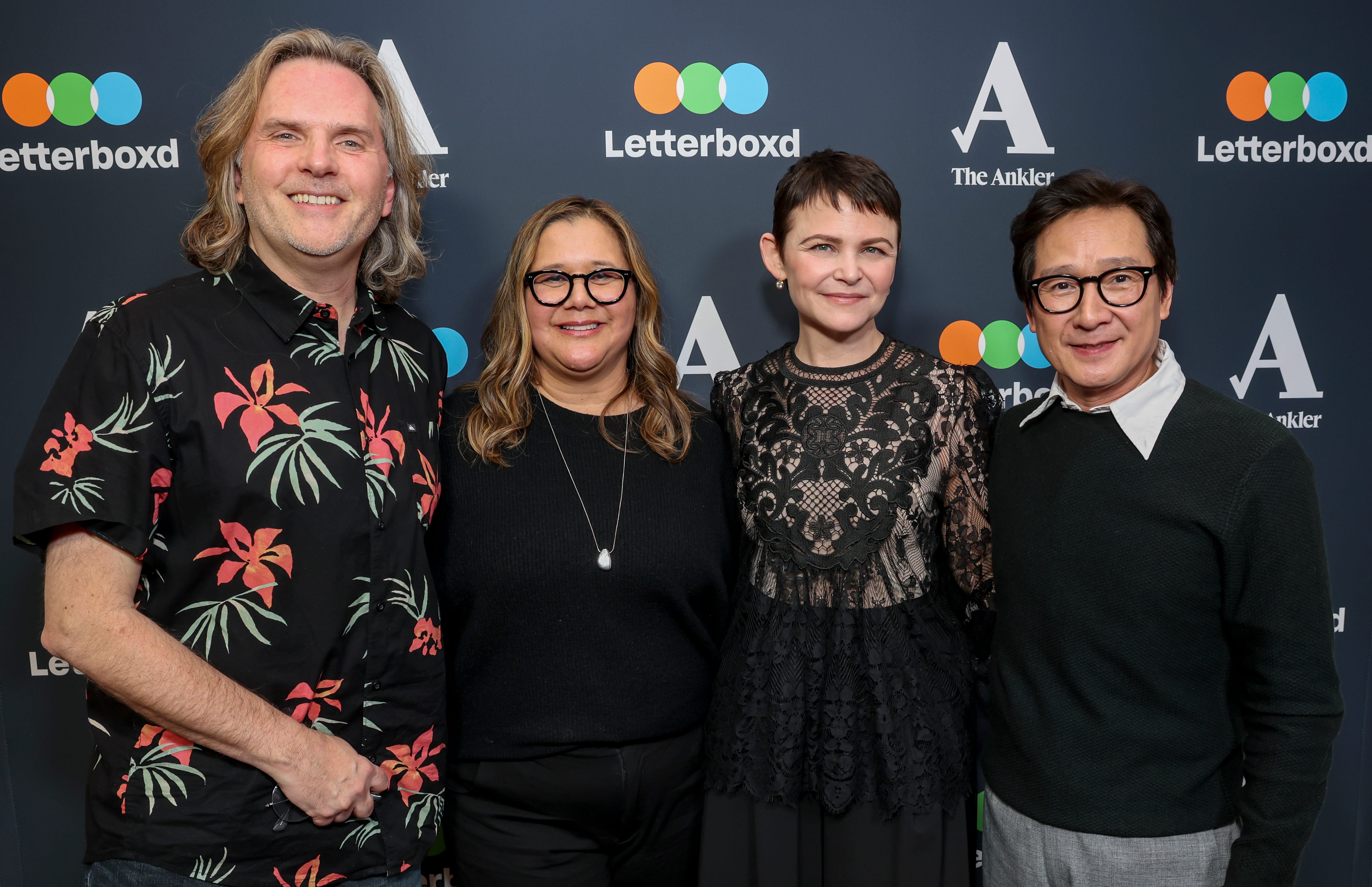
Zootopia 2 is the latter. The Disney sequel has grossed more than $1.8 billion worldwide, earned an Oscar nomination for best animated feature and drawn a strikingly young audience — 56 percent of its opening night crowd was 18-34. At our Crowd Pleaser Live screening of the film last week in L.A., producer Yvett Merino said watching it in a theater is still “completely mind-blowing,” adding, “One of my favorite things to do is actually sit and watch it with an audience.”
Merino got to do just that at our jam-packed event at The London West Hollywood.
After the screening, my colleague Katey Rich spoke onstage with stars Ginnifer Goodwin and Ke Huy Quan, co-director Byron Howard and Merino about everything from building an animal world that mirrors our own society to the technical challenge of designing a snake group hug. Animation may pose unique challenges — and employ more than 700 artists, as Quan noted — but as Goodwin put it, the result can feel startlingly human. “They brought something to life that’s tangible… I don’t think we can do it with live-action.” (Catch the full Q&A at AnklerEnjoy.)
But Zootopia 2 isn’t just a hit — it’s a signal.
Hollywood can greenlight all the intellectual property it wants. But increasingly, Gen Z decides which of those bets actually win.
Now, as a crushing amount of nostalgia-fueled IP is about to be turned into movies (the list is below), studios are trying to capitalize on the childhood attachments of Gen Z, young millennials and even Gen Alpha.
Since Zootopia 2’s release last year, the sequel has become the ninth-highest-grossing film of all time.
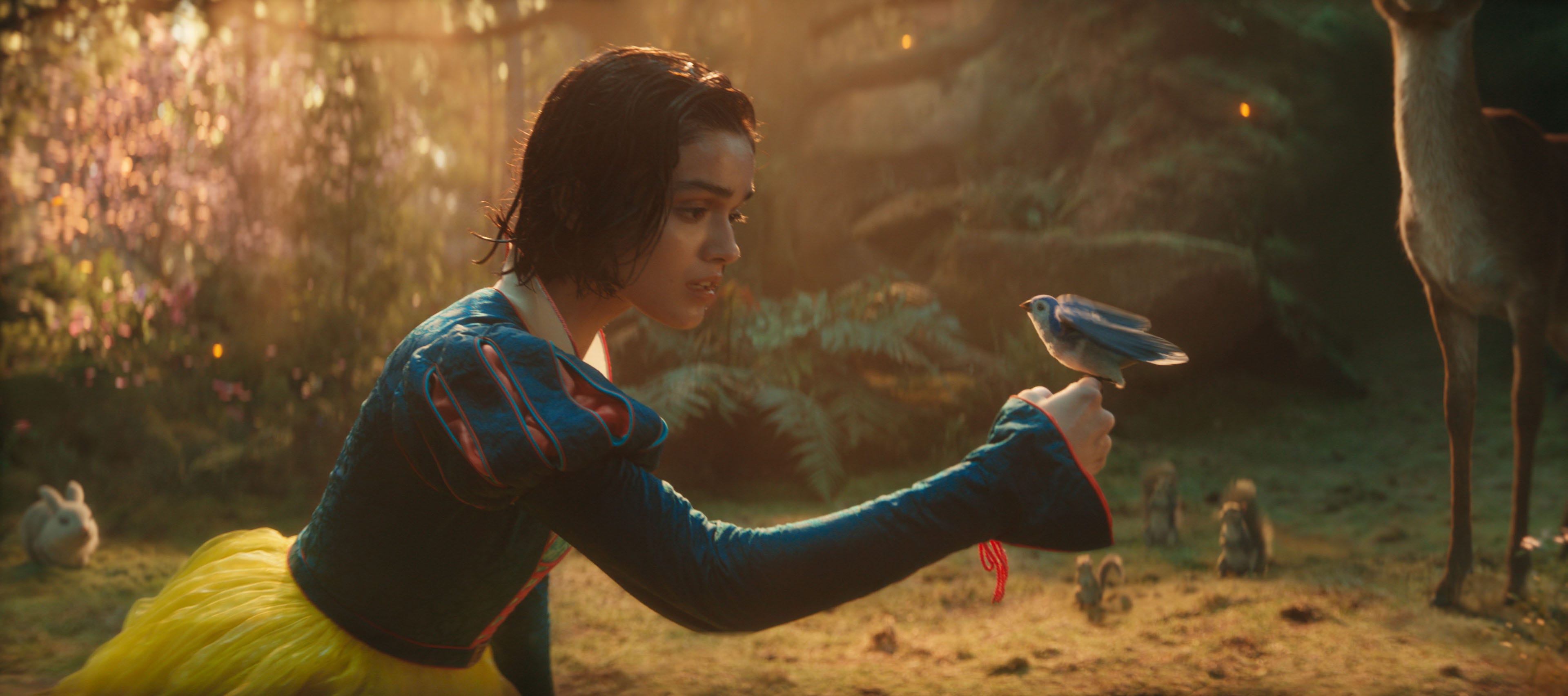
But what works and what doesn’t? For every A Minecraft Movie that turns into a meme-fueled event, there’s a Snow White that simply falls asleep.
Which upcoming IP swings will Gen Z embrace — and which will they ignore? Here are seven that are about to find out.

First, Some Parameters
This past year was actually a strong one for original films at the box office. That’s because only three movies in the top 20 at the domestic box office were original — Sinners, F1 and Weapons — up from zero originals in 2024.
The rest of last year’s top 20 — 17 other movies — were a mix of reboots or remakes (like live-action versions of Lilo & Stitch and How to Train Your Dragon), sequels (Wicked: For Good, Avatar: Fire and Ash) and superhero movies (Superman, Thunderbolts, The Fantastic Four).
If you like original storytelling, it’s not good — you could even argue F1, since it’s set within a massive global sport, is a non-original; and yet, there has been a shift.
Just look at the top two movies: A Minecraft Movie and Lilo & Stitch. Both features spoke specifically to the Gen Z audience that was raised engaging with the source material. Contrast that with the ill-fated remake of 1937’s Snow White. Last March, the Rachel Zegler-led movie was a major miss for several reasons — it became embroiled in a culture war that certainly didn’t help its cause — but the biggest issue might have been that its target audience simply didn’t care about a movie from 90 years ago.
“For Gen Z and younger millennials, long-running franchises can feel institutionally managed and narratively over-explained. They’re just not cool,” says film industry analyst Stephen Follows. “What is cool are fast-moving, meme-able, cross-platform properties.”
No film better exemplifies that shift than A Minecraft Movie. It debuted two weeks after Snow White bombed, with an opening-weekend haul of $301 million; it finished its run worldwide just shy of $1 billion.
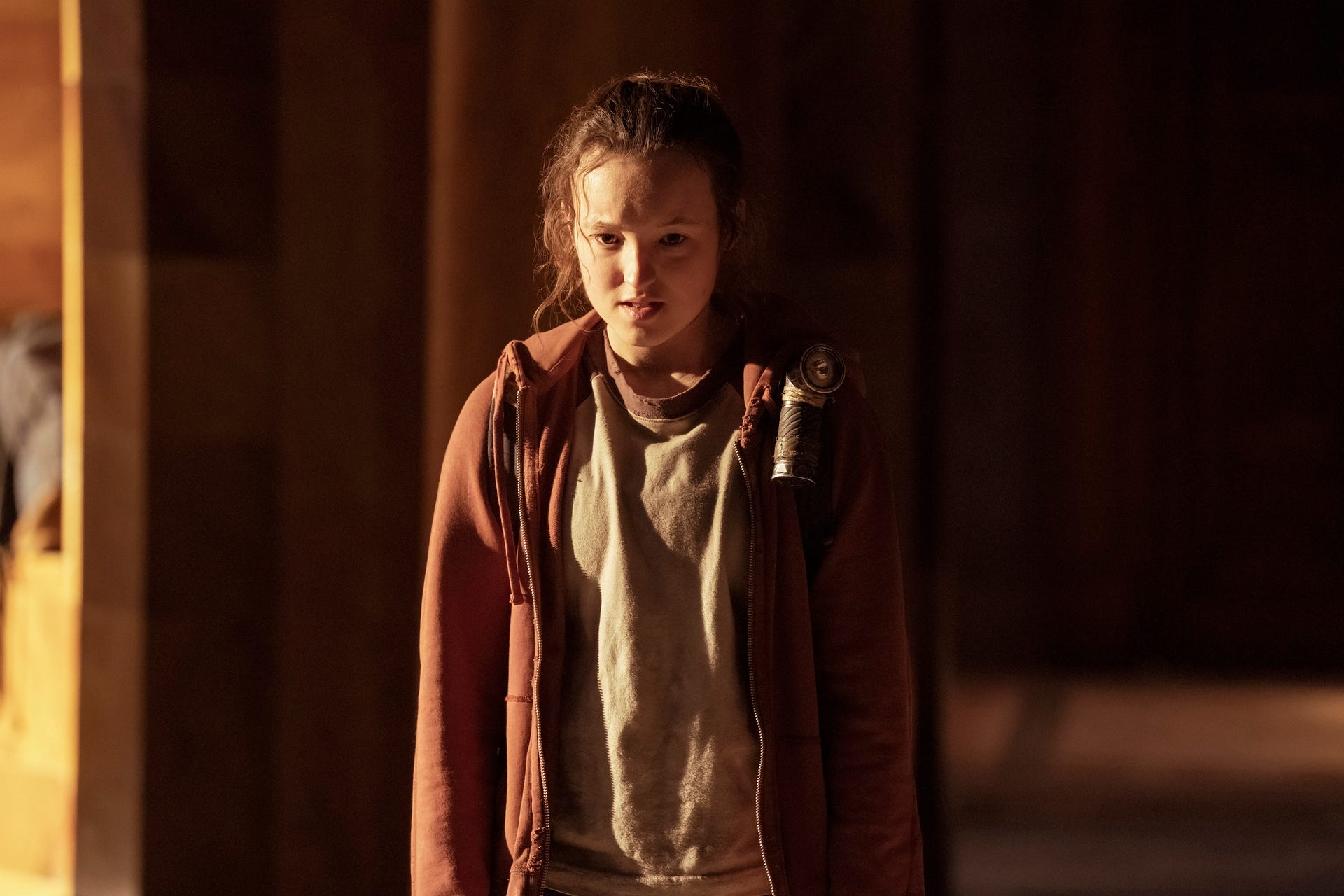
Minecraft isn’t alone. Video game titles across the entertainment landscape, which have seen a sharp rise in popularity, have become blockbuster hits, from Universal’s The Super Mario Bros. Movie (and its upcoming sequel this April) to HBO’s The Last of Us.
“You had 15 to 20 million people who had played The Last of Us, and they all spent 12 to 18 hours going through the game. All that time soaking in these characters, soaking in this story — there was no outlet then for fandom of that,” Hub Entertainment Research principal Jon Giegengack says. “When this TV show came out, it was not a big leap for people who had already spent that much time and money on the game to jump in and get involved.”

7 Coming IP Contenders
“Because people are going to fewer films, they are choosing which ones to see with greater scrutiny,” Universal’s chief marketing officer, Michael Moses, told my colleague Richard Rushfield recently. A Minecraft Movie, Moses suggested, was an “urgent” movie for its target group, the kind of feature with a real gotta-see factor.
Will these films have what it takes to draw young audiences to theaters?

1. Call of Duty
Popularity Peak: Early 2010s
Although Call of Duty reached its highest player count during Covid in 2020, its cultural peak likely occurred between 2009 and 2012 with Modern Warfare II and Black Ops II.
Target Demo: Young millennials; early Gen Z
State of Production: In development
Arguably the most popular first-person shooter game ever, Call of Duty is finally getting the film treatment from Paramount, with Yellowstone creator Taylor Sheridan and Lone Survivor director Peter Berg tapped to shepherd.
In the game, players compete against each other in small teams through fast, cinematic combat across modern and historical battlefields. Since 2003, the Activision franchise has attracted hundreds of millions of players worldwide and released a new game every year, most recently in 2025 with Call of Duty: Black Ops 7. The average Call of Duty player is male and ages 18-34.
When the project was announced, Paramount CEO David Ellison, who at 43 is an elder millennial, indicated that he’s “spent countless hours playing this franchise,” and, “as a lifelong fan,” developing the property is “truly a dream come true.” As the only under-60-year-old in charge of a major Hollywood studio, this tracks.
FANDOM SCORE: 9 out of 10. Franchise bros, assemble!

2. Madden
Popularity Peak: 2000s-early 2010s
Madden peaked culturally when Michael Vick graced the cover in 2004 and became a cheat code. The game has maintained its cachet with younger football fans in the following two decades, though.
Target Demo: Millennials; older Gen Z
State of Production: Releases Nov. 26
This is a weird one, since Madden (the movie) is not technically a direct adaptation of the game but rather a story around the making of the game — and in an Amazon MGM prestige movie that doesn’t scream “chicken jockey.”
Still, you can see the vision.
For non-football fans, Madden NFL is a long-running football game in which players take control of a team, call plays and try to win against the computer or another player. As of 2021, Madden NFL has sold over 150 million copies.
Originally, football video games were more arcade-like. But when Super Bowl-winning coach John Madden was approached to put his name on a new game, he emphasized the minutiae, and the series has released an improved version every year since 1988, generating billions of dollars in sales.
That origin story is chronicled in Madden, an Amazon MGM feature film directed by David O. Russell (Silver Linings Playbook, American Hustle) and starring Nicholas Cage as the titular former coach.
As Moses said to Richard, Gen Z audiences sometimes “want authenticity, and they want authorship.” He was talking about directors like Christopher Nolan and Ryan Coogler, so whether the youth audience will come around for the controversial Russell, whose last two movies were flops (Amsterdam in 2022 and Joy in 2015), could be a squeaker.
FANDOM SCORE: 6 out of 10. Dad-lore with upside

3. The Legend of Zelda
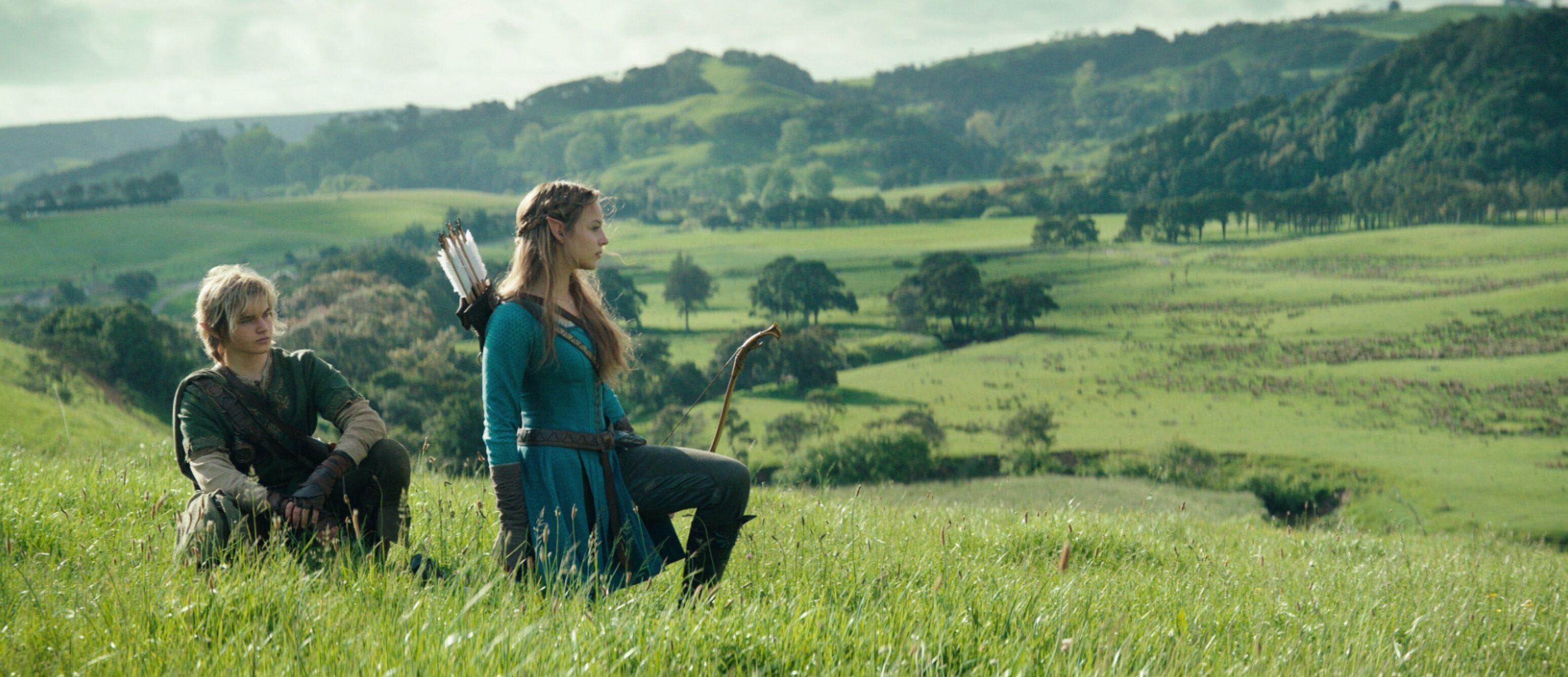
Popularity Peak: 2017
In 2017, The Legend of Zelda: Breath of the Wild was released and sold over 34 million units, broadening the game’s appeal from Nintendo loyalists to mainstream gamers.
Target Demo: Early Gen Z; younger millennials; young Gen X
State of Production: Filming
After decades of false starts and tight control by Nintendo, a Legend of Zelda movie was greenlit with Sony in late 2023, following Nintendo’s success with Super Mario Bros. And perhaps more than any other video game film out there, this one has the most overlap with a traditional Hollywood film.
The video game series, which originated in 1986, follows Link, a young man from an elf-like race, and Princess Zelda as they fight to save their land from an evil warlord. If that sounds like Lord of the Rings, it’s because the story and setting draw closely on the book and film series.
The film is currently in production and slated for release on May 7, 2027, with Wes Ball (Kingdom of the Planet of the Apes) directing. He’s compared the scale of the film’s visual effects to Avatar.
The Zelda franchise reached the 150 million sales milestone last year, and in 2017, the demographic split was 64 percent male, primarily ages 18 to 34.
FANDOM SCORE: 9 out of 10. Enter the cosplay industrial complex
4. Hot Wheels
Popularity Peak: Late 1990s
If we’re truly looking back, the late 1960s — when the toy car brand first debuted — has a case here. Hot Wheels has maintained its following over the years and remained a toy-aisle staple.
Target Demo: Younger millennials; older Gen Z
State of Production: In development
A Hot Wheels live-action film is hitting the track (sorry, couldn’t resist), with Jon M. Chu (Wicked) handling director duties and J.J. Abrams and Mattel’s Robbie Brenner serving as producers on the Warner Bros. flick.
Brenner, president of Mattel Studios and its chief content officer, notes that the expectations for Hot Wheels are “so high,” given the product line’s pedigree as the number one-selling toy in the world. Given that, “There are a lot of people probably expecting that this is going to be the greatest, most amazing movie ever,” she says. The challenge for her, and Chu becomes, how does a Hot Wheels movie stand out?
“Fast and Furious has done it incredibly well. You have Cars, you have Herbie, Speed Racer, and, in some ways, Cannonball Run. We’ve seen the car movie so many times,” says Brenner. “So where do you go with that?”
The answer, at least judging from what Chu said when he assumed the project, is less of an F1-style emphasis on realism and precision and more on the toy’s ethos.
“Hot Wheels has always been about more than speed — it’s about imagination, connection, and the thrill of play,” Chu said.
In 2024, Hot Wheels generated $1.58 billion in global sales. Mattel also produces a series for Netflix entitled Hot Wheels Let’s Race, about a group of youngsters hoping to become skilled racers, which released its third season in March 2025.
FANDOM SCORE: 7 out of 10. The fast & the curious

5. Polly Pocket

Popularity Peak: Late 1990s
By the mid-’90s, Polly Pocket was one of the most popular toys for girls under 8.
Target Demo: Millennials; older Gen Z
State of Production: In development
Lily Collins was tapped to play the titular Polly, and Reese Witherspoon’s Hello Sunshine joined last year as producer. Lena Dunham was originally slated to direct the film, but dropped out after three years spent working on the script.
“I don’t think I have that in me,” Dunham told The New Yorker about why she bailed. “I feel like the next movie I make needs to feel like a movie that I absolutely have to make. No one but me could make it. And I did think other people could make Polly Pocket.”
And yet, during the development of Polly Pocket, the team at Mattel had to grapple with how to make the film stand out. As Brenner puts it, “How do you differentiate that from the Barbie movie?” Since both properties feature dolls with their own worlds (Polly lives in her own Polly world inside a pocket), the project inevitably invites comparison to Barbie. “That’s a hard thing to do, especially when you’ve made a movie that is sort of a unicorn,” Brenner says.
FANDOM SCORE: 7.5 out of 10. Stan accounts, dust off the glitter

6. Barney
Popularity Peak: Mid 1990s
Barney peaked in the mid-’90s, but the original series lasted well into the 2000s, when it remained relevant.
Target Demo: Younger millennials; older Gen Z
State of Production: In development
Squarely in the nostalgia zone of IP development, Barney — based on the round purple dinosaur whose series aired on PBS from 1992 to 2010 — is an A24 film being written by Ayo Edebiri and produced by Daniel Kaluuya and Brenner, who describes the project as “definitely more geared towards adults.”
Explained Kaluuya back in 2020, “Barney taught us, ‘I love you, you love me. Won’t you say you love me too?’ That’s one of the first songs I remember, and what happens when that isn’t true? I thought that was really heartbreaking. I have no idea why but it feels like that makes sense. It feels like there’s something unexpected that can be poignant but optimistic. Especially at this time now, I think that’s really, really needed.”
So, it’s a swing. But with respected artists like Kaluuya and Edibiri behind an A24 movie, arguably the “coolest” film studio currently in the industry (at least on vibes), it’s also something so crazy it just might work.
“I think that for teens and younger audiences, sometimes they want to throw popcorn buckets and yell ‘chicken jockey’ at Minecraft. But then they sometimes want substantial, challenging entertainment,” Moses told Richard. “We’re seeing that, increasingly, brand quality matters.”
FANDOM SCORE: 9 out of 10. Peak trauma-nostalgia
7. Labubu
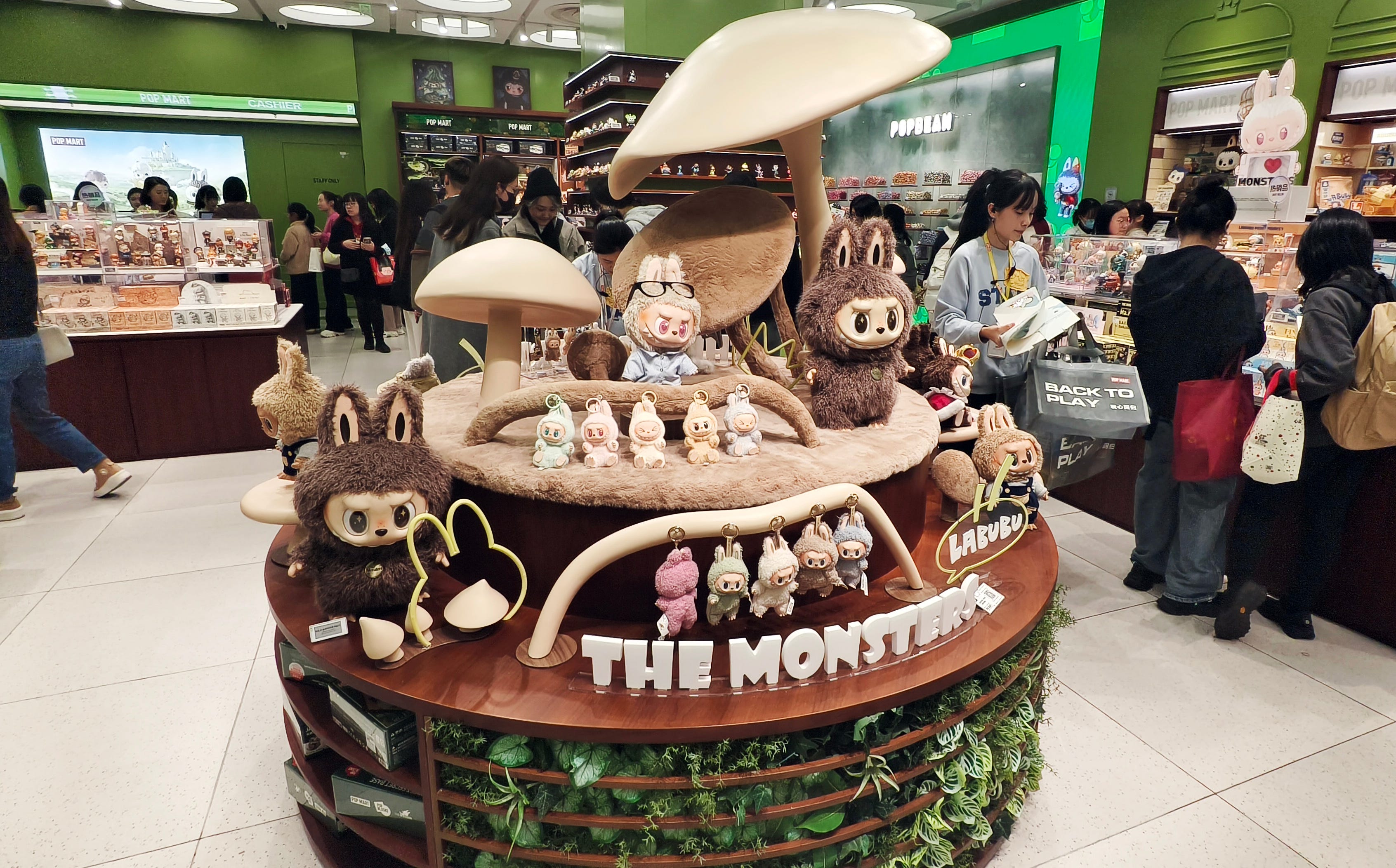
Popularity Peak: 2025
Last year, you couldn’t go to a toy store without coming across an array of Labubus. The product, a line of plush dolls sold by the Chinese toy company Pop Mart, sold more than 100 million units worldwide in 2025.
Target Demo: Gen Alpha
State of Production: In development
It’s the hottest creepy-looking doll on the market, and now, it’s getting the feature film treatment: Labubu is in development at Sony.
As ridiculous as that sounds, Labubu actually has bona fides. Director Paul King is helming the project, and what Martin Scorsese is to gangster movies, King is to eye-popping kids’ fare. His last three films: Wonka, Paddington and Paddington 2, all hit with under-34s (a whopping 60 percent of the Wonka audience on opening weekend was 18-34; maybe Timothée Chalamet is available to play Tycoco? That’s Labubu’s boyfriend, for the unitiated.)
Labubu dolls generated $418 million in 2024, and in the first half of 2025 alone, the Labubu line accounted for $670 million in revenue. The question the film, still in early development, faces is whether anyone will still care about it at release.
To be clear, little is known about this movie, and audience tastes change rapidly. It’s a straw man, but in 2020, a fidget spinner movie might have grossed more than a Marvel movie. Now? Not so much.
FANDOM SCORE: 9 out of 10. Collectors will not be normal about this

Now From Letterboxd: Cheat Codes
This week, Hollywood’s complicated history with gamers
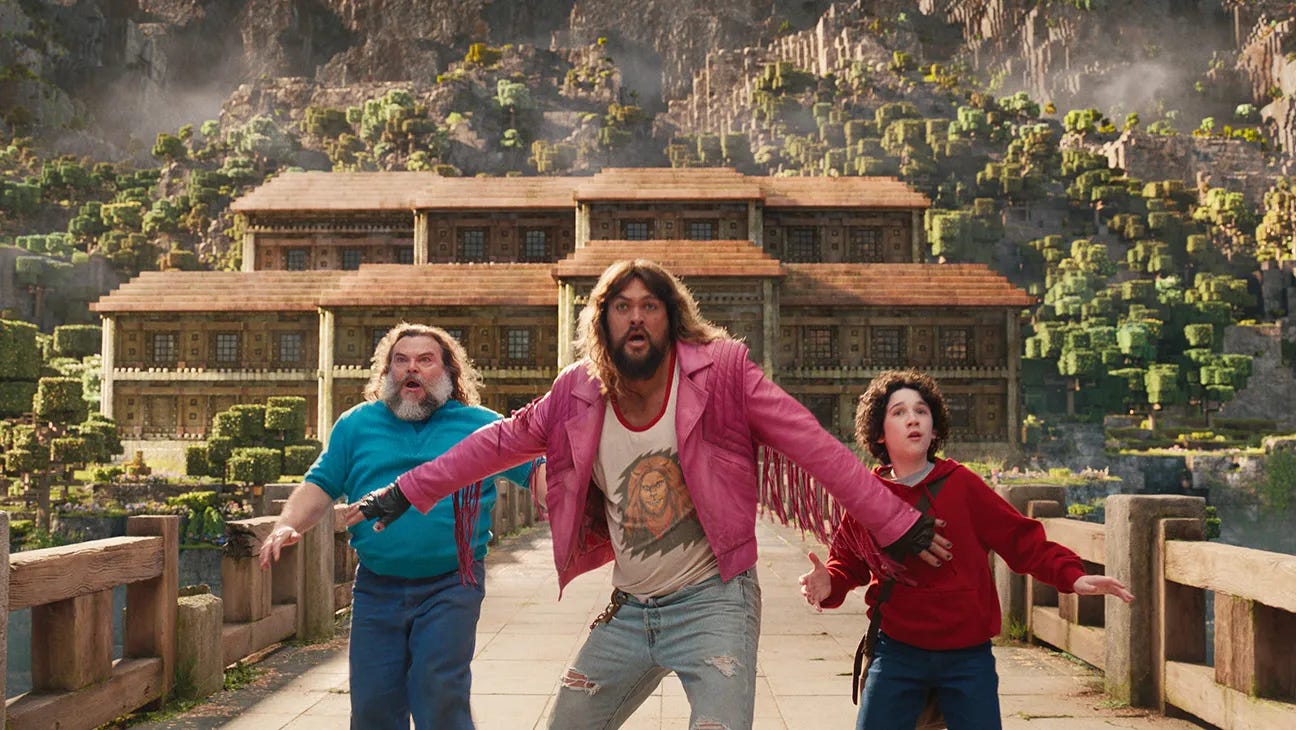
For a few decades, movies based on games didn’t make a lot of sense. How could it be more fun to passively watch a film based on a game rather than play the game itself? Plus, it’s not like games inherently lent themselves to deep narratives. Part of the reason 1993’s Super Mario Bros. is so bonkers is that in 1993, there wasn’t a lot of “lore” to build a story upon. But as gamers have grown into storytellers, the difficulties in adapting games to film have subsided, as evidenced by the success of A Minecraft Movie last spring.
That’s not to say that Hollywood always struggled with how to make a game into a movie. While not a massive hit upon its release, Jonathan Lynn’s Clue, based on the popular board game, gained a cult following and remains a high bar for any other game-based movie to clear. As Chris notes, “A movie based on a board game has absolutely no business being this funny,” while Jeaba says, “This is probably the best movie based on a board game.”
Although a remake of Clue has been stuck in development for ages, other game-based movies are already on their second go-round. Dungeons & Dragons: Honor Among Thieves found far greater popularity in 2023 than the 2000 attempt. “Exactly like a real D&D campaign (everyone has maxed charisma and no other useful skills),” observes Gavin, and Elvisthealien adds, “This movie is so great, everything a D&D movie should be.”
Then there are times when the original cannot be beat. The Jumanji legacyquels have been popular at the box office, with a third installment on the way, but in Letterboxd’s Game Night Showdown, the Robin Williams movie reigns supreme. Pablo Honey remarks, “The amount of times I watched this during my childhood was unhealthy! Still a classic that I love to revisit,” and Arnon wryly jokes, “Fun fact: After filming, Robin Williams had to go through back surgery due to carrying the entire film.”
What’s clear is that the connection between games and movies shows no signs of slowing down, with sequels to Mortal Kombat, Sonic the Hedgehog, the animated Super Mario Bros. and more all on the way. Will these new installments eclipse fans’ love for the originals? We’ll just have to press start and find out. — Matt Goldberg for Letterboxd