

Age of Cinemanesia: The Vanishing Afterlife of Movies
Name five classic films from this decade. I’m waiting

I write Crowd Pleaser from Ankler and Letterboxd, which covers audience and moviegoing trends. I covered the return of MoviePass as a prediction market, wrote about what the Marty Supreme Wheaties box says about fandom and scooped how Paul Thomas Anderson landed in Fortnite. Email me at matthew@theankler.com

My colleague Richard Rushfield recently posed a thought exercise: Name five films of this decade that will go down as classics.
Okay, I’m waiting.
…still waiting.
Movies don’t seem to stick the way they used to. They arrive, make a splash (if they’re lucky), dominate a weekend or a week of discourse (if they’re even luckier) and then quietly vanish.
Not flop — vanish.
Few become things we quote, rewatch, stumble into halfway through on cable or feel compelled to return to years later. For a medium once built on repetition and rediscovery, that disappearance feels new — and unsettling.
And if you’ve ever scrolled through a streaming service, landed on a movie you meant to watch — or one you know you liked — and then still kept scrolling, that’s not a personal failure. It’s the system working exactly as designed.
Movies don’t really die anymore. They disappear.
We’re living in The Cinemanesia Age — where movies are seen, consumed, and then almost immediately forgotten.

Seen by Millions, Remembered by None
That feeling of movies slipping through our fingers has become easy to rationalize. Culture moves faster now. Attention spans are shorter. Social media flattens everything. All of that is true. But it’s also incomplete.
What’s changed isn’t just how we talk about movies. It’s how we encounter them once they leave theaters (if they even get into one).
Which brings us, inevitably, to Netflix.
In 2024, speaking to the New York Times, long before Netflix moved to acquire Warner Bros. and Ted Sarandos found himself extolling the virtues of theatrical exhibition, the Netflix co-CEO made a bold claim. Films like Barbie and Oppenheimer, he said, “definitely would have enjoyed just as big an audience on Netflix.” There was, he added, “no reason to believe” that certain kinds of movies work better in theaters than on his platform.
Months later, Sarandos doubled down. On an earnings call, he suggested that Netflix’s biggest films were the equivalent of billion-dollar box office hits — not just in scale, but in cultural impact.
Netflix, he said, brings filmmakers “the biggest audience in the world,” and still knows how to “pierce the zeitgeist.”
It’s an appealing argument, especially in an era when reach is often treated as a synonym for relevance. Netflix does deliver eyeballs — millions of them — at a scale no movie studio can match. But reach alone has never been what turns a movie into a cultural fixture. While Netflix brings eyeballs, the zeitgeist rarely comes along for the ride.
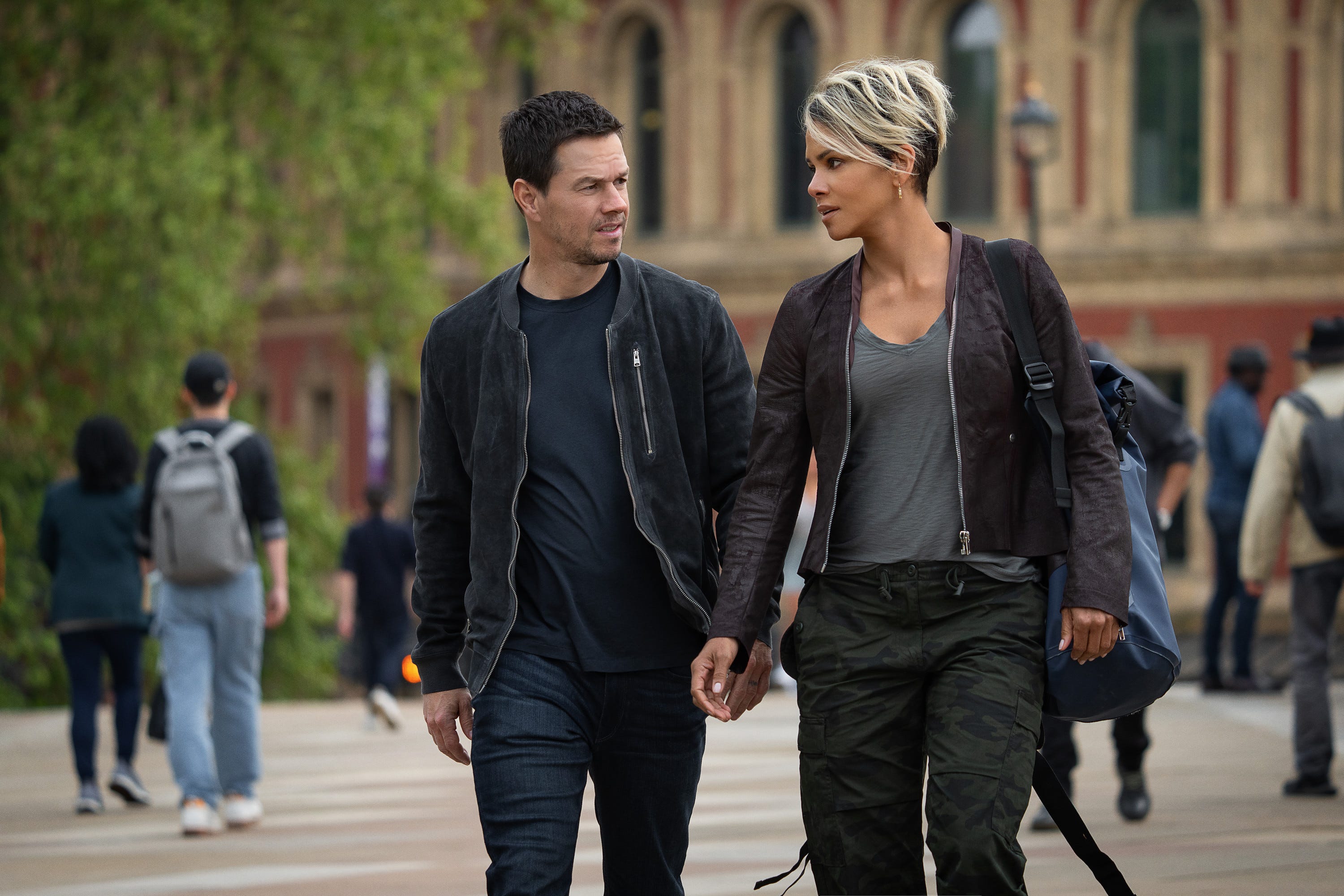
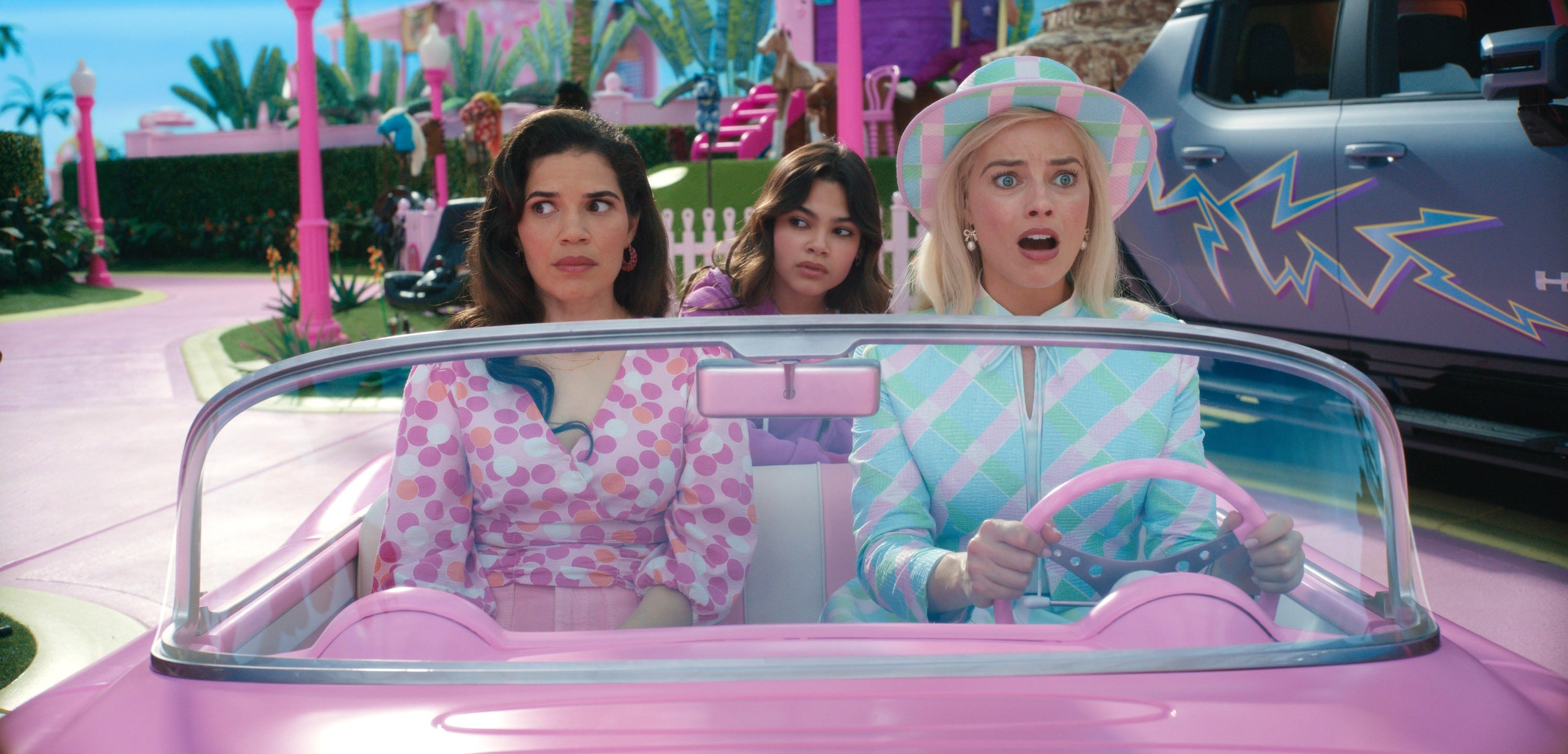
In 2023, Barbie (a WB title, coincidentally) didn’t just succeed at the box office; it exploded outward — into memes, fashion, marketing tie-ins, think pieces and a shared visual language. By contrast, Netflix’s most-watched movie of that year, Leave the World Behind, starring Julia Roberts, Ethan Hawke and Mahershala Ali, racked up enormous viewing hours. But it was watched, briefly debated (maybe) and then… effectively erased.
That contrast is not about good movies vs. bad ones, but about the battle between being seen vs. remembered.

When Rewatching Was the Business
For most of Hollywood history, a movie’s life didn’t end when it left theaters. That was just the beginning.
After a theatrical run, films moved through a carefully managed afterlife: re-releases, network premieres, syndication, cable, home video. Each window was designed to reintroduce the same title to audiences in different ways, over time. You might miss a movie in theaters, catch 20 minutes of it on TV years later, rent it on VHS, or stumble into it again while flipping channels on a Sunday afternoon.
That repetition wasn’t accidental.
Rewatching — or even half-watching — was how movies became familiar. And familiarity, more than novelty, is what turns a movie into a cultural reference point. When figures like the late Rob Reiner are celebrated, the response is often a flood of quoted lines and beloved scenes — the kind of devotion that only comes from repeat viewing.
But films didn’t have to be perfect, or even universally beloved. They just had to be present.
Cable television played a huge role. Networks weren’t trying to push viewers toward something new every night; they were trying to make them comfortable with what they already knew. A movie you’d seen before wasn’t a failure, but a feature.
“Movies had great value,” recalls Doug Herzog, the former chief of Comedy Central, VH1 and MTV. “If you picked the right ones at the right network, you could really find things that move the needle.” Those were the films that ran again and again — not because audiences demanded novelty, but because familiarity kept people watching.
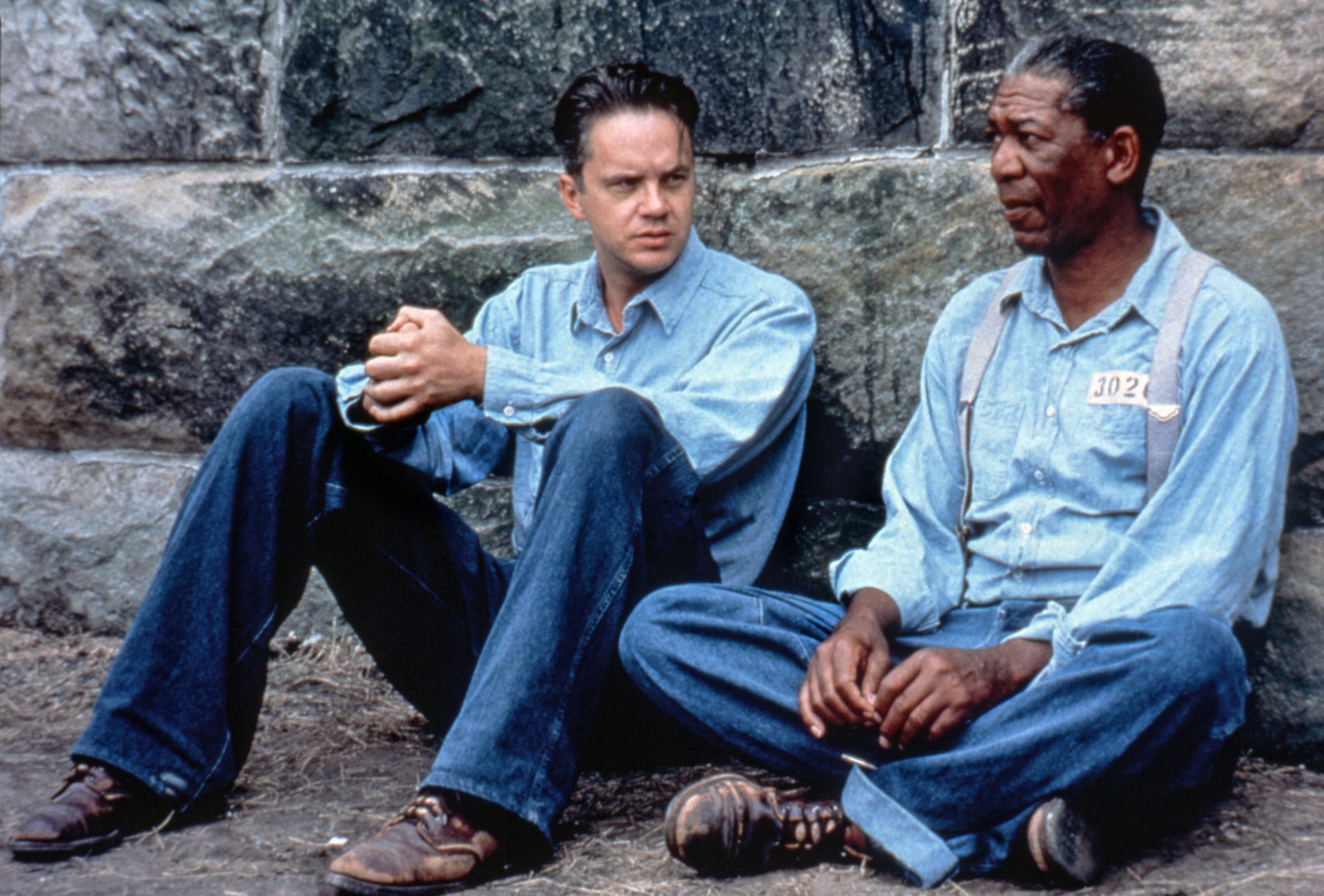
This ecosystem rewarded endurance. A movie could underperform in theaters and still become a fixture through repetition. The Shawshank Redemption was a box office disappointment before becoming one of the most replayed films in TV history. Comedies like Austin Powers and Anchorman became cultural touchstones not in a single weekend, but over years of reruns and rewatches of Ron Burgundy lifting weights.
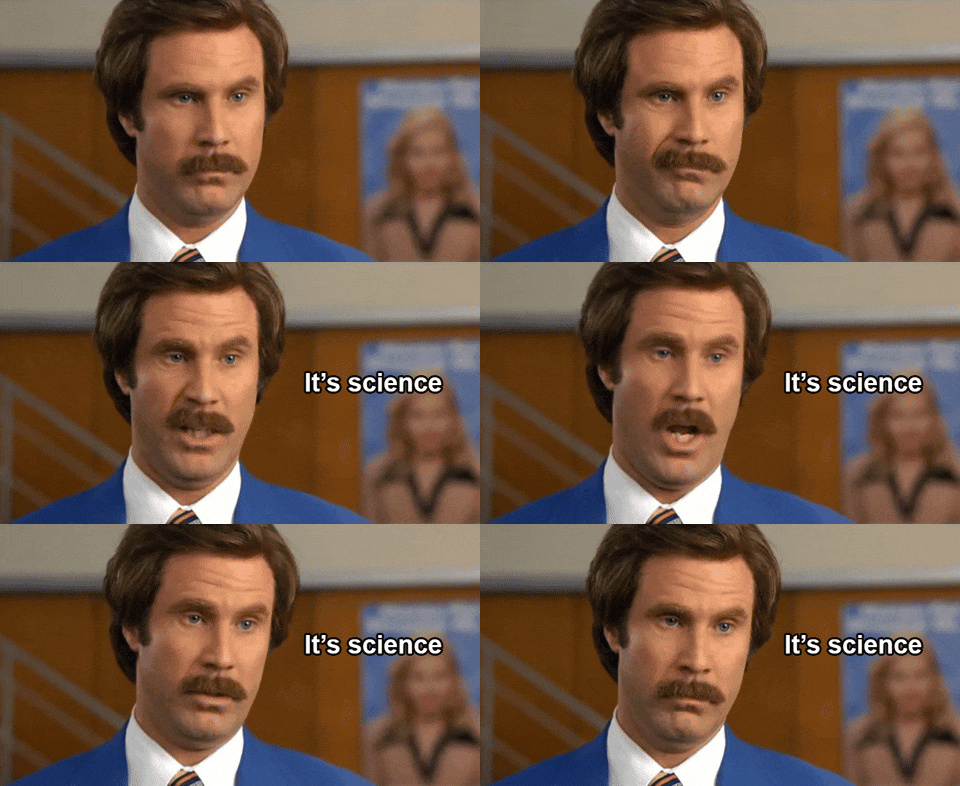
What mattered wasn’t just that audiences liked these movies. It was that they kept running into them.
An interesting touchpoint is the podcast The Rewatchables. The Ringer show has produced more than 300 episodes devoted to films like Top Gun, Heat, Goodfellas and The Devil Wears Prada. Host Bill Simmons has never chosen an original streaming movie.

Streaming Killed the Rewatch Star
Instead of movies drifting back into our lives through repetition, every watch now requires intention: Selecting a title, starting it from the beginning and committing to it in competition with thousands of other options. There’s no modern equivalent of stumbling into the third act of a familiar movie.
That shift sounds subtle. It isn’t.
Cable television rewarded inertia. Streaming rewards decisiveness. If you don’t actively choose a film, it essentially doesn’t exist. And once you’ve watched it, the system likely will not resurface it.
Streaming services offer more movies than any video store or cable package ever could, but abundance makes casual rediscovery nearly impossible.
For younger audiences, this represents a sharp break from earlier behavior by previous generations. Gone are the days when most people would channel surf and catch 20 minutes of The Fugitive or Superbad on TNT or HBO.
In 2018, streaming subscriptions had doubled digital rentals/purchases, DVD and Blu-Ray in the U.S. as the leading home entertainment. Last May, streaming viewership finally eclipsed combined broadcast and cable viewing.
Even success is invisible. A movie can rack up tens of millions of views, become fodder for earnings calls and press releases, and leave almost no cultural residue.
The Vanishing Point of Hits
What this new streaming netherworld creates is a strange paradox. Movies are more accessible than ever, yet harder to encounter twice. They’re everywhere, but rarely revisited.
This isn’t just anecdotal. You can see it.
One simple way to measure cultural afterlife is search behavior — not at the moment of release, but in the years that follow. Google Trends lets you track how often people actively search for information about a movie over time, which serves as a proxy for whether a title remains in the cultural mix.
I tried a thought experiment. I took a middle ground — the No. 11–18 domestic box office films from 2012 — and compared them to the same range from 2022. Not the biggest blockbusters of those years, but solid, widely seen hits. Then I tracked how interest in those movies held up over the first four years after their release.
The difference is stark.
The 2012 films — titles like 21 Jump Street, Wreck-It Ralph and The Lorax — show a familiar pattern. A big spike at release, followed by a long, low undercurrent of interest that never fully disappears. They linger.
The 2022 cohort tells a different story. After their initial release window, interest in most of those films — including hits like Elvis and Bullet Train — drops sharply and then flatlines. With one notable exception (Smile, which got a boost from its sequel), the afterlife isn’t there.
What those flat lines represent isn’t failure. These movies were seen. They were talked about. They just weren’t re-encountered.
And just for fun, let’s also look at 2011 vs. 2021 releases.
The most important trend line on these charts is the red line in 2011: Bridesmaids.
Added up over the years, lasting interest is what makes films feel perpetually relevant — quotable, memorable, and a fabric of our culture, as Bridesmaids has become.

In the Aftermath
So now, if you’re a studio trying to keep its films relevant, how do you even attempt to do that today?
The key for many is in diversification. Studios will license their titles to behemoth Netflix or FAST streamers like Tubi and Pluto, and do so repeatedly to reach different sets of eyeballs.
Universal, Warner Bros. and Paramount are all a part of larger conglomerates with streaming arms, but more than ever, those studios are dishing their titles out to competitors.
Keeping them locked away in their own silo leaves much of the audience in the lurch, and the films lose their value both culturally and financially.
Last month, Netflix re-upped its Pay-1 deal with Sony — under which the studio’s films, like the 2023 hit Anyone But You, arrive on the platform after their full theatrical and home-entertainment windows — for $7 billion-plus. Meanwhile, Universal’s new Pay-1B deal with the streamer — sending the studio’s films to Netflix after theaters, home entertainment and four months on Peacock — began 18 months earlier than expected.
These pacts shore up the initial post-theatrical window and put their films in front of as many eyeballs as possible. Plus: Theatrical films tend to perform better than non-theatrical releases on streaming, which is why Netflix is willing to spend billions on rights — and perhaps why Sarandos promised a 45-day theatrical window for Warner Bros. films pending the acquisition.

Clips to the Rescue
 Tiktok failed to load.
Enable 3rd party cookies or use another browser
Last September, I reported on how multiple studios discreetly operate genre-specific social media accounts with generic names. Channels like “Crime Clips” aren’t overtly branded by the studio (and are usually not easy to identify as studio-affiliated), but studios use these accounts to monetize — and make visible — their back catalogs.

Interestingly, the way audiences encounter films through social media — in short bursts, in clip form — resembles how audiences used to encounter them through the channels system. And for viewers with limited leisure time, social video is winning out because it replaces “TV you didn’t even intend to watch, or the TV you watched because it was on,” as media scholar Amanda Lotz phrases it.
“Attention is not our problem,” says Matt Klein, a cultural theorist who writes the Webby-winning newsletter ZINE and has advised the likes of Sony Pictures and the NBA. “What I think is beneath the surface here is this idea of control and participation.”
So where do we go from here?
Media expert Peter Csathy believes that in our current “Netflixian world,” where choices are abundant yet fleeting, there will be — and already has been — a shift toward curation and tastemakers, standing in direct opposition to today’s algorithms.
One tastemaker platform Csathy highlights, unprompted: Letterboxd.
“When you’re bombarded with all this stuff around you, human curation can be increasingly important to make sense of it all and identify the gems,” he says. “It’s going to be the conversation around those gems which leads to, ultimately, long-term cultural relevance, because still, at the end of the day, it’s human excitement and passion and conversation that leads to significance.”
Clips don’t recreate the old afterlife. But they may be the closest approximation we have left.

Now From Letterboxd: Watching This Space
This week, users on their rewatchable favorites
Not every great movie is defined by how often we choose to rewatch it. We can praise difficult, emotionally taxing, thought-provoking pictures, but that doesn’t mean we’re going to pop them on at the end of a long day. Sometimes we need something a little more familiar and a little more uplifting. Even if the material can be dark, there’s some kind of hook here that gets us going. We want to hit play again, even though we know how the story unfolds. It’s one thing to return to a favorite over the years. It’s another thing to keep coming back in the same year.
To make Letterboxd’s list of the “Most Obsessively Rewatched” in our annual Year in Review, the film has to chart at least five watches by a person in a calendar year. The year 2025’s most rewatched movie, Superman, isn’t that surprising. After multiple big-screen iterations of the Man of Steel leaned into the darker aspects of his character, James Gunn had him celebrate kindness as the new punk rock, and that clearly clicked with members. As Joshua notes, it’s “the type of movie that makes a mf wanna do community service,” and Trin adds, “a superhero movie inspiring me to be a good person and do good deeds and finding the beauty in being human. I’m gonna cry.”
Sometimes a movie is just catchy, and it doesn’t get much catchier than the hooks on KPop Demon Hunters. The second-most rewatched movie of the year featured earworms galore with bops like “Takedown,” “Golden,” and “Your Idol,” but it was more than just the music that got members excited for this animated delight. “Painfully relatable representation for Zoe(y)s who would be helplessly obsessed with a boy even after discovering he’s a literal demon,” says Zoë, while Anna sums up the film’s good vibes by writing, “Spectacular give me 14 of these right now.”
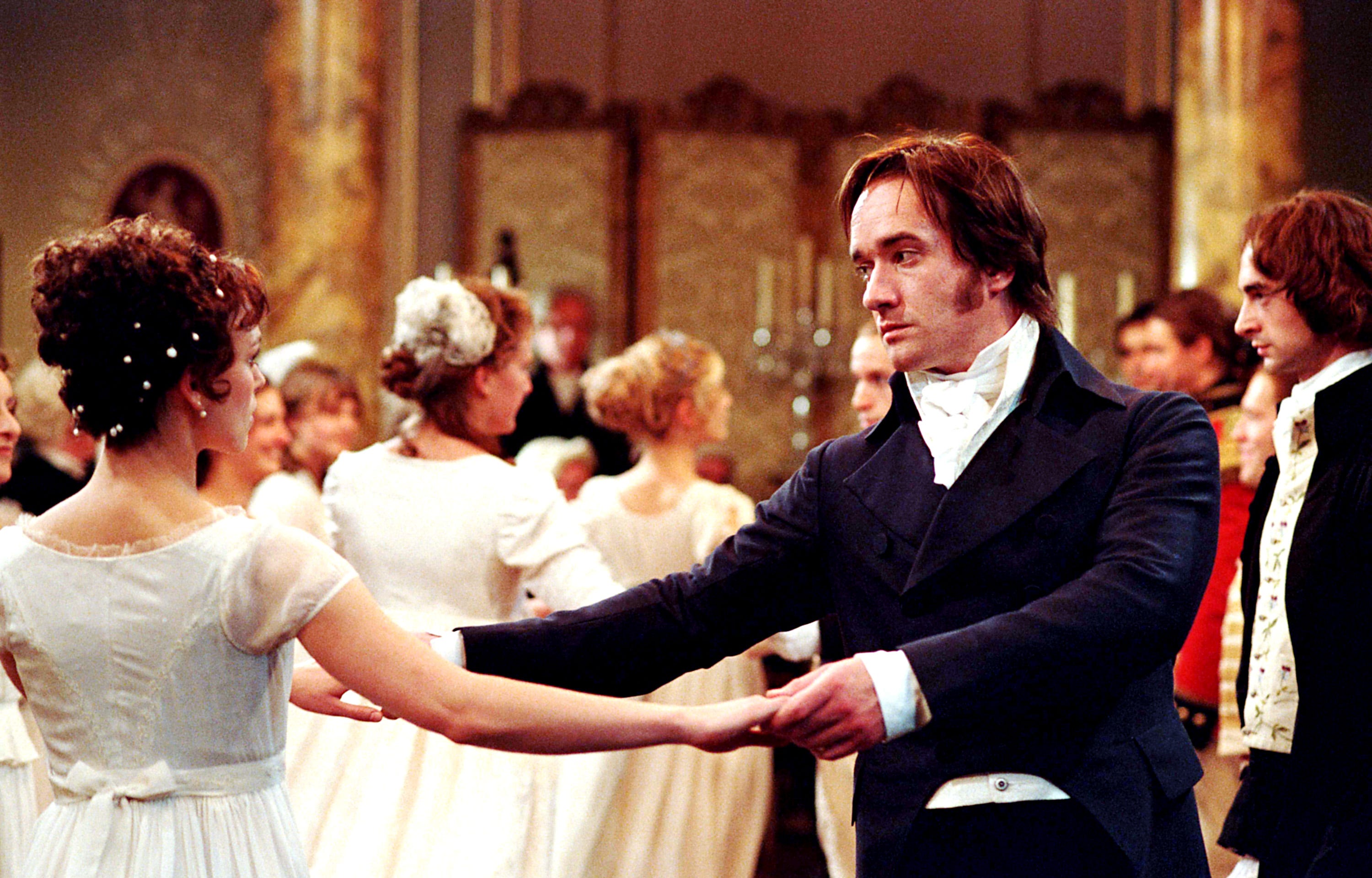
A movie didn’t have to come out in 2025 to be one of the year’s most rewatched features. Look at the ongoing love for Joe Wright’s adaptation of Pride & Prejudice, which celebrated its 20th anniversary last year. As Kyra calmly observes, “THE RAIN SCENE IS THE SINGLE MOST SEXUALLY CHARGED SCENE IN THE HISTORY OF THE MOVING IMAGE.” Sharing that enthusiasm, Erika points out, “not to be dramatic, but The Hand Flex™ is the single greatest moment in the entire history of film.” Part of rewatchability is that these moments dominate the imagination, and it’s tough to argue when people are still so enthusiastic about a period romance 20 years after its release.
No matter how many times you come back to a movie you love, you can still find new and exciting things about it, and I won’t be surprised if some of these obsessively rewatched films crop up again when it’s time for 2026’s Year in Review. — Matt Goldberg for Letterboxd