
I wrote about AI video’s future after Sora’s demise, the real reason OpenAI acquired TBPN, and Ben Affleck’s sale of his AI company to Netflix.
In new rules announced last week for next year’s Oscars, the Academy declared that screenplays must be “human-authored” to qualify and that only acting “demonstrably performed by humans” will be eligible. This is a step forward from the previous policy — essentially Don’t Ask, Don’t Tell. And still, the world of AI entertainment is getting thornier and more divided with each passing day.
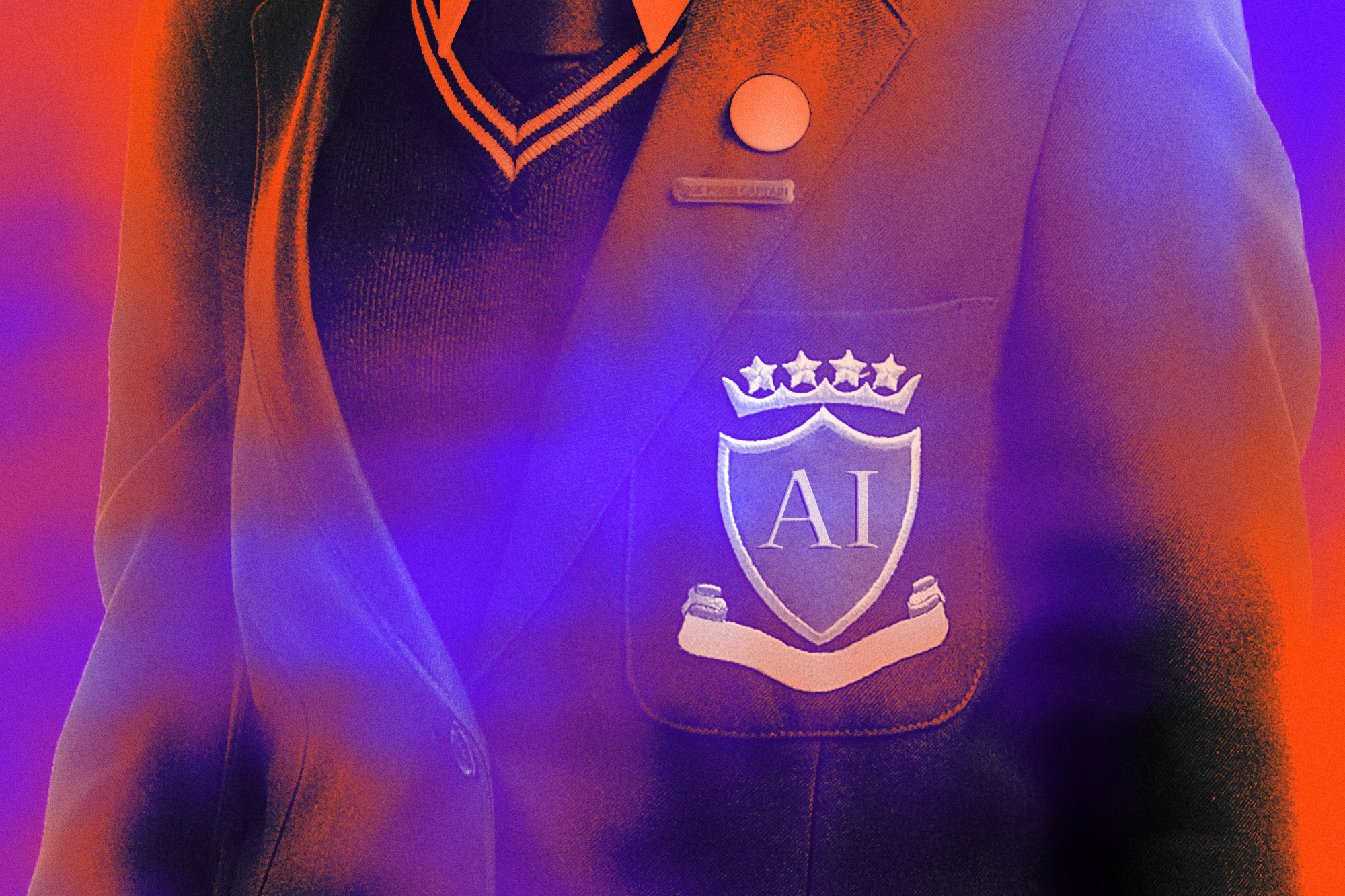
The Oscars represent a visible flashpoint, but more consequential AI battles are being fought off-camera — including at elite film schools and cultural institutions. From USC to NYU’s Tisch to CalArts, AI is being added to grants, software access and curriculum design, often in direct partnership with the companies building AI tools — including Adobe, Google and Runway, among others.
What looks like modernization is also something far more strategic: seed investment in the next generation of Hollywood creators and executives, as these schools serve a direct feed of graduates into the system in which film and TV are produced.

The pattern is consistent across institutions: Even at the Sundance Institute, AI-related partnerships are framed as education or creative empowerment. They also happen to acclimate the next generation of filmmakers and executives to specific corporate tools — at the same moment unions and guilds are negotiating hard against those tools’ use on sets and in writers rooms.
Below, I break down:
- Why film schools are giving students hands-on access to AI tools that Hollywood unions are actively trying to restrict
- How Adobe, Google and Runway are embedding their products directly into curriculum, grants and creative workflows
- What Google’s $2 million Sundance deal is really buying — and why “AI literacy” isn’t neutral
- What a six-figure film school education actually looks like when a laptop can replicate most of the pipeline
- What “industry standard” means when the industry hasn’t agreed it’s actually standard
- And the uncomfortable question film schools may not survive answering
Don’t stop here
Unlock the full story — and the no-spin reporting Hollywood trusts
Already a subscriber?