
Subscribe on Apple Podcasts
Watch on YouTube
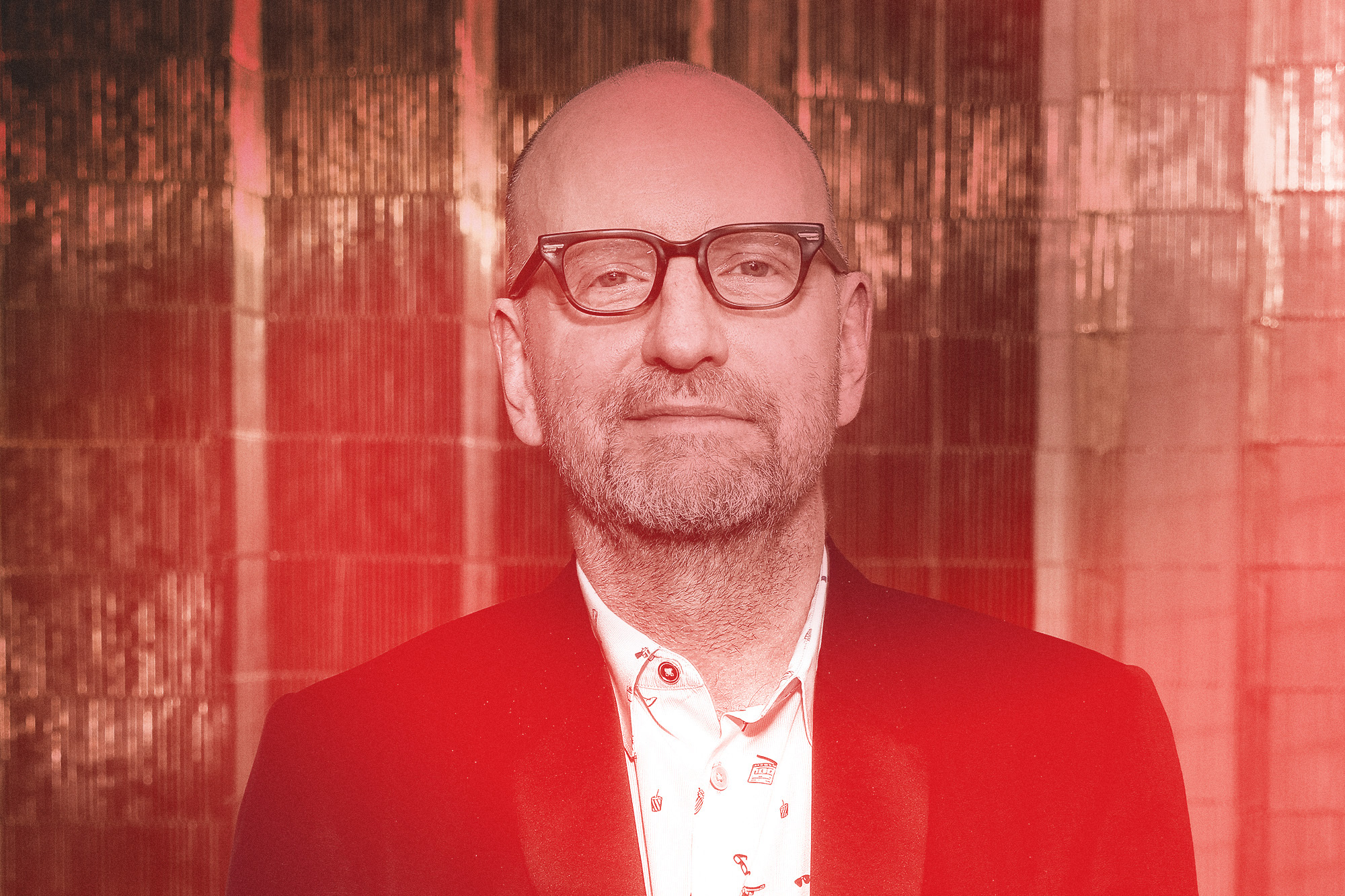
Steven Soderbergh has created hit franchises, directed era-defining classics, broken new ground with experimental film formats and given the world not only one of the all-time best movie-star vehicles in Erin Brockovich, but also one of the all-time best Oscar speeches to go with it. But he knows exactly what he wants to be remembered for — and it’s not any of those things.
“If you told me that people will either remember the things you made or the things you talked about — how to make things and how to navigate this business and how to treat people — I’d say the latter,” Soderbergh, 63, tells me on today’s episode of the Prestige Junkie podcast, in a conversation that includes a lot of exactly that kind of talk about the movie industry. “I’d rather hand that down and have people influenced by that more than the work itself.”
It’s no surprise that Soderbergh is thinking about legacy as he promotes his new film, The Christophers. The Neon release, which premiered at the Toronto International Film Festival last year, stars Ian McKellen as a famous painter who has holed up in his lavish London townhome and makes money recording Cameo videos rather than actually painting. His venal children (James Corden and Baby Reindeer breakout Jessica Gunning) set their sights on the unfinished masterpieces he’s left lingering in the attic — a series of paintings called “The Christophers” — and hire an art restorer and forger, played by Michaela Coel, to finish the paintings so each can be sold as the real thing.
The film largely plays out as a series of tense, thrilling conversations between McKellen and Coel, a clash of generations and viewpoints about art and commerce — discussions that apply just as much to the movie business as to the art world. Soderbergh, who famously once planned to retire from filmmaking to pursue painting, pitched the idea for the film to screenwriter and longtime collaborator Ed Solomon (No Sudden Move), but says he chose painting more as a storytelling necessity than anything else.
“I thought that it was important for our story that this be somebody who’s very isolated and could still be working if they hadn’t chosen to stop working,” Soderbergh explains, adding that he’d initially imagined a story of manipulation and betrayal in the spirit of The Talented Mr. Ripley, but Solomon brought more warmth to the final product. “He knows painters, and he’s also had more contact with older, well-established artists who spend a lot of time looking back on the heyday of their careers. My rainbow had one color, and Ed brought all these other colors to it.”
Despite years of making visual art — a work-in-progress collage was on the wall behind him as we spoke — Soderbergh still won’t call himself a painter, the same way he refuses to call himself a screenwriter. Even so, he’s doing a lot of writing these days, recovering from the setback of the Star Wars project that was abruptly canceled by Lucasfilm and focusing on making work for himself, the same way he did before his breakthrough with sex, lies, and videotape in 1989.
Soderbergh had initially considered retiring from filmmaking because he was “reacting to aspects of the business that I was deeply frustrated by,” he tells me. But when I suggest that the movie industry has only gotten more frustrating since he walked back his retirement to make the television series The Knick in 2014, he’s remarkably pragmatic about what it takes to keep going in a business that’s guaranteed to drive you crazy.
“It’s the artist’s job to adapt,” he says plainly. “When the landscape shifts, you just have to figure it out. While you and I are having this conversation, there’s somebody out there working on something that we’re going to see in the future — could be the near future — that could completely alter the business. I believe in the ability of artists to change the way things work for the better by doing great work.”

The next project of Soderbergh’s we’re likely to see is about one of those kinds of films — 1975’s Jaws, which Soderbergh considers the movie that “activated” his desire to become a director. “It has got to be the movie-est movie of all time,” he says.
Soderbergh had initially planned to write a book on directing, using Jaws as an example of how it’s done. He’s worked on the idea independently for years, even getting Universal to provide him with the film’s daily production logs. Now, however, he wants to release it as an app, allowing users to watch scenes from Jaws alongside Soderbergh’s commentary on how it all came together. He wouldn’t tell me when to expect it, but says beta versions will be available for a select few soon — and yes, Steven Spielberg is part of that group, despite not being involved in Soderbergh’s work. “That’s a blood pressure spike,” he says about the possibility of Spielberg seeing the final product.
Hear more about Jaws, Soderbergh’s public movie viewing logs and so so much else in this truly special conversation. Even better — the full podcast also features a discussion between me, Christopher Rosen and Elaine Low kicking off this year’s Emmy season, with a look at some of the expected top contenders and the stories we’ll be following for months to come. Take a listen and join us!

Comments
Only Ankler All Access subscribers can comment
Already a subscriber?