

Why Did Ben Affleck Start an AI Company in Secret?
Hollywood stars issue stern warnings while quietly building startups behind the tech

I cover Hollywood and AI for paid subscribers. I wrote about the enertainment industry’s latest text-to-video meltdown over ByteDance’s Seedance, how Hollywood choked the rise of OpenAI video model Sora, and I covered eight companies doing AI the right way.

For the past few weeks, Hollywood has been in full AI panic mode. Open letters, full-page ads, think pieces and social media campaigns have warned that artificial intelligence — particularly models trained on copyrighted work — could upend the economics of creative labor.
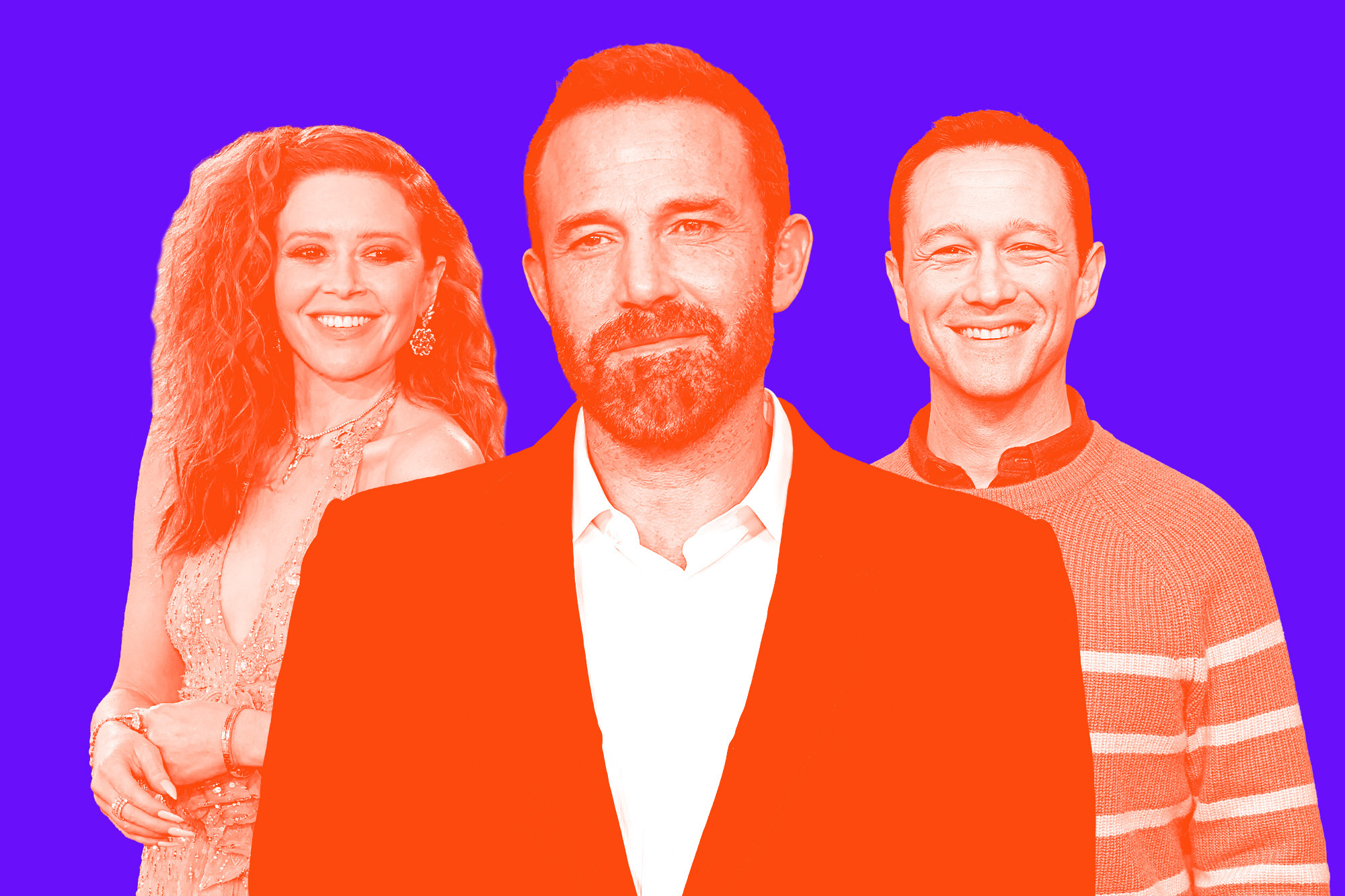
Meanwhile, Ben Affleck was building an AI company.
The actor quietly launched a startup called InterPositive in 2022 that develops AI tools for filmmaking, training models on a production’s own footage to help with tasks like lighting adjustments, reframing shots and fixing continuity problems in post. Last week, Netflix acquired the company and installed Affleck as a senior advisor.
The deal neatly captures the paradox now unfolding across Hollywood: Stars are publicly warning that AI could steal their jobs… while privately investing in the technology that might replace them.
Because the real AI fight in Hollywood isn’t about stopping the machines. That ship sailed. It’s about control — who owns the data, who licenses the likeness and who gets paid when the digital version of a movie star shows up to work instead of the human one.
To understand the tension, it helps to separate three very different things that often get lumped together under the umbrella of “AI.”
First are generative models, like Sora or Kling, which can create entirely new images or video and are often trained on massive datasets of copyrighted material. These systems have triggered the loudest backlash from Hollywood creatives.
Second are production tools already embedded in filmmaking — software that cleans up visual effects, adjusts lighting, synthesizes ADR or streamlines editing.
And third are synthetic performances: digital doubles that allow an actor’s face, voice or movement to appear on screen even when they aren’t physically present.
Hollywood’s loudest outrage is directed at the first category.
But the second and third are increasingly embraced — sometimes enthusiastically — by the same people signing anti-AI letters.
Here’s the part Hollywood isn’t really saying out loud: The industry isn’t trying to stop AI. Not really.
Below, I break down:
What Affleck’s Netflix deal reveals about the real AI strategy in Hollywood
Why Hollywood stars can protest AI publicly while still embracing it on set
How the industry is quietly building a licensing economy around digital likeness
Why actors may soon function less like performers — and more like intellectual property
This column is for paid subscribers only. Interested in a group sub for your team or company? Click here.
For full access and to continue reading all Ankler content, paid subscribers can click here.