

When Pitt Fought Cruise — and Why Hollywood Could Barely Punch Back
ByteDance’s AI reconnaissance strike and the four strategic choices now facing the studios before the next attack

I cover Hollywood and AI for paid subscribers. I wrote about how the industry choked the rise of disruptive OpenAI video model Sora, covered eight companies doing AI the right way and explored Disney’s deal with OpenAI.

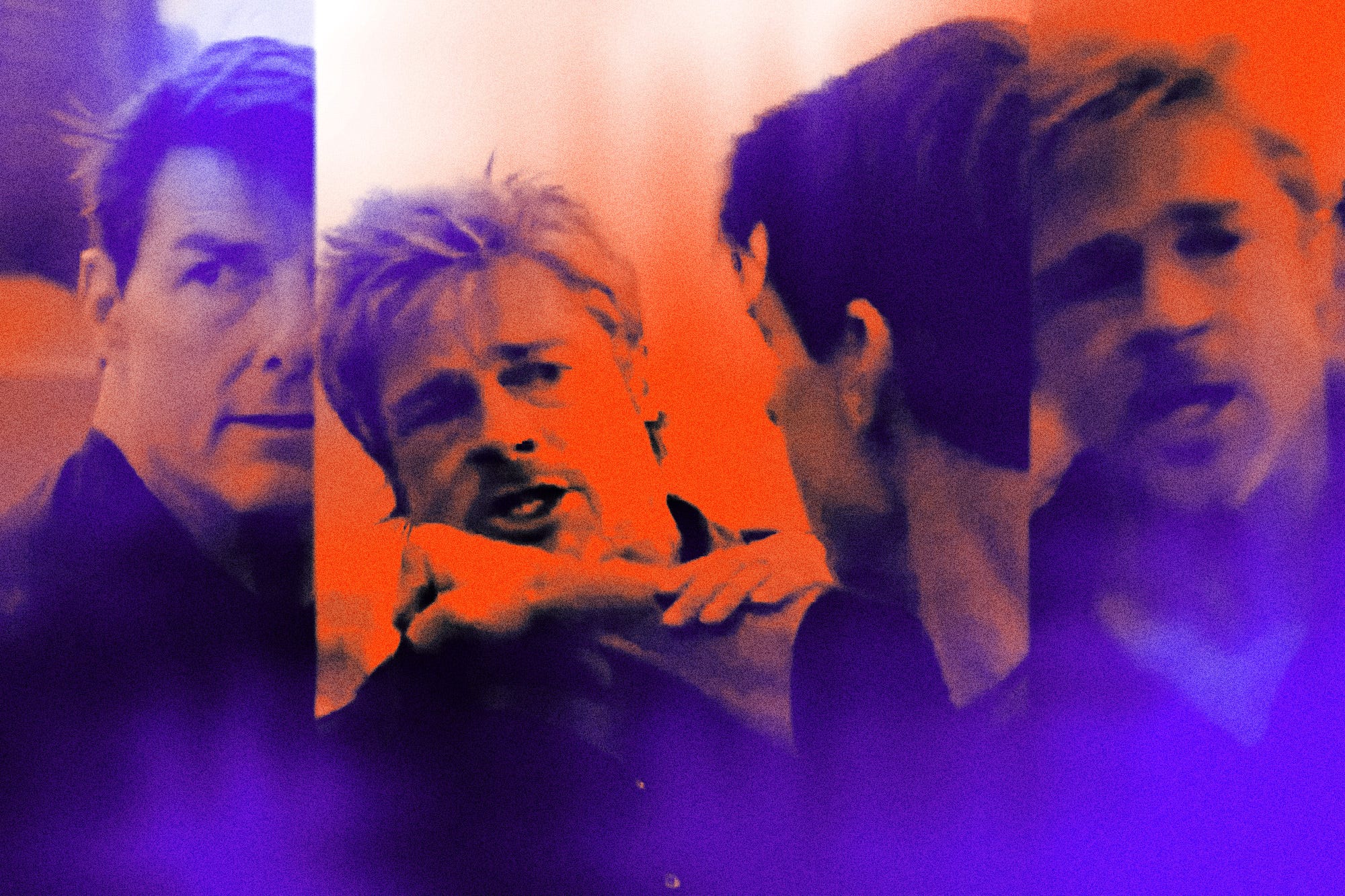
Brad Pitt steps forward. The lighting is metallic and grand, like the climax of an action thriller. His jaw tightens in that familiar asymmetrical way audiences have watched for decades.
Across from him stands Tom Cruise, coiled and kinetic, eyes fixed with that hyper‑focused intensity that defines billion‑dollar franchises — especially his. The camera arcs, a punch lands, a counterattack follows. Every beat, every micro‑expression, every nuance of motion feels deliberate, expensive and crafted by human hands.
Except no one was on set. No agents negotiated likeness rights. No actors signed contracts. No studio executives approved a budget. And no talent was assembled by Hollywood. The entire sequence — a convincing, cinematic battle between two of Hollywood’s most bankable stars — was generated just two weeks ago ago by Seedance 2.0, an AI system developed by ByteDance.
ByteDance, to refresh your memory, was founded in 2012, is headquartered in Beijing, led by CEO Liang Rubo since 2021, and is best known as the creator of TikTok and its Chinese counterpart, Douyin. It operates in 150 markets, employs over 110,000 people worldwide, and is deeply involved in the race for high-video-quality AI. As of January, TikTok in the U.S. is owned by a consortium of companies — Oracle, Silver Lake, Emirati investment company MGX took the largest shares, 15 percent each — with ByteDance retaining less than 20 percent ownership.
Seedance’s Pitt versus Cruise was not a novelty deepfake or a crude mash‑up. This was synthetic Hollywood — and it demonstrated something profound about the shifting nature of creative authority outside of the United States.
The clip wasn’t just a stunt. It was a test. In military terms, this looked less like a product launch and more like a reconnaissance strike: test capabilities, observe defenses, withdraw.
I’ll get into what this means — and what Hollywood can do about it.
Today I explain:
Why Hollywood’s rapid and united pushback matters
The uncomfortable truth about the industry’s dependence on China
The Apple analogy: benefiting from scale while losing leverage at the same time
ByteDance’s “retreat” — and why it may signal escalation, not surrender
The AI launch-outrage-retreat cycle Hollywood keeps repeating and how to break it
Four strategic moves the studios must make now to stop playing defense and take charge of AI’s impact on the industry