

Sora 2 Shook Hollywood. This AI CEO is Helping the Industry ‘Take a F-ing Stand’
Backed by CAA and Comcast Ventures, Bryn Mooser and co-founder Natasha Lyonne’s Asteria is an AI model safeguarding IP in an era of copyright chaos


I’m not using hyperbole when I say Hollywood’s been rattled to its core by OpenAI’s one-two punch over the last few months. LOTS of you had lots to say about my last three columns:


Sora 2 in particular, trained on copyrighted footage the company hasn’t cleared, triggered alarm across studios, guilds and agencies. Hollywood creatives fear a future where copyright is ignored, legal frameworks are sidestepped and Big Tech steamrolls the storytelling ecosystem.
But Bryn Mooser isn’t letting that happen — at least not without a fight.
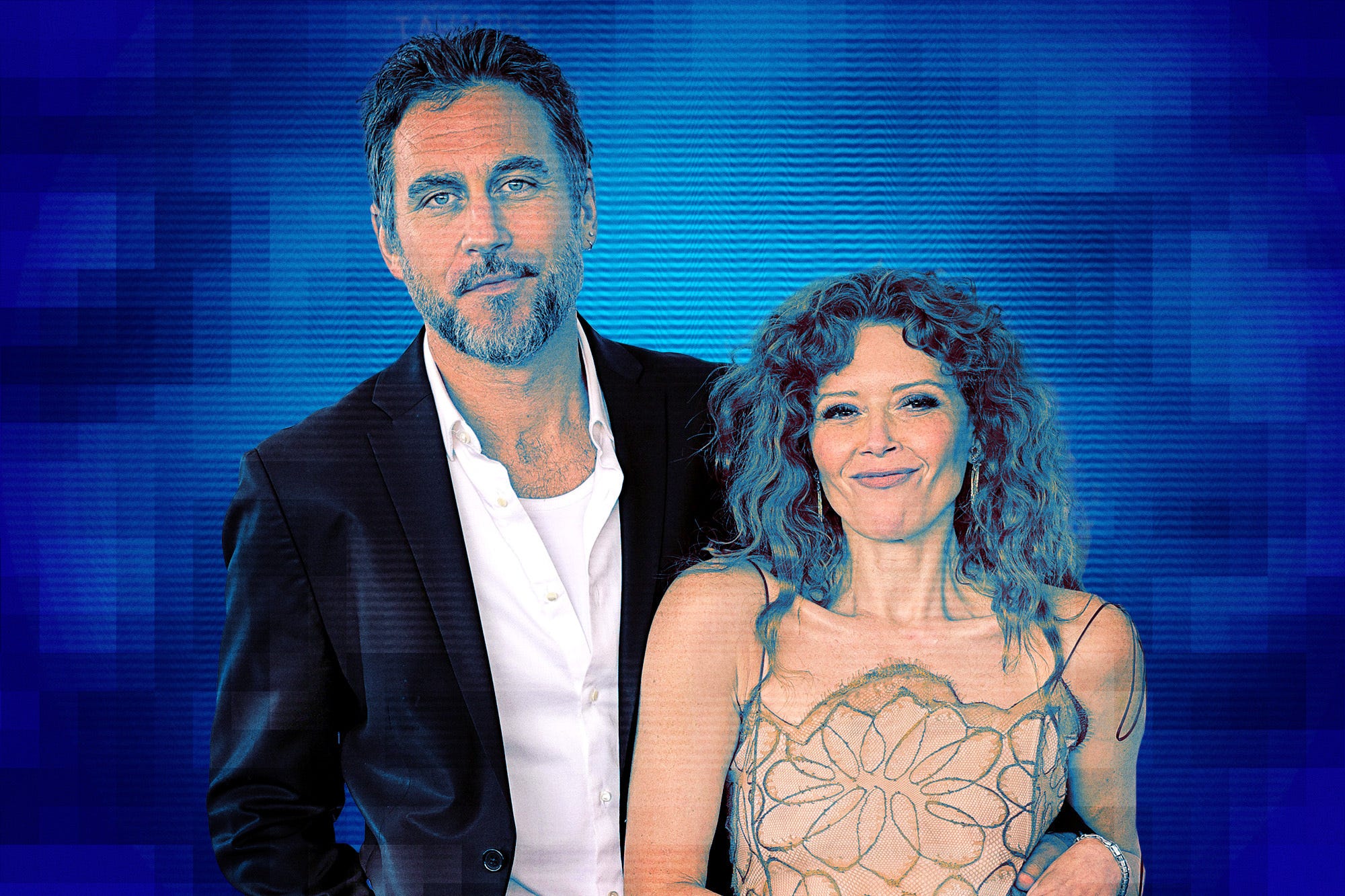
At first, Mooser, 46, does not seem like a fighter. He’s the kind of guy I used to see waiting in line for a foreign film outside NYC’s Angelika Theater — slightly rumpled, quietly observant, taking notes in his head about what he was about to see. Before founding Asteria (his co-founder is girlfriend Natasha Lyonne), which bills itself as “an artist-led generative AI film and animation studio,” he ran Documentary+, the free streaming platform for nonfiction work, and has two Oscar nominations for short documentaries (2015’s Body Team 12 and 2018’s Lifeboat). He’s a filmmaker by instinct and by trade, not a technologist chasing headlines. That background shows.
While Silicon Valley has spent the past year showing off dreamlike video models and promising to “democratize” film, Mooser built something different: a company run by people who, like, actually understand filmmaking. Cinematographers, VFX supervisors, post-production veterans. Asteria’s team, based in Los Angeles, is composed of some 22 pros (plus about three dozen contractors) who know how movies really get made.
Last December Asteria teamed with tech startup Moonvalley, and together they developed the video model Marey (named for the 19th-century French cinema pioneer Étienne-Jules Marey), which is trained only on legally licensed or cleared material. Every frame, every dataset, Mooser says, is documented and defensible. Studios can actually use it (it was launched in March and made publicly available in July by subscription, from $15/month for the standard app to $150/month for the pro plan). There are no lawsuits waiting in the wings, no gray-zone fair-use claims that crumble under legal scrutiny.
Mooser isn’t running a charity. He wants to build a business big enough to challenge Big Tech on its own terms. But the only way to do that — the only way to compete with companies whose entire budgets exceed some countries’ GDP — is to work with Hollywood rather than against it. That means creating technology that is commercially safe, grounded in craft and backed by experts who know filmmaking from the inside out.
Asteria already has drawn heavyweight partners from Hollywood. CAA and Comcast Ventures were both part of Moonvalley’s $84 million Series B funding round in July (the company has raised more than $154 million in all). Those alliances give Asteria legitimacy in a business that doesn’t hand out legitimacy very easily.
The company last week announced a new short film, All Heart, made by Oscar-winning directors Michael Govier and Will McCormack and executive produced by Lyonne. The project combines hand animation by artist Jimmy Thompson with AI techniques, and it will be campaigning for an Academy Award.
Meanwhile, yesterday’s release of Atlas — ChatGPT’s new browser, which could compete with Chrome — only signals that OpenAI will expand into all tech-adjacent content spaces. If OpenAI can control text-to-video, all research capabilities through ChatGPT and mindshare through your start-up browser, it must be asked: Is Mooser’s mission naively impossible?
Asteria is, for now, the counterweight — clean, deliberate, and industry-facing. But it’s not guaranteed Hollywood will adopt its offering. If studios chase the flash of unlicensed tools, the consequences are predictable: lawsuits, chaos and a creative ecosystem gutted by short-term thinking.
I called Mooser last week to talk about all of this — the Sora shockwave, Hollywood’s cautious stance and what it means to build a “fair” business in a market that rarely rewards fairness.
Read on for the highlights of my conversation with Mooser, where we got into:
The power still in the entertainment industry’s hands, for now, to change the narrative
How tech players are already gaming out the legal battles ahead
Hollywood’s sudden tipping point — and what happens if it lets Big Tech win
Why it’s “a pain in the ass” to get Hollywood to adopt new tools — and why that surprised Google and OpenAI
Why Mooser pivoted away from building Asteria as “the Pixar of AI”
Which AI tools and skills are actually most useful to filmmakers right now
What tech companies still don’t understand about moviemaking — or moviegoers