
I write every other Tuesday for paid subscribers and have reported on the threat to Hollywood jobs from Google’s Veo 3 and Elon Musk’s Grok Imagine; Cursor, the app that could supercharge A24; and the Chinese AI that should scare you.

Hollywood is about to meet a very different kind of studio boss. Not the cigar-chomping mogul, not the prestige-TV auteur with a trust fund and an unfortunate gluten allergy, but a San Francisco research lab that was supposed to be a non-profit until it realized that making cartoons might be more fun — and potentially more profitable — than writing policy papers about AI safety. Yes, OpenAI, Sam Altman’s outfit that gave you ChatGPT, your cousin’s conspiracy-laced LinkedIn posts and a new way to ruin college essays, has decided it wants to be Pixar.
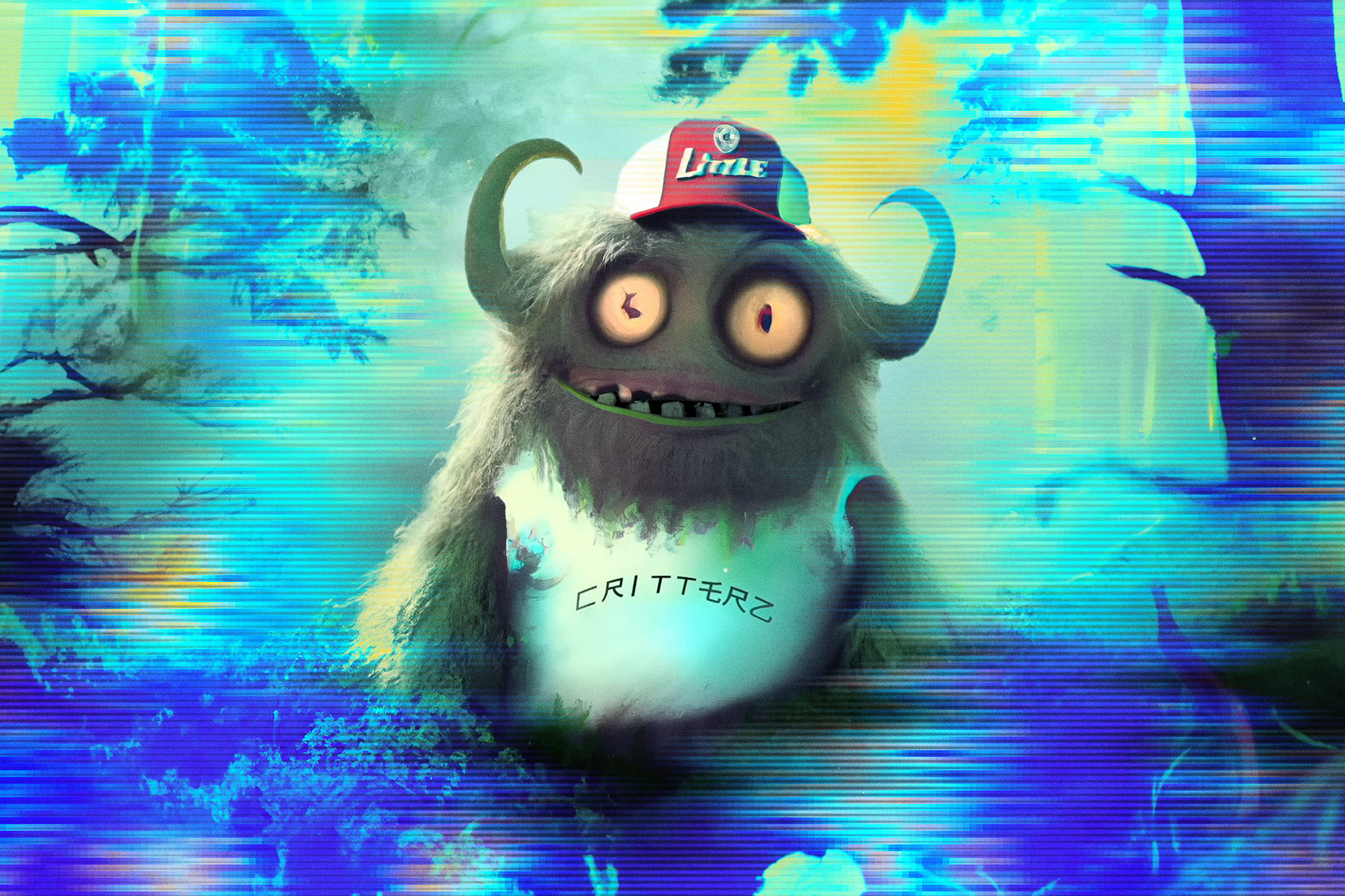
OpenAI’s first feature film, Critterz, is now deep in production, and the economic fundamentals are a bit shocking: The budget is under $30 million, and the timeline for completion is a nine-month sprint, with the aim being that such a production can shortly compete with the painstaking animated productions of Disney or Dreamworks. The question around town is whether the result will feel like the future of filmmaking or merely a very expensive screensaver.
The story began modestly enough. In 2023, OpenAI creative specialist Chad Nelson, previously a game developer, and a small team used DALL·E — the company’s first text-to-image generator, launched back the much simpler times of 2021 — to generate a quirky animated short about woodland creatures whose quiet lives are upended by a mysterious visitor. That little experiment got the attention of leadership in San Francisco, who — fresh off teaching large language models to write college papers and draft law firm memos — saw a big PR opportunity to show that AI could make not just memes but also an entire movie.
The animated short Critterz was made using OpenAI’s DALL·E in 2023👇🏼
Now, in late 2025, the short is mutating into a Critterz feature film produced in partnership with London’s Vertigo Films and Los Angeles’ Native Foreign (a creative agency that channels AI into storytelling), written in part by veterans of Paddington in Peru (James Lamont and Jon Foster) and now aiming for a Cannes 2026 premiere and global theatrical release. The crew will still include human voice actors and artists, but much of the design and rendering will run through OpenAI’s own tech stack: GPT-5 to help develop the script, DALL·E to handle concept art and internal production tools to keep the process on track with limited fear of overages.
That nine-month schedule is not a typo. Hollywood animation houses typically spend two to four years and hundreds of millions of dollars sculpting every blade of CG grass. OpenAI plans to complete a feature in the time it takes Cars’ Doc to drive around Willy’s Butte. It is a statement of technological bravado and, perhaps, of corporate impatience: Why wait for creative epiphanies when you can just spin up another GPU cluster? (For the uninitiated, a GPU cluster is a network of connected computers working together on such tasks as, say, AI model training.)
In today’s Reel AI, I’ll get into:
The Pixar test: If OpenAI can deliver a feature-length hit, the very definition of “studio” changes
The speed factor. Critterz will be made in nine months — a timeline that rewrites the playbook for how long animated films “have” to take
Optionality as power. Owning the entire toolchain lets OpenAI pivot mid-production or mid-release in ways traditional studios can’t
The indie extinction threat. If OpenAI proves $30 million features work, it could wipe out the fragile AI indie animation ecosystem overnight
The precedent problem. A win for Critterz tells Wall Street that premium features can be made faster and cheaper, putting pressure on every other studio slate
Humans on notice: Inside Critterz, AI tools replace whole departments once thought untouchable
The $30 million provocation: How OpenAI’s budget dares Hollywood to justify its $200 million price tags
The exhibitor opportunity: Why the same theaters that fear AI disruption may welcome Critterz and other AI-made movies
Don’t stop here
Get the rest of this story — and the scoops and intelligence Hollywood reads first.
Already a subscriber?