

Oscar Showdown: Gen Z vs. Millennials vs. X-ers vs. Boomers
Which generation is on the cusp of domination? I’ll tell you

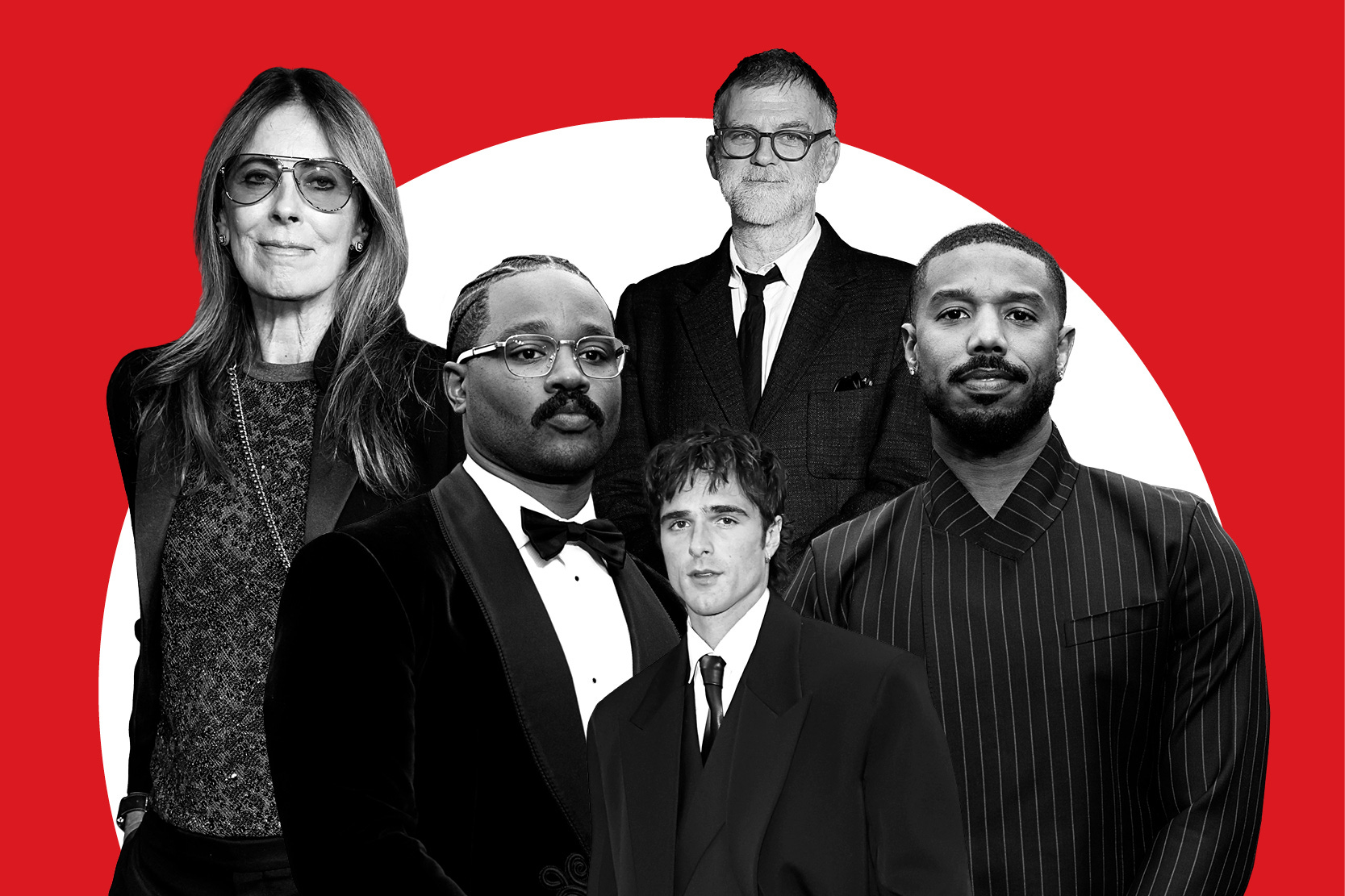
A significant generational shift happened at the Oscars earlier this year, and you may not have even noticed. Winning the best actress award for Anora, 25-year-old Mikey Madison (born in 1999) became the first member of Gen Z to win an acting Oscar.
Oscar nerds love to pass around stats about records being broken, very much including those related to age; I’m not sure everyone could tell you that Adrien Brody remains the youngest best actor winner (age 29, for The Pianist) and Anthony Hopkins the oldest (age 83, for The Father), but everyone regularly visiting Prestige Junkie Pundits probably could.
For some reason, though, we don’t talk as much about these generational shifts when one cohort begins to squeeze out another. Perhaps it’s because it’s so inevitable, and also so slow. New generations are being born all the time while older ones fade away. As much as Oscar voters sometimes have a reputation for clinging to the past, the actuarial tables will force their hands eventually. At the Oscars, the shift can be hard to notice, when you could have a breakthrough acting winner from one generation on an Oscar night dominated by another. Take Mira Sorvino, born in 1967, who became the first Gen X acting Oscar winner for Mighty Aphrodite in 1996, the same night that baby boomer director Mel Gibson (born 1956) reigned supreme with best director and picture wins for Braveheart.
These shifts don’t happen cleanly or without argument, but they do happen, and they help shape not only Oscar history but also the ever-evolving story that Hollywood tells about itself. In this year’s Oscar race, we’re continuing to see an ascendant Gen Z, while millennials settle into uncomfortable middle age, Gen X holds on to the power they’ve never fully claimed for themselves in other arenas and boomers… well, I promise we’ll find them in the mix somewhere. Let’s take a look at how it’s all breaking down.

Boomers (b. 1945-1964): Skarsgård, Penn, del Toro & More
In a Hollywood gerontocracy, there are, of course, going to be boomers in the mix of an Oscar race, though this year they’re far less visible — and not the ones you might expect. The boomer actor and director icons who are still working — your Steven Spielbergs, your Meryl Streeps — are sitting this year out, leaving a crop of contenders representing a generation they may or may not identify with at all.
The Iranian director of It Was Just An Accident, Jafar Panahi, was born in 1960 and technically qualifies as a boomer; so does Frankenstein director Guillermo del Toro, born in Guadalajara in 1964, and Sentimental Value’s best supporting actor contender Stellan Skarsgård, born in Gothenburg in 1951. I would be fascinated for a global historian to tell me how much the American conception of the baby boom overlaps with the history of Iran, Mexico and Sweden in the 1950s and 60s; for now, I will not try to guess.
There are a few American boomers in the mix as well, notably A House of Dynamite director Kathryn Bigelow (born 1951) and One Battle After Another supporting actor contender Sean Penn (born 1960), both of whom rose to fame in that Boomer-dominated era of 1980s Hollywood. It feels odd to lump Jay Kelly star George Clooney into this group, since he didn’t become a star until the 1990s, but the rules are the rules — he was born in 1961, so he stays.
Of all of the films in this year’s race, Sentimental Value may be the most connected to these questions of generational handovers and the lingering impact of the past. Skarsgård’s character, a Swedish film director whose most acclaimed work was in the 1980s and 1990s, is not only grappling with his fading glory days but also with family traumas that stretch back before he was born (during World War II) and even earlier. If Oscar voters are as interested as I am in how different generations communicate with and eventually replace each other, voting for Skarsgård’s performance in Sentimental Value could be a great way to show it.

Gen X (b. 1965-1979): One Battle, Ethan Hawke & Sandman
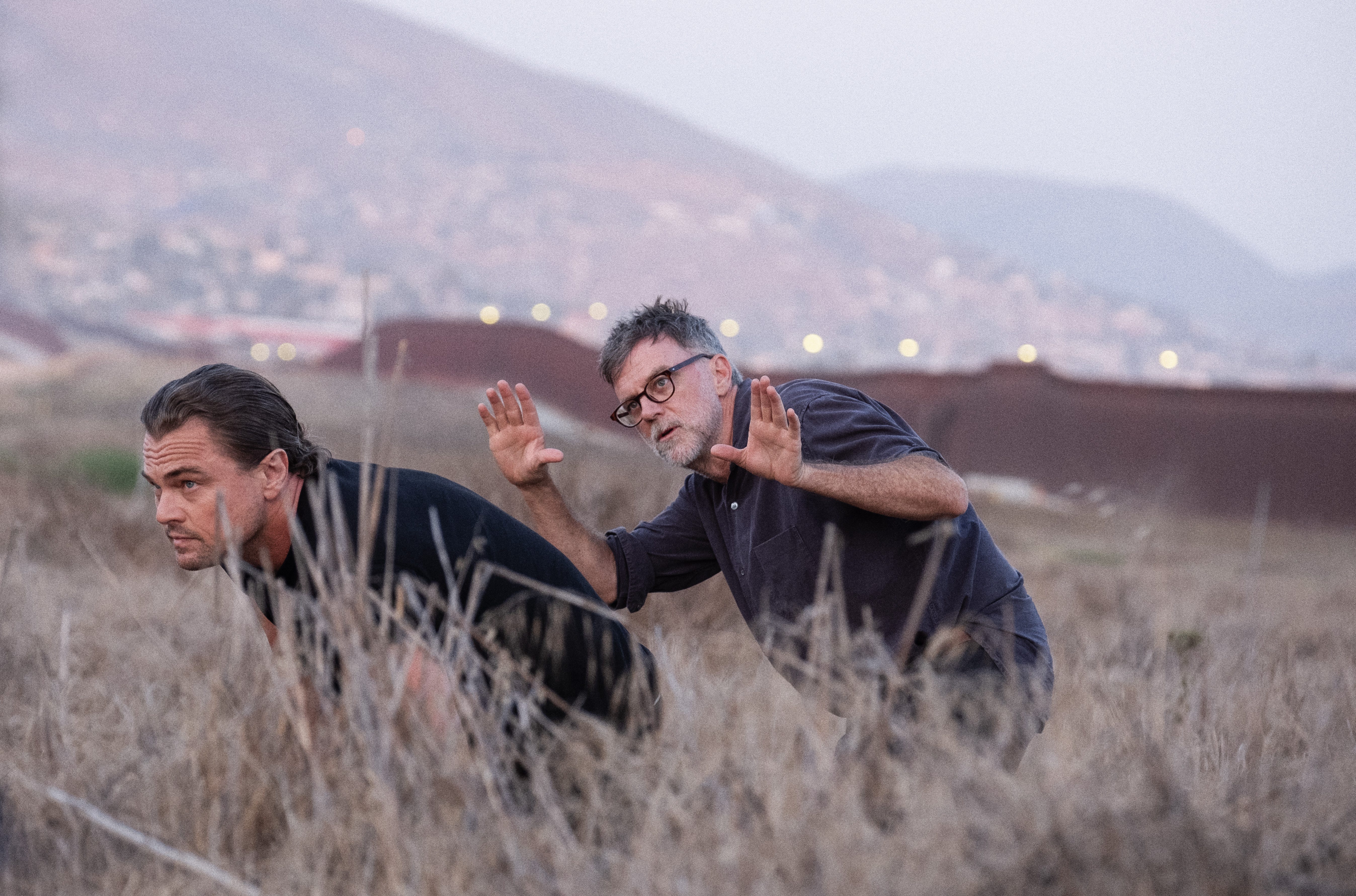
Usually claiming to be overshadowed or boxed out by the much larger boomer and millennial generations that surround them, Gen X has at least been getting its share of Oscar attention lately. The last two best director winners, Sean Baker (born 1971) and Christopher Nolan (born 1970), are both part of the group, while some of the most distinctively Gen X actors — Robert Downey Jr. (born 1965), Cillian Murphy (born 1976), Zoe Saldaña (born 1978) and Brendan Fraser (born 1968) — have won their first statues in recent years.
This year may well wind up being the peak of Generation X’s Oscar power, courtesy of two of the most famous members of the generation teaming up for the first time. Paul Thomas Anderson (born 1970) and Leonardo DiCaprio (born 1974) both catapulted into fame at a young age and have continued to define a kind of late-’90s rebellious cool, even as their careers have evolved. Coming together for the first time with One Battle After Another, Anderson and DiCaprio tell a story that’s quite literally about generations, with DiCaprio’s former revolutionary character, Bob, trying to protect his teenage daughter (Chase Infiniti) from his dangerous past (in the form of Penn’s problematic boomer general) while eventually accepting that she can take over the fight.
One Battle After Another may be the most overall powerful Gen X movie in this year’s mix — co-star Benicio del Toro (born 1967) helps that tally — but the generation is showing strength in plenty of other places. There are a lot of male acting contenders in the vicinity of 50, as I wrote about a few weeks ago, ranging from international stars Lee Byung-hun (No Other Choice, born 1970) and Wagner Moura (The Secret Agent, born 1976) to bona fide Gen X icons Ethan Hawke (Blue Moon, born 1970) and Adam Sandler (Jay Kelly, born 1966). Jay Kelly director Noah Baumbach (born 1969) may be the most definitive Gen X director working. However, I think we can apply for special consideration for Blue Moon and Nouvelle Vague director Richard Linklater, who was born in 1960 but feels uniquely tied to Gen X, thanks to his generation-defining films, including Slacker and the Before trilogy.

Millennials (b. 1980-1997): Coogler & Jordan, Zhao & Buckley
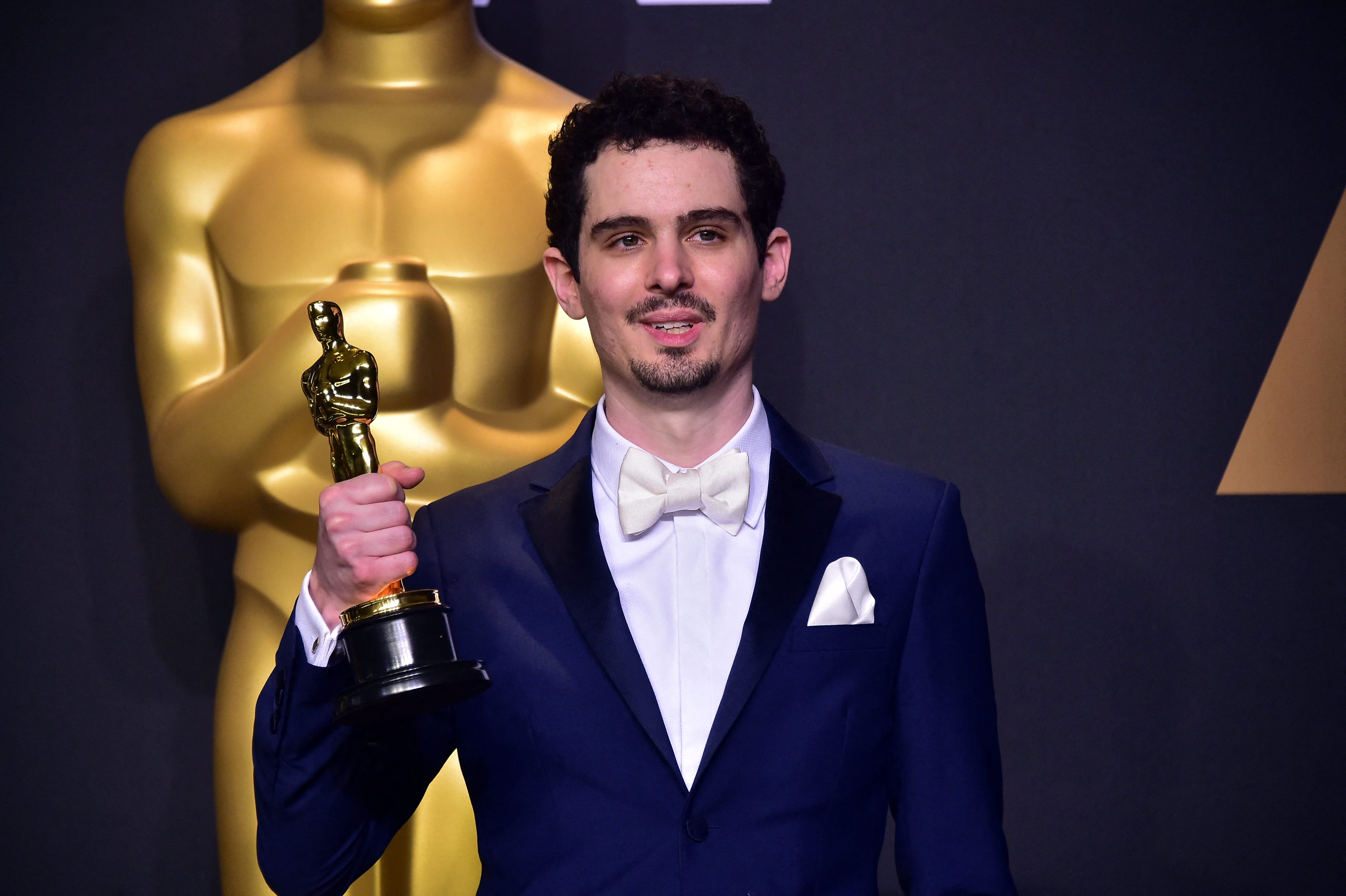
Now we come to my generation, with many of us well into our 40s but still relatively young by Oscar standards. Millennial actresses have been dominant for well over a decade — Emma Stone (born 1988) has won best actress twice! — but as is common with the Oscars, the men are mostly still stuck waiting their turn until they’re older. Earlier this year, Kieran Culkin (born 1982) became just the second millennial actor to win, following Daniel Kaluuya (born 1989). Both were in supporting categories; no millennial has ever won best actor.
This year, that could conceivably change, with Sinners star Michael B. Jordan (born 1987), Springsteen: Deliver Me From Nowhere lead Jeremy Allen White (born 1991) and Bugonia actor Jesse Plemons (born 1988) all very much in the best actor mix. The best actress race, as it has been for years, is crammed with millennial women, including returning winners Stone (Bugonia) and Jennifer Lawrence (Die My Love, born 1991) and returning nominees like Amanda Seyfried (The Testament of Ann Lee, born 1985) and Cynthia Erivo (Wicked: For Good, born 1987). The still-likely winner, Hamnet’s Jessie Buckley, was born in 1989.
What has captivated me most, though, and inspired this entire newsletter, is the strong presence of millennial directors in this year’s mix. Damien Chazelle was the first millennial to win the best director award, taking home the statue for La La Land in 2017 at the age of 32. He has since been followed by Nomadland director Chloé Zhao (born 1982) and the Everything Everywhere All at Once duo of Daniel Kwan and Daniel Scheinert (both born in the late 1980s). Only three other millennials — Greta Gerwig, Emerald Fennell and Brady Corbet — have ever even been nominated.
This year, Zhao will almost certainly be back in the mix for Hamnet and could become the youngest two-time winner since the early sound era. The even bigger milestone would be the long-awaited first nomination for Ryan Coogler (born 1986), who, along with Gerwig, is, to me, the definitive director of my generation. In theory, we could have an entirely millennial best director lineup: Mona Fastvold (The Testament of Ann Lee, born 1981), Josh Safdie (Marty Supreme, born 1984), Clint Bentley (Train Dreams, born 1985) and Zach Cregger (Weapons, born 1981) are all reasonable contenders. You’d have to snub Gen X-er Paul Thomas Anderson to make that lineup possible, which is practically impossible to imagine, but look, I’m just listing the options.
Whether or not any of these directors have explicitly made millennial films probably requires a whole other newsletter; unlike One Battle After Another, I’m not sure any of them are outwardly concerned with generational questions, though I do think Sinners’ blend of historical insight and thrilling genre could only have been made today (and Weapons has an undercurrent of generational warfare, where Gen Alpha is forced to clean up the mess left behind by those before them). It makes perfect sense, though, that just as my generation is moving into being definitively uncool, we have accumulated enough Hollywood power to dominate the Oscars.

Gen Z (b. 1997-2012): The Timmy Q
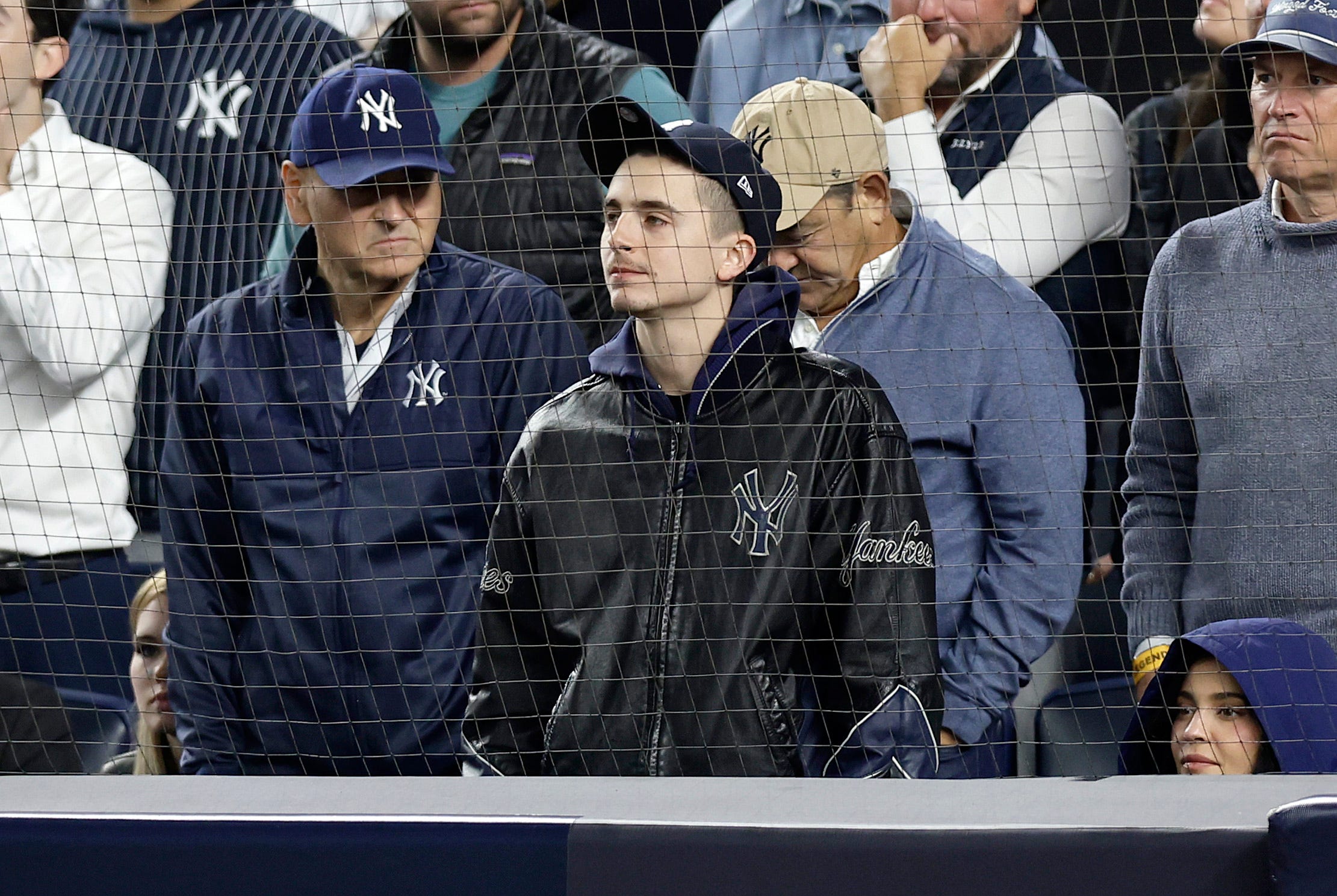
Is Timothée Chalamet part of Gen Z? It’s an important question, I swear, because the star of Marty Supreme could be on the verge of a best actor win, and though he’s just a smidge too old to beat Adrien Brody’s record, he could represent a real landmark for the generation that’s just now starting to take over the industry.
Born at the tail end of 1995, Chalamet technically qualifies as a millennial, but as with Richard Linklater, I think we might have to take an official vote to make an exception. On the brink of his 30th birthday, Chalamet is the definitive young star of the moment, his mastery of the internet and his movie choices working in perfect tandem to maintain his star power. Actors who are definitely part of Gen Z are all following his template to some extent. (Timmy, if you’re reading, please write in and let me know which generation you identify as part of; I will not rest until I know the answer: katey@theankler.com.)
Regardless, Chalamet would be the first millennial or Gen Z best actor winner. As for nominees, Gen Z has numerous options. In supporting actor, both Frankenstein’s Jacob Elordi (born 1997) and Hamnet’s Paul Mescal (born 1996 and already an Oscar nominee) could show up to represent the next wave, while best actress has hopefuls Sydney Sweeney (Christy, born 1997 and quite possibly the definitive member of Gen Z) and Chase Infiniti (One Battle After Another, born 2000).
If Infiniti wins best actress, she will be nearly the same age as Mikey Madison was when she won earlier this year, providing strong evidence that Gen Z has not only arrived on the Oscars stage, but is also here to stay. Then again, a One Battle After Another surge could lead to a whole slew of Gen X winners, including DiCaprio’s second Oscar, a sign that the older generation is not giving up their power yet. Like I said, these shifts never happen cleanly or all at once. With a lot of the country in a particularly retrograde mood, we’ll see how much the Oscars are ready to look toward the future.