

Meet ‘Ari’, the AI Talent Agent Helping 300 Actors
Reps, writers and execs now face a choice: embrace the bots or get left behind

I write about TV from L.A. I reported on the microdrama boom and the Hollywood players muscling in on the space, my latest Sellers’ Guides reveal what networks and streamers are buying now, and I wrote about Gen X Hollywood’s career crisis. I’m elaine@theankler.com

How was everyone’s Emmys night? Exciting evening for Apple TV+’s The Studio and HBO Max’s The Pitt, which took home the big prizes, and for Netflix’s Adolescence. I was at the Disney afterparty at Vibiana this year, a much more muted affair vs. last year’s fete when Bob Iger was holding court while The Bear folks celebrated. But hats off to the Found Oyster raw bar and the soft-serve station in the beautiful former cathedral.
The juxtaposition between the night’s two big winners feels like a snapshot of an industry at a crossroads: a starry streaming comedy from a prestige streamer and a more budget-friendly medical procedural that signals a return to the broadcast rhythms of yore. With its 15 episodes at a reported $6 million apiece, the drama starring Noah Wyle (who picked up his first-ever acting Emmy last night) represents the kind of show Hollywood wants to make more of and that audiences seem quite happy to return to.
Now that TV awards season is in the rearview, let’s keep an eye facing the future, with my latest dispatch from the frontlines of Hollywood’s sometimes uneasy, ever evolving relationship with AI…
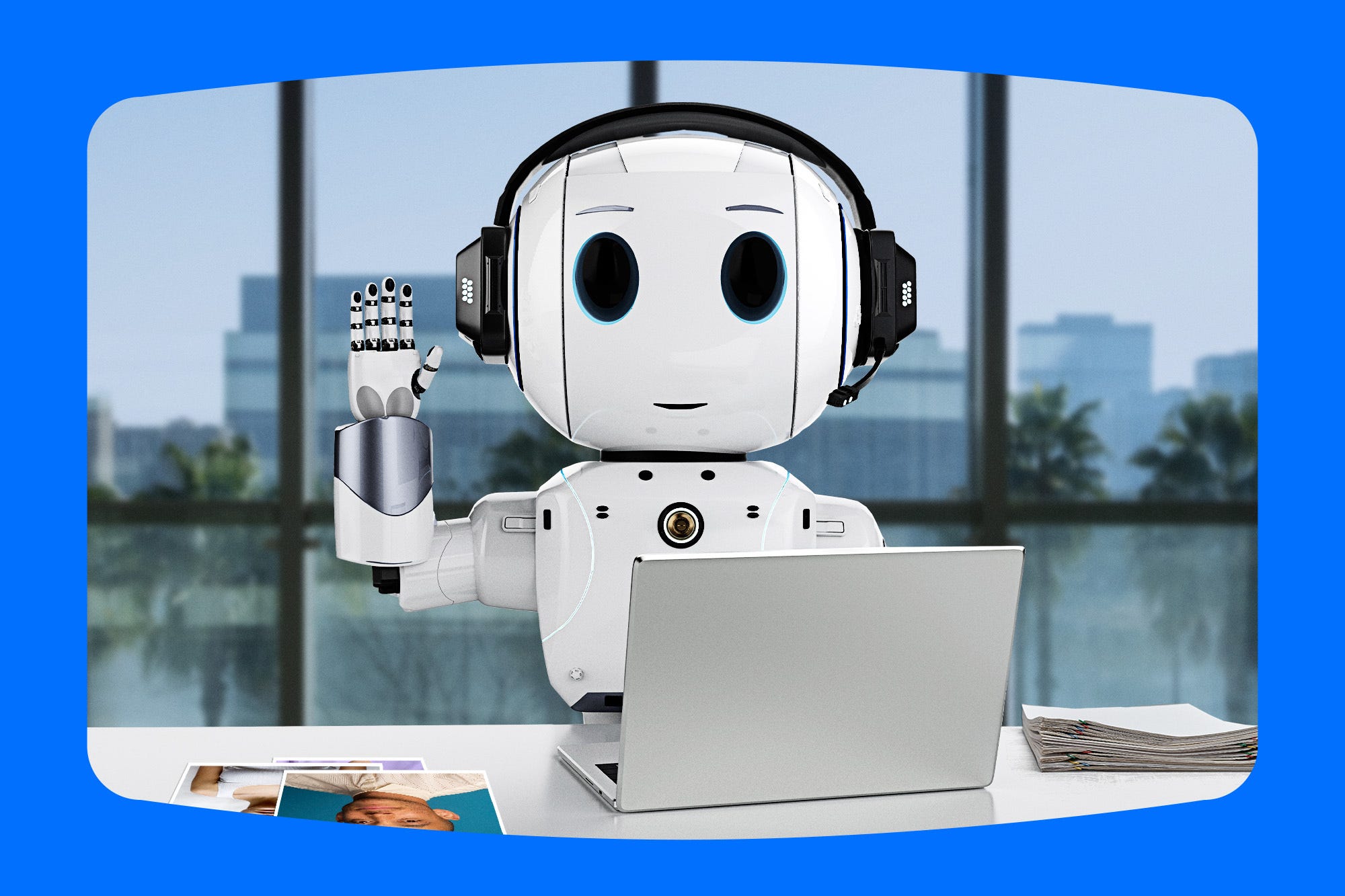
Ari Kang, an assistant at talent agency U-Shin Group Artists (UGA), is super supportive. He’ll take the time to help any of the NYC-based agency’s 300-plus actor clients memorize lines, and he’s even happy to style their outfits for a headshot photo session.
But ask him to fetch coffee for a meeting or pick up the boss’ dry cleaning, and he can’t pitch in. Not out of some Gen Z urge to draw professional boundaries — but because he’s not a real person. “Ari Kang” is an AI assistant created by UGA owner U-Shin Kim, who fed ChatGPT the firm’s training manual to create an AI assistant, programming its personality to be a mix of fictional Entourage superagent Ari Gold and the Korean American “son my parents wish they had raised — this Harvard MBA, JD grad,” he quips. “That's where I came up with ‘Ari Kang.’”
Kim customized his assistant (the 2.0 beta version is now just known as “Ari”) using the $20-a-month tier of Open AI’s ChatGPT — among other keyword inputs, Ari loves the ’90s NBA and kimchi BBQ nachos — so that his clients will be able to have access to him and the agency’s resources around the clock. Kim, whose clients include actor Lenny Thomas (Ruthless) and producer Martin Rosete (The Hive), knows it’s not a true replacement for human contact. If Ari’s response isn’t satisfactory, clients know they can text or email him directly, he says. But AI has been a helpful tool in rebuilding his business after the pandemic, when Kim went from having six agents and several assistants and interns to working with just one other agent, one assistant, and an intern who’s joining the company soon.
Artificial intelligence might just be the most contentious issue roiling Hollywood right now, fueling an existential crisis over whether the tech will have a destructive impact on art and entertainment or become a tool to democratize its creation. But quietly — and more quickly than most in the industry anticipated — AI is seeping into the everyday lives of those who work in entertainment, in sometimes worrisome but often mundane ways. WME uses AI-powered script coverage tool ScriptSense (Erik Barmack has written about this), multiple agencies use tools like Loti and Vermillio to protect clients’ likenesses, industry-standard animation software Storyboard Pro is beta-testing AI tools to automate some repetitive tasks, and writers are bouncing ideas off ChatGPT and other models — even if they don’t want to tell anyone they are.
For Kim, 48, who is dyslexic, ChatGPT has been a major help in crafting emails, taking voice dictation and other aspects of a job that require him to “work in a sea of words.” Without it, “writing an email that was like half a page would take me, like, two hours or three hours,” he says. “It’s crazy.”
For today’s column on the spread of AI in the industry, I spoke to Kim; one of his clients client who has worked with AI Ari; a CEO whose company’s AI-powered tools are used throughout Hollywood; and respondents to my survey about how all of you use and feel about the tech.
Read on to learn:
How Kim plans to scale his client roster from 300 to 1,000 with AI
What actors really think of Ari — and why a few walked away
My test drive: where Ari nails the job of a human and where it fails
How one exec has made ChatGPT part of their routine — and their concerns about the tech’s risks
The limits of LLMs in creative work
How the makers of Hollywood’s top coverage and finance tools decide when to embed AI
This column is for paid subscribers only. Interested in a group sub for your team or company? Click here.
For full access and to continue reading all Ankler content, paid subscribers can click here.