

AI is Stealing Your Client’s Name, Image & Likeness. You Can Win
As deepfakes surge, Vermillio’s Dan Neely helps reps and studios achieve control, compensation and IP value in a new Wild West

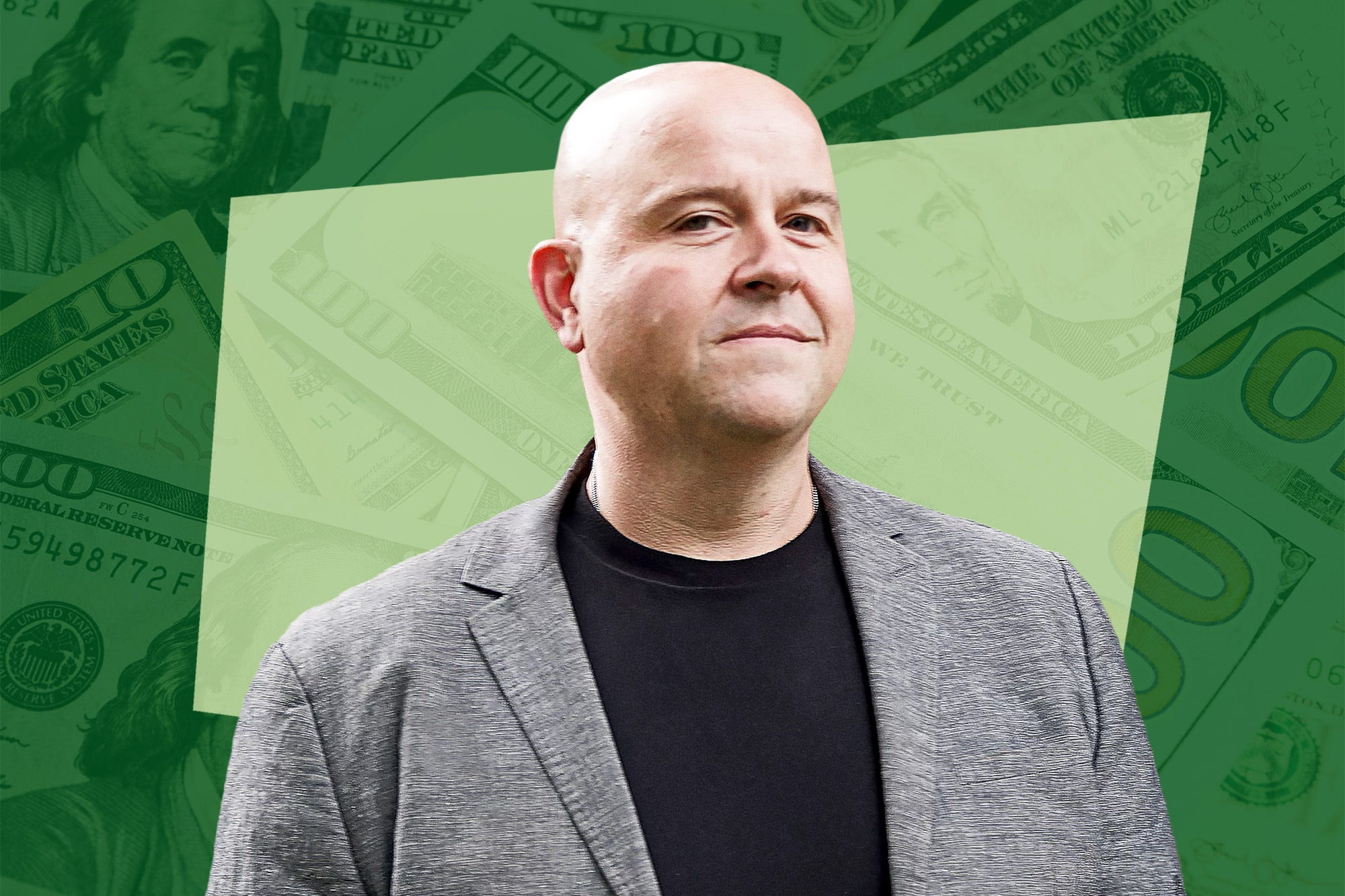
I write about agents, lawyers and top dealmakers for paid subscribers. I reported on the likely org chart and deals ahead at “New Paramount” and wrote a three-part series about the new state of TV deals including the scoop on Apple’s new backend for writers.

Six years ago, when Dan Neely and his team raised the alarm that emerging tech could help bad actors create content using copyrighted material and famous likenesses, it seemed like science fiction. Back then, deepfakes were a nuisance — in 2019, there were 18,000 deepfakes globally — but with the explosion of AI tech, this year alone there were roughly 2 trillion generative creations (that includes anything made with gen AI: art, music, chatbot responses, etc.).
“People thought we were crazy, but we recognized that we needed to build a new version of the guardrails to the internet,” says Neely, 48, who’s been working in the artificial intelligence sector for more than 20 years and founded Vermillio in 2019. (Previously he led Networked Insights, a machine learning software company backed by Goldman Sachs that helped brands like Samsung, Yum Brands and Ford analyze marketing investments.)
A 50-employee company based in Chicago, Vermillio partners with companies including Sony Music Entertainment and WME (as the agency’s Chris Jacquemin shared with my colleague Elaine Low earlier this year) and has helped hundreds of stars protect their name, image and likeness in the AI era — a new Wild West of content creation (and sometimes piracy) that we now know isn’t a sci-fi dystopian fantasy by any means. (Similar companies, including Loti, also partner with agencies in the AI whack-a-mole game.)
“Remember when we started with email? We never thought about spam. Then all of a sudden someone was asking me to donate money to some prince,” Neely says. “We then got comfortable with it because we had ways to protect ourselves.”
He sees a similar path with AI — people feeling protected, he believes, is the key to both humans and the tech thriving as its capabilities evolve. Vermillio’s marquee product, TraceID, scans the internet in real time for unauthorized uses that violate copyright, as well as deepfakes and fake accounts, and then identifies licensing opportunities.
Neely’s team shows stars how their fame is being leveraged — how much potential money they’re leaving on the table with AI companies that would pay to be in business with them. From there, a star or a company can choose to license their name, image and likeness to one of these platforms, and Vermillio is then able to track and make sure those platforms are delivering as promised and not overstepping how they're allowed to use the person's voice or image.
Earlier this month, Neely started giving away TraceID for free.
“If we had decided to do this three years ago we would have been bankrupt as a company within six weeks,” Neely says. Vermillio's work for people like Steve Harvey, electronic music group The Orb and David Gilmour of Pink Floyd (in partnership with Sony Music), plus confidential WME clients — along with offering enterprise licensing of its TraceID software at $4,000 per month — allowed the company to offer an entry-level version of the tech to all 7 billion people globally who have smartphones, give or take. The $16 million Series A funding round led by Sony and DNS Capital earlier this year also opened the door to this “freemium” model, where the company upsells additional features.
“It’s great that we can do it for famous people and amazing intellectual property,” Neely says, but making the product more widely available “is about protecting a human right.” For those with higher risk (see the meter below) who want more than the free tier, there are $10 and $99 per month plans, which include monthly threat reports and a limited number of takedown requests. Those “DMCA takedowns” (so named after the Digital Millennium Copyright Act) are executed by Vermillio’s tech. (If a client has a more elaborate legal complaint against a platform, they’d turn to their lawyers.)
I caught up with Neely fresh off his free TraceID announcement to talk about how Vermillio is helping shape the relationship between Hollywood and AI and how dealmakers can maximize opportunities for stars and studios.
From our conversation, edited for length and clarity, you’ll learn…
The surprising value in library content, catalogs, and even B-roll
Four things every rep should watch for in AI deals — including the fine print
How much unauthorized chatbots are earning from celeb voices and likenesses
Why platforms won’t stop deepfakes — and who has to instead
The key types of AI licensing deals, and where the big money is flowing now
Why low-effort AI work isn’t translating to lower pay for talent
Why Hollywood is right to brace for “the end of certain types of jobs”
The learning curve for industry dealmakers
How “getting comfortable with pennies” is Hollywood’s key to monetizing this tech
 | A guest post by
|