

Hollywood Syllabus: What to Read (and Watch) Before Opening Your Mouth
Franklin Leonard, R.J. Cutler, Lorenzo di Bonaventura, Sarah Schecter and more share their essential curriculum for not embarrassing yourself — as do I


Welcome to my first collection of The Hollywood Syllabus — a project I’ve had underway for a few months now, and wanted to finally compile and share this first batch all in one place.
It has occurred to me for some time that one of the bedrock problems of our industry is the lack of a shared history, language and experience among the people who make entertainment these days. To some extent, that’s a natural part of a medium whose essence is novelty, the new, the current. Culture isn’t about honoring the past so much as grabbing the ball wherever it is and running with it.
It’s also a byproduct of working in an industry that is not taken with as much general seriousness as, say, politics, engineering or petroleum. Our population might be falling under the spell of general ignorance, but few young people come to Washington without knowing what the Declaration of Independence is. (Or, maybe these days, they do…)

In any event, while a vast blank space between one’s ears does bestow a certain creative freedom, there is an entire century of things that have been done and have worked — things that have been tried and failed, an entire language of the entire medium of filmed storytelling — that you’re missing out on.
So to try and build those common shared references, I’ve been trying to establish a curriculum for entertainment makers — the things that every Hollywood professional should have under their belts before they walk into The Room, step on a set or open their mouths in a meeting.
Each week on The Rushfield Lunch (Wednesdays at 11 a.m. PT; join us on Substack Live), I talk to some of the wisest, most thoughtful artists and world-shakers out there — from filmmaker Lena Dunham and author and reality television legend Parvati Shallow to The Black List founder and CEO Franklin Leonard and writer Priyanka Mattoo — about the state of our culture. We try to get to the bottom of what exactly is the matter these days, why and how we can start fixing it.
At the end of each session, I ask my guest to give me their syllabus for Hollywood — the things they would assign as required reading, watching or imbibing for everyone who contributes to this industry. I make it clear they can assign anything they want, and the responses have been fascinating.
I have also included the responses from my Mavens series of wise-people interviews on the state of Hollywood — interviews with producers Lorenzo di Bonaventura, Colin Callender and Sarah Schechter, filmmaker R.J. Cutler and executive Jon Glickman — where I gave them all the chance to assign as well.
Some have stuck to their areas of speciality, while others have offered expansive line-ups. Of this first batch, everything that’s been recommended is extremely essential, and I advise you to start today working through the list! (If you want to check out my own recommendations for the first time, read through to the end.)
You will be tested, and yes, this does count towards your final grade.
Herewith, the essential reading/watching list from:
Franklin Leonard
Jon Glickman
Sarah Schechter
R.J. Cutler
Lorenzo di Bonaventura
Colin Callender
Lauren Greenfield
Priyanka Matteo
Joshuah Bearman

Franklin Leonard (Founder & CEO, The Black List)
Franklin Leonard is the founder and CEO of The Black List, which started in 2005 as an annual survey of Hollywood’s best unproduced scripts and has grown into a resource that connects thousands of writers to industry members around the world. When I asked Franklin for his syllabus, he created an entire nine-week course (“I may have gotten carried away,” he wrote later).

WEEK 1 — It’s all story. We’ve been doing this for thousands of years.
Bulfinch, Thomas. Bulfinch’s Mythology: The Age of Fable, The Age of Chivalry & Legends of Charlemagne
Hamilton, Edith. Mythology: Timeless Tales of Gods and Heroes

WEEK 2 — Myths, Monomyths, and Miseducation.
WEEK 3 — The Psychology of Storytelling
Lindsay Doran’s lecture on the The Psychology of Storytelling, which was profiled here in the New York Times. The video below is an abbreviated version and does no real justice to the actual lecture. From time to time, The Black List has hosted it at the Writers Guild Theater in Beverly Hills, and we hope to do so again soon. If there was only one thing I would require for everyone working in Hollywood, it’s probably this lecture. If you ever have the chance, wherever and whenever it is, do not miss it.
Screenwriter of Little Miss Sunshine and Toy Story 3 Michael Arndt on Endings: The Good, The Bad, and the Insanely Great.
WEEK 4 — Just Do It
Vachon, Christine. Shooting to Kill: How an Independent Producer Blasts Through Barriers to Make Work that Matters
Lee, Spike, Spike Lee's Gotta Have It: Inside Guerrilla Filmmaking (Not available on Bookshop, sadly)
Coel, Michaela. “James MacTaggart Lecture.” Edinburgh TV Festival, 2018
DuVernay, Ava. “Filmmaker Keynote Address, Film Independent Forum.” Film Independent, 28 Oct. 2013. (What I love about this one, specifically, is that this is Ava DuVernay before Selma, before When They See Us, before Queen Sugar, before Array. And knowing what we now know about what she’s accomplished in the last twelve years, it hits with incredibly concussive force. You’ll see what I mean.)
WEEK 5 — Final Drafts and Final Say
A rare departure from recommending actual paper books here to recommend listening to these, both read by the men themselves. Once you do, it will be obvious why.
WEEK 6 — Once Upon a Time… On a Quarterly Earnings Call
The 2009 Netflix Culture deck (You’ll have to download it via SlideShare/Scribd)
Hastings, Reed, and Erin Meyer. No Rules Rules: Netflix and the Culture of Reinvention
Katzenberg, Jeff. Memorandum: Some Thoughts On Our Business. 1991
WEEK 7 — Don’t Tell Me The Odds
Lewis, Michael, Moneyball: The Art of Winning an Unfair Game
Taleb, Nassim Nicholas. Black Swan: The Impact of the Highly Improbable
WEEK 8 — The Usual Suspects
Freeman, Jo. “The Tyranny of Structurelessness.” JoFreeman.com
Dunn, Jonathan, Sheldon Lyn, Nony Onyeador, and Ammanuel Zegeye. “Black Representation in Film and TV: The Challenges and Impact of Increasing Diversity.” McKinsey & Company, 11 Mar. 2021
Anything from the Annenberg Inclusion Initiative
WEEK 9 — Shameless Self-Promotion
Leonard, Franklin. The Book I’m Working On Now, In Earnest, I Promise. If anyone would like to pay me to write it, please do get in touch.

Jon Glickman (CEO, Miramax)

Jon Glickman is the current CEO of Miramax and a former president of the MGM Motion Picture Group. In the ’90s, Glickman got his start at Caravan Pictures under Joe Roth. By 2002, he became president of production at Spyglass Entertainment. Among the movies Glickman has produced are Rush Hour and its sequels, Shanghai Noon and Shanghai Knights and 27 Dresses.

My first category would be the best movie and the best book about Hollywood. The best movie about Hollywood is Sunset Boulevard. It’s timeless. It’s perfect. It’s as relevant today as it was when it was made. It would be too edgy if it were made today. The fact that it was made in 1950 is astonishing. But it’s also about the perils of not adapting to change in the business, which can be deadly if you watch that film.
And that’s paired with he best book about Hollywood, which is City of Nets by Otto Friedrich. I love that book. It’s about idealists who moved to Los Angeles in 1940, and by the end of the decade, the town had evolved into the corporate town that we see today. It’s gossipy, it’s fun, it’s historical. You’ve got characters like Charlie Chaplin, Bertolt Brecht and Ronald Reagan all mixed in the same soup. And it shows how culture is defined by the world’s changing global situations and vice versa, and it is certainly relevant to today’s moment.
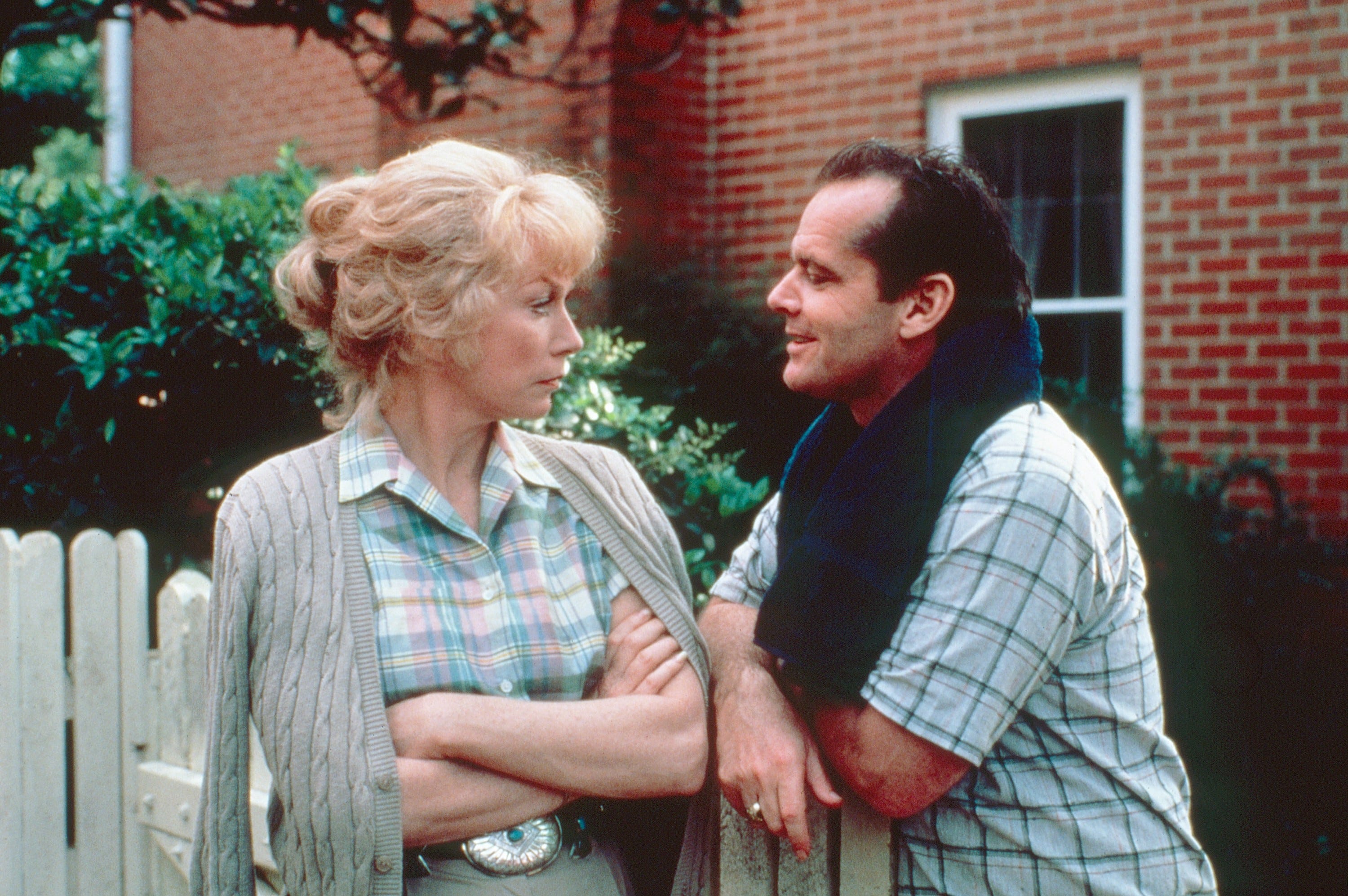
There are two podcasts that I’d recommend. One, I’m sure most of the people in your readership have heard of, is You Must Remember This by Karina Longworth. But in particular, the season that she focuses on Polly Platt. It’s beautiful, and it’s incredibly empathetic and just a gorgeous story about somebody who was behind the scenes in Hollywood, not necessarily one of the bold-faced names people remember, but was responsible for everything from The Last Picture Show to The Simpsons to Terms of Endearment to Bottle Rocket. It’s a story about the sacrifices that someone like that had to make in order to have that influence in the business. It’s beautiful.
The other podcast is A History of Rock Music in 500 Songs by Andrew Hickey. He’s this British guy from the Midlands and England who, all alone, is telling the story of culture from 1937. He’s up to 1970 now. I thought I knew everything about pop music or rock music. I know nothing after listening to him, and the way he tells the story, like Karina, is just beautiful. I mean, the guy deserves the Nobel Prize for what he’s doing. In my opinion, it’s a must-listen. It has incredible relevance to Hollywood.
Then the last recommendations are books, which I think show the two sides of the business. One book is by Robert Cialdini — Influence: The Psychology of Persuasion. It’s by a professor, and it’s about how to create leverage, especially when you don’t seem to have the opportunity to have any. And it’s essential for anybody coming into the business, because the entire navigation of the business is about how do I convince them to do something that doesn’t seem like it’s in their best interest to do. I make sure every intern reads this book when they leave. It’s the best instructional book on how to succeed that I’ve ever read.
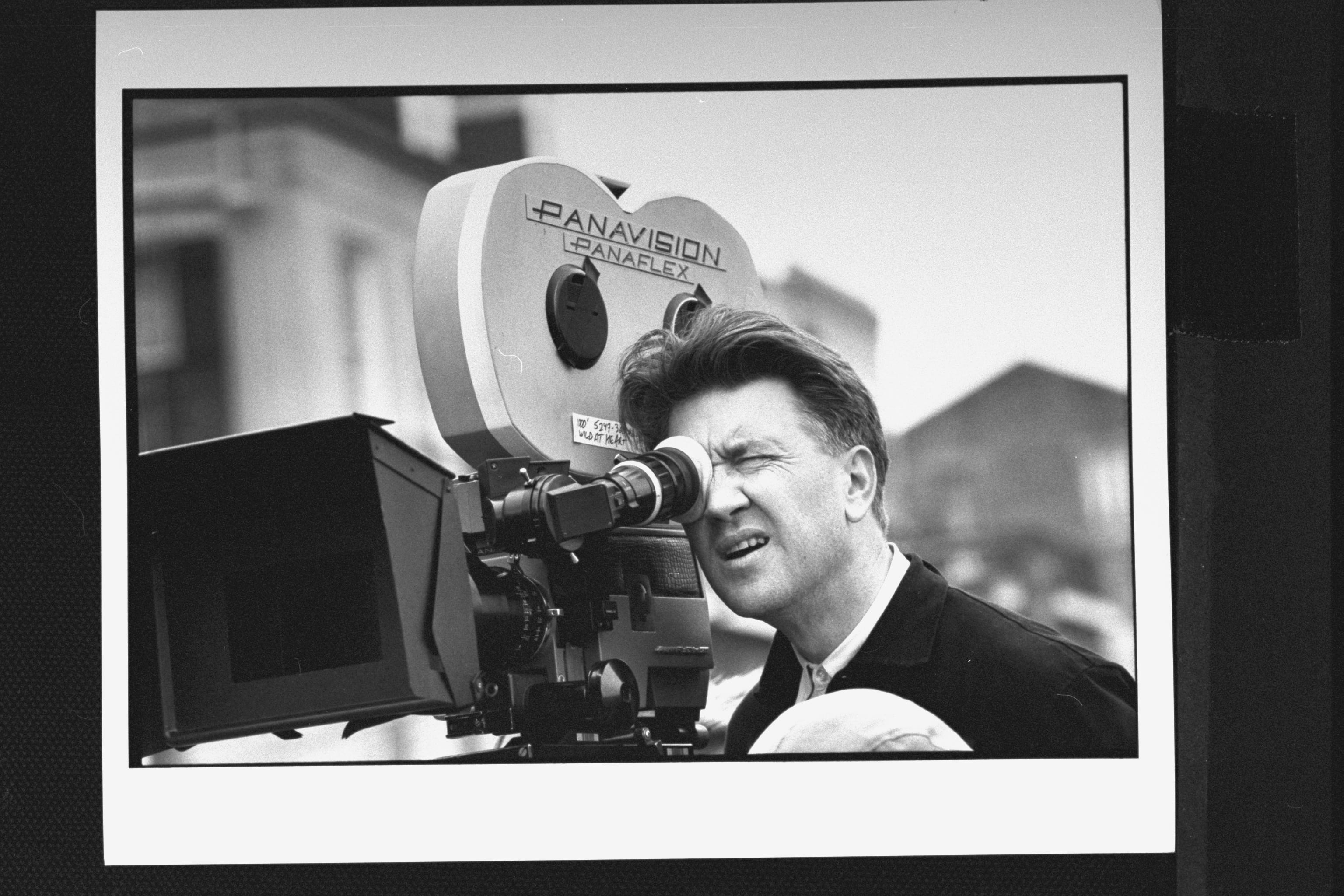
Then I pair that with Catching the Big Fish: Meditation, Consciousness, and Creativity by David Lynch, which is kind of an autobiography and a journey through his meditation, but it’s really sort of an artistic journey about how to find an inspiration in this business and life, and so I think those work well together.
Sarah Schechter (Chair, Berlanti Productions)

Sarah Schechter is an Emmy-nominated producer who got her start in the industry working for Oscar-winning documentary filmmaker Barbara Kopple in New York before moving to Los Angeles, where she worked with producer Barry Mendel on the Wes Anderson movies The Royal Tenenbaums and The Life Aquatic with Steve Zissou. In 2005, Schechter became an executive at Warner Bros., where she worked for years (notable projects include the Oscar-winning Her from Spike Jonze) until, in 2014, she was named president of Greg Berlanti’s production company, Berlanti Productions. In 2020, as Schechter had 17 scripted shows on the air simultaneously, she was promoted to partner and chair at Berlanti Productions.

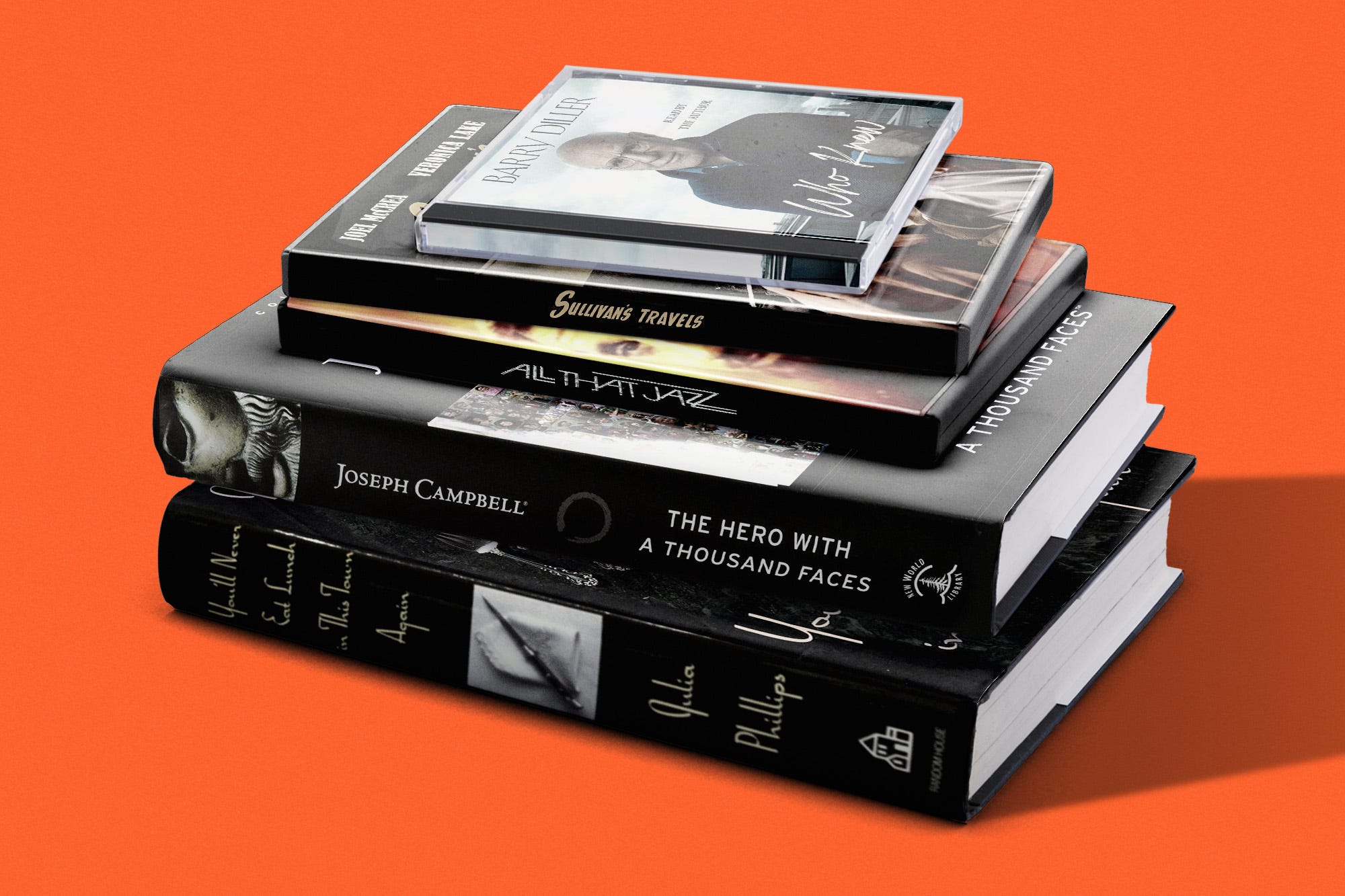
Who Knew, by Barry Diller. I thought his book was great about both success and failure, and how you just keep going. Because this business is closest, probably, to baseball, where you are a superstar if you're succeeding 30 percent of the time.
Watch Sullivan’s Travels and All That Jazz.
I really love oral histories of television. Tinderbox: HBO’s Ruthless Pursuit of New Frontiers, the oral history of HBO, I thought was really interesting. You start to see that it's almost like companies have souls. They have continuous debates forever.
I will also do a shout-out to the women producer/trailblazer books, which I read when I was starting out. You’ll Never Eat Lunch in this Town Again by Julia Phillips, Hello, He Lied & Other Tales from the Hollywood Trenches by Lynda Obst and Dawn Steele’s They Can Kill You…but They Can’t Eat You.
And then I think, just because you should, you should read a lot of Joan Didion.
R.J. Cutler (Documentarian, Martha)

R.J. Cutler is an Emmy Award-winning documentary filmmaker who started his career working with legendary documentarians D.A. Pennebaker and Chris Hegedus, producing the pair’s seminal 1993 political doc The War Room. In the years since, Cutler has won acclaim for his frequent, no-holds-barred portraits of culture figures, including Anna Wintour (The September Issue), Vice President Dick Cheney (The World According to Dick Cheney), Billie Eilish (Billie Eilish: The World’s a Little Blurry), Elton John (Elton John: Never Too Late), and Martha Stewart (Martha).
Sullivan’s Travels (1941, Preston Sturges)
Network (1976, Sidney Lumet)
All That Jazz (1979, Bob Fosse)
You’ll Never Eat Lunch in this Town Again (1991, Julia Phillips)
Final Cut (1999, Steven Bach)
Lorenzo di Bonaventura (Producer, Transformers)

Lorenzo di Bonaventura has been a central figure in Hollywood for the better part of three decades. First, as an executive, he served as president of production at Warner Bros. in what was one of the studio’s golden ages, presiding over the making of The Matrix, among other pantheon films. After leaving the studio, he became one of the few executives to defy the odds by transitioning into a powerhouse independent producer, whose titles include the Transformers and G.I. Joe movies.
Watch the pilot of NYPD Blue. It’s perfect. It also reminds you that you can be bolder in characterization and wistful for the edgy choices of that time.
Read the book Empire of Their Own. It thoroughly explains why the background of the founders of the movie business established a way of doing business that we live with today.
Watch The Deer Hunter. Its understanding of the American psyche is profound, and its depiction of the intensity of violence and terror is without parallel. Yes, it has its controversies, but the lessons I have garnered from watching that movie over and over have deeply influenced whatever my creative contributions are to any particular project.
Read Team of Rivals by Doris Kearns Goodwin. When I read it, I realized that the lens on Lincoln’s approach to his cabinet is precisely how a well-functioning studio (like WB under Daly and Semel) should be run.
Watch Cool Hand Luke and The Godfather and realize what perfection is!
Colin Callender (Former President, HBO Films)

A longtime award-winning producer of acclaimed stage shows and television series, Colin Callender had his breakthrough with the Emmy-winning 1983 adaptation of The Life and Adventures of Nicholas Nickleby. Following the massive success of that production, he moved into a top job at HBO, becoming executive producer of the then-cable network’s newly formed East Coast production unit. At HBO, Callender was responsible for shepherding a plethora of hits, including the Emmy-winning miniseries Angels in America from Mike Nichols, Empire Falls with Paul Newman, and John Adams.
Read Ways of Seeing by John Berger. Based on his TV series of the same name, the book explores how art (and by extension, television drama) reveals the social and political systems in which it was made.
Watch Kes by Ken Loach. Ken Loach’s 1969 seminal coming-of-age drama set in working-class England. A bitingly authentic study of a young man trying to find his place in the world, brilliantly rendered with comedy and tragedy in equal measures.
Watch The Sopranos on HBO. A brilliant character study of a deeply flawed central character and the impact he has on everyone around him. A bold masterclass in dramatizing the intersection of the gangster and family drama genres, fearlessly interspersed with brutal violence and raucous humour.
Buy Playing Shakespeare on physical media. A TV series based on acting workshops with Oscar winners Judi Dench, Ben Kingsley, Peggy Ashcroft and Ian McKellen conducted by the Royal Shakespeare Company’s John Barton, exploring how to make Shakespeare accessible to modern audiences, without compromising the text’s integrity.
Read The Hero with A Thousand Faces by Joseph Campbell. Campbell explores and discusses his theory of the mythological structure of the journey, the archetypal hero found in classic myths that more recently influenced the work of directors like George Lucas and Stanley Kubrick.
Read Jeffrey Katzenberg’s 1991 memo to Disney senior management. Katzenberg’s reflection on how to run a studio in the wake of a string of Disney movie failures. It’s interesting to read about this over 30 years later, in the context of the current state of the movie business.
Watch Tony Kushner’s 1991 NYU Career Day speech. Kushner’s brilliant but blunt speech to a class of aspiring writers about the challenges of starting your career as a writer. However, it could equally apply to any career in film or television.
Read the Birt-Jay articles. A series of articles published in The London Times by TV journalist John Birt and The Times journalist Peter Jay about the “bias against understanding” in television news and its failure to provide context for the stories of the day. Remarkably prescient given the current challenges facing 24-hour TV news channels.
Lauren Greenfield (Director, Social Studies)
An Emmy nominee this year for the FX docuseries Social Studies, filmmaker and photographer Lauren Greenfield has made several impactful documentaries, including The Queen of Versailles and Generation Wealth.
Adolescence (2025, Stephen Graham and Jack Thorne)
The Anxious Generation (Jonathan Haidt)
Sans Soleil (1983, Chris Marker)
Stories We Tell (2012, Sarah Polley)
The Painter and the Thief (2020, Benjamin Ree)
Anselm (2023, Wim Wenders)
All the Beauty and the Bloodshed (2022, Laura Poitras)
Deaf President Now! (2025, Nyle DiMarco and Davis Guggenheim)
John Lewis: Good Trouble (2020, Dawn Porter)
Mr. Nobody Against Putin (2025, Pasha Talankin and David Borenstein)
Priyanka Mattoo (Writer, Producer, Ex-Agent)
Priyanka Mattoo is a former agent at UTA and WME who later partnered with Jack Black at their production company, Electric Dynamite, and produced Black’s comedies The D Train and The Polka King, among other projects. She also founded the first-ever all-female podcast network, Earios, has written guest essays for the New York Times and wrote the 2024 memoir, Bird Milk & Mosquito Bones.
Unwinding Anxiety (2021, Judson A. Brewer)
How to Do Nothing (2019, Jenny Odell)
“Jessica Bendinger on How I Write” (2004)
Tampopo (1985, Juzo Itami)
Feel Good (2020, Mae Martin)
Joshuah Bearman (Writer/Producer)
A writer and producer, Joshuah Bearman started his career in journalism and has written for publications including Wired, New York, The New York Times Magazine and The Believer. Joshuah reported the Wired story that became the Oscar-winning movie Argo and several other notable works, including a recent first-person account for New York about the devastation in his hometown of Altadena after the wildfires earlier this year.
Some great journalism about the film business…
Picture (1952, Lillian Ross)
The Studio (1969, John Gregory Dunne)
Premiere story from the set of David Lynch’s Lost Highway (1996, David Foster Wallace)
Some great films about journalism…
His Girl Friday (1940, Howard Hawks)
All the President’s Men (1976, Alan J. Pakula)
The Insider (1999, Michael Mann)

Richard Rushfield (Co-owner, Ankler Media)
Finally, I couldn’t resist adding my own first syllabus to the batch, which I’ll keep short because I know we’ve given you a lot of homework already. (I’ll have more with batches to come, don’t worry.)
My Hollywood Syllabus is entitled: With Best Intentions.
It consists of a couple of stories where all the king’s geniuses and all his bean counters had lined up everything perfectly so that it couldn’t go wrong. And then disaster fell. These films and the books that document their making are reminders that the gods of entertainment can be cruel and fickle, so the most important weapon you will need is humility — especially in the face of a medium where You. Just. Never. Know.

CASE STUDY 1: The Icarus Auteur
In the 1970s, Hollywood had a magic gift of churning out brilliant young homegrown directors, who would make highly personal films that became critical and box office supernovas: Coppola and The Godfather and William Friedkin and The Exorcist, down to Spielberg and Jaws and Lucas and Star Wars. And after 1978, Michael Cimino looked like the latest in this line.
His second feature, The Deer Hunter, was a sprawling, three-hour plunge into darkness showing a group of working-class friends devastated by the Vietnam War — at that time only a few years behind us. It won five Oscars, including best picture and best director for Cimino. It was the ninth highest-grossing film of a fairly spectacular year (the top three films in North America were Grease, Superman and National Lampoon’s Animal House). Cimino was as sure a bet as there was to be the next big thing.
United Artists landed Cimino’s next film, an even more sprawling revisionist Western about a war between cattle barons and settlers in 1890s Wyoming. The result was one of the most contentious battles ever waged over a production with budget overruns at levels no one could have imagined possible at the time, resulting in a film initially deemed unreleasable and whose box office collapse made it the rare movie to take down an entire studio.
Critical opinions of Heaven’s Gate have waxed and waned since. These days, most would argue, whatever its faults — and by conventional markers, there are many — the film contains some of the most breathtaking, awe-inspiring pieces of filmmaking ever recorded, sequences that make it hard to fault anyone involved for a film that just tried to do so much it broke the process.
So for this first one, I assign you to watch Heaven’s Gate as a study in sprawling uncontainable ambition, and hope that you ever can be involved with creating anything a tenth as extraordinary as pieces of this film are — and hope that the process doesn’t destroy you.
And then read Final Cut, by former UA exec Stephen Bach, a jaw-dropping book and the best account of a runaway production ever recorded.

CASE STUDY 2: Systemic Gridlock
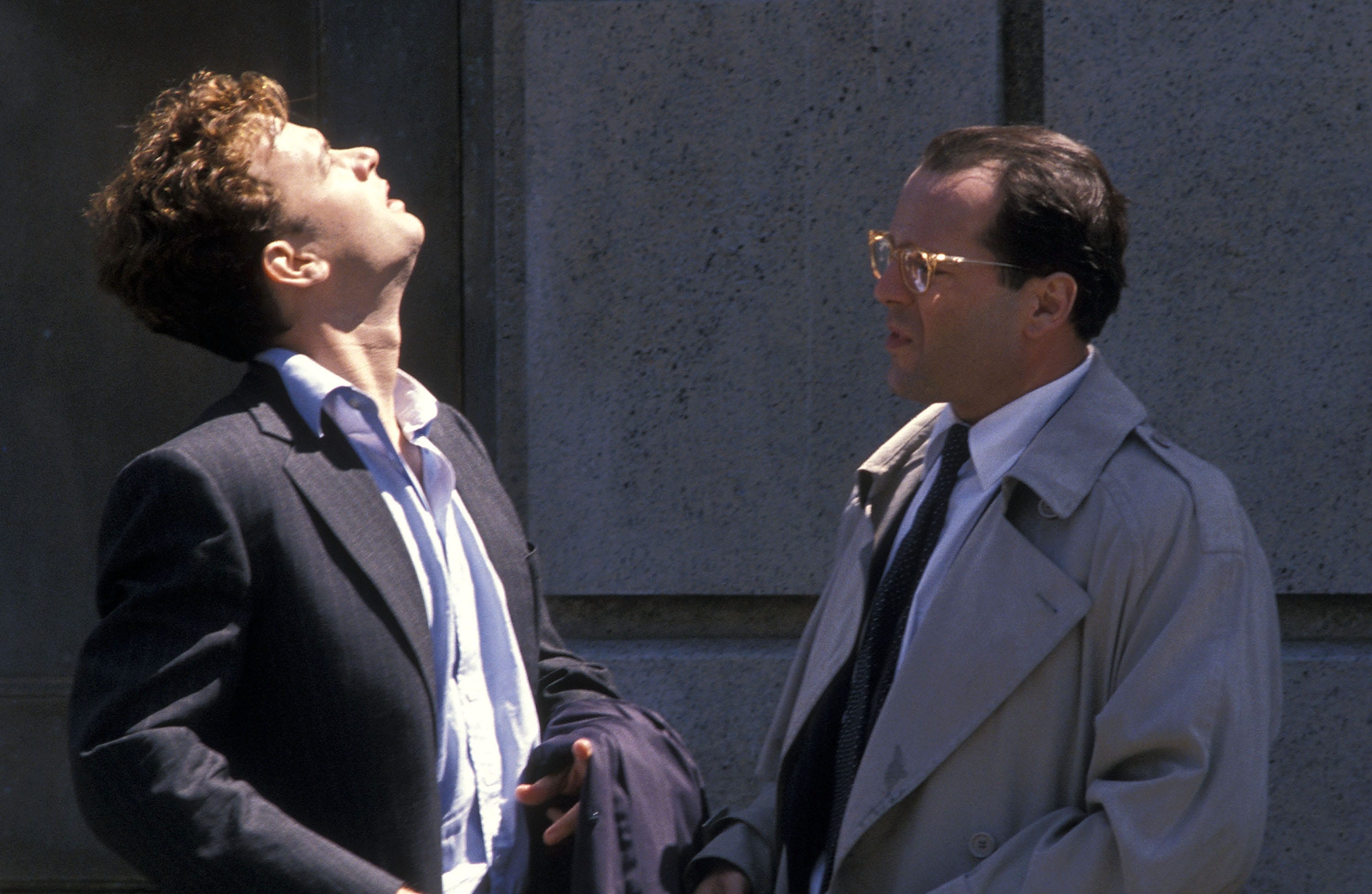
Some projects just have too much going for them. If ever a movie seemed genetically engineered for blockbusterdom, it was 1990’s Bonfire of the Vanities. Based on Tom Wolfe’s humongous best-selling novel (probably the most talked about book of the decade), directed by Brian De Palma (one of the most talented craftsman ever to guide a film), starring Tom Hanks, Bruce Willis and Melanie Griffith (likely the three hottest actors of the moment), with a production staffed by the A-list of talent craftspeople up and down the ladder (cinematography by Vilmos Zsigmond, music by Dave Grusin).
And somehow, it all just didn’t work. It was as if there were so many beautiful trees that the forest was lost to the sun.
Julie Salamon’s book, The Devil’s Candy: The Anatomy of a Hollywood Fiasco, is an incredible portrait of so many talented people giving so much to a project that, you don’t even realize until you’re deep in the book, just isn’t coming together for reasons that no one can quite understand — at least before the freight train goes off the cliff. It’s the greatest depiction of how all the different talents up and down the line contribute to a film, and how sometimes, all that work can be for naught.
That’s it to get you started. Get cracking! Pop quizzes coming soon.
And, before you go, a reminder: On this week’s edition of The Rushfield Lunch, my guest will be Ankler Dealmaker columnist Ashley Cullins (read her latest here), also author of the newly released book, Your Favorite Scary Movie: How the Scream Films Rewrote the Rules of Horror, and recently wrote about blockbuster brand integrations in projects like F1. Join us on Wednesday, 11 a.m. PT on Substack Live.
I teach Poetics to my screenwriting classes in Chicago. I didn't know it was required reading in Hollywood. Poetics discusses Oedipus Rex by Sophocles. He discusses the structure of tragedy. Apparently, Aristotle also wrote a book about comedy which has been lost to time. What's great about Poetics is that it's not concerned with the topical expression of narrative (essentially what your filmed media is about on the surface). It the fundamental structural components of narrative. I wrote an article networking Oedipus Rex, Joseph Campbell, Jaws, the Coronavirus and Nietzsche's Beyond Good and Evil. I discuss Aristotle's concept of "recognition" (a character who goes from a state of ignorance to a state of awareness) which is an essential biochemical experience in the brain which keeps a viewer hooked. When characters experience recognition, we experience recognition. You can find the article at https://www.gitanjalikapila.com/oedipus.
Love this. The Ankler is required reading for my students.