

Creator Spotlight: How ‘Fantasy Footballers’ Won the Long Game Beyond the Super Bowl
Host Andy Holloway tells me how his 11-year podcast built scale, loyalty and a real business — without chasing trends or platform saviors

I cover creators. I wrote about Mark Fischbach’s (aka Markiplier) strategy that scored $7 million in ticket presales for his film, Iron Lung; scooped Substack’s new TV app; spoke to Wheelhouse CEO Brent Montgomery about his investment in microdramas; and wrote about TikTok’s and BuzzFeed’s moves in vertical video. I’m natalie@theankler.com

Happy Friday, Like & Subscribers! I’m back in your inboxes for a second time this week to kick off a new series where I spotlight a creator who catches my eye.
The term creator can be frustratingly broad. In fact, some estimates suggest there are more than 300 million (yes, million) people around the world who identify as creators. And yet, most of the headlines center on the same dozen or so names — the Jimmy Donaldsons and Alix Earles who command a large share of audience and who are first-movers in striking industry-defining deals. With my Creator Spotlight series, I’ll bring you new and different stories about creators who are worth watching.
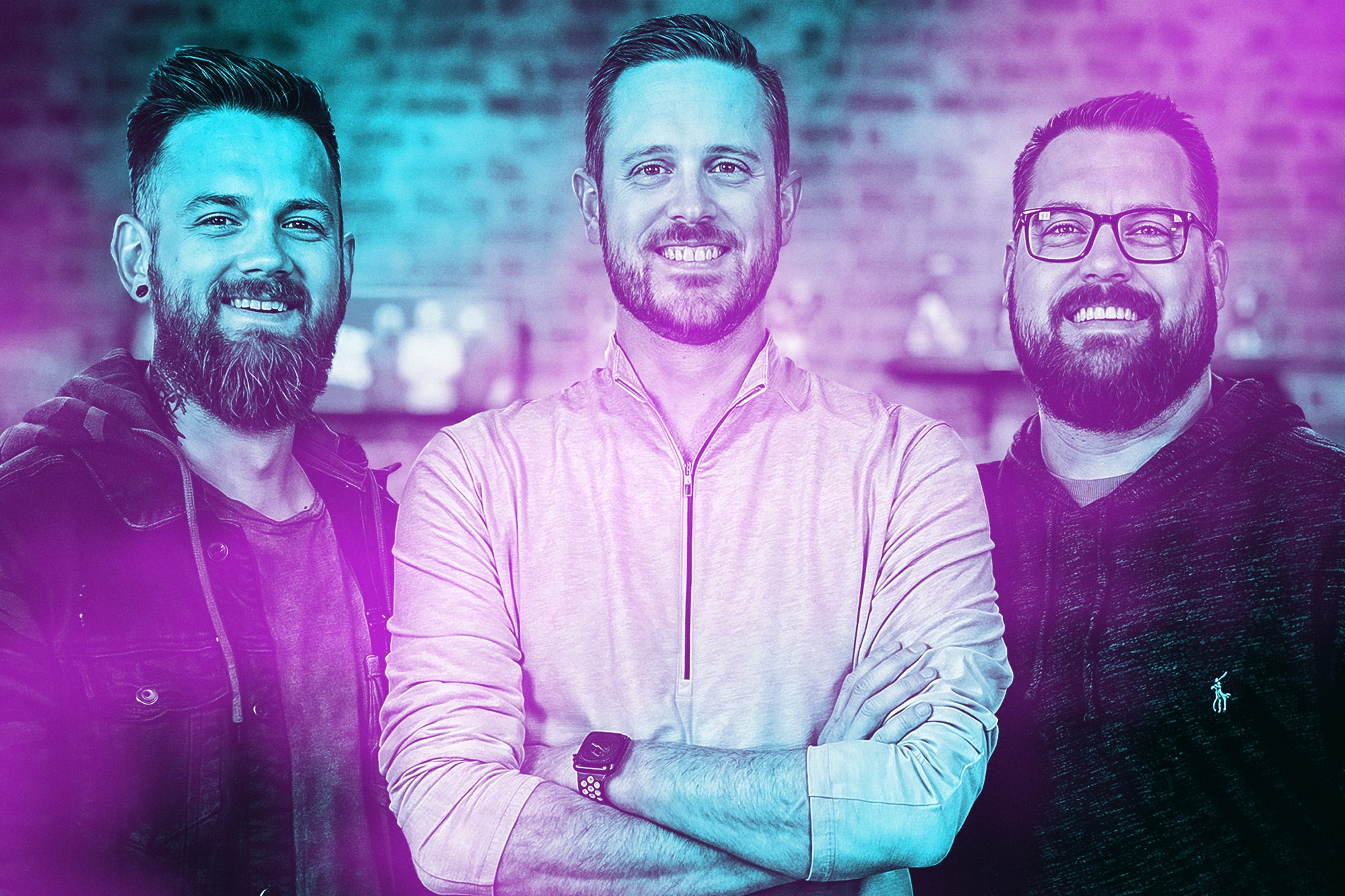
Today: my interview with Andy Holloway, one-third of the team behind the Fantasy Footballers podcast. The 11-year-old Fantasy Footballers has carved out a spot as one of the top sports podcasts overall and a juggernaut in the world of fantasy sports. (It was No. 4 on Spotify’s list of top sports podcasts last year behind only New Heights, Pardon My Take and The Bill Simmons Podcast.) But with 414,000 YouTube subscribers and hundreds of thousands of downloads per episode, the podcast is anything but niche.
“We always joke, it doesn’t matter what walk of life you’re in, you either are a fantasy player or know somebody obsessed with fantasy football,” Holloway tells me.
That’s how it started for Holloway, 41, and his co-hosts Jason Moore, 43, and Mike Wright, 42, when they all worked together at a tech company that made Facebook games. All they wanted to do was talk about their fantasy teams, so they began recording the podcast on a whim. They figured their only listeners would be the other members of their fantasy football league, but their pod quickly found an audience.
“We felt like there was an appetite for a year-round show that didn’t stop when the season stopped,” Holloway says. “We saw traction right away, building this loyal audience that was also crazy about fantasy football and wanted to keep talking about it even though the season was over.”
Today, Fantasy Footballers is more than just a podcast. It’s a growing independent media company — based out of Phoenix with 13 full-time employees — that encompasses a slate of shows, multiple apps, a merchandise business and a community of around 50,000 paid members during the peak of football season.
Looking ahead to Super Bowl LX this weekend, I spoke to Holloway — who’ll be watching the NBC broadcast with his co-hosts — about how the podcast industry has changed since Fantasy Footballers first launched, why he and his co-hosts embraced video long before their podcast peers, and what he thinks of the fast-growing prediction market platforms that my colleagues Matthew Frank and Elaine Low have written about (and that we’ve been talking about on our Ankler Media podcast, Ankler Agenda). Plus, Holloway answers the Fast Five rapid-fire questions I’ll be asking creators in each installment of this new series.

What’s the biggest change in the podcast industry since you launched Fantasy Footballers in 2014?
Andy Holloway: The thing that we’ve watched and lived through has been the adoption of [podcasts] as a serious platform for the budgets of major companies. In our first four or five years, there were not podcasting advertising line items for major companies. That’s back when a handful of ’em (like Squarespace and Mailchimp) were always advertising.
Seeing the industry go from something where, if I described my job to somebody I had to translate it into basically “radio,” to now everybody knows what a podcast is. Every major advertising executive has a line item for podcasting. They understand the retentive nature of the listenership and the connection that’s getting built.
Tell me about your video strategy.
We had it pretty much from the jump from our first season. Obviously we’ve evolved in the way that we produce it, but everything in our business is built around that connection with the listener, them getting the opportunity to know us in the best possible way and to connect with the brand in the best possible way. To us, video has been vital to that and useful on social media and extending the brand. So it was a really early commitment, and we didn’t really see any good return on that for a long period of time, but I’m glad that we committed when we did so we could build up the largest fantasy channel over time.
During the NFL season, new Fantasy Footballers episodes come out every day. What’s a day like for you, between hosting the podcast and operating the company?
We record our shows around 8:30 in the morning. Then the team is post-producing, getting the video and the audio out immediately. We’re kind of in a news business because we need to see the game the night before, we need to know the latest trade or the latest contract.
During the regular season, we really record eight different shows a week. We do the main show every day, we have a FootCast, which is a member-only question and answer show, we have a dynasty [league] podcast that one of the three of us gets on every week, and then we have a comedy podcast as, maybe, a palate cleanser. I would never complain about our job, but I will say we’re glad that there are seasons, and my wife is very happy that there are seasons.
In the last few months the prediction markets have really exploded. How are you considering the impact on fantasy football and on your work?
We’ve been around long enough to watch [the space] from when it was a Wild West, unregulated, and there were daily fantasy sports (DFS) companies popping up all over the place. We have been very patient in terms of taking on advertisers. We used to get hit up by offshore betting companies all the time, and we would not touch any of that. We wanted it to get to a point where it was legal, regulated, controlled, safe for the consumer.
We’re certainly not betting market-first as a show. We see it as a very different experience than season-long fantasy and that league community experience. Our DFS show has player props. That’s kind of us dipping our toes into the betting world from a content side, but I would say our main focus is always through the lens of: What’s the most entertaining thing for the listener to enjoy the games? Is this a value add to your experience of watching and enjoying football? Our main [fantasy] league doesn’t have any money involved.
Now, My Fast 5 Questions
What was the first time you made money from the podcast?
We took a sweetheart deal with SeatGeek because we wanted to be paid upfront, and it was like, we’ve got to buy two more months of existence.
Describe a time when you’ve been recognized out in public.
It’s not that often, but I can think of going to Disneyland and [hearing] somebody from across the way screaming, and I could absorb this fun fandom in this niche world for two seconds and let my family see all of that.
Who’s your dream collab?
I’ve seen Paul Rudd talk a little bit of fantasy football before. And we always talk about doing something with Dude Perfect too.
What’s on your For You feed?
Way too many sports cards. My son, who’s 14, and I have gotten crazy into sports cards the last six months.
Who’s making you laugh on the internet right now?
Any Tim Robinson clips make me laugh.
Correction: This story has been updated to reflect the size of the Fantasy Footballers podcast.