

🎧 Charlie Hunnam: ‘Purpose is Derived From Doing Something Very, Very Difficult’
The ‘Monster’ star earned rave reviews — and award noms — for playing serial killer Ed Gein. But he’s got his eye on a next act in his future


Subscribe on Apple Podcasts
Watch on YouTube
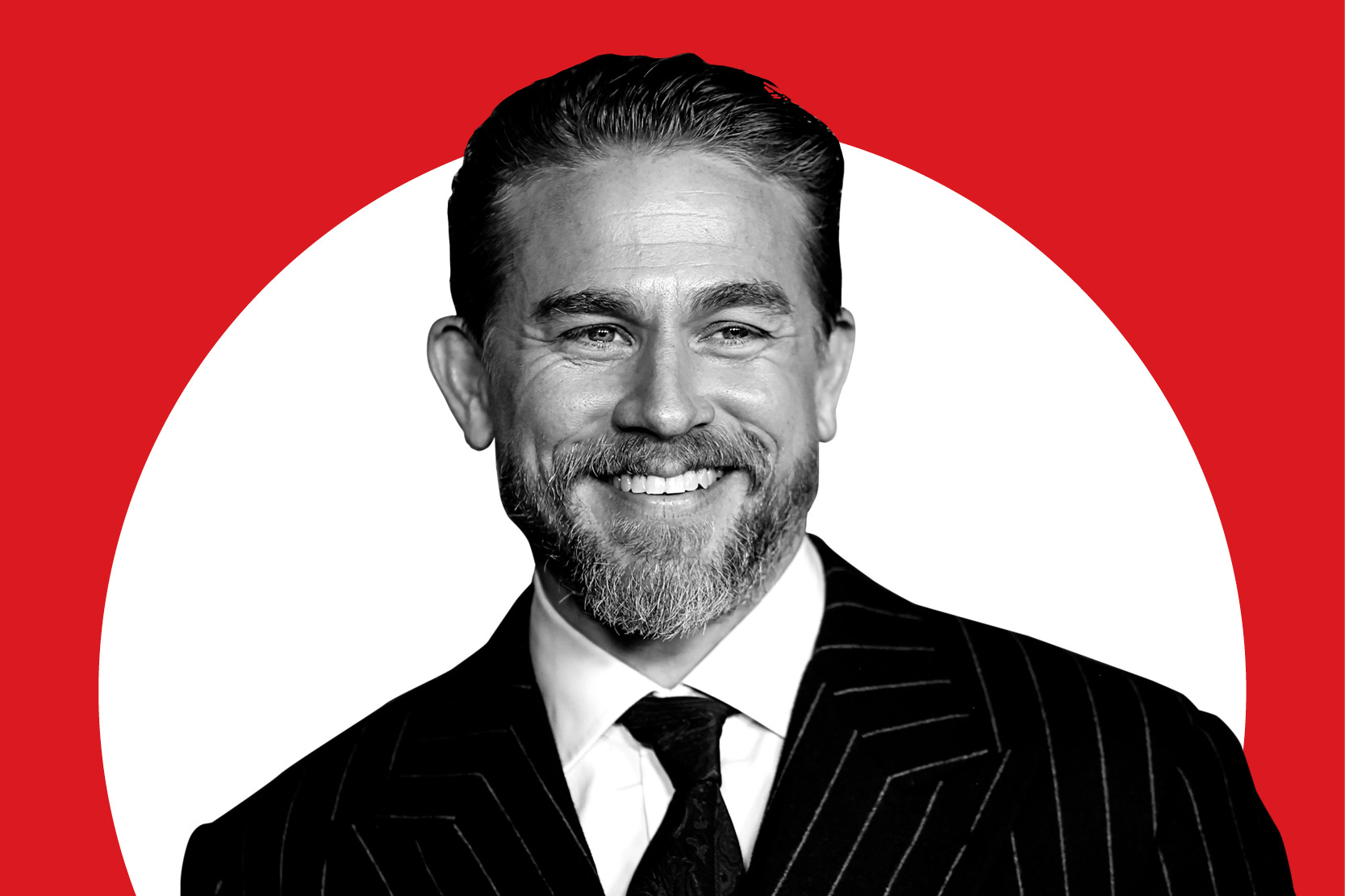
Many actors and filmmakers will describe the process of getting virtually anything made as pushing a boulder up a hill — enduring constant meetings, receiving multiple notes and worrying about financing falling through. But few get as philosophical about it as Charlie Hunnam did midway through our recent conversation, which you can hear on today’s special Saturday edition of the Prestige Junkie podcast.
“We must imagine Sisyphus as happy,” he tells me, reflecting on career challenges ranging from the production of the jungle-set James Gray epic The Lost City of Z in 2015 to his lead role in Netflix’s Monster: The Ed Gein Story, a transformative performance for which he recently earned his first-ever Critics Choice and Golden Globes nominations. Sisyphus was going back to do the same insanely difficult task every day and was barely making any progress. But, Hunnam points out, “Well-being and purpose are derived from doing something very, very difficult. And whether it’s a big show for Netflix or a medium-sized independent film that feels impossible — that’s where all of the magic lies.”
Hunnam, 45, has been acting onscreen since he was a teenager, landing his breakthrough role on the U.K. version of Queer as Folk in 1999; he also starred for six years on the FX series Sons of Anarchy and in lead roles in films like Pacific Rim and Triple Frontier. But all that time, he tells me, he’s been honing his craft as a screenwriter as well, hit with the storytelling impulse after entering a short film competition as a teenager in England. He talks about movies and television like a writer more than an actor; as he tells me, “Here we are, 27 years later, I’m still a frustrated writer-director.”
It’s fascinating hearing the writer part of his brain come out as Hunnam talks about Monster, in which he plays the Wisconsin serial killer Ed Gein, whose horrible crimes became so notorious in the 1950s that they went on to inspire everything from Psycho to The Silence of the Lambs. The third season of the anthology series created by Ryan Murphy and Ian Brennan (following seasons focused on Jeffrey Dahmer and the Lyle and Erik Menendez case), The Ed Gein Story takes a radically different approach, depicting Ed’s crimes as well as the media coverage and art that followed.
“It speaks to the actual nature of storytelling, and the consequences of telling these types of stories,” Hunnam tells me. “Alfred Hitchcock’s making of Psycho radically changed the way censorship worked in the U.S., and the way we told stories about monsters. Before that, monsters were werewolves and Frankenstein’s monster. After Psycho, we became the monsters. The question is, what was the consequence of that for Hitchcock? Did he, through somewhat sensationalizing this story for entertainment, darken the American and the global psyche in the process?”
Hunnam and I get into the many layers of storytelling within Monster, as well as the many parts of his own career, which could look very different in a few years. As he tells me, “Sometimes I am a little bit haunted thinking that I should be making films and that I should be dedicating more time to writing and pursuing that part of my dream. But I’m still young enough to make it happen. There’s time.”
