

‘Can You Be Less Black?’: Arsenio Hall’s Impossible Late-Night Note
Excerpt: The host was squeezed by Paramount, Black celebrities and the NAACP over the ‘right’ amount of Blackness

I write The Optionist, a newsletter about IP. Previously, I excerpted books about Coppola & Lucas’ ill-fated ’70s studio and Terrence Malick’s lost decades, and interviewed Gabriel Sherman about the Murdochs. Subscribe here for my weekly list of promising books (new and backlist), long-form journalism, short stories, graphic novels and more.

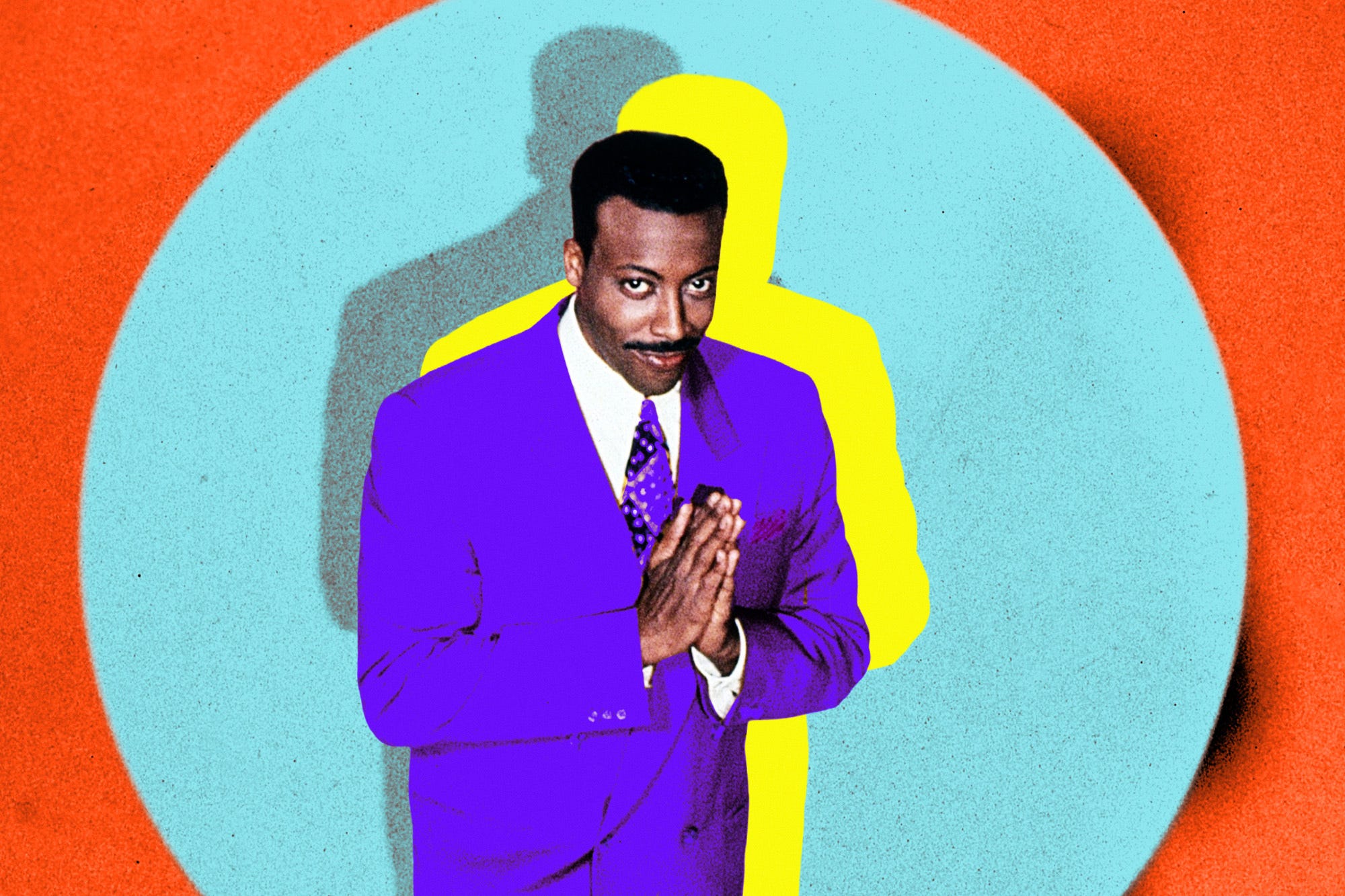
Arsenio Hall made history on Jan. 3, 1989, when he became the first Black person to host his own network late-night talk show. The Arsenio Hall Show quickly became a hit, drawing a younger, more diverse audience than other late-night talk shows. Syndicated by Paramount, the show lasted six seasons before going off the air in 1994, squeezed by David Letterman’s move to CBS at 11:30 p.m. and Fox pressuring affiliates to air the short-lived The Chevy Chase Show.
The Arsenio Hall Show was a hit, drawing a younger, more diverse audience and reshaping the format with a looser, louder, more culturally plugged-in sensibility — with Hall often running into the audience and encouraging them to quite literally whoop it up.
He was among the first hosts to book rap musicians — Snoop Dogg made his television debut there — and younger comedians like Eddie Murphy, George Lopez and Andrew Dice Clay. Appearances by Magic Johnson in 1991 (the day after Johnson announced he was HIV-positive) and Bill Clinton in 1992 (when Clinton took a break from the presidential campaign to play “Heartbreak Hotel” on his saxophone) were groundbreaking moments in the history of TV.
But behind the scenes, the show became a flashpoint.
In this exclusive excerpt from Arsenio: A Memoir (Atria/Black Privilege Publishing, March 31), Hall recounts the pressure coming from both sides: Paramount worried the show was “too Black” and could alienate white viewers, while Black entertainers and activists criticized him for not doing enough to support their community. There were even lawsuits.
For Hall, it became a no-win equation — one that followed him throughout the show’s run.
It started with a brutal executive note...

‘Are You Gonna Be Black Every Night?’
 | A guest post by
|