
I write The Optionist, a standalone newsletter about IP ripe for adaptation and who reps it. Previously, I interviewed Gabriel Sherman about his new book on the Murdochs and summarized 2025’s IP market. Subscribe here for my weekly list of promising books (new and backlist), long-form journalism, short stories, graphic novels and more.

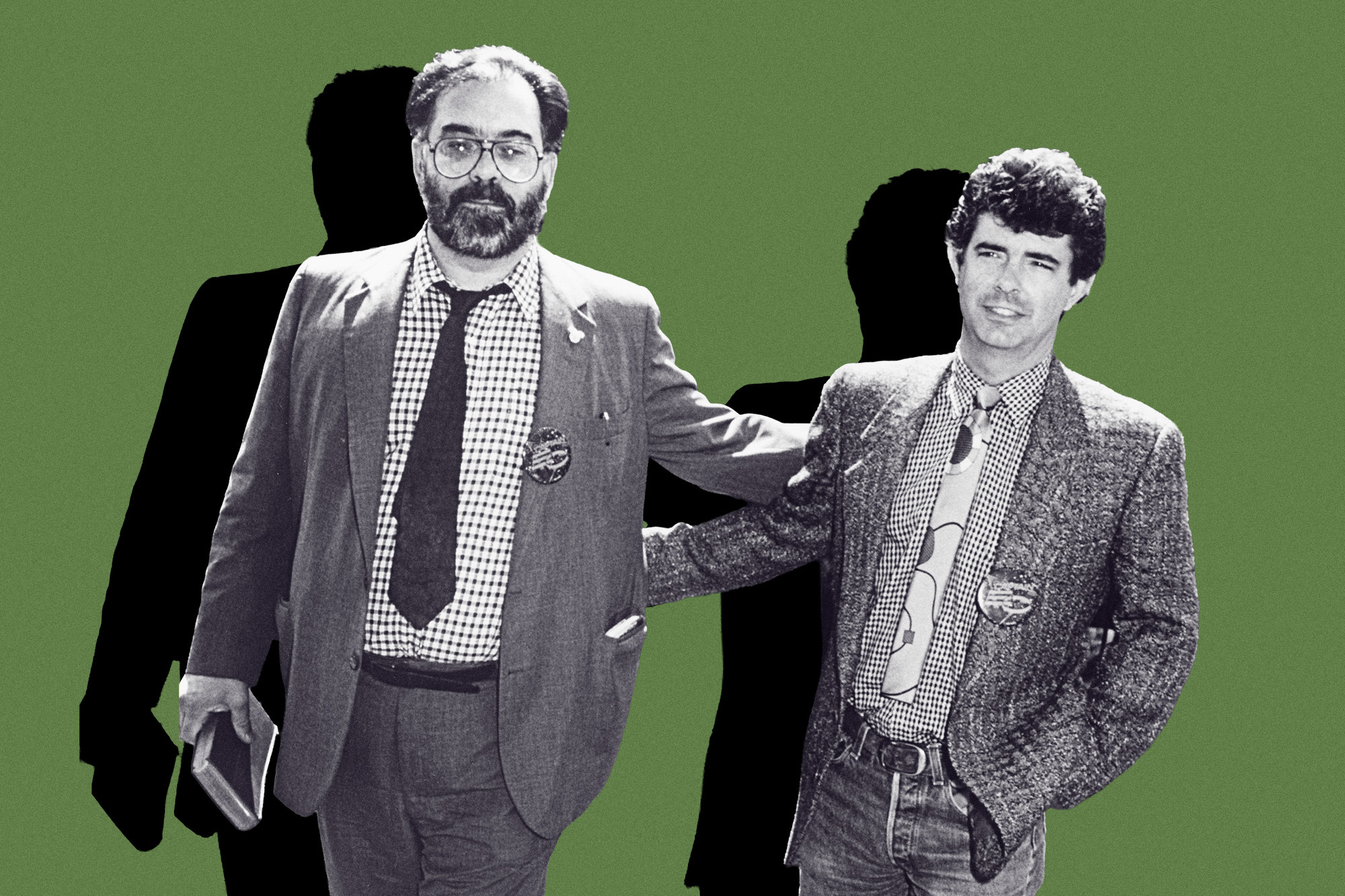
In The Last Kings of Hollywood: Coppola, Lucas, Spielberg — and the Battle for the Soul of American Cinema, writer Paul Fischer (The Man Who Invented Motion Pictures) charts how the three friends and sometime collaborators and business partners reinvented American cinema. In successively making what were then the three highest-grossing movies of all time between 1974 and 1978 — Francis Ford Coppola with The Godfather, Steven Spielberg with Jaws and then George Lucas with Star Wars — they ended up ironically saving the very Hollywood studios they blamed for the crisis in American film.
But the story begins before all that, in the fall of 1964, when Lucas arrived at USC’s School of Cinematic Arts. “I don’t know what you guys are doing here,” the head of the camera department said on Lucas’ first day. “I don’t know what you think you’re going to achieve, but here’s my advice: Get out now. You can still get your money back. Because there are no jobs for you.”
Still, the postwar generation was flocking to the film school. Lucas’ class had grown from 20 to 80 in just two years. Many, like Lucas, weren’t interested in what the studios were putting out. They wanted to make smaller personal movies, like the underground films that inspired Lucas to enroll at USC.

Lucas graduated in 1967, started working at Warner Bros. and soon met a kindred spirit: Coppola, who, at 28, parlayed a celebrated time as a Hofstra and UCLA film school student into a hotshot screenwriting career (including co-writing This Property Is Condemned for Sydney Pollack and Natalie Wood) and was directing his first studio picture for Warner Bros.-Seven Arts, the musical fantasy Finian’s Rainbow. The pair, who became fast friends, soon met Spielberg, another aspiring young filmmaker.
While Spielberg took a directing contract at Universal, Coppola convinced Lucas to follow their dream of making personal movies outside of Hollywood by partnering to found American Zoetrope in San Francisco, recruiting John Milius (to write what would become Apocalypse Now), Walter Murch, documentarian Steve Wax and others to work with them. Then Coppola convinced the newly installed Warner Bros. chairman, Ted Ashley, and the VP of production, John Calley, to invest $300K to get the enterprise up and running.
Below, in an excerpt from The Last Kings of Hollywood, on sale Feb. 10, read on for the dramatic story about how Coppola set up offices on Folsom Street —complete with editing suites, a pool table and a fancy Italian espresso machine — and Lucas turned his USC student film into THX 1138, Zoetrope’s first movie.
While both men would go on to reshape Hollywood, this first partnership quickly curdled, as they clashed over THX 1138, how hard to push back on furious Warners execs — and how far Coppola was willing to bend to keep their dream alive, even taking a directing job he didn’t want just to pay the bills.
It was the beginning of the end — and a decision that would change everything…
Don’t stop here
Get the rest of this story — and the scoops and intelligence Hollywood reads first.
Already a subscriber?

Comments
Only Ankler All Access subscribers can comment
Already a subscriber?