

Brad Pitt’s ‘F1’ Jacket Scored a $40M Brand Haul. Want In? Here’s the New Playbook
Hollywood’s top deal whisperers share how integrations are helping finance production and marketing as the stakes (and spend) keep rising

I write about agents, lawyers and top dealmakers for paid subscribers. I reported on the likely org chart and deals ahead at “New Paramount” and wrote a three-part series about the new state of TV deals including the scoop on Apple’s new backend for writers.

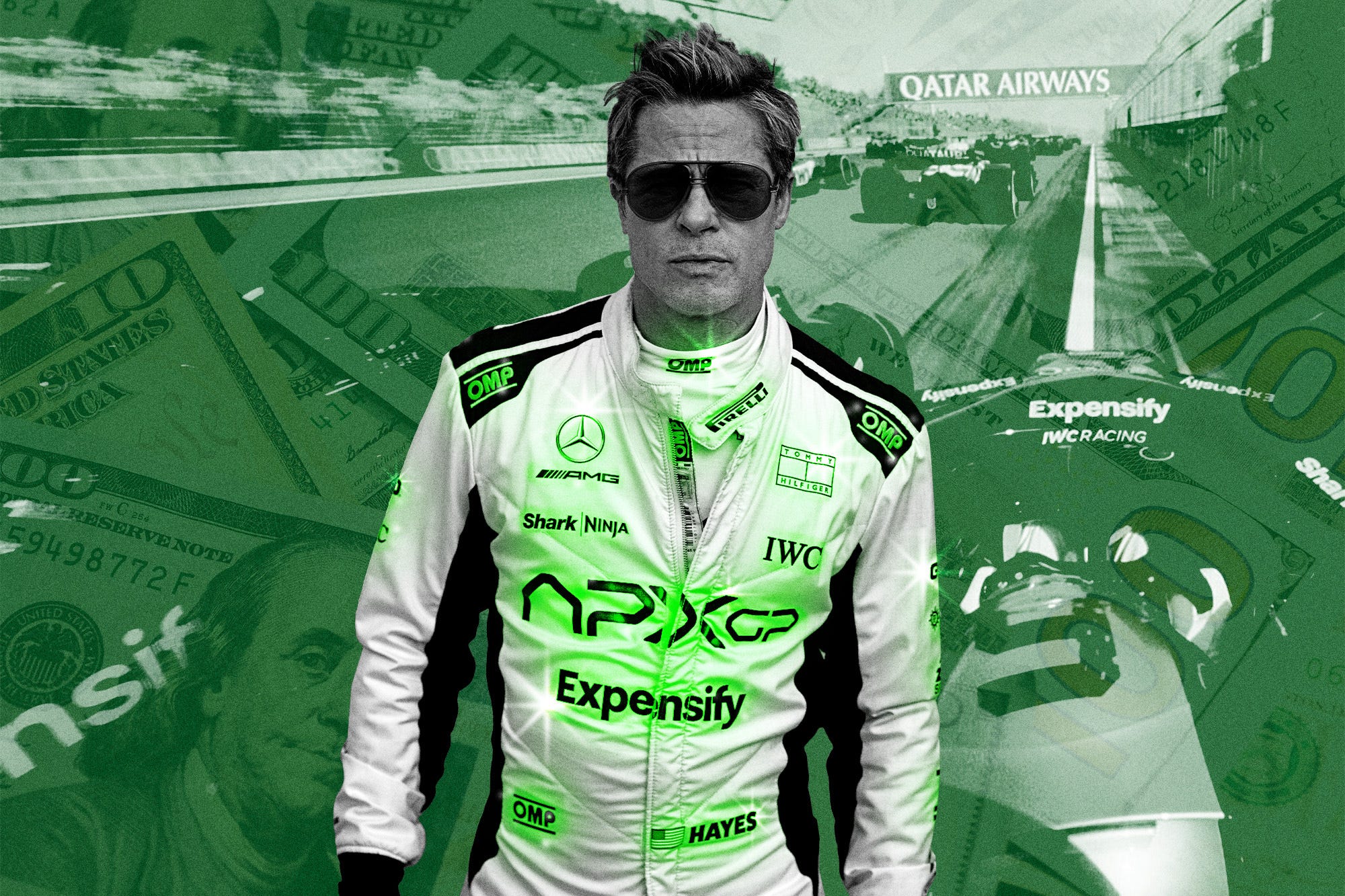
Expensify isn’t exactly a household brand name — but when its logo was emblazoned on Brad Pitt and his car in F1 the company’s profile raced in that direction. That partnership, along with a slew of others for the worldwide hit — at $546 million globally, it’s Pitt’s biggest-ever film at the box office — is putting a spotlight on the massive potential that can be unlocked by brands and studios in the 2025 marketing landscape.
F1, an Apple Original distributed in theaters by Warner Bros., brought in a reported $40 million in brand deals from a cadre of companies that includes Tommy Hilfiger, SharkNinja, Mercedes-AWG and IWC. That would offset a good chunk of the film’s estimated $200 million budget — and is well above normal for the current market, which tends to see even franchise films top out in the single-digit millions, and that exposure extends well beyond appearances on screen during the movie itself. From music videos by soundtrack artists, to a Met Gala activation with star Damson Idris, to an EA Sports racing game, to a limited-edition Hot Wheels car, there are seemingly endless ways to reach consumers and drive conversation well after the end credits roll.
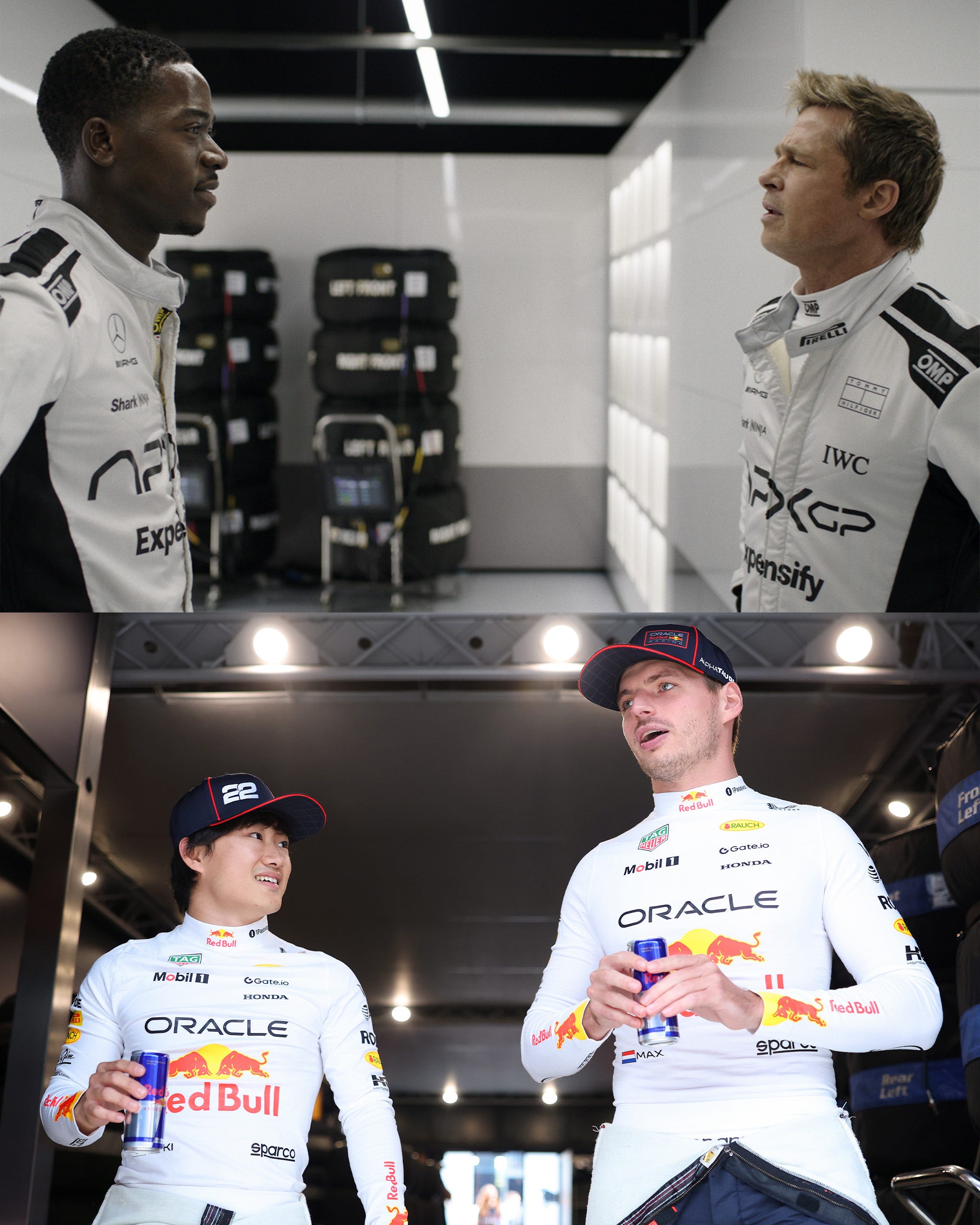
Hollywood Branded CEO Stacy Jones, who worked with Expensify, a cloud-based business expense tracking platform, and automotive fluid company PEAK on their F1 title sponsor deals, says the fictional APXGP racing team and the culture surrounding the sport relieved some of the worry about audiences rolling their eyes over the proliferation of logos.
“If you have Brad Pitt showing up without any brands on him — or worse yet fake brands — there’d be an outcry because that’s not how it works in that world,” says Jones. “It is a branded world. The brands tell the story of the reality.”
Within weeks of F1’s premiere, Jurassic World Rebirth and Superman followed with similarly splashy integrations. Jurassic’s food-heavy list of partners includes 7-Eleven, Quaker, Frito Lay and Dr. Pepper, while Superman teamed up with Dairy Queen, American Airlines, Progressive and Toyota.
Some of the brands are obvious fits — at this point you might be more likely to see a Jurassic Park movie without any dinosaurs than one without any Jeeps — but others venture into unexpected territory. Superdog Krypto was a key part of Superman’s pre-release campaign, and that extended to a multi-layered partnership with Milk-Bone, which included co-branded dog treats and a DC comic as well as product on screen in the film’s pet store scene. Dealmakers in the space say it doesn’t matter if a pairing isn’t intuitive, like pet products in a superhero sequel, as long as it is authentic to the story.
Today, I dig into brand strategy with dealmakers on the front lines of the big brand integration deals changing Hollywood. In addition to Jones, I talk with with Jae Goodman, founder of brand entertainment agency Superconnector Studios, whose clients include AB/InBev, LVMH, Chime, Nike and more, and who previously led CAA’s marketing group; Jessica Sinn, co-head and EVP of 160/90 (the WME-owned marketing firm); and Warner Bros. co-head of global motion picture marketing Dana Nussbaum.
For paid subscribers below, I break down the dos and don’ts of brand integration, including:
How the increase in ad avoidance has changed the game, and why brands are being “forced” into premium content
Exact pricing: What $50K to $5M buys a brand onscreen, online, and off-platform
The one genre insiders say is the next big opportunity for brand integrations (think: female)
The smartest way to get a seven-figure integration deal across the finish line
How good brand deals save studios and streamers millions in marketing
Why audiences are more open to onscreen brands than you might think — if done this way
The exact moment a brand should sign a deal during production — and Goodman’s rule for saying yes
The OG 2000s Chevy deal that still sets the gold standard for long-game integration
This column is for paid subscribers only. Interested in a group sub for your team or company? Click here.
For full access and to continue reading all Ankler content, paid subscribers can click here.