

Trans-Cendant: How ‘Dope Queens’ Challenges the Moment
Director Grafton Doyle and his stars discussed their new film during a special screening
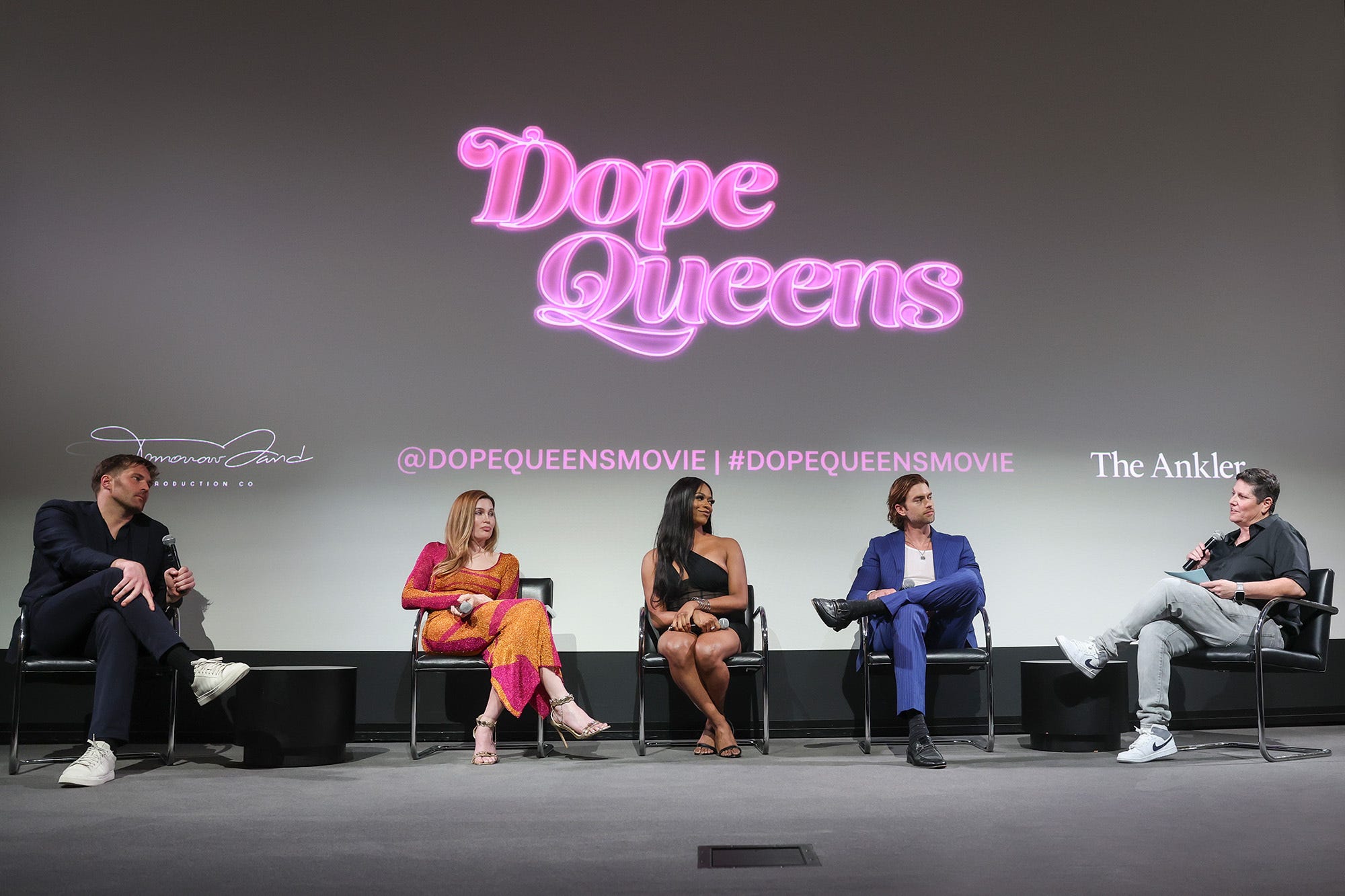
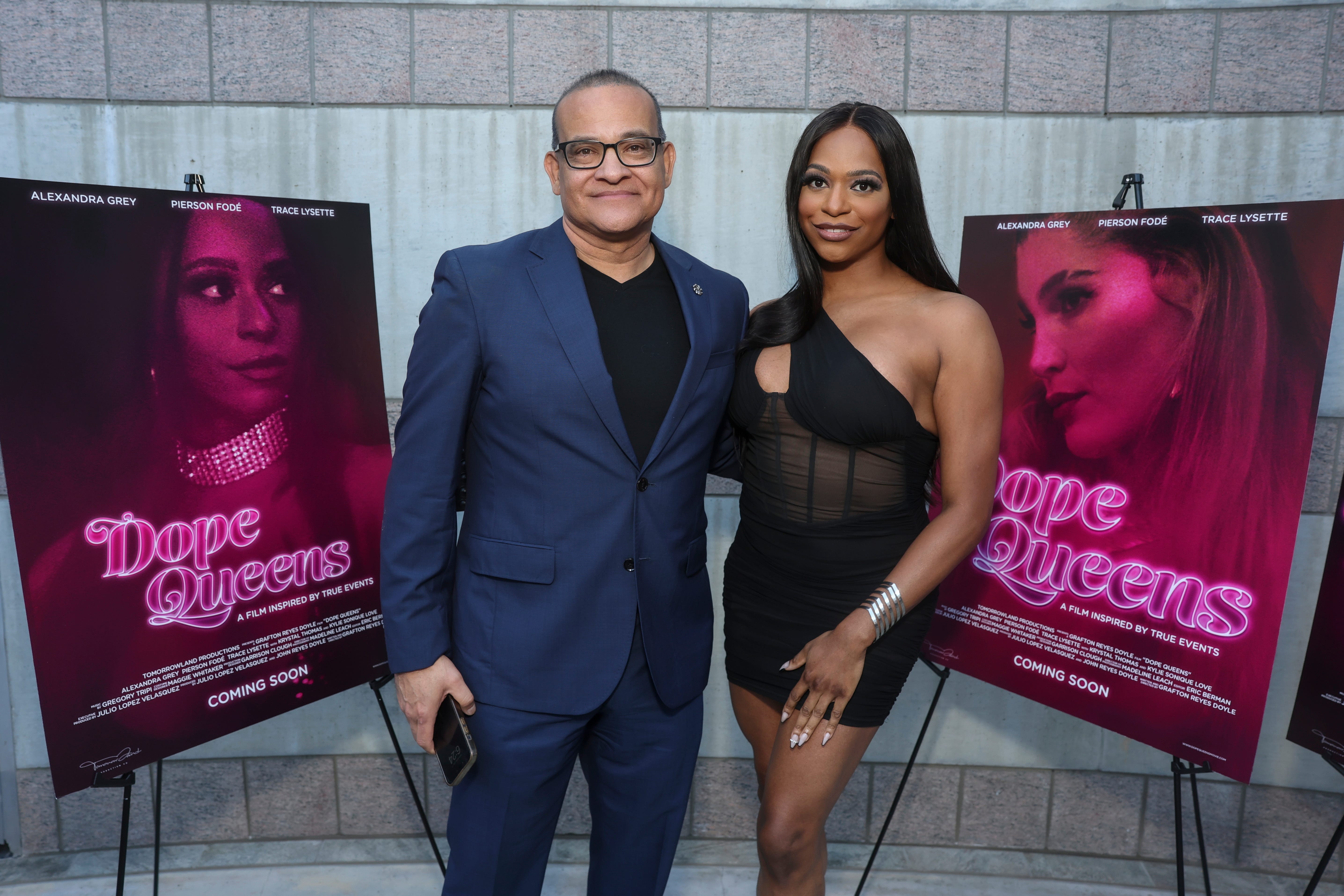
Filmmaker Grafton Doyle turned to his own experiences to craft his feature debut with Dope Queens, a romantic thriller that takes place in San Francisco’s Tenderloin, regarded as the world’s first legally recognized transgender district. Inspired by actual events, Dope Queens revolves around three roommates — Blake, the character inspired by Doyle (played onscreen by Pierson Fodé), Goldie (Alexandra Grey) and their fellow friend from prison, Angel (Trace Lysette) — as they navigate life and love, and work the streets in search of a better life.
During a July 23 special screening of Dope Queens in partnership with TomorrowLand Production Co. at the Skirball Cultural Center, Doyle opened up to The Ankler’s Lesley Goldberg about his early inspirations for what would become Dope Queens. While studying for his MFA in playwriting at USC, the filmmaker — who also serves as the associate director of development at Skirball — read a play about two women who moved from Japan to Kansas City during World War II and was struck by the theme of women being stuck between two worlds.
“I have this memory from my younger days of these women that I lived with and loved and knew deeply, and a part of myself started springing forth from my soul and I started writing… and out came this play called Dope Queens,” Doyle said of the project’s early days as a stage play in West Hollywood before the pandemic derailed its expansion to the East Coast.
Doyle connected with TomorrowLand CEO Julio Lopez Velasquez, and the duo used the pandemic to craft the screenplay and independently finance the movie, which marks the first feature film to revolve around two openly transgender characters.
For stars Grey (Empire) and Lysette (Transparent), the appeal of Dope Queens was that the film was more than a coming-out story or focused solely on someone’s transition; instead, Doyle’s script met these characters as fully formed women. “It wasn’t the stereotypical sort of coming out trans story,” Grey said on stage. “And I think that that’s what we’re hoping to get the world and the industry to embrace — all types of trans people, trans women that look like us and talk like us.” Added Lysette: “It was just cool to just play something so different from the last film [2022’s Monica] … this was just like, lust and mess and drugs and but also love and murder [and] hustling, and just it was so different …. I was just ready for that.”
Fodé, meanwhile, gravitated toward playing a deeply flawed character with a found family, someone whose choices increasingly put him in danger and continue to push his actual parents away. “He sees the world in this rose-colored tint, despite the fact that he’s strung out the entire time,” he said. “I hope that people can recognize… When they have somebody that’s reaching out to them, it’s like, ‘Hey, here’s an olive branch. You can come back. I still love you. I still got you.’ And I hope people can see this and take that opportunity to get help.”
In a larger sense, with the Trump administration increasingly targeting the transgender community, Doyle and his stars feel Dope Queens can educate and inform viewers. “We’re trying to change lives here, right? We’re trying to tell different stories, and we need help,” Grey said. “There’s a lot of stuff going on politically, and it’s important for people to see nuanced trans stories and to see themselves represented. I know what it meant for me, and I wish that I had a Trace or a Laverne Cox when I was a young, Black kid growing up on the South Side of Chicago. It’s so important. So spread the word. We need this film to get out there.”