

‘To Catch a Predator’, Reconsidered
‘Predators’ is like no true-crime doc before. Plus: Apple pulled Jessica Chastain’s new show — ugh

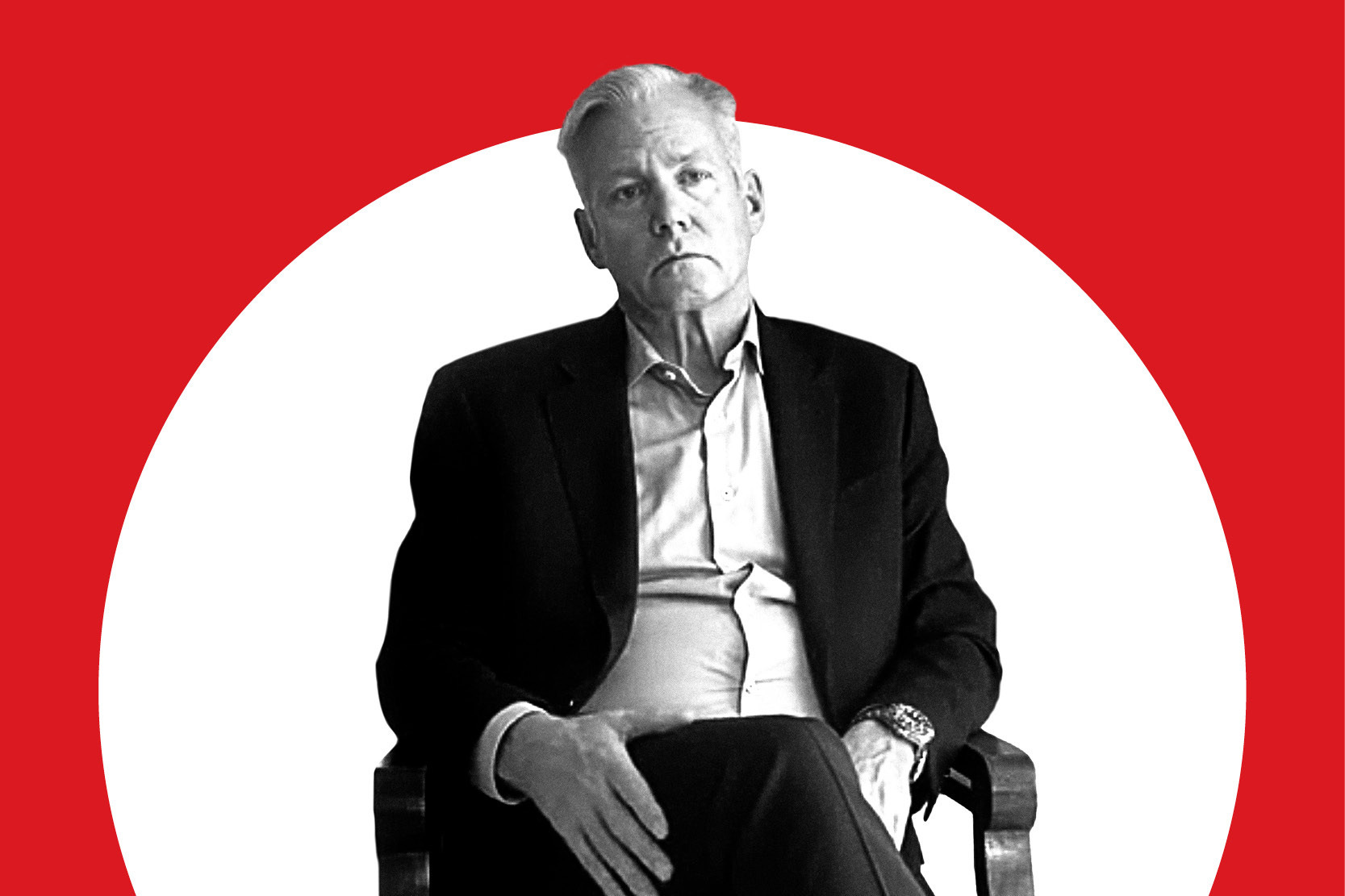
As you read this, I’m just a few hours from finally catching up with One Battle After Another, which is only now opening in theaters but has already screened so extensively in New York and Los Angeles that some critics and pundits have gotten to see it at least twice (not that I’m keeping score or anything). The box office returns will tell us if the movie can become a phenomenon beyond its Oscar buzz — and, right now, it’s tracking for a debut of around $20-$25 million in North America, good for the biggest opening of Paul Thomas Anderson’s career by a wide margin but below typical blockbuster results for star Leonardo DiCaprio. Still, I’m eternally bullish on the actor almost known as Lenny Williams as an audience draw — and since One Battle After Another is more action-packed and ostensibly fun than the actor’s latest auteur outing, Killers of the Flower Moon (which opened to $23 million in 2023), it feels like the Warner Bros. gamble will have legs long after the headlines from this opening frame fade into box office memory.
More on all of that in Monday’s newsletter. But for my earliest reaction to One Battle After Another, join me and Christopher Rosen on Substack Live at 10 a.m. PT tomorrow. Our live chat will be free for all Prestige Junkie After Party subscribers. But here’s the twist: Only paid subscribers will get to watch the replay, so why not go ahead and sign up? Paid subscribers will also have access to an exclusive new podcast episode dropping tomorrow, in which Chris and I record our own commentary for 1994’s Quiz Show (good movie!) and celebrate the legacy of its director, Robert Redford.
For today, though, I’ve got a conversation with the director of one of the most lauded documentaries of the year, Predators, plus some thoughts on an Oscar campaign nobody expected and Jessica Chastain’s strong words for Apple after it postponed the release of her show The Savant.

The Case Against ‘Foie-Gras Filmmaking’
If you look at it one way, documentaries are more popular than ever. The trending pages of Netflix are filled with titles like Unknown Number: The High School Catfish and Jeffrey Epstein: Filthy Rich, and some of the most popular YouTube videos of recent years are multi-hour sagas that delve into extremely specific real-world subjects.
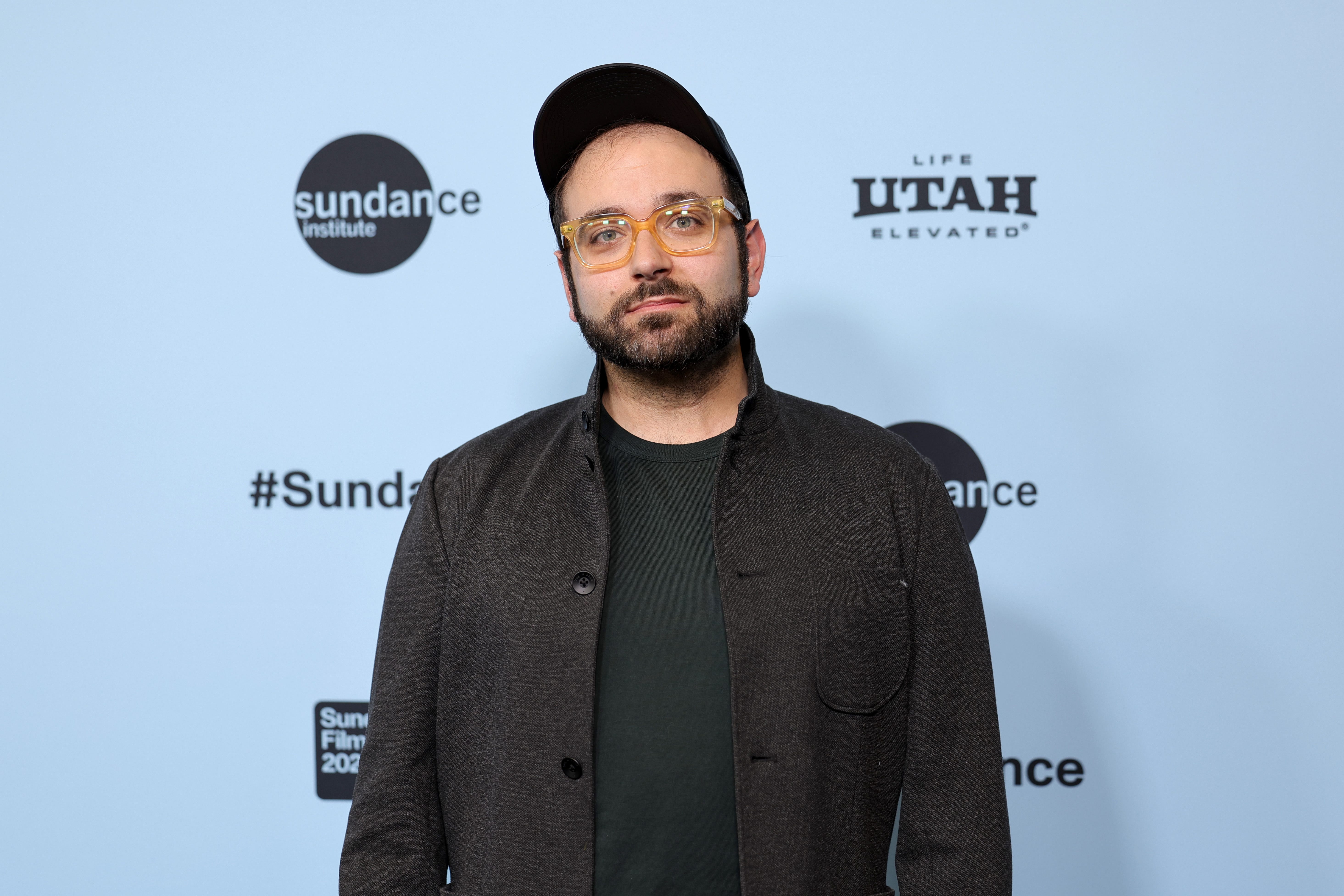
But several documentary world veterans would tell you that a lot of these aren’t doing what they consider the primary job of a documentary, what director David Osit calls, “a space to have and form your own opinions.” That’s certainly not the kind of space that was created in the mid-2000s by To Catch a Predator, the Dateline NBC breakout franchise in which host Chris Hansen worked closely with law enforcement to lure in and expose potential child predators. With zippy editing and clear good guys and bad guys, To Catch a Predator fits the profile of most made-for-TV documentaries, asking very little of the viewer as they’re encouraged to revel in the destruction of the would-be predator’s life.
And yet, the show captivated Osit, 38, for reasons he explains in his new film Predators, now playing in select theaters through MTV Documentary Films. Osit’s radical approach to assessing To Catch a Predator is straightforward from the documentary’s first scene, which captures a fairly typical moment from the series: An adult man arrives at a suburban home to meet with what he thinks is a teenage child, only to be confronted by Hansen and eventually arrested. Re-editing the show’s original footage, though, Osit lingers on the face of the man who has been exposed, asking the viewer to think about this man’s point of view, most likely for the first time.
Predators is not a defense of child predators, or even a specific call for empathy or criminal justice reform. Osit, who has spent much of his career as an editor — including on some true-crime projects, such as The Vow about the cult NXIVM — is simply trying to spark a thought that the audience might not have had otherwise. It’s a response, he says, to what he calls “foie-gras filmmaking” — that is, “films that are designed to make you feel just more of what you feel at the beginning. It just keeps stuffing the same thing down, and then you’d feel really full at the end, full of anger or disgust or something, but you’re not being challenged necessarily.”
Osit’s film digs deep into an infamous story that ended To Catch a Predator’s run on NBC, when a Texas attorney was cornered by both law enforcement and Hansen and killed himself just off camera. However, the filmmaker also takes his time with the consequences of less notorious stories, lingering with the men as they come to terms with the fact that their lives are effectively over. Though To Catch a Predator has been off the air for nearly two decades, its online fan community remains active and has tracked down the raw footage that Osit found. Watching it, he tells me, “I would feel this pang of sadness for these guys and then a pang of disgust for them, and just go back and forth. And I remember just feeling like that’s what I wanted to make the film about.”
Lingering on the faces of these men, Osit connects his film to his documentary idols, such as D.A. Pennebaker and Albert and David Maysles, whose films captured reality in long, unbroken takes. “When you’re sitting in these moments, you’re forced to interact with your own humanity and someone else’s,” Osit says. “That’s not what the original show was attempting to do, obviously, and I wouldn’t expect that of a lot of reportage from the mid-2000s that’s about child predators in the first place. That wasn’t the goal of the show, and it’s not my goal to feel bad for child predators. It’s about considering how we treat people. We turn people into villains, and I wanted to make a film that interrogated how that ends up happening. It’s usually because there’s a way to make money off of it.”

The Doc That’s Not What It Seems
Parts of Predators seem to offer an easy out, allowing one to marvel at how rotten the culture of the mid-2000s was, as Jimmy Kimmel and Jon Stewart welcomed Hansen on their shows to praise him for his work. But then it jumps to the present, following the YouTubers trying to follow in Hansen’s footsteps and eventually catching up with Hansen himself, now hosting shows on his own digital true-crime platform. Our impulse to find easy villains and feel better in comparison, it seems, hasn’t gone anywhere after all.
I asked Osit why he avoided drawing a clear connection between his film and more current obsessions over child predators, whether real or seemingly imaginary. “I tend to want to trust people to connect the dots on their own,” he explains. “I think it’s quite clear why we tend to place this kind of onus on child predation as the ultimate evil. It’s a wonderful way to have power over your sense of morality. So if you’re against that, it means you’re deeply good. I said it in 10 seconds.”
Predators is now playing in theaters, a rarity for documentaries that Osit is well aware of. However, he also knows it will have an even longer life in streaming eventually on Paramount+ and may draw in viewers accustomed to more straightforward true-crime sagas. They may click on Predators and get the opposite of what they expect — but precisely what Osit planned.
“We’re very siloed on the Internet,” he tells me. “I can talk to you on The Ankler about the nuance that I wanted to put into this film, and — with respect — no one’s going to read it in the true-crime space and the people who go to CrimeCon and all these things.” (To be clear, no offense taken.)
Osit continues, “They’re going to have their own relationship with the title To Catch a Predator, and they’re going to click on it, and they might keep watching. That’s great. That’s exciting for me.”


Despite its TIFF People’s Choice Award win last fall, I’m not sure anyone has been counting on The Life of Chuck to be a major awards contender; over at the Prestige Junkie Pundits, it currently appears on precisely one (1) pundit’s list. So all the more credit to Neon for doing right by Mike Flanagan and bringing the whimsical Stephen King adaptation back into the fall awards consciousness. The Life of Chuck will return to theaters for one night only on Oct. 1, paired with a conversation between Flanagan and the film’s co-star Mark Hamill. It’s unlikely to be as big a shot in the arm for your local theater as Taylor Swift’s album release party will be just a few days later, but I know Flanagan has a ton of fans out there. Hopefully, Neon is keeping them happy, no matter how long the Oscar odds may be.

Jimmy Kimmel may be back on the air, but the power brokers in Hollywood still seem to be on high alert. Apple TV+ brass hasn’t done much to explain why they postponed the release of The Savant, the Jessica Chastain-led series, which had been set to debut tomorrow. But in an Instagram post on Wednesday, Chastain diplomatically wrote that she and Apple “are not aligned” on this decision about the show, in which Chastain plays an investigator who goes undercover in online extremist groups. In her post, Chastain points to acts of politically motivated violence that have happened in recent years, from Jan. 6 to the plot to kidnap Michigan Gov. Gretchen Whitmer. “While I wish this show wasn’t so relevant, unfortunately, it is. The Savant is about the heroes who work every day to stop violence before it happens, and honoring their courage feels more urgent than ever.”
Is Apple’s decision more like the kinds of delays that took place all over Hollywood after 9/11, when it became clear that audiences were simply in no mood for seeing violence onscreen? Or is it more like Disney capitulating to right-wing protests over Kimmel, with Apple anticipating bad-faith connections between The Savant and the still-unconfirmed motivations of the man who shot Charlie Kirk? Just a week after Tim Cook joined Donald Trump at a state dinner in the U.K., it’s hard not to see Apple as yet another tech and media company eager to avoid trouble no matter the cost.
With all due respect to Chastain and everyone who worked on The Savant, this is also a classic example of the Streisand Effect in action, where attempting to silence something has only drawn exponentially more attention. Many Apple TV+ shows have a way of premiering to little fanfare — like, for example, the Jason Momoa-led Chief of War, which I bet you didn’t realize debuted on the service in August. The Savant could very well have followed the same path and even been renewed for a second season without making much of a pop culture ripple. Now, instead, it’s at the center of yet another debate about Hollywood and censorship. Hope it was worth it!