

Thighs Wide Open: Taylor, ‘Sinners’ & the Awards Season of Female Sexuality
Swift’s explicit new album is the latest to embrace taboos; plus the Globes podcast mess & a best actor update

I want to start this beautiful Monday by issuing an apology to Channing Tatum, whom I inadvertently left out of last week’s best actor rundown due to sheer forgetfulness. I haven’t seen Roofman yet, but that still shouldn’t have stopped me from acknowledging the acclaim for his performance out of the film’s Toronto premiere — mainly because I’ve long been lobbying for this surprisingly versatile star to get his due. (Yes, I am on the record with my love for Foxcatcher if you want a fact check.)
Maybe it just goes to show you that it’s hard to get a grip on the whole field of contenders this time of year, even when it’s contenders you genuinely love! I’m a big believer in not narrowing awards options unless you’re literally a voter with only five slots to fill. The joy of awards season lies in keeping the celebration as widespread as possible, and in early October, anyone who claims to know precisely what will happen is lying.
So I promise to rack my brain a little harder next time I do a contender rundown, most likely sometime next week. For now, though, some bits and bobs of what else has been on my mind, from the surprisingly explicit themes linking Taylor Swift to two of the year’s top Oscar contenders, to who’s winning the fall festivals thus far.

Into the “Wood”
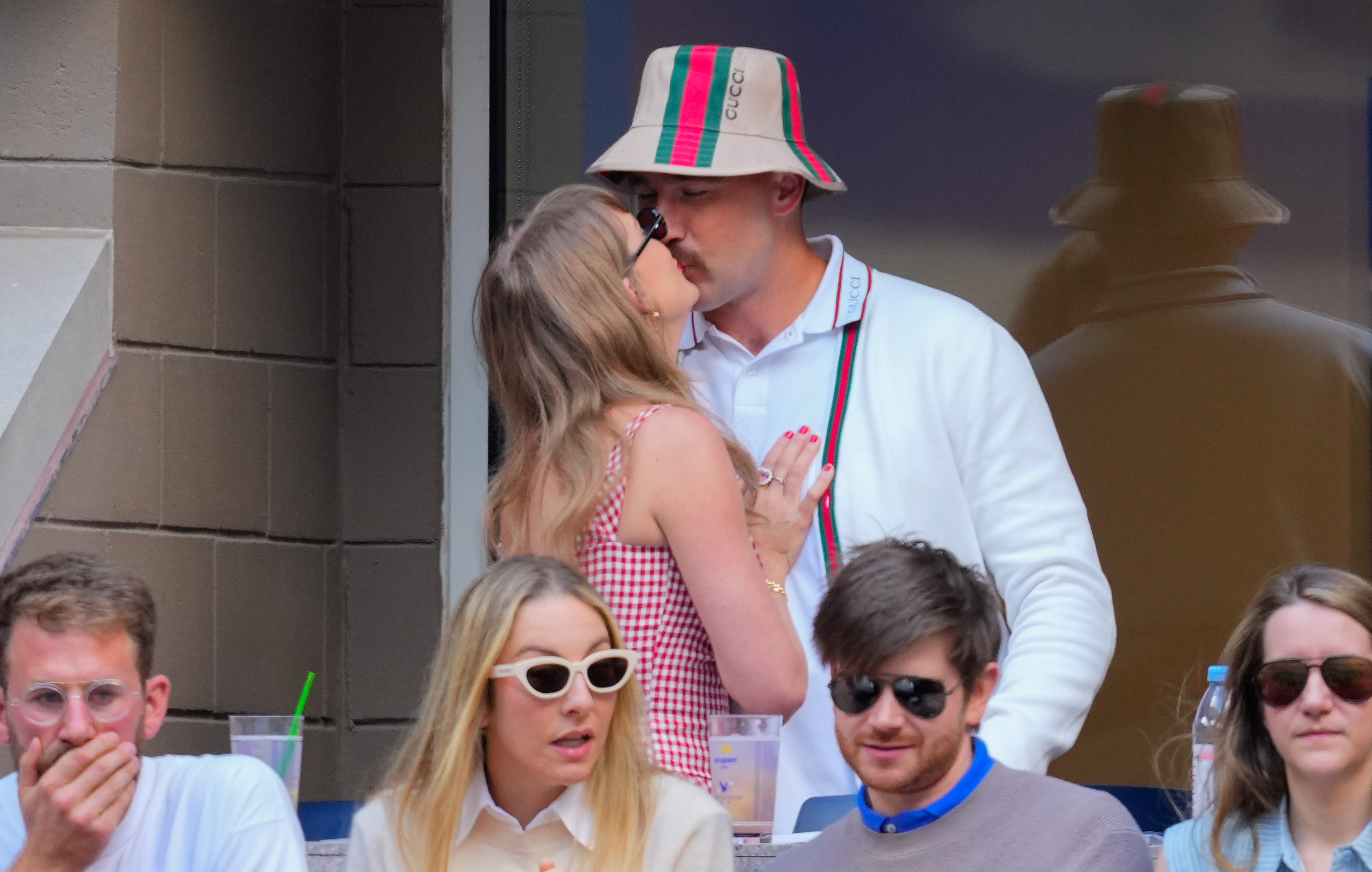
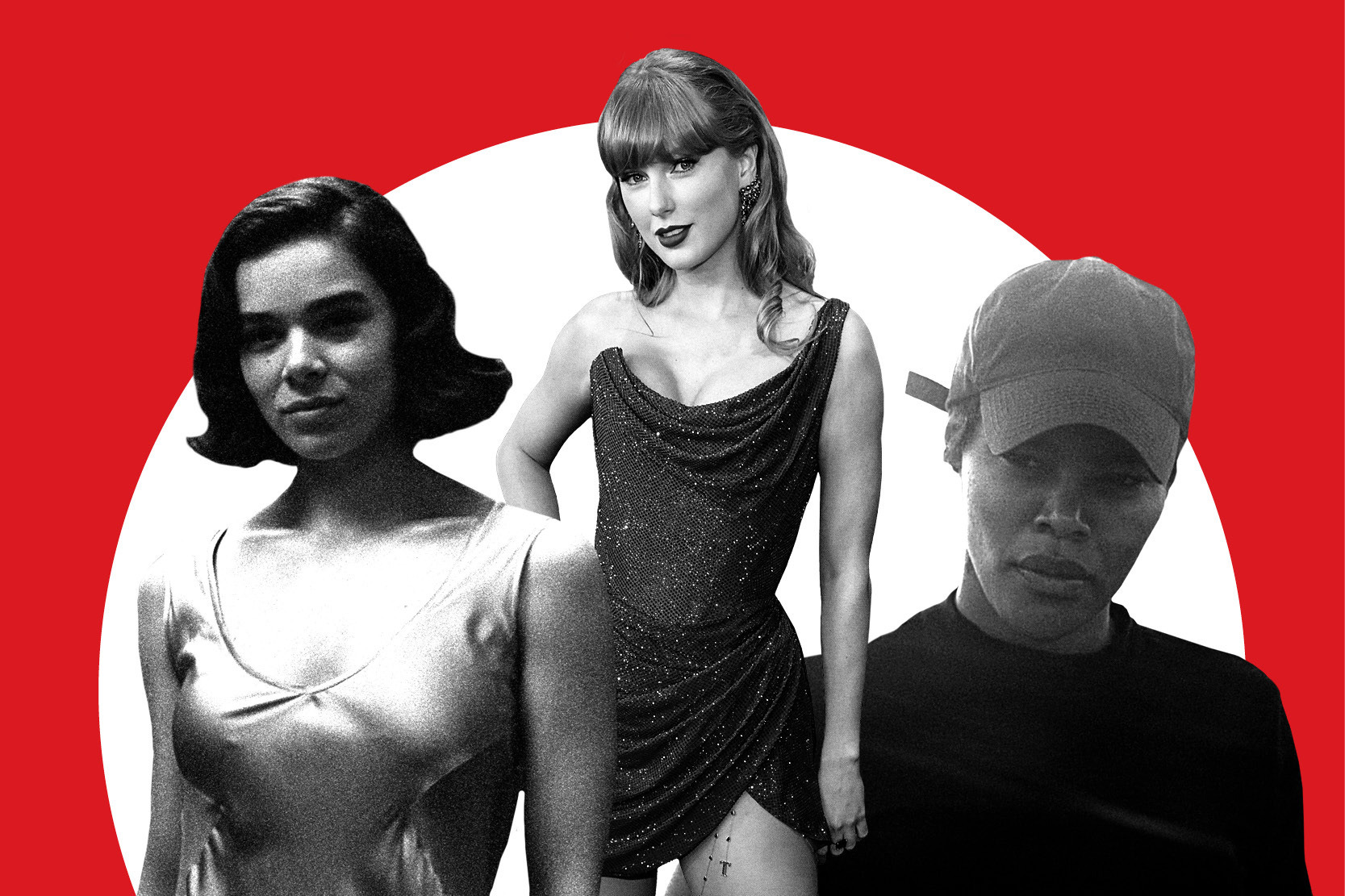
Taylor Swift has written the most sexually explicit lyrics of her career on the track “Wood” from her new album The Life of a Showgirl, as you’ve undoubtedly heard from anyone in your life scoffing about Travis Kelce’s alleged “redwood tree” and how it opened Swift’s “thighs.” (Shout out to anyone watching Kelce’s team, the Kansas City Chiefs, play the Jaguars in Jacksonville tonight, who can’t get that image out of their mind.) But whether you find her goofy wordplay (“girls, I don’t need to catch the bouquet to know a hard rock is on the way”) appealing or irritating, you can’t blame her for seizing the moment, where female sexual power is seemingly everywhere.
It started in the spring with Sinners, which somehow made time amid the blues music and vampire killing for multiple sex scenes in which the woman’s pleasure was very much emphasized. Then came a new Sabrina Carpenter album, Man’s Best Friend, over the summer, praising a man who makes “tears run down my thighs.” In One Battle After Another, Teyana Taylor’s revolutionary, Perfidia Beverly Hills, revels in the sexual dominance she has over a military man she despises (Sean Penn), eventually leaving him with a note that says, “my pussy don’t pop for you.” (It’s a line cribbed from rapper and One Battle supporting player Junglepussy.) And now here comes Swift, who also makes time in another song, “Actually Romantic” — her clapback to Charli XCX — to include the line, “it’s making me wet.”
I am certain this will be the first year at the Oscars that two top best picture contenders feature female characters having such a gleeful time saying the word “pussy.” Maybe it can be belated awards justice for Cardi B and Megan Thee Stallion’s “WAP,” which paved the way for all of this but wasn’t even submitted for Grammy recognition back in 2020. Life of a Showgirl got me wondering over the weekend, though, if there’s something more significant at work here, as different as all these projects seem to be. Sinners and One Battle After Another are not only directed by male filmmakers (respectively, Ryan Coogler and Paul Thomas Anderson), but they are also deliberately focused on Black female sexuality. In contrast, Swift, the most powerful celebrity on the planet, is making a deliberate choice by writing a song devoted to her fiancé’s assets. Maybe the only real connective tissue is just the most basic, carnal human impulse.
But bear with me for just a second. We’re nearly a decade past the seismic arrival of #MeToo, in which a considerable number of women — Swift included — came forward with stories of how their most personal agency had been taken away from them. The reclamation project has been messy, often unsatisfying, and is far from over, despite what the Italian journalist talking to the cast of After the Hunt might suggest. But it’s undeniably changed our cultural understanding of a subject that Sinners, One Battle After Another and Swift are all reckoning with in their own fascinating ways: sex, power, sex as power, and what it means when women can enjoy both.

More Globes Mess
The Golden Globes have announced the 25 podcasts that will qualify for the group’s first-ever best podcast award, and as you might expect from the Globes, it’s already messy. Podcast world insiders are in Page Six claiming the whole thing a “racket,” complaining that the criteria that the Jay Penske-owned Globes are using to narrow down the top 25 podcasts are determined by Luminate, which, of course, is also owned by Penske.
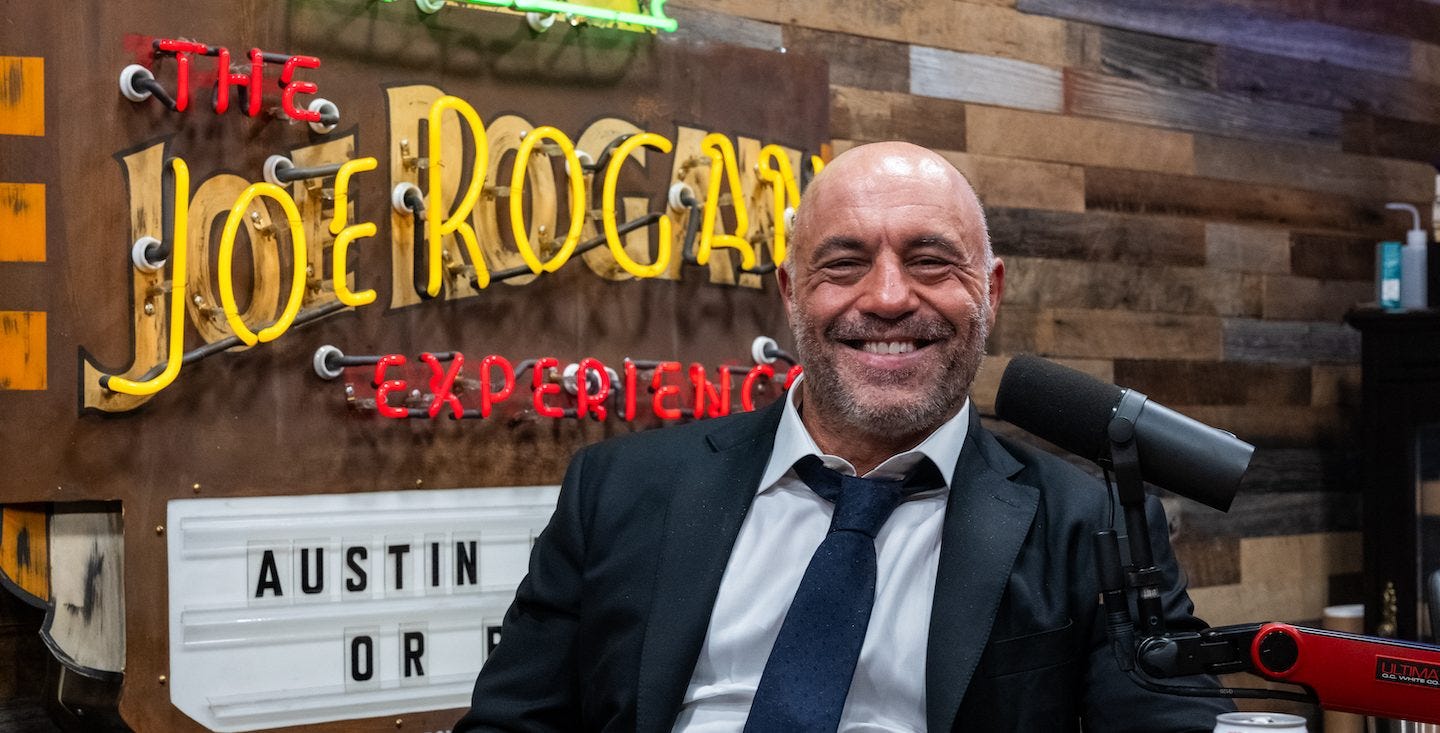
Anyone who has followed my colleague Richard Rushfield’s reporting on the Golden Globes organization surely won’t be surprised that not everything there is as straightforward as it seems. But from a purely awards-focused perspective, this list of 25 is about what I would have expected, combining manosphere and/or right-wing podcast titans — such as Joe Rogan, Megyn Kelly and Tucker Carlson —with the more typically Hollywood-friendly names like Amy Poehler and Dax Shepard. Given the international makeup of the Globes voters and their well-documented fondness for stars, I’d expect the nominees to largely be made up of the latter group. Then again, they managed to avoid including Conan O’Brien or Marc Maron, so maybe an exclusively Hollywood focus was never the goal.
One surprising omission, to me at least, is Charlie Kirk, whose podcast has rocketed up the Apple charts since his murder last month. (It’s among the top podcasts on Apple as of this writing.) In a world where Build-A-Bear franchises are being criticized for refusing to write Kirk’s name on their merchandise, it is probably much easier for the Globes to leave him out of this category entirely. But I still wouldn’t be surprised if there’s a round of backlash when the list of nominees is announced and Kirk isn’t on it. I don’t think any Globes voters can be fired under pressure from Republican senators, but that probably won’t stop them from trying!

Hitting the Road
Regional film festival season is in full swing, with the talent behind some of the biggest hits of Venice, Telluride and Toronto now criss-crossing the country to meet audiences — and Oscar voters, naturally— in more intimate and bucolic settings. I’ll be part of it myself, heading to Middleburg, Va., the weekend after next, while many of my Ankler colleagues — including Richard and Sean McNulty and my After Party cohort Christopher Rosen — will be in Montclair, New Jersey, where I had a fantastic time last fall.
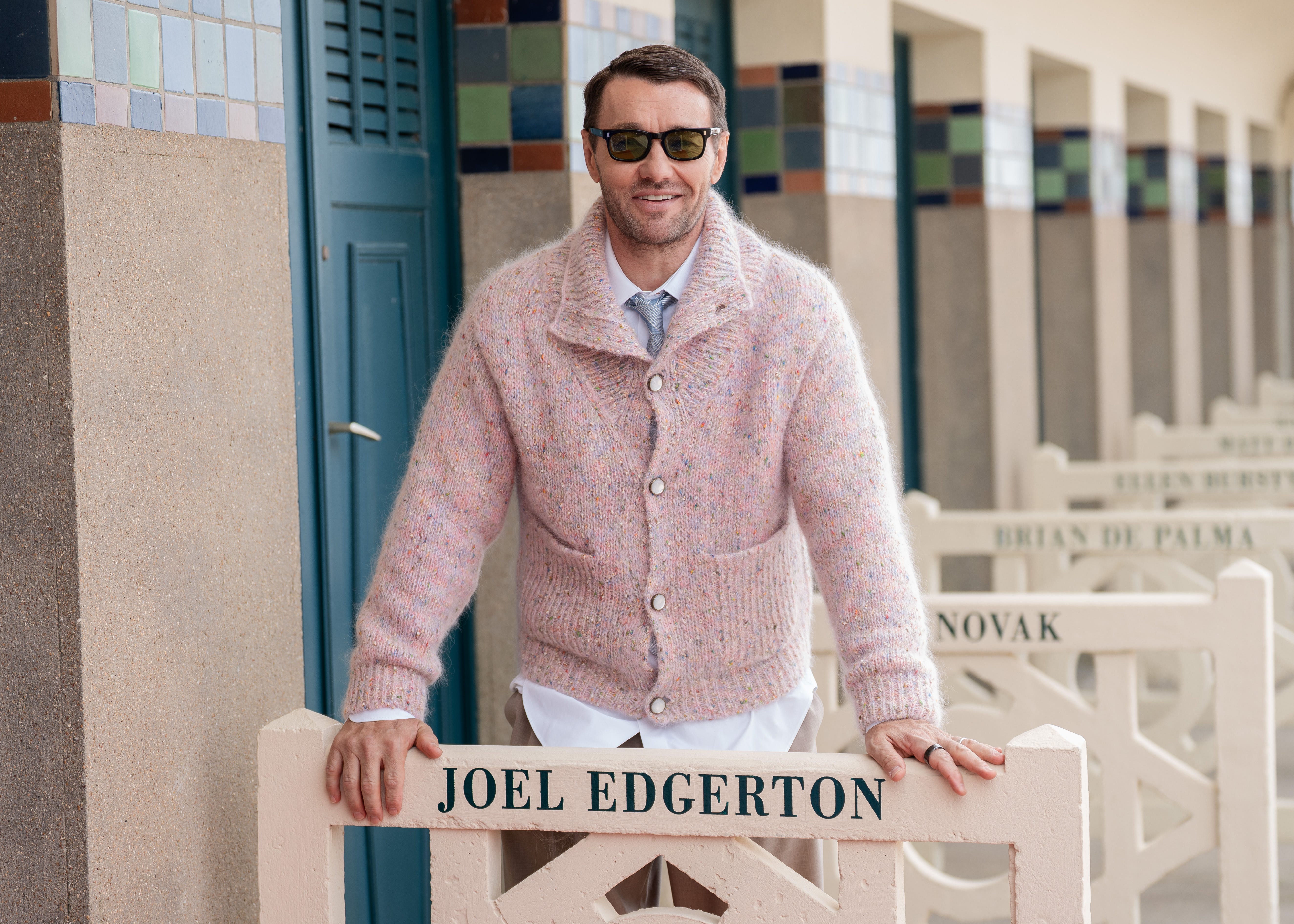
Some of these festivals are still finalizing their lineups, but it’s already becoming pretty clear who’s really going for it. Joel Edgerton, my guest onstage in Toronto and star of my beloved Train Dreams, will also be in Middleburg to receive the Outstanding Achievement in Acting Award, which he can add to his shelf alongside the Vanguard Award from the Savannah Film Festival and the Spotlight Award at the Mill Valley Film Festival. Other films are allowing their talent to divide and conquer — Jessie Buckley received an award in Mill Valley when Hamnet opened that festival; director Chloé Zhao and composer Max Richter will be representing the film in Middleburg. Nina Hoss is receiving a Middleburg award for acting for Hedda, while her co-star Tessa Thompson will be accepting the Distinguished Performance Award in Savannah.
These awards, negotiated with talent and announced in advance, differ from the audience awards presented at these festivals, which provide a good indication of how Oscar hopefuls are performing with more populist regional festival crowds. The tribute awards are more like a signal of which films have the highest hopes from their studios, and even more so, which actors and filmmakers are willing to do the work and shake as many voters’ hands as possible. These festivals can be a considerable boost to underdogs — I remember being stunned in 2018 that Netflix had flown Roma stars Yalitza Aparicio and Marina de Tavira to the tiny, sadly now defunct Film Fest 919 in Chapel Hill, N.C. Their presence at that festival alone wasn’t what earned them both Oscar nominations, but their willingness to engage with voters everywhere may have been what ultimately did.
I’m delighted to see Edgerton getting out there, given the tight best actor race he’s facing, as well as Nouvelle Vague star Zoey Deutch, whose performance as Jean Seberg in Richard Linklater’s Netflix movie about the making of Breathless deserves to find a foothold in the best supporting actress race. And we’ll see what other personal favorites emerge once we’re all together in Middleburg. Come on, I, too, am not immune to the power of rubbing elbows with talented people in a beautiful location.
Now, before I go, here’s Chris with an update on how the Prestige Junkie pundits view the best actor race. For more on the pundits’ picks every week, subscribe to Prestige Junkie After Party.

Father Figure
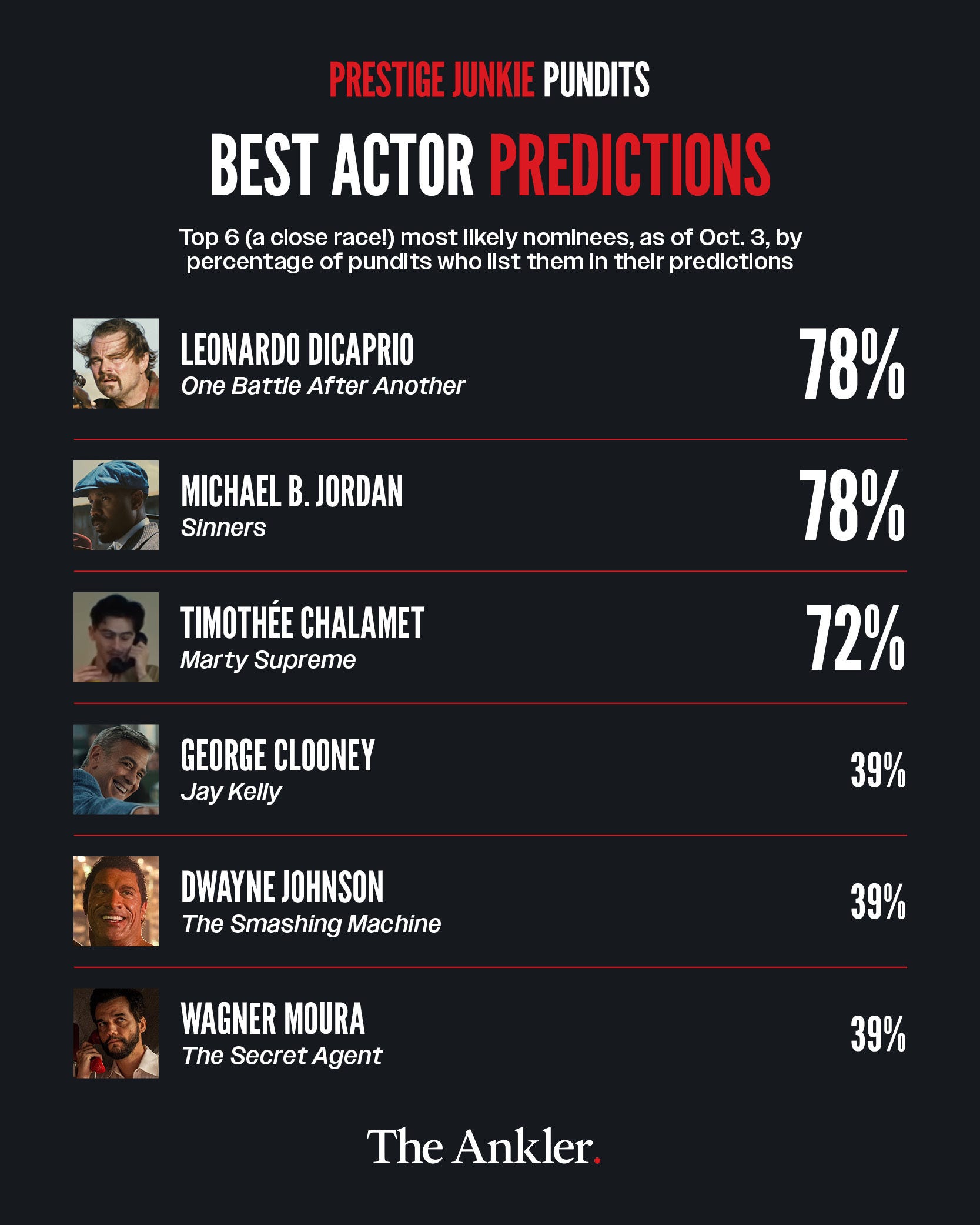
Thanks, Katey! Let’s flash back to this time last year, when most pundits expected that The Brutalist would win Adrien Brody his second Oscar, and even a late push from Timothée Chalamet, who beat Brody at the Screen Actors Guild Awards, couldn’t stop that prediction from coming true five months later.
This year, good luck finding such certitude in the best actor race. As Katey noted above, the category runs so deep that even someone like Channing Tatum — who has gotten the best reviews of his career for Roofman — is maybe already an afterthought.
Still, if there is a consensus at the moment, it’s around Leonardo DiCaprio. Fourteen of the 16 Prestige Junkie pundits expect him to land a nomination for One Battle After Another (tied with Michael B. Jordan for the most mentions of any actor; that’s great news for the Sinners star’s chances, by the way, which I’m sure is music to Katey’s ears!). Better still, eight pundits (including yours truly) expect the former winner for The Revenant to take home his second Oscar.
Perhaps that’s recency bias, but as someone who is predicting him to become a two-time winner next year, I can see the vision: DiCaprio’s in top form as a frazzled former left-wing radical in Paul Thomas Anderson’s latest, which has become the movie of the year so far. That could be enough. But there’s also more to it, since DiCaprio is, arguably, stretching: While he’s done the seriocomic thing before in his Oscar-nominated performances from The Wolf of Wall Street and Once Upon a Time in Hollywood, and he’s played fathers in multiple movies, he’s never been a dad. However, in One Battle, his character exists almost solely to protect his daughter, and his selfless sacrifices throughout the movie allow DiCaprio to reveal new facets of his persona to the audience. It doesn’t mean he’ll go all the way, but the Academy has a long history of rewarding dads, good or bad, including recent winners Anthony Hopkins, Will Smith and Brendan Fraser.
DiCaprio’s not the only father figure (shout out to Taylor) in the race — fatherhood is a key aspect of the characters played by George Clooney, Edgerton and Will Arnett, among others — but he might be the most heroic. The guy wants to save his daughter so badly that he even puts up with an annoying customer service rep. That’s love. — Christopher Rosen