

The Paramount-Warner Deal Isn’t Inevitable. It’s Starting to Unravel
10 reasons this isn’t done yet

Finally, there are people paying attention.
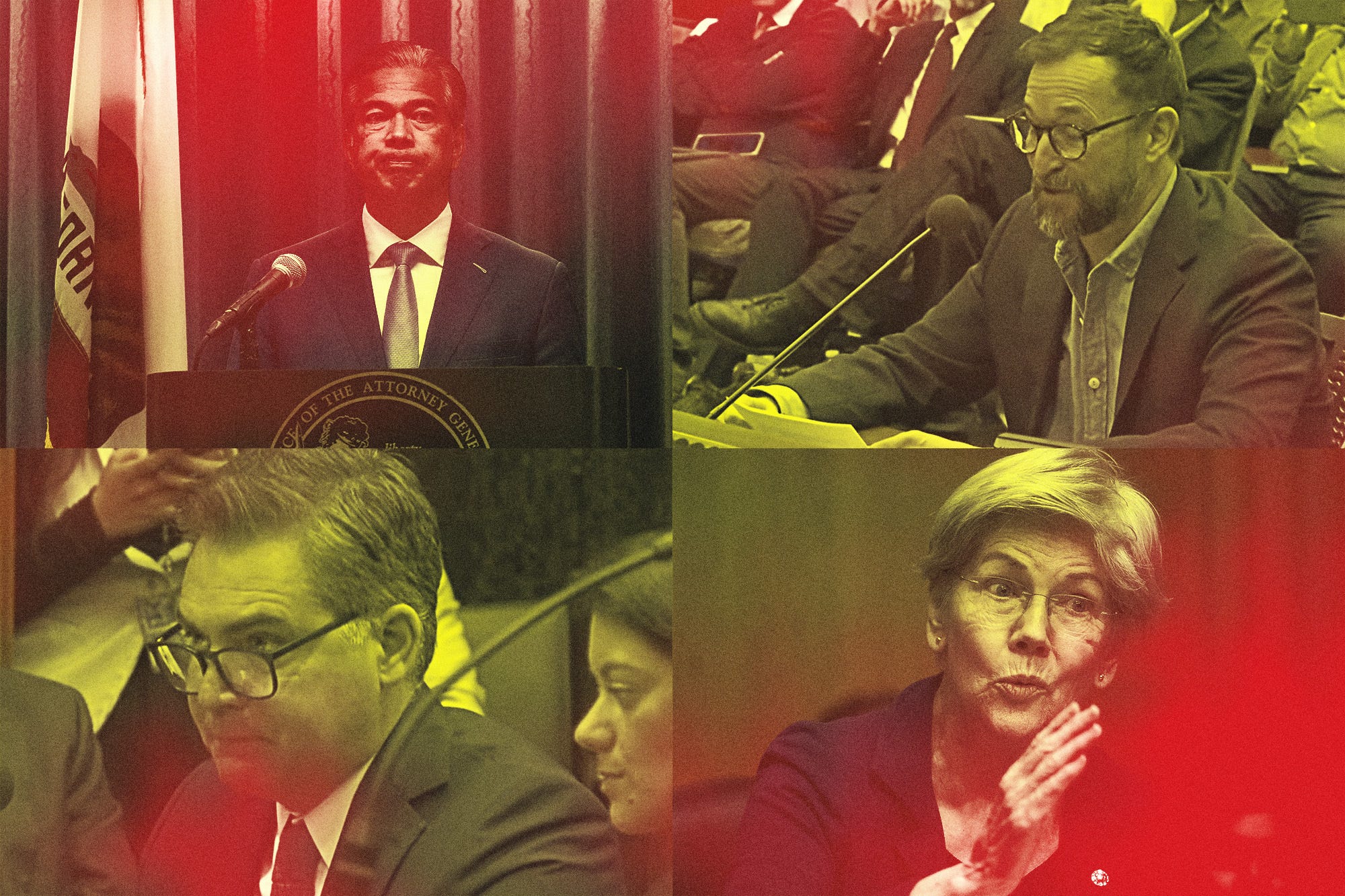
Late last week, Senator Adam Schiff held a hearing in Burbank called “Lights, Camera, Competition: Promoting American Film Production,” where Schiff and his Congressional colleagues, Lou Correa, Sydney Kamlager-Dove and HBO alum Laura Friedman, seemed impressively engaged and informed on multiple topics, including the basic contours of the Paramount-Warner Bros. deal.
After months of the conversation about this deal being held entirely in media columns — and restricted to the topic of “how will this affect the shareholders?” — it was almost surreal to see the topic suddenly leap out of pixels into the real world, with actual concern for real-world consequences.
The witnesses before the committee laid out a buffet of reasons why this deal is terrible for the community, the people who create entertainment and consumers.
Jax Deluca — head of the Future Film Coalition, which has taken the lead in opposing this deal (see: blockthemerger.com) — testified to the corrosive effect of media mergers and made clear that vague promises made now have no legal standing down the line and are routinely disregarded later.
IATSE President Matt Loeb talked about the perilous state of production labor in the U.S. today.
The Pitt star-director-producer Noah Wyle testified about the number of jobs the HBO Max show has created for the local community, as one of the few shows that shoot here.
And former CNN anchor Jim Acosta noted the devastating effect on journalistic accountability that will result in so many of our major institutions falling under the control of one family, which has already bent over backwards to please this president.
“If this merger goes through,” he said, “the guardrails are gone. It seems to me the fix is in.”
That’s a lot of reasons to be concerned about this. Or at least a lot of reasons to think that something with the potential to have such a big impact on our community, our industry and our entire democracy should be a matter for consideration by someone other than Warner Bros.’ largest shareholders.
Indeed, California Attorney General Rob Bonta, whose office is considering whether to take active steps against the deal, was also on hand at the hearing — and while he was tight-lipped, his presence signaled that he doesn’t consider this to be a closed case.
And yet, when you talk to… everyone in Hollywood, they roll their eyes at the suggestion that there’s anything that can be done here.
Worse than that, the crushing consensus that this is over has kept those who could make a difference right now from speaking out and getting involved.
Well, I’ve said this before and said this again — this isn’t over.
Oversight is not just a matter for one corrupt FCC chair to dispense with at his personal whim.
Worth highlighting two of my colleagues’ stories with some pretty stark warnings in the past week:


But more than that — having looked at this from all sides — I’m ready to turn this narrative on its head. This deal is so problematic and so tenuous at every level that not only is it not inevitable, but I’ve come to believe the inevitability lies in the opposite: It won’t happen. In fact, it has to fail because it is fated to collapse under the weight of its many issues.
Here are my top 10 reasons why the Warners-Paramount deal is doomed: