

The Live Nation Verdict Won’t Fix Tickets. It Should Rattle Hollywood
The same attorneys general eyeing Paramount-Warner land a victory, but not clarity on what happens next


Robert Levine and Glenn Peoples wrote about Bill Ackman’s bid to acquire Universal Music Group. Levine is the former deputy editor of Billboard and author of Free Ride; Peoples is the former lead analyst at Billboard.

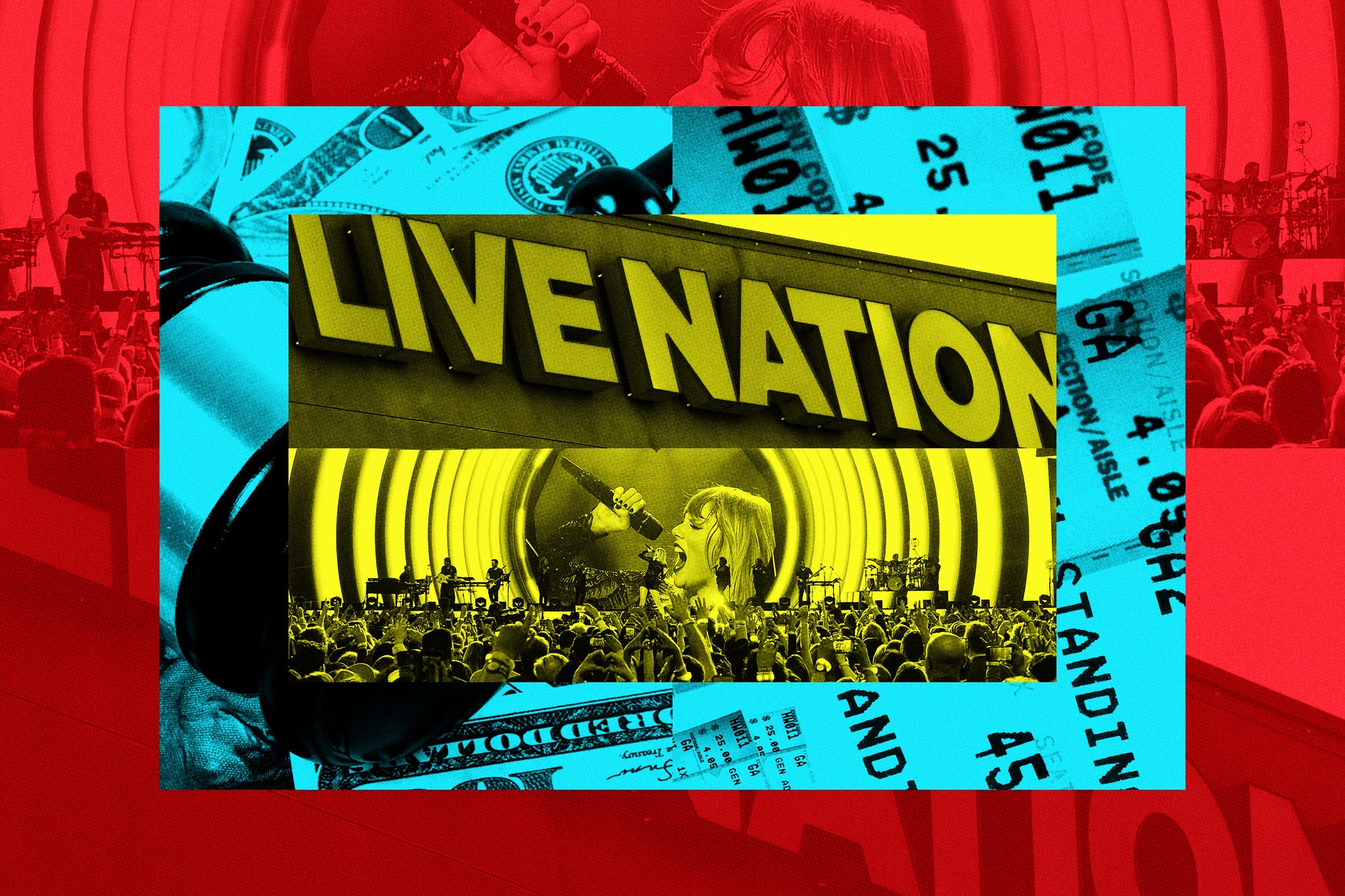
Wednesday’s jury ruling that Live Nation operated as a monopoly in the concert and ticketing businesses is, on paper, a very big deal — the kind of decisive, high-profile antitrust win that competition activists have wanted for years.
And though it could change the live music business, this won’t happen soon, or necessarily in ways that will greatly benefit consumers. Before anyone starts imagining cheaper tickets and smoother online sales, a harsh reality check: This likely isn’t going to fix the part of the concert experience that makes fans miserable.
Even if Live Nation ultimately is forced to spin off Ticketmaster — a remedy that New York Attorney General Letitia James said the states will seek but is far from guaranteed — the biggest drivers of high prices and scarcity remain. There’s still only one Taylor Swift, BTS or Harry Styles, and still only so many seats that millions of people will try to get at the exact same time.
In other words, this case could reshape who has power in the live music business, without doing all that much for consumers.
But Hollywood — and big tech — should pay close attention. The ruling demonstrates what happens when regulators — in this case a coalition of states — decide a modern entertainment giant has gotten too big to compete with fairly. Even though the Department of Justice under Pam Bondi earlier settled with Live Nation, state attorneys general can — and did — keep going with their own case.
Worth noting: One of those most vocal in the fight against Live Nation was California Attorney General Rob Bonta. Just a few weeks ago, he wrote a Substack post promising an aggressive state review of the proposed Paramount-Warners deal, which he said “could hamper competition, drive down wages, jack up prices, reduce the number of shows and films produced each year, result in job losses, and hurt content quality.”
The Live Nation ruling is now a real-world test. The Justice Department accused the company of cornering the market on concerts, venues and ticketing — and of using its size to bully competitors, punish venues that went with rival ticketing companies and gobble up smaller players before they could threaten its dominance. Now the states will try to impose the kind of structural changes that have teeth rather than agreements that companies haven’t always followed in letter, much less in spirit. Live Nation has vowed to fight back in the appeals process.
Today, we break down what happened and what it may (and may not) mean for the next wave of consolidation across entertainment.
 | A guest post by
|
 |
|