The Good, Bad & Bargatze of the Emmys
Winners suggest an industry pivot to feelings, my thoughts on what worked and where Nate went so wildly wrong

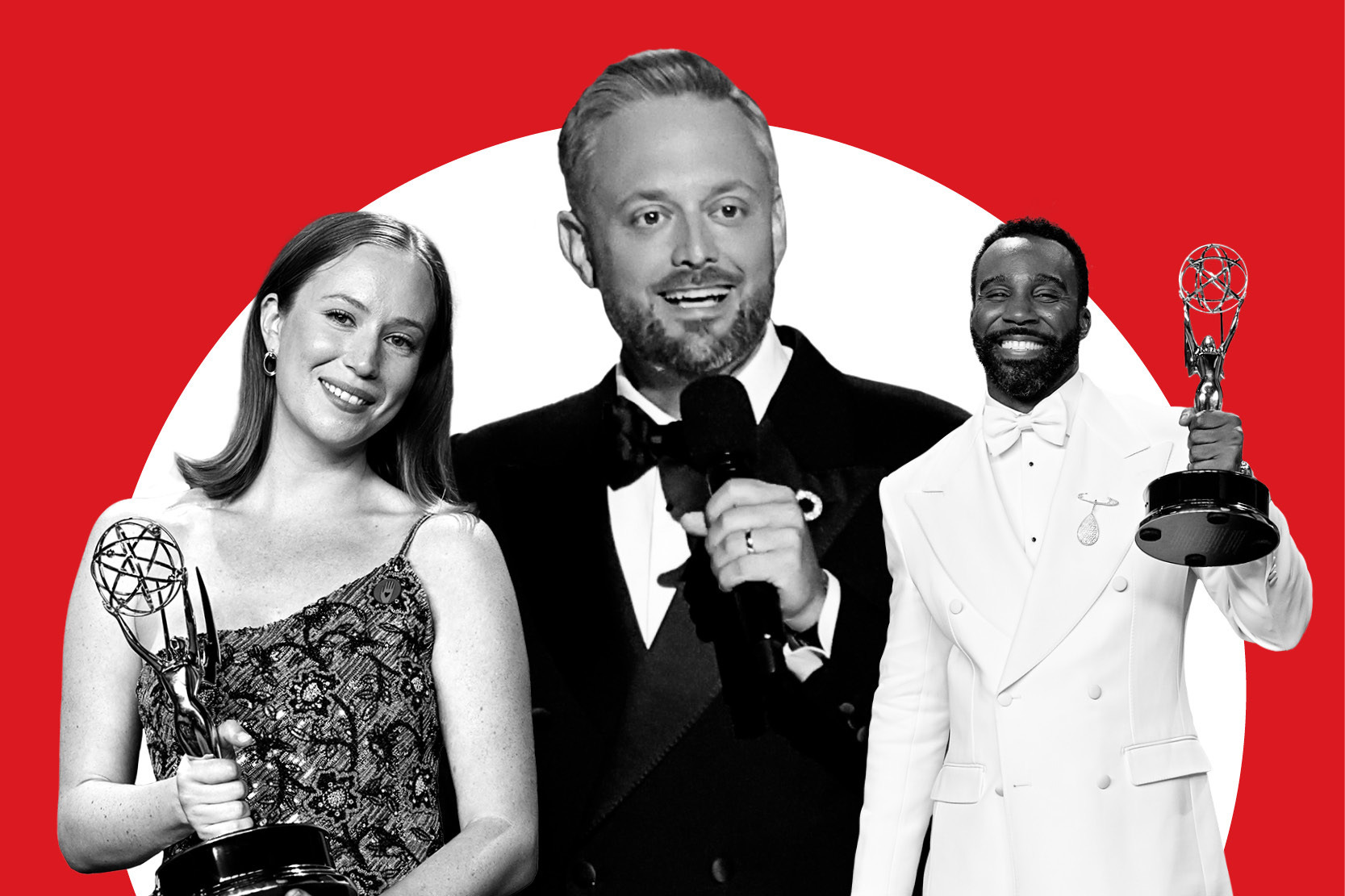
The 77th Emmy Awards broadcast started so strong, with host Nate Bargatze playfully mocking the importance of the awards themselves, at least in comparison to the Oscars, during his truly funny opening sketch. But maybe what was most surprising about last night’s show (besides the Bargatze of it all; don’t worry, I’ll get to him below) was how well it pulled off the things the Oscars often rarely do — particularly rewarding people who are overdue for recognition, and offering genuine surprises.
I talked about it all with Christopher Rosen in our epic, three-hour Emmys watchalong last night, where a lively and incredibly smart group of Prestige Junkie After Party paid subscribers joined us for the whole thing. You can still become an After Party subscriber and revisit our viewing party (on tape); Chris and I also recorded today’s episode of the Prestige Junkie podcast — available to everyone; subscribe on Apple Podcasts — recapping the night’s biggest moments.
If you want to see what genuine Emmys surprise can look like, for example, take The Penguin star Cristin Milioti’s overflowing joy at her win for best actress in a limited series, in what turned out to be the only win during the primetime Emmys broadcast for a limited series not called Adolescence. The Penguin aired last fall, and Milioti already has won a Critics Choice Award and was nominated for a SAG Award and Golden Globe for the performance. She has clearly known for a while that an Emmy win was a possibility. But those precursor awards happened months ago, and before her competitors' performances in Dying for Sex (Michelle Williams), Black Mirror (Rashida Jones) and Sirens (Meghann Fahy) had even aired. Without the long march of run-up awards, like what happens in Oscar season, neither Milioti nor anyone else in that room really knew who would win.
That goes double for what was easily the most thrilling moment of the night, when Somebody Somewhere star Jeff Hiller took home the statue for best supporting actor in a comedy series. That race felt up in the air even in the nominations phase, and Hiller’s nom for the final season of the HBO comedy — a sweet, tender, deliberately small-scale series that Emmys perennially ignored — was victory enough for that underdog series. I’m not sure anyone had their hopes up that he would win, probably even Hiller, an admitted awards season nerd (one of us!) who is presumably very familiar with the phrase “it’s an honor just to be nominated.” (“I know that that sounds like being fake or trying to do false modesty or something. It’s not,” Hiller told me after the nominations this summer. “Nobody expected this.”)
The fact that Hiller really did win, and that so many of his fellow nominees seemed thrilled for him, really speaks to a unique power of the Emmy voting body. Still primarily based in Los Angeles, and made up of a lot of people who have worked and struggled in this particular industry, Emmy voters know better than almost anyone what it’s like to spend years working toward a big break that never comes. So when they got the chance to reward someone like Hiller, who, in his own words, is more accustomed to playing maître d’s than fully realized characters, they took it, and man, was it wonderful to see.
I interviewed both Milioti and Hiller this Emmy season, in addition to a ton of the other winners — from the night’s dominant forces, Stephen Graham (three wins) and Seth Rogen (four wins), to more overjoyed acting winners like The Pitt’s Katherine LaNasa and Severance’s Britt Lower. For the first time in my career covering Emmys, I also spent a decent amount of time with a lot of these contenders in person, from moderating panels with winners like Alan Cumming and Hannah Einbinder to bumping into Hiller or the cast of Paradise in various green rooms. I had a closer look than ever at the machinery of Emmy season this year, and learned how hard a lot of people have to work to navigate it — and how little anyone knows about what actually makes an Emmy campaign a success. Maybe these people won because they patiently did a ton of interviews with people like me; maybe shows like Adolescence and The Pitt would have triumphed no matter what. Hard as we may pretend otherwise, we’ll never know for sure.
There are plenty of themes you could draw out of last night’s winners. The roar of enthusiasm for The Late Show with Stephen Colbert, following its cancellation by CBS, the very network that was airing the Emmys, was probably the most politicized moment of the night this side of Einbinder’s pointed speech (“Fuck ICE and free Palestine”) and evidence that even hiring the apolitical Bargatze to host can’t keep the real world out of an awards show. It was also once again an excellent night for streamers and almost nobody else, though with Apple, HBO Max and Netflix splitting the drama, comedy and limited series wins, there’s at least some illusion of fairness. It also has to mean something that, in the battle of inside baseball Hollywood shows in the comedy series race, the glossier The Studio triumphed over the slightly more realistic Hacks.
But the theme that’s sticking with me most, thanks to those ebullient acceptance speeches and my lifelong desire to see awards as a force of good, is that we’re in a mood to reward sincerity. Or, as Chris and I put it in our podcast recap of the night, we’re in a “pivot to feelings” right now. From the emotional breakdowns of The Pitt to the wistful tenderness of Somebody Somewhere to Colbert’s heartfelt “God Bless America,” so many Emmy winners last night were speaking straight from the gut. Times are hard, and free expression isn’t as straightforward as it used to be. When you’re handed a microphone, you may as well say what you mean.

Nate Bargatze’s Rough Night
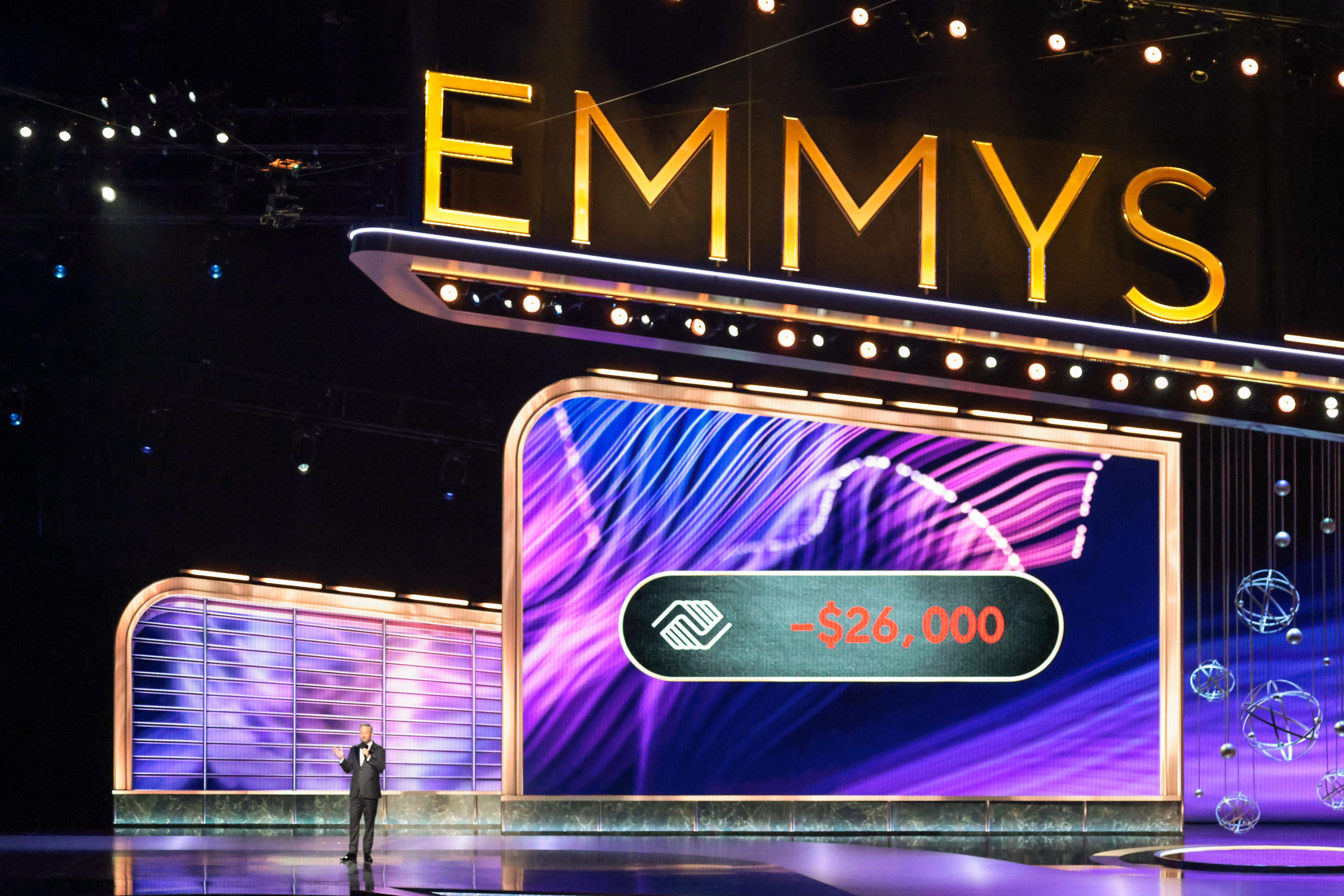
So does an almost unbroken string of worthy winners make for a good Emmys telecast? I wish it were that simple, and I wish that Bargatze — whom I still genuinely think was a great pick to host the show — weren’t so clearly to blame. After that opening comedy bit riffing on his wildly popular George Washington sketch from Saturday Night Live, Bargatze chained himself to a gambit that surely must have seemed like a good idea on paper, staking a donation to the Boys and Girls Club of America on whether winners could keep their speeches under their designated 45-second limit.
Sure, every awards show wants its speeches to be shorter, and we have all very recently witnessed the debacle that can ensue when they don’t. But the effect at the Emmys was only to make the winners more flustered, talking about how their time was running out rather than using it wisely. Craven headlines took the opportunity to make it sound like Einbinder or LaNasa were willingly taking money from the pockets of deserving children, but only because they were the ones who came before the producers had the sense to turn off the money counter for the actually good speeches. Adolescence star Owen Cooper and Milioti got to go over their time without having to watch literally thousands of dollars disappear in the process.
Of course, it was all rigged in the first place — the money clock ended in the red, because nobody can give a good speech in under 45 seconds, and Bargatze and CBS donated more money to make it all right in the end (he pledged $250,000 with CBS chipping in $100,000). The money counter could have been just another failed but harmless bit, though, if it hadn’t been the only thing Bargatze had to talk about all night. Every time he returned to the stage as host, it was to either scold the person who had just run too long — “Lorne Michaels, you cost the Boys and Girls Club a lot of money” — or remind the audience of just how much imaginary money it had disappeared. Awards show hosts are supposed to be enthusiastic cruise directors (and I did hear that Bargatze’s shtick played well in the room). But, watching at home, it came across like he was stuck acting like a scolding teacher overseeing detention.
As Chris and I said near the end of our podcast conversation, we are past the point of trying to speed up or jazz up awards shows to get people to keep them on their televisions. With countless options for what you can watch on TV — courtesy of those streamers who cleaned up so many awards last night — you cannot hope to lure in someone who would otherwise be watching Sunday Night Football. Make it a good awards show for the people who actually like awards shows, and who have surely turned in to see heartfelt speeches and not, with all due respect to both Reba McEntire and the late Bea Arthur, overlong Golden Girls tributes. Nobody wants to win an award while feeling like they are being morally shamed for talking too long. Nobody wants to watch anyone win an award that way, either.
That said, I refuse to end any of this on a down note. There were great winners, good surprises, and an all-too-rare sense that sometimes decades of hard work in Hollywood can actually be rewarded. When the show wrapped up, I had to jump immediately into even more podcasting. Still, my colleagues Natalie Jarvey and Elaine Low hit some of the after parties and shared a few details about how that ebullient mood continued on the ground.

Emmys Party Report
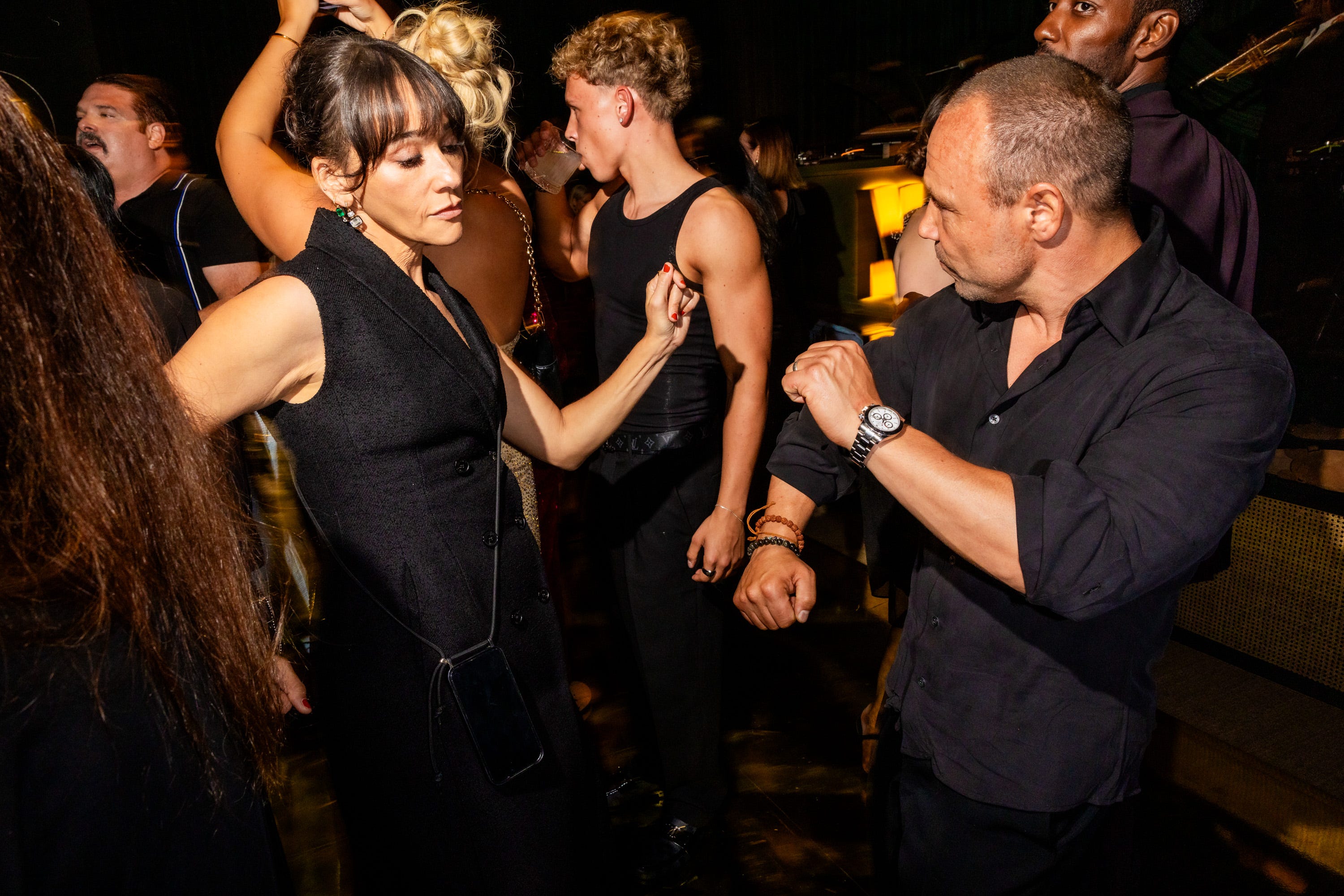
“Netflix always gets people dancing,” Natalie tells me of the streamer’s post-show afterparty. Natatlie witnessed not just the expected crush of well-wishers surrounding Graham and the Adolescence team (including Netflix boss Ted Sarandos getting in some selfies), but The Four Seasons nominee Colman Domingo stepping up to the microphone to join DJ Anderson Paak. onstage. Black Mirror’s Jones joined Graham at one point on the dance floor at Nya Studios in Hollywood.
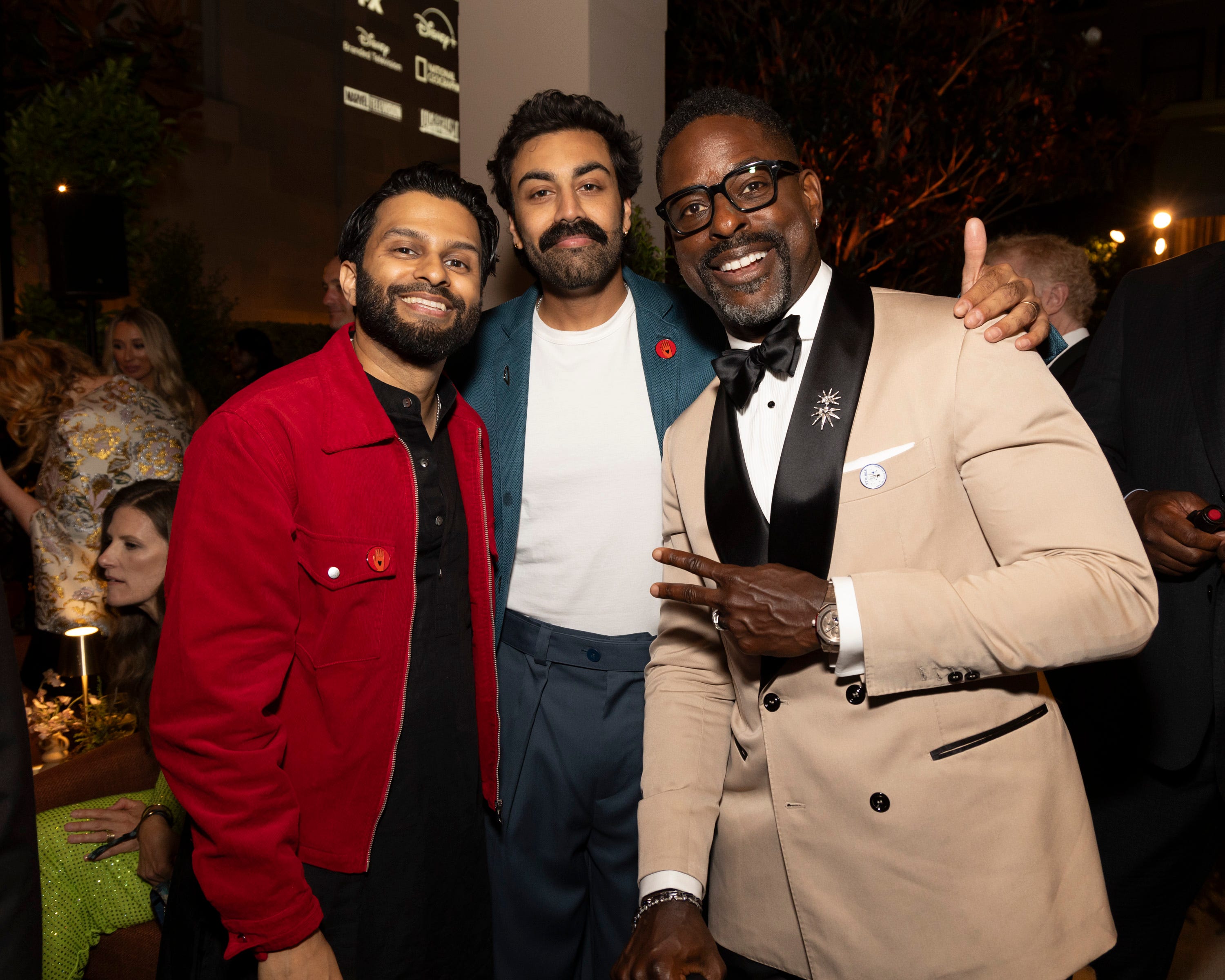
Elaine was at the Disney party, where last year she saw Bob Iger and Dana Walden holding court following Shōgun and The Bear’s record-setting night. This year, it was a bit different: Andor’s incredibly well-deserved win for writer Dan Gilroy was the only major victory of the night for the company, so things were more subdued as a result. Still, attendees included Hulu drama head Jordan Helman, Only Murders star Richard Kind, former This Is Us costars Justin Hartley and Sterling K. Brown, producer Jess Rosenthal, the cast of Deli Boys and comedian Atsuko Okatsuka (Walden was also on hand). Overall, the crowd was substantial at the classy venue Vibiana, a former cathedral, despite the unfulfilling results. (After setting a record in 2024 for a comedy series with 11 wins, FX’s The Bear was totally blanked in this year’s cycle — and its place in Emmys history was erased by The Studio, which won 13 Emmys to set a new high-water mark for a comedy.)
As for the food report — which, let’s be real, is the most important part of all this — it sounds pretty heavenly: a martini cart and a burger and fries trolley at the Netflix party, and an oyster bar and an outrageous ice cream spread over at Disney. “I had two ice cream bars and an olive oil-dipped soft serve, [it] made the night count,” reports Elaine. As someone still dreaming about the New Zealand soft serve I had at a YouTube FYC event many months ago, I know exactly what she means.

From Toronto, With Love
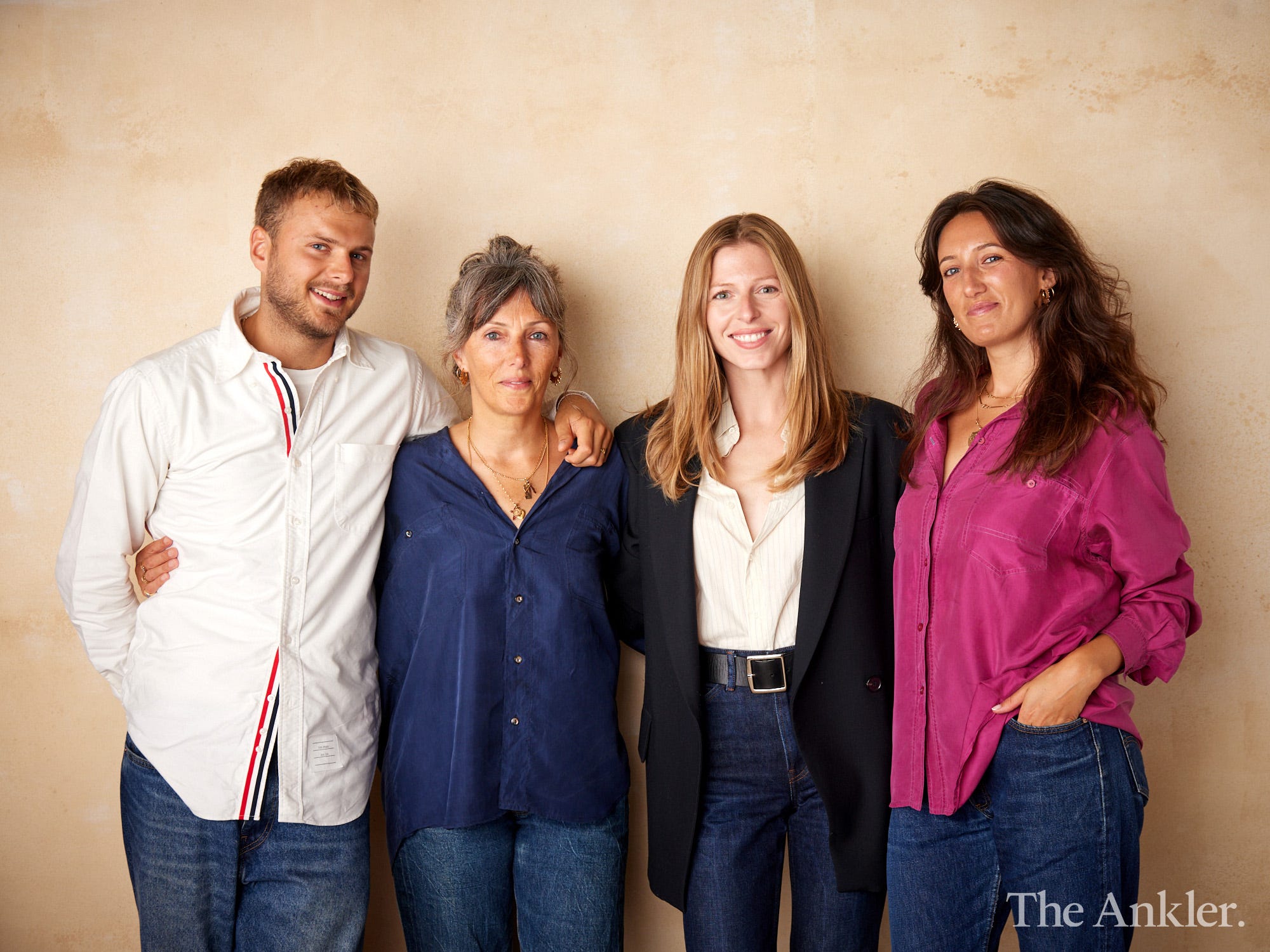
Before I go, one last dispatch about the Toronto International Film Festival, which closed out on Sunday with Chloé Zhao’s Hamnet winning the fest’s prestigious audience award (making Zhao the only director to ever win that honor twice, after taking the title for Nomadland during the pandemic-impacted 2020 event). While TIFF is officially over, I’m not quite done sharing the gorgeous photos captured by Chris Chapman in our studio at Soluna Toronto. Check out exclusive portraits of the teams behind two indie coming-of-age dramas: the Scotland-set story of male friendship, The Son and the Sea, from director Stroma Cairns (above), and Girl, the directorial debut of Taiwanese actor Shu Qi (below).