

The Documentary Dilemma: Must-See Films, Hardly Seen
At Full Frame, packed theaters and standing ovations reveal what’s working — if only the rest of the business followed

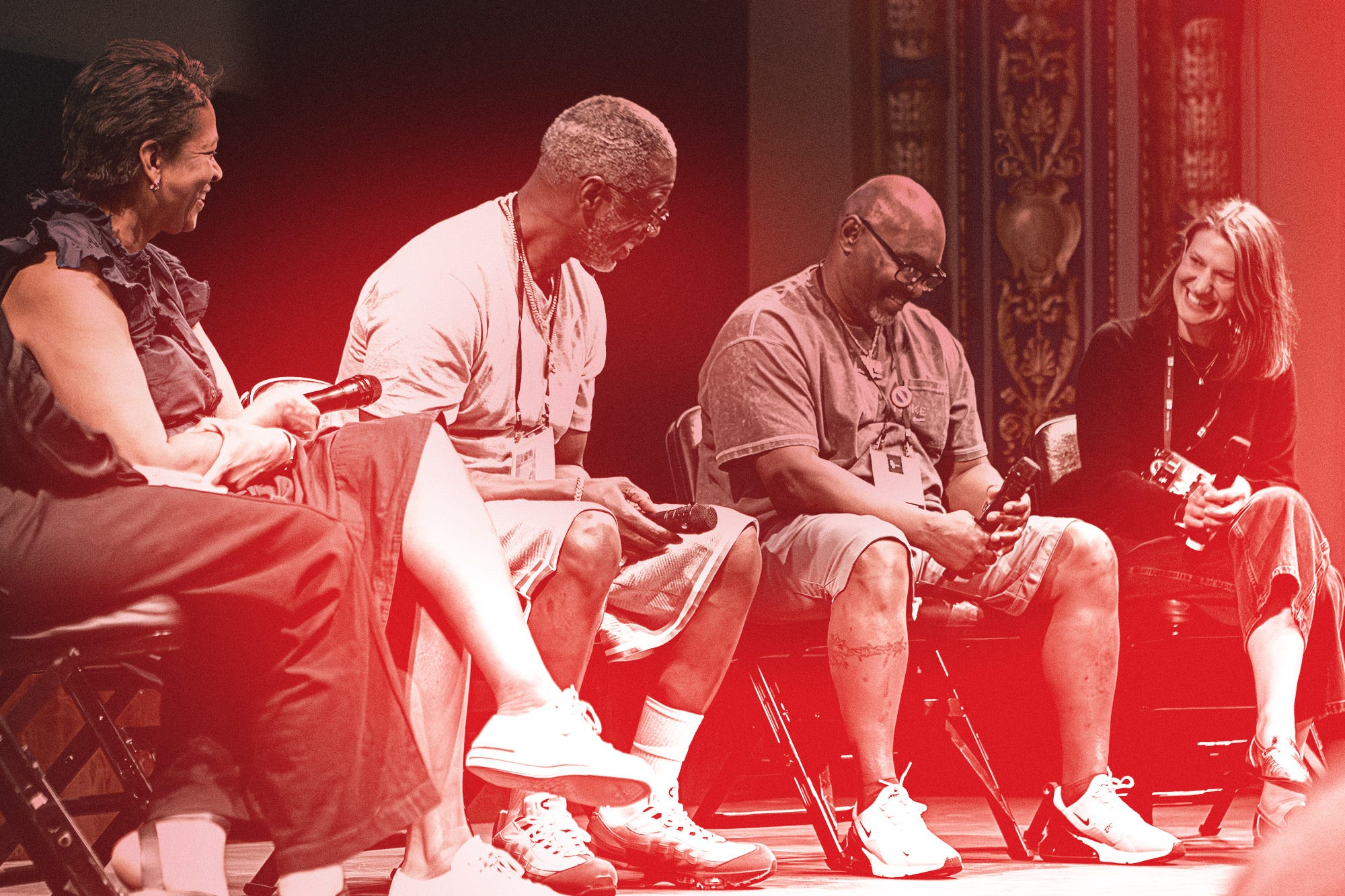
Ever hear an audience go pin-drop silent while watching someone speak onstage? That’s what I experienced first-hand this weekend at the Full Frame Film Festival, the documentary-only event held in my own glorious city of Durham, N.C.
Saturday’s primetime evening programming slot in the grand historic Fletcher Hall at the Carolina Theatre was reserved for When a Witness Recants, the new film from Dawn Porter (Gideon’s Army, John Lewis: Good Trouble), and the Q&A afterward was reason enough for celebration. But the ecstatic reception around When a Witness Recants — more about the movie itself in a moment, I promise — got me thinking a lot about what felt like the theme of the entire weekend: attention, and how to get it. It’s a particularly urgent topic in the documentary world these days, when everyone will tell you the bottom has fallen out of the box office and even hugely acclaimed, award-winning docs struggle to find distribution.
But attention is the name of the game for any storytellers, from the CinemaCon dog-and-pony show that was wrapping up last week just as Full Frame got started to the streamers who seem to have accepted sharing attention with a viewer’s laundry. The audience at a documentary film festival is a bad gauge for the average person’s attention span, sure. But sitting with rapt moviegoers, and even watching the artists onscreen, turned out to be a great lesson in how to get people to really see you — and get them to stick with the story you’re unfolding.

Breaking Through the Noise
Back to When a Witness Recants. The film’s focus is the kind of miscarriage of justice that can feel infuriatingly common in America — three Black teenage boys wrongfully convicted of murder in 1980s Baltimore, despite ample evidence to prove their innocence. The three men — Andrew Stewart, Ransom Watkins and Alfred Chestnut — spent 36 years in prison before being exonerated in 2019, and Porter captures their stories in affecting, careful detail.
Then there’s Ron Bishop, who was the actual subject of the New Yorker article that sparked the film in the first place. As a 14-year-old, he says he was bullied and threatened by the Baltimore detective who eventually convinced him to lie on the stand, effectively sending Stewart, Watkins and Chestnut to prison for a crime Bishop knew they hadn’t committed. Bishop is the key fourth leg of this table, and helps create the film’s extraordinary and uncomfortable ending, in which Porter gathers Bishop with the men he accused — and it absolutely does not go according to plan.
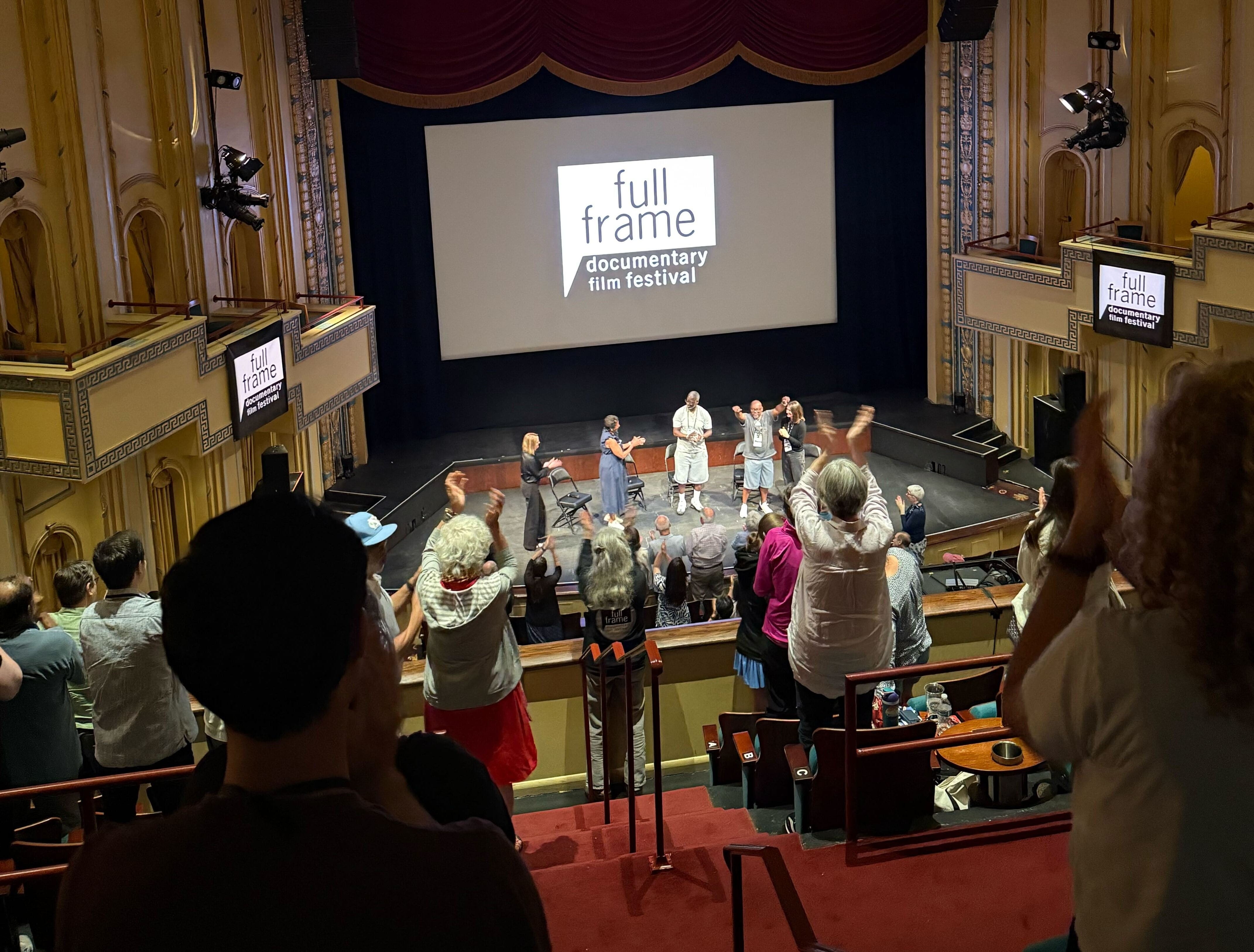
The fact that Porter manages to tell all four of these stories with empathy, in addition to unraveling the police records and other complexities of the original case, is a remarkable feat of her directing and of Jessica Congdon’s editing (she was also present for the Q&A). But the real stars on that stage, as you might have guessed, were Watkins and Stewart, who were met with an immediate standing ovation and full attention as they explained frankly how difficult it was for them to decide to participate in the film and revisit the past just as they were getting ready to leave it behind.
With distribution from HBO Documentary Films, When a Witness Recants — which premiered at the Sundance Film Festival in January — will likely make the festival rounds before being a major player in the fall awards race; I won’t spoil more about it, and hope you’ll get your own chance to see Watkins and Stewart speak. When you do, you’ll see the remarkable effect a well-told story can have on an audience that then gets the immediate opportunity to express it. Presumably, we’ll be hearing about a lot of standing ovations at Cannes in a month, but I can’t imagine any being as sincere and enthusiastic as the one I witnessed on Saturday.
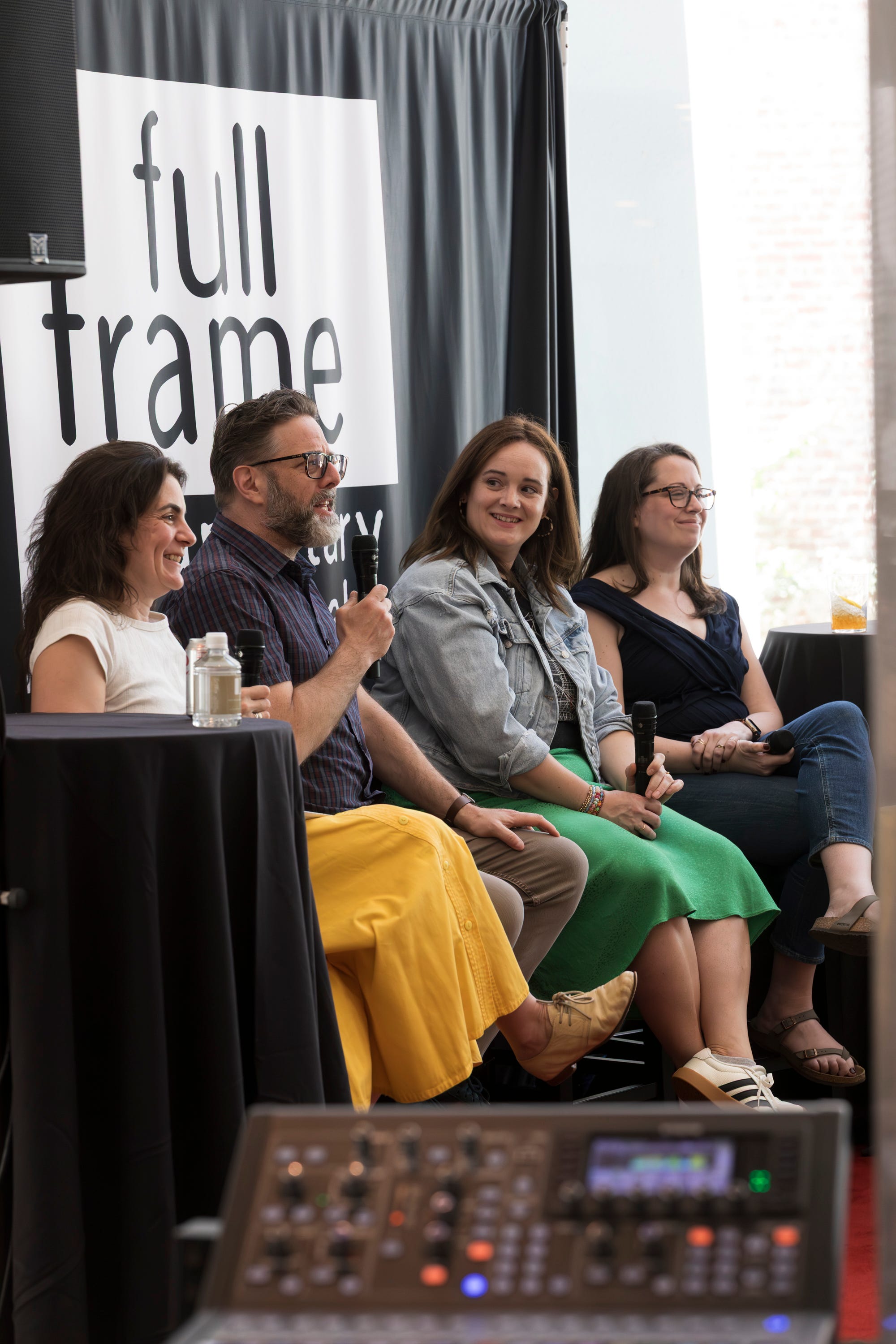
So, having your fascinating subjects come onstage is definitely one way of getting attention for your documentary. I got to talk about a few other options during a panel discussion I was part of on Saturday — moderated by filmmaker Jessica Edwards — where I was joined by film critics Alissa Wilkinson of The New York Times and Sam Adams of Slate. For Alissa and Sam, in particular, who do a great job seeking out documentaries and writing about them, the undertone of most audience questions was, “How can I get you to pay attention to my movie?” But I got to make my case for how awards season can shape that attention as well, giving us an excuse to talk about movies for weeks and months after their release, and encouraging people who know nothing else of the doc world to at least seek out the five films nominated each year.
We all agreed in our conversation that Letterboxd has been a net good for moviegoing, as have film-obsessed social media accounts that can sometimes capture in a meme what I’d spend a thousand words to get into. It was especially great to hear from the creators behind Two Beer Cinema Club in the audience, whose posts cheerfully treat Full Frame as their own documentary education experience. I didn’t get a chance to say hello after the panel, so if you’re reading this, Two Beer Cinema Club, thanks for coming — and for doing the good work of bringing film enthusiasm to the Instagram algorithm, where it’s most likely to find the people who need it most.
Yes, I did manage to see some other movies too, despite the new-to-me challenges of attending a film festival in the city where I actually live. (It’s hard to hang out long at the after parties when you have to wake up early the next morning to pack school lunches!) Opening night brought a packed house to see Sam Green’s The Oldest Person in the World, a moving and surprisingly personal decade-long journey to interview the world’s oldest people and find out what you can possibly learn from living that long. Green didn’t get the answers he expected from talking to these centenarians, but that only inspired him to make a film that’s more idiosyncratic and interesting than whatever he’d originally intended.
All four films I saw at Full Frame originally premiered at Sundance, which is both a testament to how important Sundance has become for launching documentaries and a sign of my own lack of imagination; I promise next year I will try something brand new! But I was also glad for the chance to finally see Nuisance Bear, which won Sundance’s U.S. documentary prize, as well as Barbara Forever, which won the documentary editing award. The two films — one about a polar bear coming too close to human civilization in northern Canada, the other about pioneering lesbian filmmaker Barbara Hammer — don’t have all that much in common, but both play with form and storytelling in ways only documentaries can.
Nuisance Bear is backed by A24, and despite the studio having since backed away from producing its own documentaries, it ought to have a strong run in Oscar season. The Oldest Person in the World and Barbara Forever are still seeking distribution, as are many of the titles I heard people raving about all weekend. Unfortunately, a weekend among enthusiasts at Full Frame is not quite enough to solve all the problems facing the documentary world. But it’s a valuable reminder that when these films do find their audiences, they have a power equal to that of any more traditional spectacle. And when a camera can focus on a real person and have an audience sit forward in their seat as if they’ve just seen a sand worm, isn’t that actually a spectacle in itself?