

Tax Incentive Showdown: Where the Money Is State-by-State
A domestic bidding war is underway as the fight to keep production in the U.S. floods the market with new deals

I cover top dealmakers for paid subscribers. I wrote about the new indie film market rules and scooped the eye-popping price Casey Wasserman wants for his company and who might be buying.

For every victory when a hit show like The Pitt chooses to film in Los Angeles, there are multiple local production disappointments — ranging from failure to launch (the Buffy reboot) to cancellation (Palm Royale) to red tape (Baywatch). And while there’s bipartisan momentum toward a federal incentive of some kind that would benefit #StayinLA efforts, no one is holding their breath. In the 18-ish months since I last wrote about runaway production and the landscape of available tax incentives, there’s been a noticeable shift in where projects are headed.
Hollywood’s future is being decided by a domestic bidding war — and it’s only getting fiercer.
Several states have been fine-tuning their programs to stem the overseas exodus; new players are popping up as New York and Georgia lose some of their shine. (We’ll get to why in a minute.)
California, for its part, finally this year doubled its annual film and TV tax incentive spend to $750 million per year up from $330 million. But many dealmakers say the changes still ignore two of the biggest complaints: restrictive application windows and the exclusion of above-the-line pay.
“People look at this industry and don’t realize how labor-intensive it is,” explains Entertainment Partners’ production incentives lead Joseph Chianese, who says the general public hears “Hollywood” and thinks “flash” when in reality making a movie is essentially manufacturing. “There is this perception that this is an industry that does not need financial support, but that’s not true.”
There are three basic needs for a production in search of a budget-conscious place to shoot: a financial incentive, infrastructure and local crew.
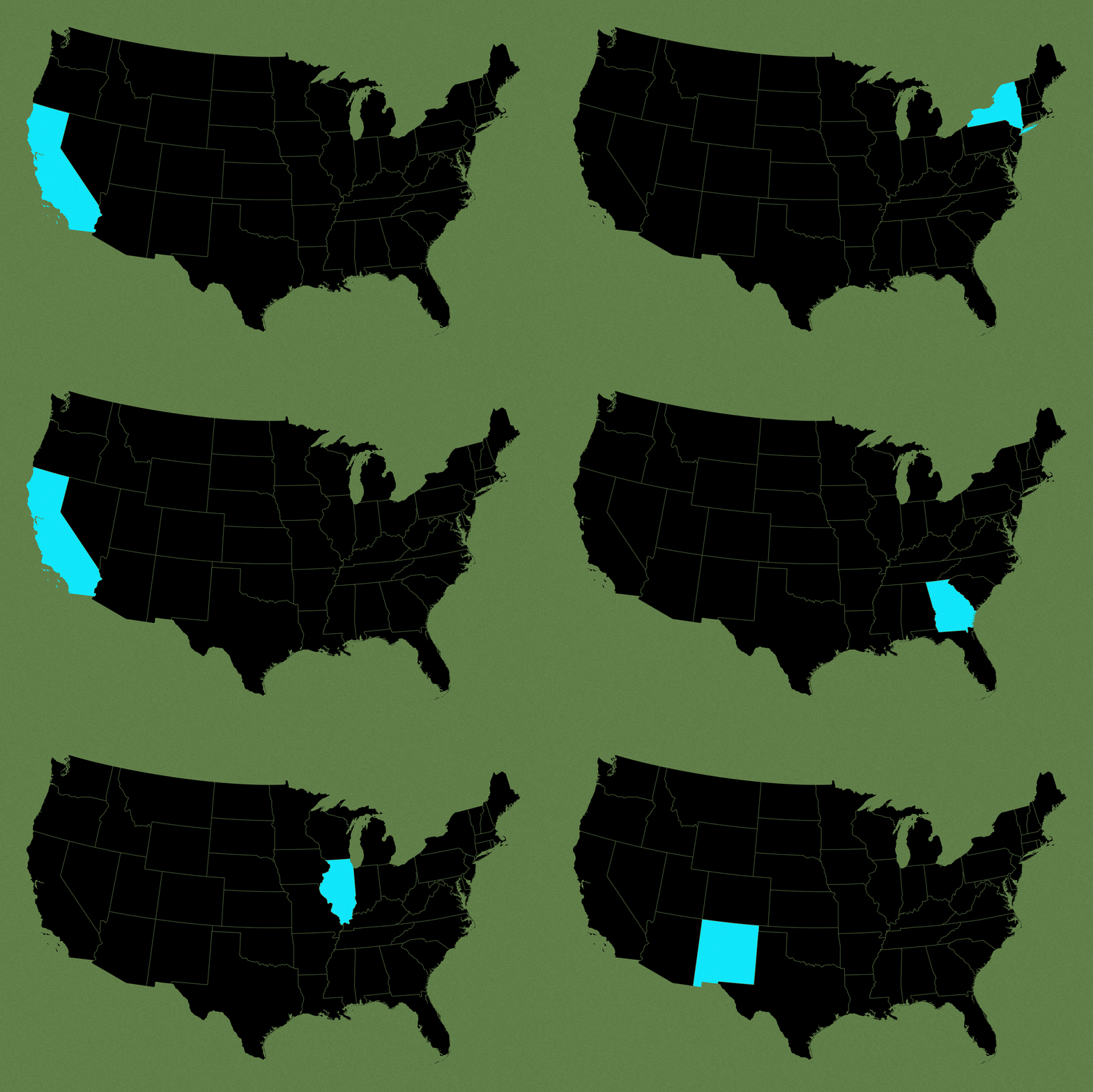
I spoke with incentive experts, producers and lawyers to map how the key states stack up — and where the next production hubs are emerging. Today, I break down where to film now — and where the biggest opportunities (and risks) are, including:
Where California has made gains — and where it still falls short of other states’ offerings
How a new post-production credit could generate more jobs
Why New York projects sometimes wait years to be repaid
How New Jersey is capitalizing on New York’s stumbles — thanks to Netflix’s billions
What’s going on in Georgia — and is once-bustling Atlanta becoming a ghost town
How Taylor Sheridan and Dick Wolf universes create their own ecosystems
The under-the-radar states poised to become production hotspots
Plus: a list of tools and resources to help you to navigate the system
This column is for paid subscribers only. Interested in a group sub for your team or company? Click here.
For full access and to continue reading all Ankler content, paid subscribers can click here.