
Nicole LaPorte wrote about the new Hollywood press tour hierarchy, Eli Roth’s crowdfunded indie studio, the plight of docs in the MAGA era, the spec script market comeback, how WFH is killing Hollywood and how Hollywood DEI is now D-I-E.

“I’m all for campaigns that openly critique films so that there can be a vigorous, public debate. As a rule, I’m not in favor of secret campaigns intended to destroy films or prevent them from being seen, which is what happened here.” – supporter Alex Gibney on Meg Smaker’s ‘TheUnRedacted’
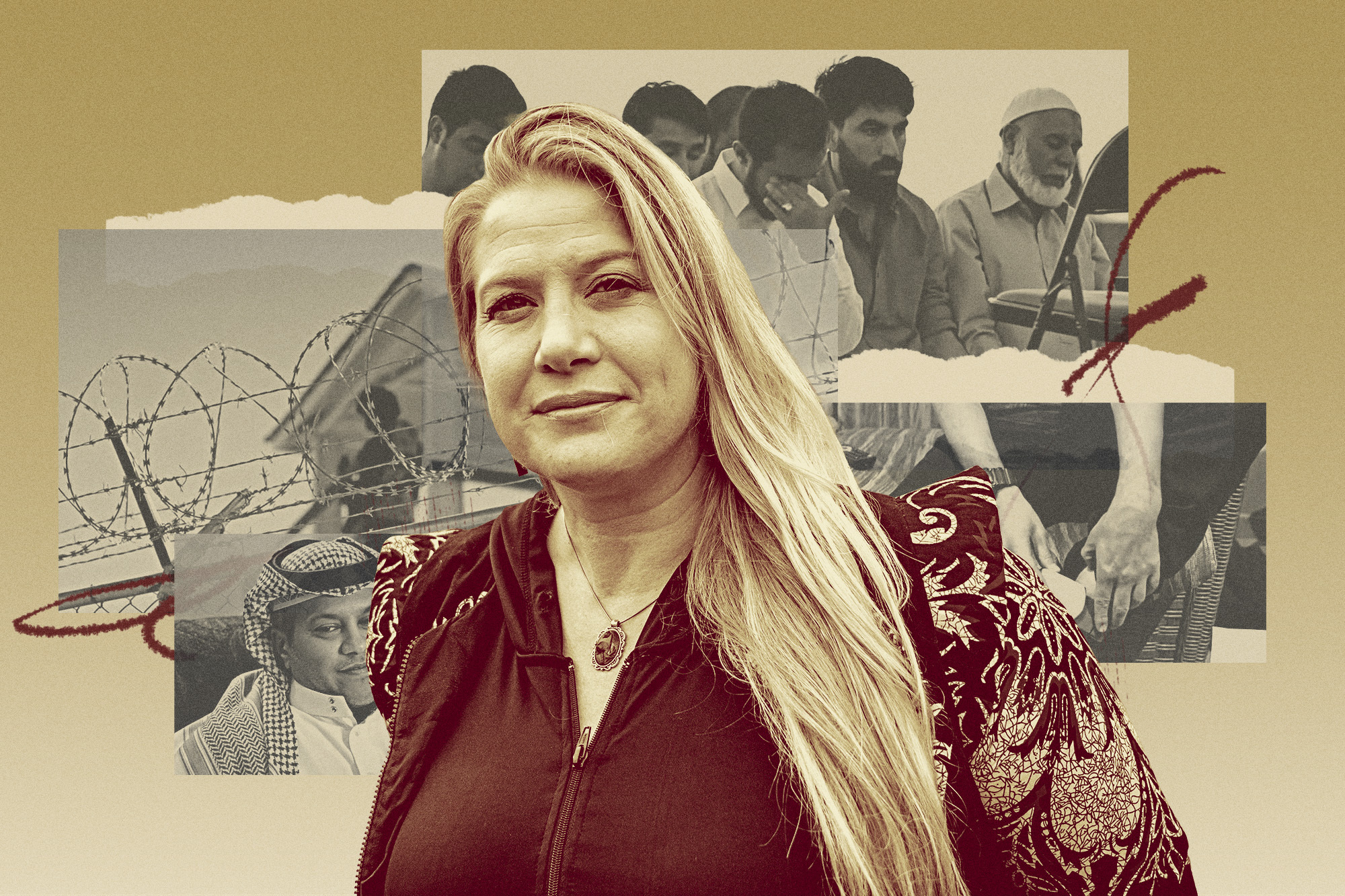
Earlier this month, filmmaker Meg Smaker was in Los Angeles for a screening of her documentary The UnRedacted, which follows five former Guantanamo Bay detention camp prisoners doing time in a first-of-its-kind rehabilitation center for Islamic militants in Saudi Arabia. A crowd of 100-plus was expected at the University of Southern California’s Ray Stark Family Theater, a pretty good showing for a documentary on a Wednesday night. Smaker was feeling good.
That changed the morning of the screening when documentarian Ted Braun (Darfur Now), the Joseph Campbell Endowed Chair in Cinematic Ethics at USC — who first talked to Smaker about bringing her film to campus and was set to moderate a Q&A with her after the screening — pulled out because he was sick. Worse, Smaker was forwarded a letter that had been emailed to a USC faculty member by a pair of social justice organizations urging the institution to cancel the screening.
“When I got that email, at first, I was a little freaked,” Smaker, 45, tells me the day after the screening, sitting in a coffeeshop, her long blond hair pulled back loosely in a braid. Peanut, her beige Newfypoo, is sprawled out at her feet. “I’ve been on this road before, and what usually winds up happening, especially when you’re talking about more liberal institutions is, they wind up pulling the event.”
Such dramatic reversals are indeed familiar to Smaker, whose film, originally titled Jihad Rehab, became a cause celebre at the 2022 Sundance Film Festival. The documentary was initially praised for the astonishing intimacy with which it captures its subjects, who talk freely about topics most Western journalists can’t draw out of them: the allure of joining Al Qaeda; what it felt like to see New Yorkers jump out of the Twin Towers on 9/11; in one case, building bombs; as well as more prosaic things like wanting to get married and have kids. The film jumps back and forth between one-on-one interviews with the men and footage of them sitting through group therapy sessions, working out and enjoying small luxuries like swimming in an indoor pool. The second half of the film shows their awkward and dispiriting re-entry into normal life after their time in rehab.
Smaker’s own narrative is an improbable tale: a six-foot firefighter-turned-documentarian who, in order to better understand Islam post 9/11, trekked off to Afghanistan and Yemen on a years-long solo expedition. Her journey was rife with swashbuckling drama worthy of its own film — when rioting broke out in Yemen, a kindly landlord gave her an AK-47 “just in case.”

But the saga of Smaker’s film is the story of another war zone: Hollywood. When the film was first announced as a contender at Sundance in December of 2021, events spun out of control — and fast. The dispute would end up drawing in big names — including producer Abigail Disney; Columbia Journalism School; Stanford University; and supporters such as Alex Gibney, Sebastian Junger, Kara Swisher and Bari Weiss — and raised painful questions about documentary consent, representation in film, festival responsibility, and the cultural and political headwinds of any given moment. Now Smaker is speaking on the record with previously untold details about the fallout — and why she’s still fighting to get her movie seen.

Controversy, Consequences & Cancellation
Don’t stop here
Unlock the full story — and the no-spin reporting Hollywood trusts
Already a subscriber?