

Sphere’s ‘Wizard of Oz’: Hollywood’s Dazzling Future or Dark Warning?
For audiences, it’s breathtaking; for the workforce, it’s a test

I write every other Tuesday for paid subscribers and recently reported on Cursor, the app that could supercharge A24; why Hollywood won’t be distributing AI films anytime soon; and the Chinese AI that should scare you.

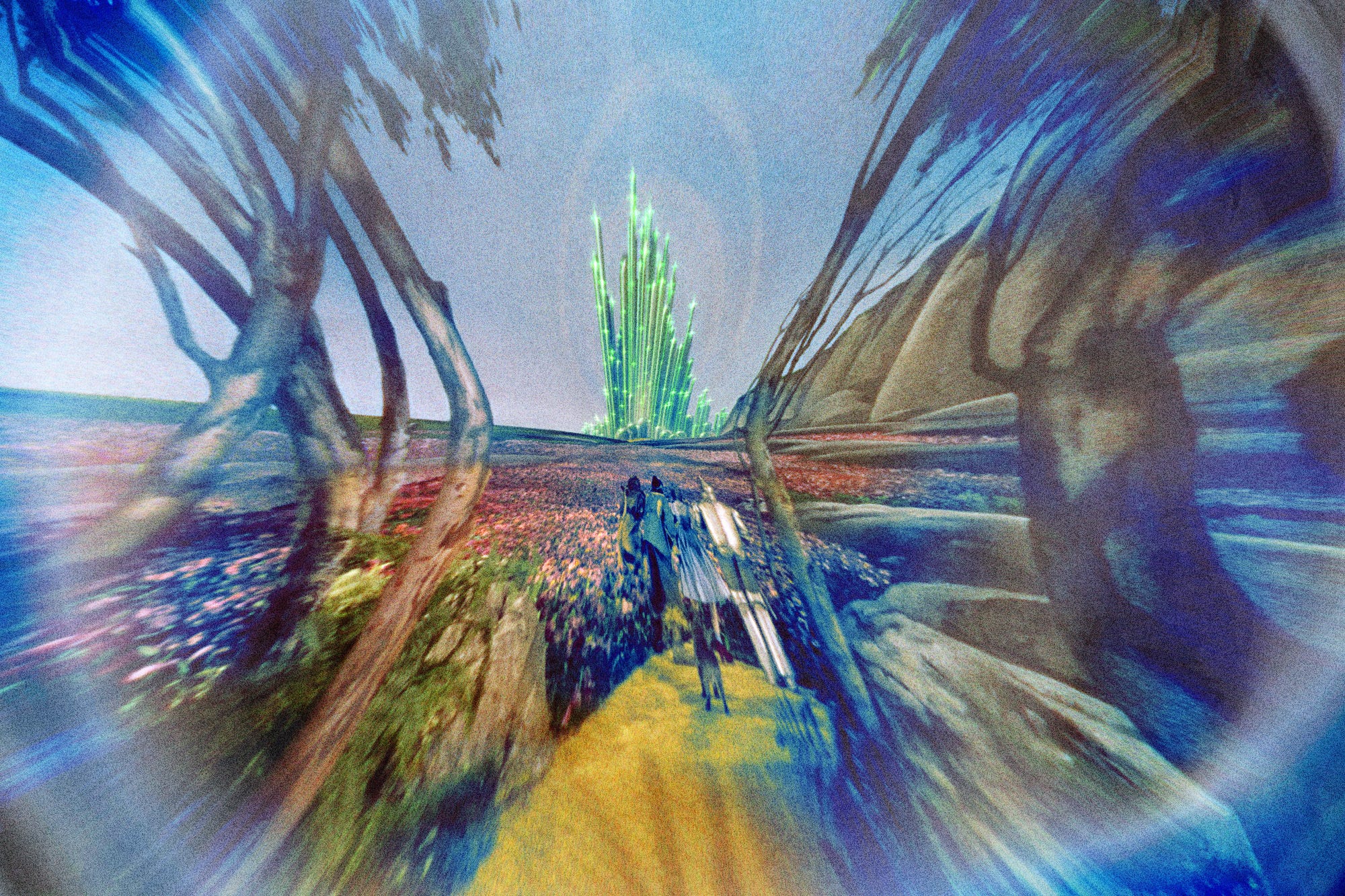
Tonight, Dorothy Gale is getting a makeover. Not a reboot, not a sequel, not a Wicked-style spin-off — but a high-resolution, AI-assisted re-rendering of The Wizard of Oz inside the $2.3 billion Las Vegas Sphere, the world’s most extravagant immersive entertainment venue.
The paradox couldn’t be starker. One of the oldest and most cherished films in Hollywood history, cutting edge in terms of both story and VFX 80+ years ago, is being filtered through the newest, flashiest technology available — and in Vegas, of all places, the world’s most desperate town.
If you’re a producer, this new line of business could be alarming: Instead of developing original projects (already endangered), studios may increasingly want to repackage their crown jewels through AI, shifting a producer’s role from storyteller to caretaker of IP (without residuals). And for VFX professionals, it shows how AI can both expand your workload — more environments, more assets — and quietly erase your visibility, since press headlines frame faceless “AI” as the author. And for all creators of entertainment, the bigger question is whether future work will be treated as finished art, or endlessly “remixable” raw data.
“It’s a new medium,” producer and Tribeca Festival CEO Jane Rosenthal, a key member of the creative team behind the project, tells me. She calls the new format “a love letter to the film.” A big one.
Metro-Goldwyn-Mayer’s 1939 Technicolor dreamscape (now part of the Warner Bros. library) that introduced generations to ruby slippers, scarecrows and flying monkeys will now stretch across a 106,000-square-foot wraparound screen powered by 1.2 million LED “pucks” in an 875,000-square-foot theater. Its soundtrack will be piped through 167,000 speakers with individualized targeting for each seat. Wind machines will roar during the Kansas cyclone. Scent diffusers will pump out poppy aromas. The Yellow Brick Road will weave around your peripheral vision. Tickets for this multisensory storytelling experience start at $104.
This is the new Oz that Hollywood faces, both exciting spectacle and a warning sign for traditionalists amid the backdrop of Gen Z enthusiasm for “experiential” as a new driver of Hollywood decision-making and money.
Related:

The Sphere project makes clear that executives, not artists (though many were involved), can and will decide how canons are reimagined through AI, as studios and streamers are almost always rights holders to the IP. That puts pressure on everyone from line producers to sound editors to figure out how both to work with AI, and defend and protect the value of human taste. It also raises large questions about what could happen when a future project falls into hands with far fewer bona fides than Oscar-nominated filmmaker Rosenthal and her Hollywood all-star team.
In other words: Toto, we’re not in 2024 anymore.
In today’s column, I’ll reveal:
How AI reshaped Oz: From 8K scans to generative backdrops and a shortened runtime
The team: Rosenthal reveals how the team delved deep into every detail of the original; I also name the well-known pros who worked on it
What WB has to do with it: The studio owns the IP, has a lot of debt, and why nostalgia prints cash
‘This project kept me busy and well paid for last 8 months’: How real-life workers on the project describe the experience online
The skepticism: Critics, cinephiles and historians warn of cultural vandalism
The counterpoint: How the OG Oz filmmakers would embrace today’s tech
Hollywood déjà vu: The parallels and lessons of Star Wars “special editions” and Disney’s live-action remakes