

President Nolan, a DGA Love Fest & ‘The Secret Agent’ Moment
Director Kleber Mendonça Filho on his unlikely rise and Brazil’s global recognition


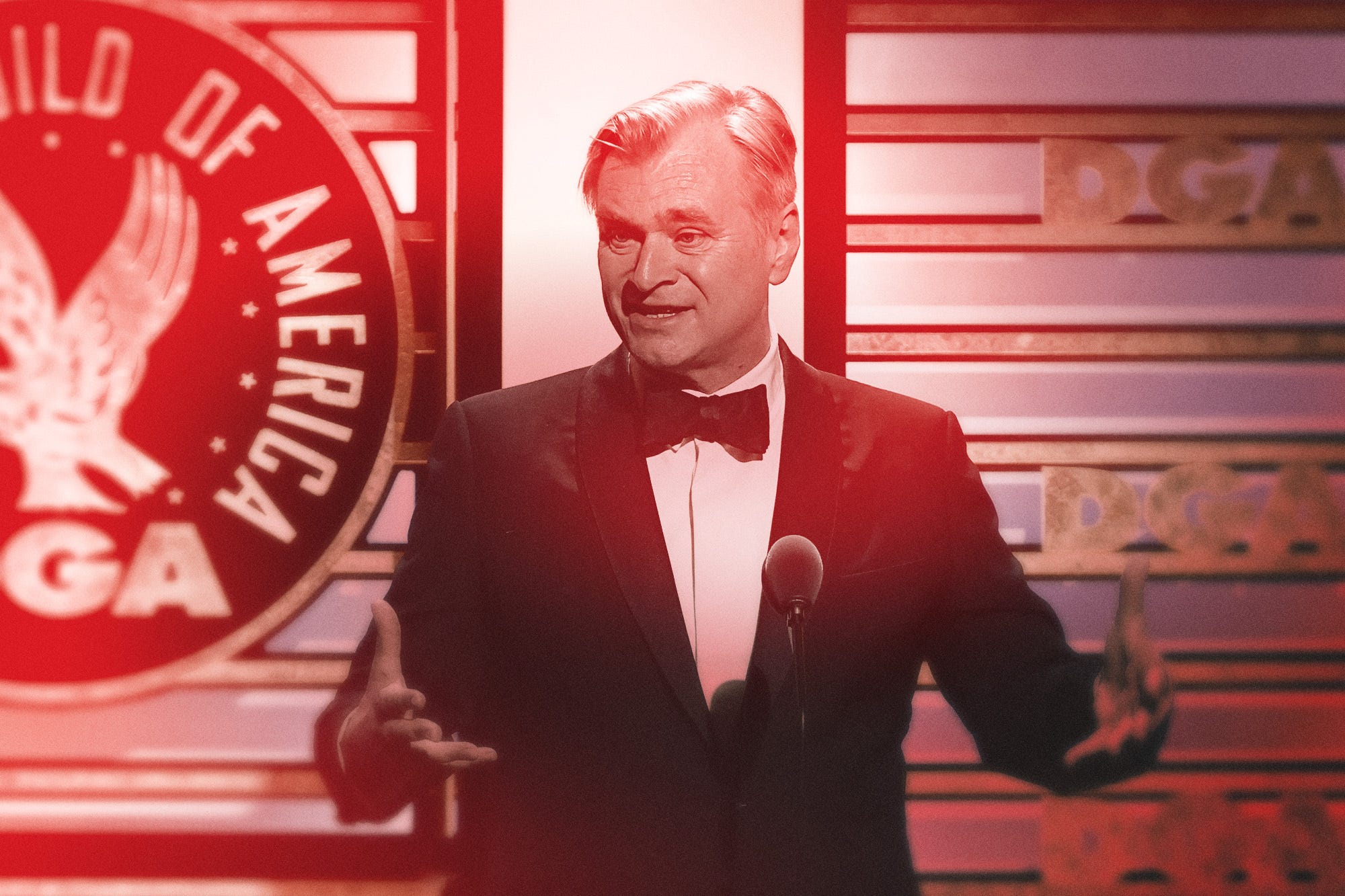
Before I get to my conversation with The Secret Agent director Kleber Mendonça Filho and a brief recap of Saturday’s Directors Guild Awards — where One Battle After Another filmmaker Paul Thomas Anderson cemented his status as Oscar’s best director frontrunner — an important programming note: I’m attending tomorrow’s Oscar Nominees Luncheon! I’ll be outside at the Beverly Hilton talking to this year’s contenders and also at the luncheon itself, where there’s the predictable schmoozing and the extremely charming annual tradition of the group photo. (If you’re going to be there and want to join our interview studio, hit me up: katey@theankler.com) Keep an eye on my social media and The Ankler accounts for live updates on Tuesday, plus more videos throughout the week. It’s going to be a busy one!
Now, onto my night with some of the best filmmakers in Hollywood…
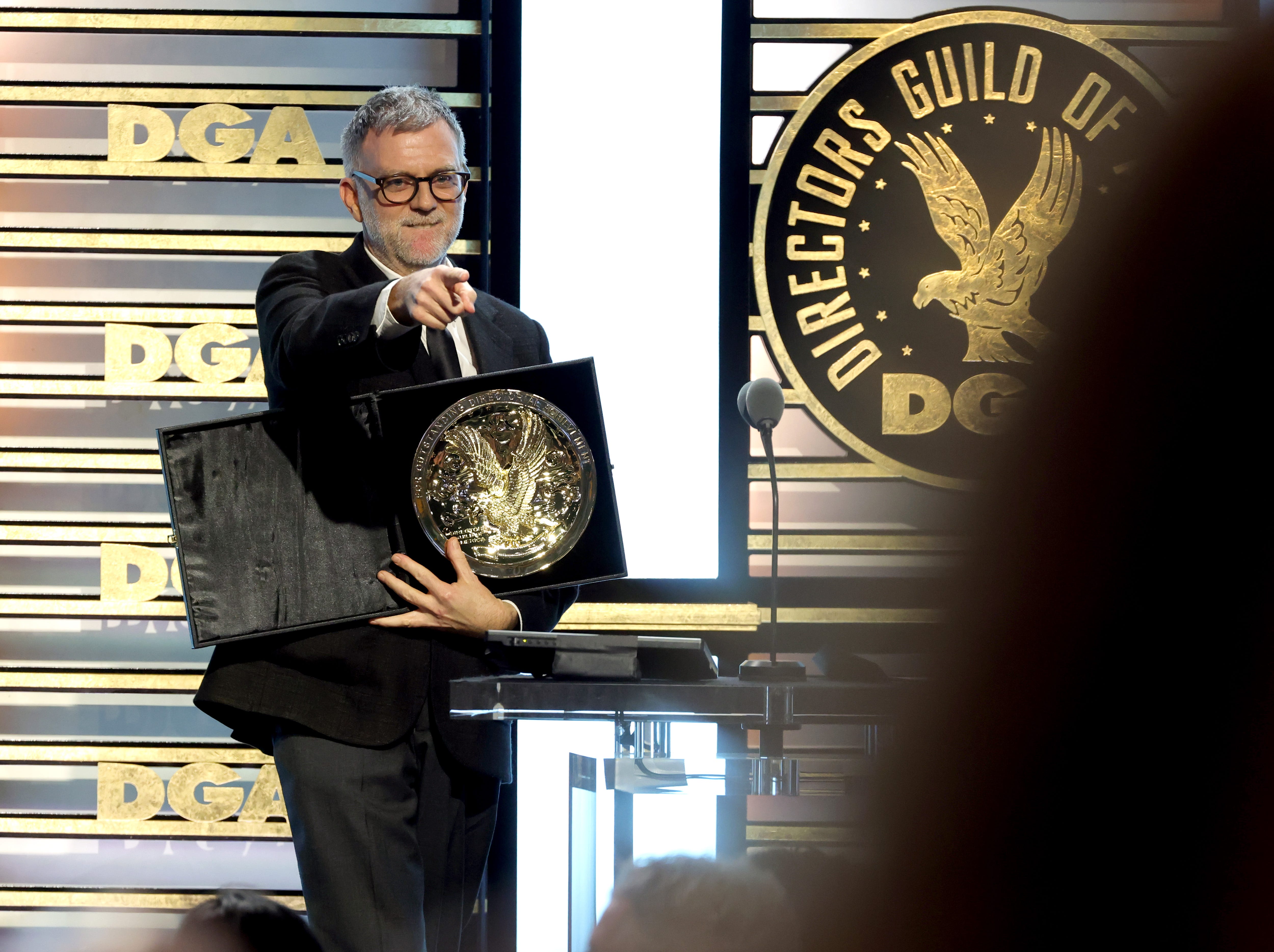
“I love saying President Nolan,” Frankenstein director and nominee Guillermo del Toro said a few hours into the Directors Guild of America awards ceremony on Saturday night. “It’s so good to say ‘president’ and something good after it.”
Though Anderson was undeniably the big winner of the night, taking the ceremony’s top honor, the DGA Awards were a pretty major triumph for Christopher Nolan, the newly elected Directors Guild president. A big star in a room that was full of them, Nolan and Steven Spielberg — on hand to introduce Chloé Zhao for her nomination for Hamnet — were referenced constantly by the winners onstage, who include directors of commercials, game shows, television and much more.
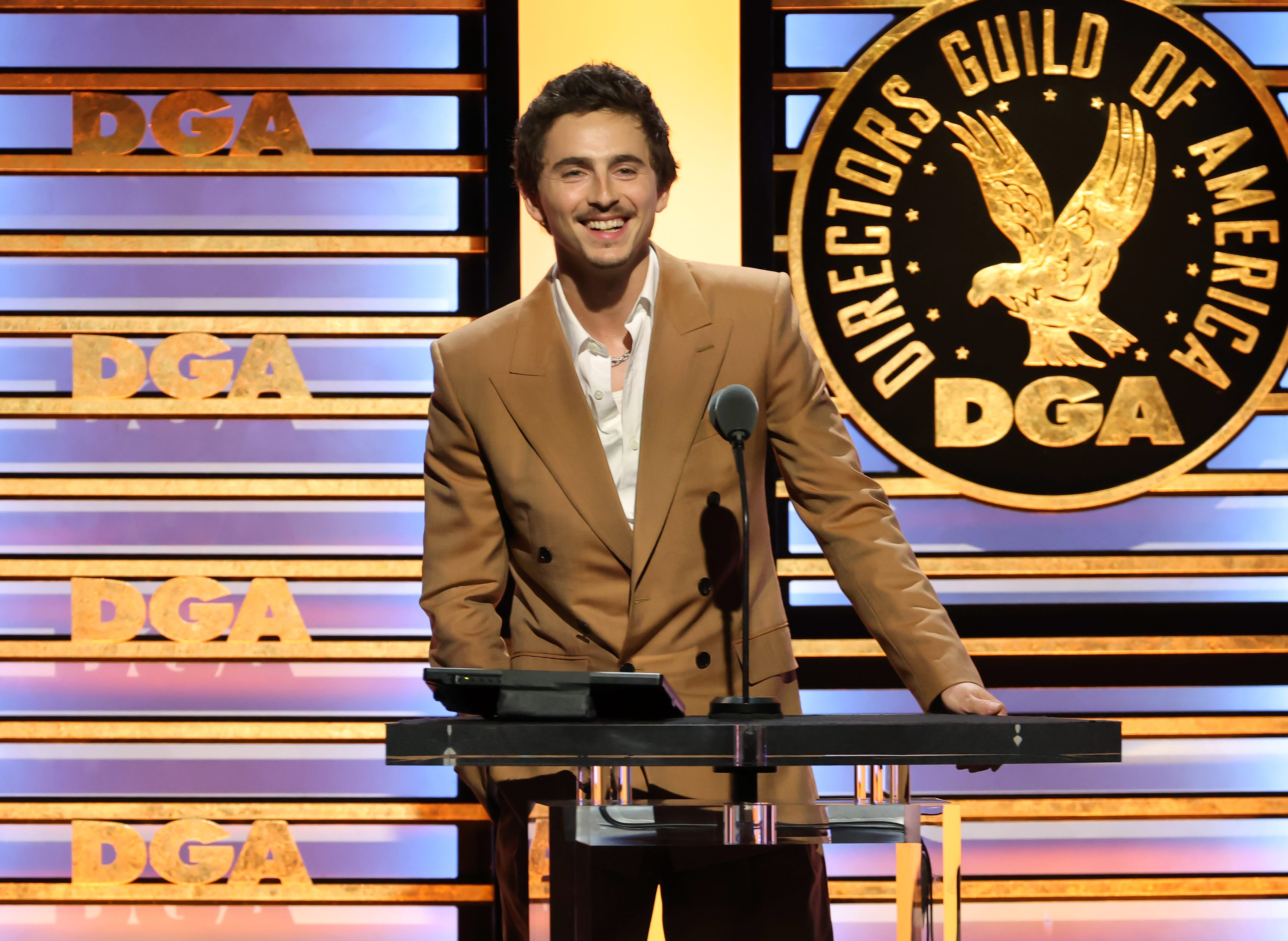
It was my first time at the DGA Awards, and I was seated with the nominees from The Price Is Right, who were a great hang both before and after they lost their category to the director of Conan O’Brien Must Go. I was there, of course, to take the temperature of the Oscar race and see what kind of Oscar audition speeches were happening, both from the feature film nominees — everyone gets to speak even if they don’t win — and the people who were presenting to them, including best actor nominees Michael B. Jordan (introducing Ryan Coogler), Leonardo DiCaprio (for Anderson) and Timothée Chalamet (for Josh Safdie).
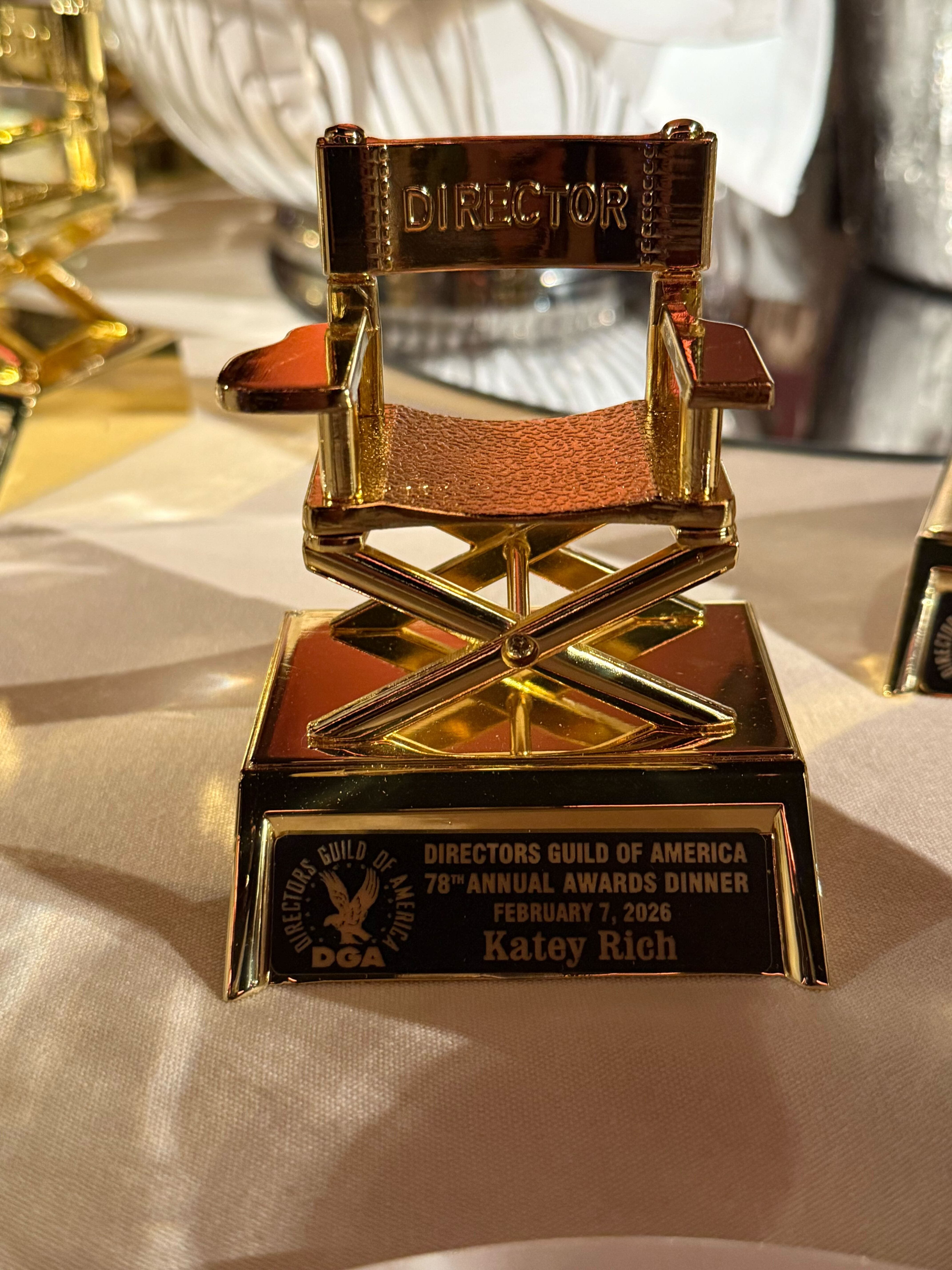
The answer, probably predictably, is that everyone did very well and seized their moment onstage, and sometimes it was even more fun to watch the stars in the audience watching the stage — seeing Coogler, del Toro and Nolan all seemingly spellbound by the words of Spielberg is not something I’ll soon forget. Anderson winning the top prize was also a little predictable, but what I didn’t anticipate was how much the whole event would feel like a full community celebration. A bunch of film professionals who don’t get the spotlight in any other part of awards season — everyone from first assistant directors to TV show stage managers are included in the nominations — got to marvel at being in the same room as these legends. It was genuinely infectious, and not just because everyone had a tiny director’s chair trophy at their place, so everyone really did get to leave feeling like a winner.
I assume that sense of camaraderie and shared achievement will extend to the Oscar Nominees Luncheon tomorrow, and one of my main goals there (besides doing multiple interviews!) is to say hello in person to some of the nominees I’ve spoken to on the phone or for the podcast throughout this awards season — including The Secret Agent director Mendonça. I caught up with him last week to talk about time travel, representing his hometown of Recife on film and what might come next after the Oscars.


Secret Agent Man
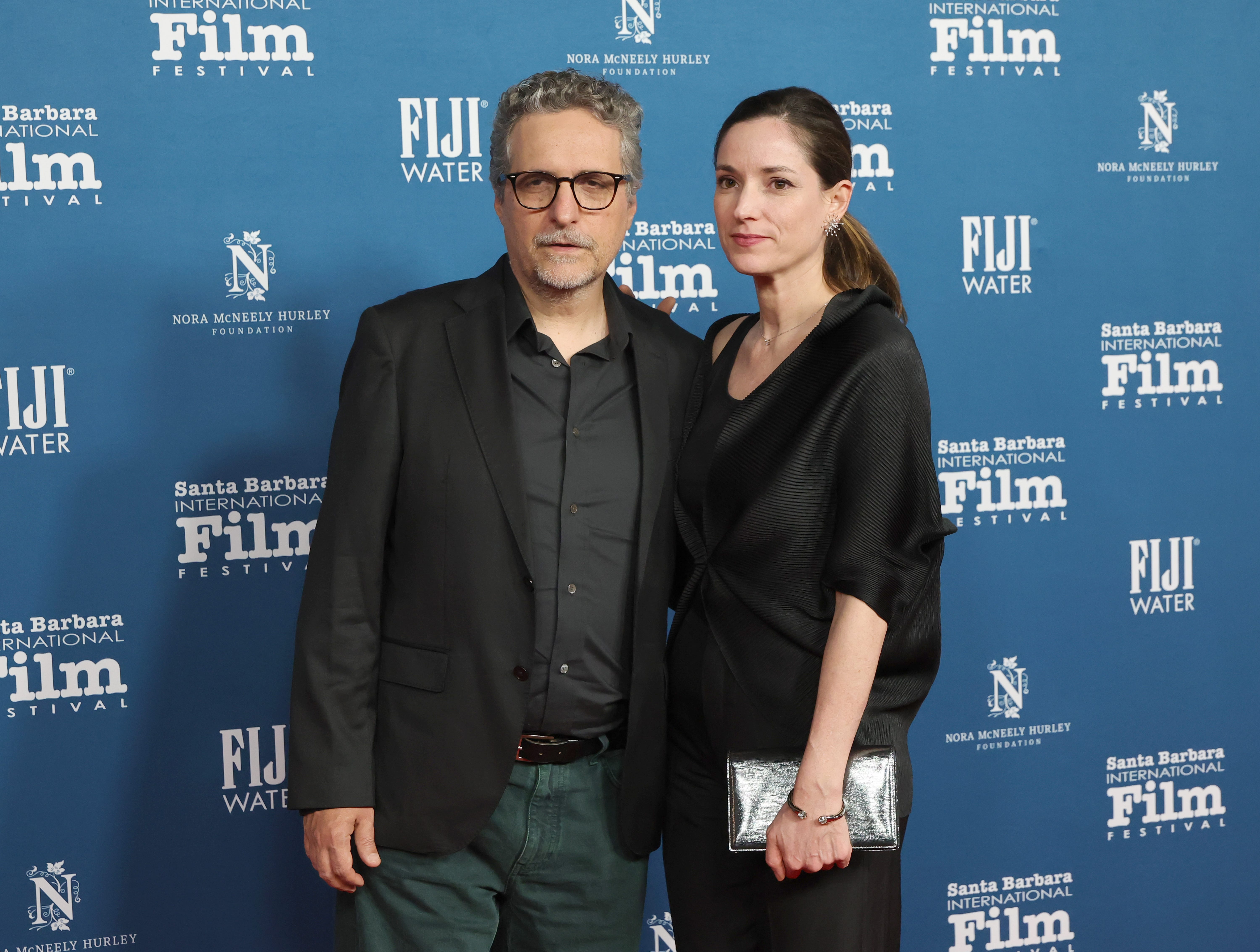
Kleber Mendonça Filho says he has never made an arthouse film. Yes, his movies can be complex and unusual, from the mosaic-like ensemble storytelling of his 2012 feature debut, Neighboring Sounds, to the time-hopping intrigue of his new film, The Secret Agent, now nominated for four Oscars. When Mendonça accepted the Golden Globe Award for best international feature back in January, he said The Secret Agent had become “an unusual blockbuster” in his native Brazil (during its opening weekend, The Secret Agent grossed more than the debut of the quote-unquote traditional blockbuster Predator: Badlands). But that doesn’t mean he’s surprised that it has become the most widely embraced film of his career.
“I just make films, and sometimes the industry or the market assigns specific roles to them,” Mendonça, 57, told me in a phone call last week from New York, where he’s continuing the promotional duties for The Secret Agent that have been happening more or less nonstop since the film’s premiere at Cannes last year. “I’m very happy that I’m still making the films that I really love and I want to make. I’ve been building some kind of a trajectory over the last 12, 14 years, and it just happens that The Secret Agent is my biggest film, and we managed to release it the right way with good funding.”
Picked up by Neon at Cannes shortly before it won a best director prize for Mendonça and best actor for star Wagner Moura, The Secret Agent is a hit not only in Brazil but around the world, marking the second consecutive year Brazilian cinema has enjoyed a massive global breakthrough after the success of 2024’s I’m Still Here. Mendonça’s film and the one by Walter Salles — which won the best international feature Oscar last year — are set in the 1970s during Brazil’s military dictatorship, and track both the danger and the surprisingly flourishing lives of ordinary people despite everything.
Beyond that, the films don’t have that much in common — I’m Still Here is a true-story family drama, and The Secret Agent is a meandering, sometimes surreal saga about a political dissident, played by Moura. But The Secret Agent is also distinctive for being set in Recife, the northeastern coastal city where Mendonça grew up (film and TV are mostly centered on two major cities in Brazil — Rio de Janeiro and São Paulo).
Moura, who is also from northeastern Brazil, told me on the Prestige Junkie podcast back in December that when he first started working in Brazilian TV, someone with a northeastern accent like his would only be cast “as stereotypes, the funny guy or the bandit.” Mendonça adds that, despite the success of The Secret Agent, some moviegoers from outside Recife have claimed they can’t understand certain accents or cultural references. “I think it’s great that they are having these reactions,” Mendonça continues. “It’s about time.”

Casting Up
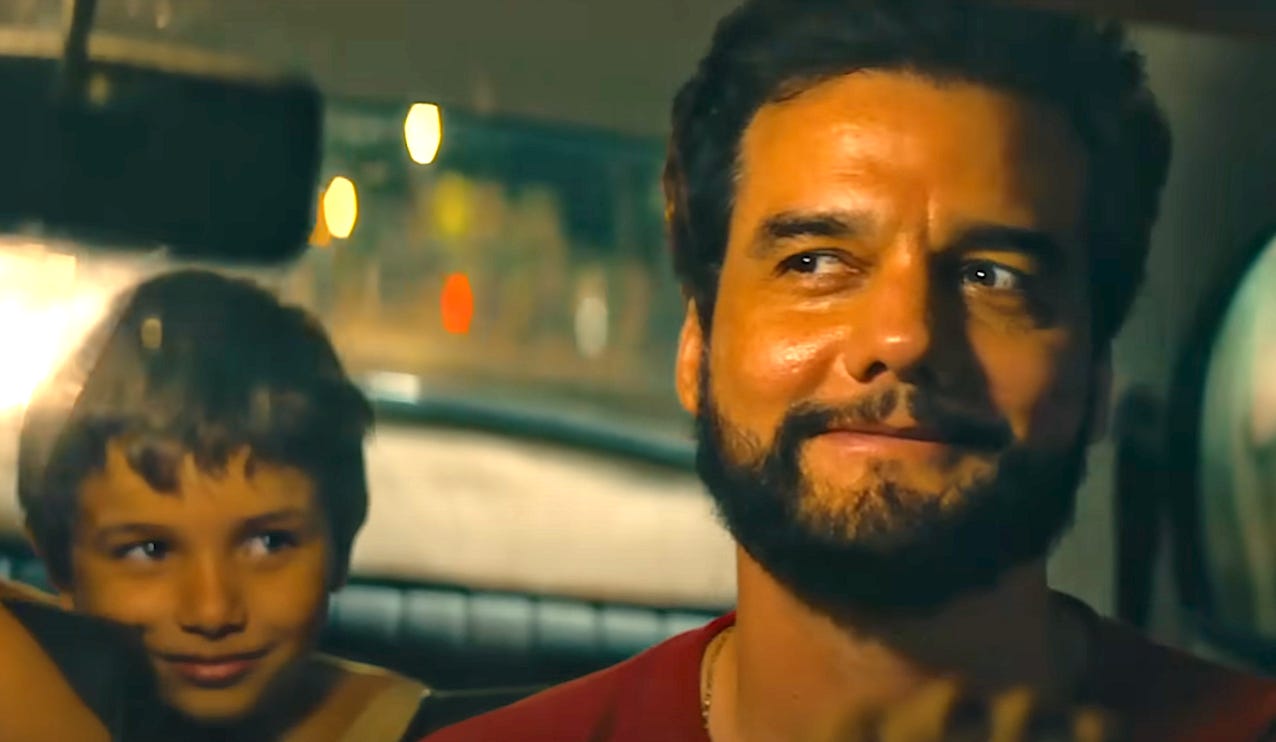
In addition to the expected nominations for best picture, best international feature and best actor for Moura, The Secret Agent was also included among the nominees for the first-ever casting Oscar. It’s a brilliant nomination for an ensemble that includes both veteran actors — it’s the final film role of the late German legend Udo Kier, who plays a Holocaust survivor — and brand-new faces.
“It’s a really special collection of great faces, great actors,” Mendonça tells me when I ask about casting director Gabriel Domingues. Mendonça says he fell so in love with the ensemble that he and his editors spent three weeks assembling the montage that closes the film, in which each cast member is paired with a still from their on-screen appearance, however brief.
“Brazil is incredibly diverse,” he adds. “I’m happy that those will be the faces of Brazil for people to look at in the future. I think they do represent Brazil as a society in all its glory, in all its tension and love and violence.”
Mendonça thinks a lot about the way time moves forward and backward — not in a science-fiction kind of way, but in the way stories can continue, and how film and even audio tapes can capture a moment in a way that brings it back to life years later. In The Secret Agent, that’s actualized with jumps from the 1970s to the present, as two young researchers listen to cassette tapes in an effort to reconstruct the events of the story we’re watching unfold. The film itself is an act of memory, too, with Mendonça recreating entire buildings remembered from his childhood, from a movie theater’s projection booth to a government office.
“What a challenge to go back in time and recreate the details,” he says, making it clear how much he relished that challenge. He made the effort, for example, to include an entire sequence about sending a telegram, showing the journey from dictation at the post office to its delivery hundreds of miles away. “When he read the script, Wagner said, ‘It’s good that you’re working with a producer who understands, because this would be the first thing that would be slashed.’ Well, not in the films that we make.” (The film’s lead producer, Emilie Lesclaux, is also Mendonça’s wife; presumably, she knew better than anyone why the telegram scene had to stay.)
Mendonça’s next film, he says, will be set in the 1930s, an even greater act of excavating the past. For now, though, while The Secret Agent’s awards tour rolls on, the film is mostly just a stack of research books in his office. “Once this whole moment is done, I hope to maybe start reading, because I really have to go back in time,” he tells me. And after the phenomenon of The Secret Agent, there are presumably a lot more moviegoers who want to time-travel with him.

I don't love events but I *do* love the DGA AWARDS because of everything you captured so beautifully here. It's a room full of people who adore film & television, and admire the colleagues with whom we get to do that work. I've never heard anyone capture the fun of the night better than you. Thank you.
So you hung with the other Adam Sandler. Hey, you didn't have to hear the words "Rob Schneider" once.