

Oscars 2026: So What Did We Learn?
The fests flailed, the Globes didn’t matter and A24’s ‘Marty’ season from hell

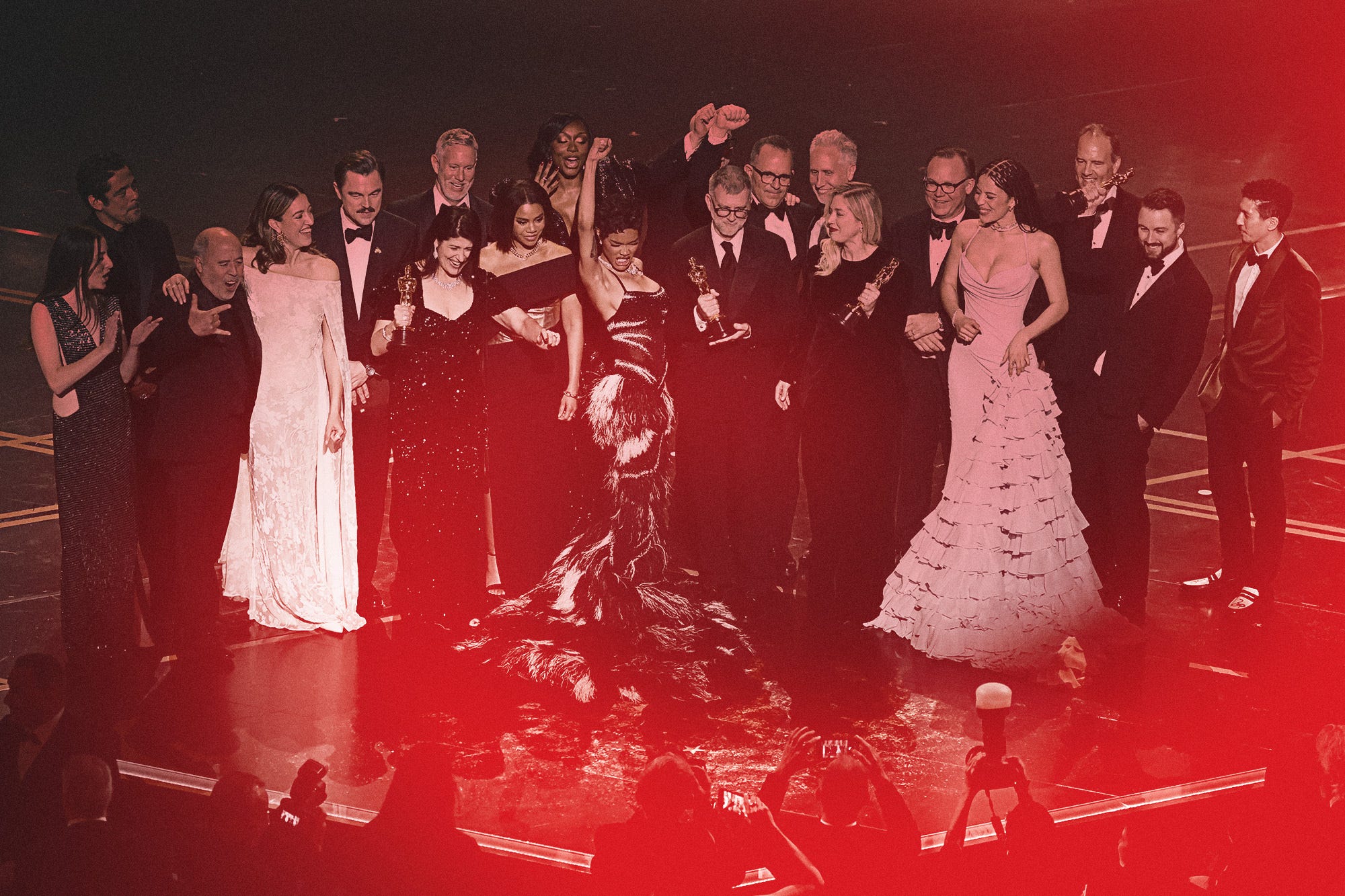
As another Oscar season comes to an end, I’m once again left thinking of the conclusion to Burn After Reading, Joel and Ethan Coen’s underrated follow-up to their best picture-winning No Country for Old Men.
“What did we learn?”
“I don’t know, sir.”
“I don’t fucking know either.”
As someone who enjoys a tidy narrative and third-act conclusion — I love Hollywood movies, after all! — I always have the impulse to wrap a ribbon around awards season and determine what it all meant. The real answer, of course, is that who wins on Oscar night only reflects what the Academy decided upon at this moment in time. But as you know, if you read this newsletter or listen to the podcast, there are narratives that shape all of this — from Oscar campaigns and history to sideline pundits like me.
So which of those narratives actually won out this year, and what can we learn from how it all played out? Unlike J.K. Simmons’ character in Burn After Reading, I’ve got a few ideas. Read on for my seven takeaways from this year’s Oscar race — and for more looking back on the season, Prestige Junkie After Party paid subscribers can tune into tomorrow’s subscriber-only episode in which we ask ourselves a different but related question: What did we get wrong this season? See you then!

1. Major Studios Are Still Competitive (for Now)

Warner Bros. tied the record on Sunday night for the most Oscar wins by a single studio at the same ceremony with 11, combining the six wins for One Battle After Another, four for Sinners and Amy Madigan’s win for Weapons. (It was 12 with F1, an Apple movie Warner Bros. distributed, but who’s counting?)
It’s worth noting how unusual that is in the context of recent Oscar history, where Universal (with 2023’s Oppenheimer and, before that, 2018’s Green Book) had been the only major studio to win best picture in over a decade.
A huge part of WB’s success — as shepherded by film leaders Mike De Luca and Pam Abdy — is owed to the generational talents Ryan Coogler and Paul Thomas Anderson, both in an extremely rare class of revered auteurs who are still given an opportunity to make studio pictures at a relatively large scale. It’s anyone’s guess how much longer that will be possible at all, with the Paramount-Warner Bros. acquisition looming large. But maybe the most heartening win for the studio system in general is Madigan’s, for her performance in a mid-budget ($38 million) horror movie released in August. Even as Weapons was earning raves, the idea of a proper Madigan Oscar campaign felt like a pipe dream. But the right star, with the right campaign, is still capable of breaking through — and even if future studios aren’t willing to pay the price for the next Sinners or One Battle, we now have evidence that the potential next Weapons could have its own Oscar future.

2. The Academy’s Global Lean May Have Been Greatly Exaggerated
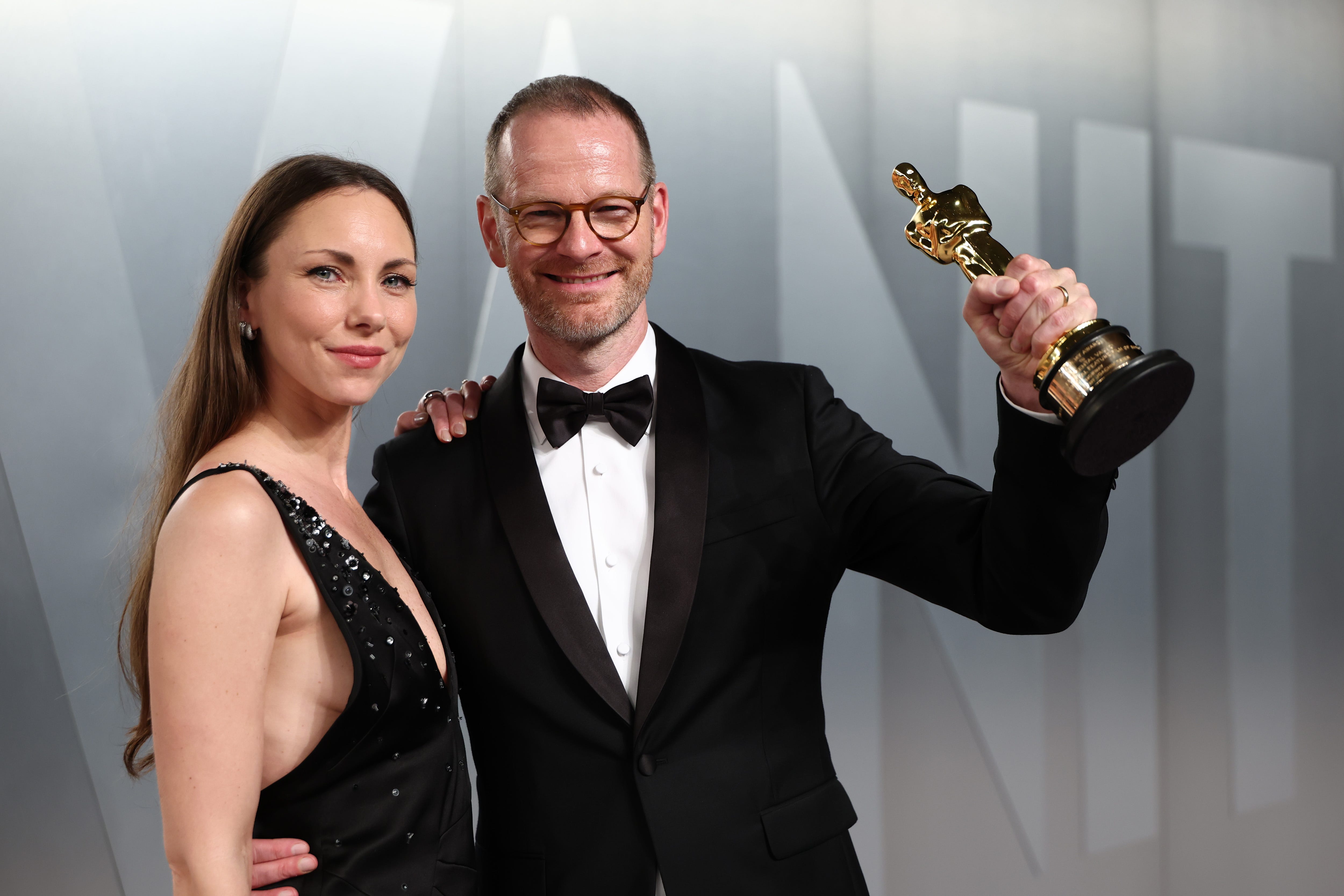
First of all, just look at the numbers — around 25 percent of Academy members now live outside of the United States, a significant number but not nearly enough to turn the show into the BAFTAs or the Césars. And even though this year’s nominees included a record crop of international contenders, with non-English-language films nominated in every single category, the eventual winners mostly looked very Hollywood. Yes, that’s largely thanks to two uncommonly successful studio releases dominating the race, making it so even a widely nominated film like Sentimental Value could really be competitive only in best international feature. But many of the assumptions that my fellow pundits and I make about the role of international voters, from how a very American film like Sinners can perform to whether Wagner Moura could ride a wave of Brazilian enthusiasm to a best actor win for The Secret Agent, didn’t come to pass. In the end, the Oscars may mostly still be what Bong Joon Ho memorably described back in 2019 as “very local.”
3. Cannes Is Hit & Miss

Again, the data from this year’s Oscars is definitely skewed — we’re very unlikely to have two big-budget studio movies leading the Oscar race any time soon, particularly from the same studio. But I’m still wondering what to make of the final results from this year’s much-discussed Cannes acquisitions, from the $25 million Mubi spent on Die My Love (zero Oscar nominations) to Neon’s robust slate of It Was Just an Accident, Sentimental Value, Sirāt and The Secret Agent, with 17 nominations among them and just a single win.
The fact that all four of these films were nominated at all is a testament to Neon’s awards campaign prowess, as well as how much the Academy has changed in its voting habits since Parasite’s Oscar breakthrough six years ago. And though we don’t officially know the lineup for this year’s Cannes Film Festival yet, I’m willing to bet just about anything that at least one of the titles in the competition field will be among the best picture nominees. But we should probably think of Palme d’Or winners Parasite and Anora, which went on to miracle runs toward best picture, more as exceptions than the rule at the Oscars, which will still lean toward its homegrown Hollywood heroes when given the chance.
4. Fall Festival Fever Is Breaking
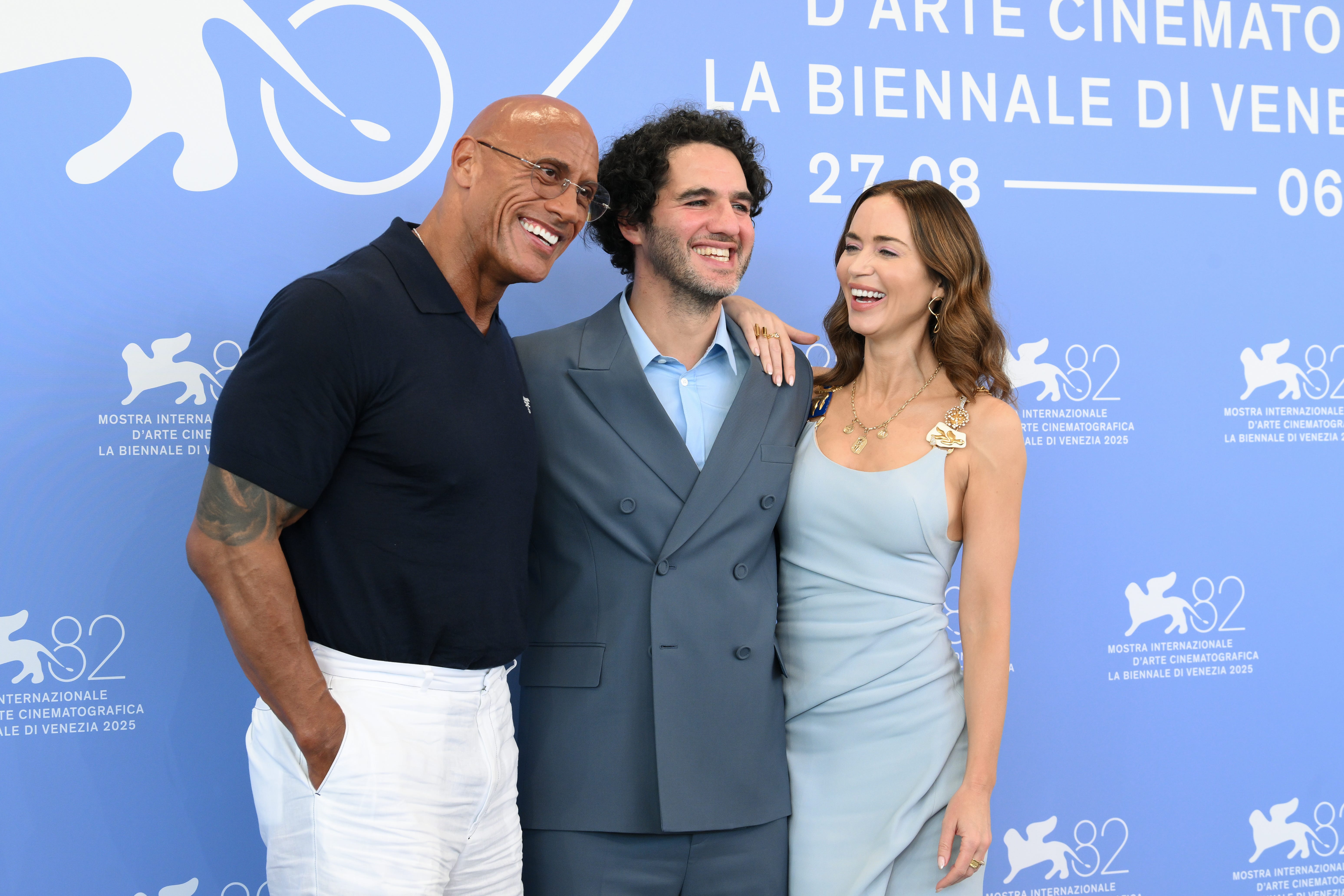
One thing I think we undeniably learned this season is that you should not go to the Venice Film Festival unless you are really, really sure your movie is going to hit with that Euro-centric crowd. Frankenstein was put through the buzzsaw by Venice critics. Other festival premieres there — like After the Hunt, Jay Kelly and The Testament of Ann Lee — met muted or outright hostile reception on their way toward Oscar campaigns that went nowhere. Even the festival’s biggest critical hits, like A House of Dynamite and No Other Choice, were eventually blanked by the Oscars. Of all the movies that world premiered at Venice — including The Smashing Machine, which won Benny Safdie the fest’s best director award — I’d say only Bugonia went entirely as intended.
Telluride was lighter on world premieres, but Hamnet successfully began its awards season run there, while Toronto was once again left mainly boosting the visibility of films that had already premiered elsewhere — Frankenstein and Hamnet took the top two audience awards within a week of their premieres at other festivals. The fact that the best picture winner skipped festivals entirely is not a great sign, and I can definitely imagine the Toronto Film Festival of 10 years ago feeling like the right place to premiere a new Paul Thomas Anderson film. But to me, the biggest successes of the fall festival season aren’t the ones that had the best premieres, but the ones that played the best long game.
Frankenstein is the ideal example, recovering from its weak Venice and Telluride buzz to win over crowds at smaller festivals like Middleburg, Savannah and Mill Valley, building acclaim ahead of its Netflix release and eventually becoming both an audience and Oscar hit. Netflix followed a similar, if quieter, path with Train Dreams, which had director Clint Bentley and star Joel Edgerton criss-crossing the continent to mix it up with regional festival audiences, building genuinely deep affection for their little movie that could and did (four nominations, including best picture). With the exception of the major studio releases and Marty Supreme, which debuted late in the season after a New York Film Festival sneak peek, every film in the best picture lineup followed a variation of this strategy. Often in the Oscar race, the biggest battle is simply getting voters to see your movie, and the fall festivals have once again proven themselves invaluable in making that happen.
5. It Is Very, Very Hard to Open Late
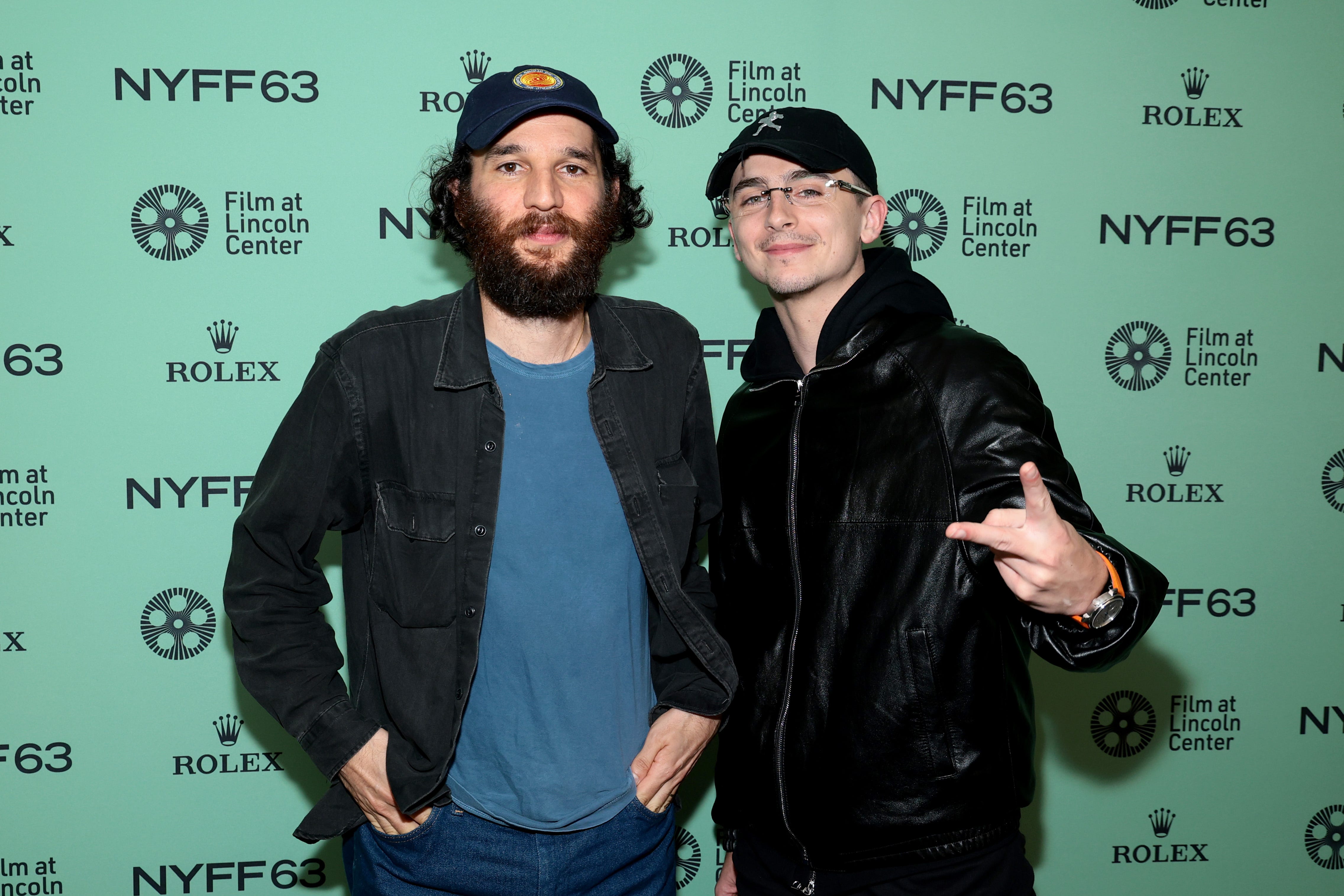
We’ll be talking for years about what went wrong with Marty Supreme, which was the all-eggs-in-one-basket for A24 this year and went 0-for-9 in its nominations, including the Timothée Chalamet best actor loss that we may well be talking about forever. It was an undeniable Christmas hit, peaking in buzz seemingly at the exact right moment, when Chalamet won the Golden Globe and Critics Choice Awards in quick succession in early January. Then it faded in the awards race as quickly as it arrived, leaving me to wonder if the sneak-attack Christmas period release is an Oscar campaign strategy that’s truly dead.
Million Dollar Baby is the example everyone points to, which didn’t premiere until early December 2004 and basically swept the best picture Oscar right out from under Martin Scorsese’s The Aviator. But that was 22 years ago, and since then, every best picture winner with a November or December release date has extensively played at festivals beforehand. As spring release Everything Everywhere All at Once and summer release Oppenheimer proved, there really may be no such thing as premiering too early, so long as you’ve got the campaign infrastructure to put everybody back in front of voters come winter. It may not have won best picture, but the late Sinners surge that helped propel Michael B. Jordan’s best actor victory may be the best proof yet that the more time you have with voters, the better.
6. The Globes Matter Less Than Ever
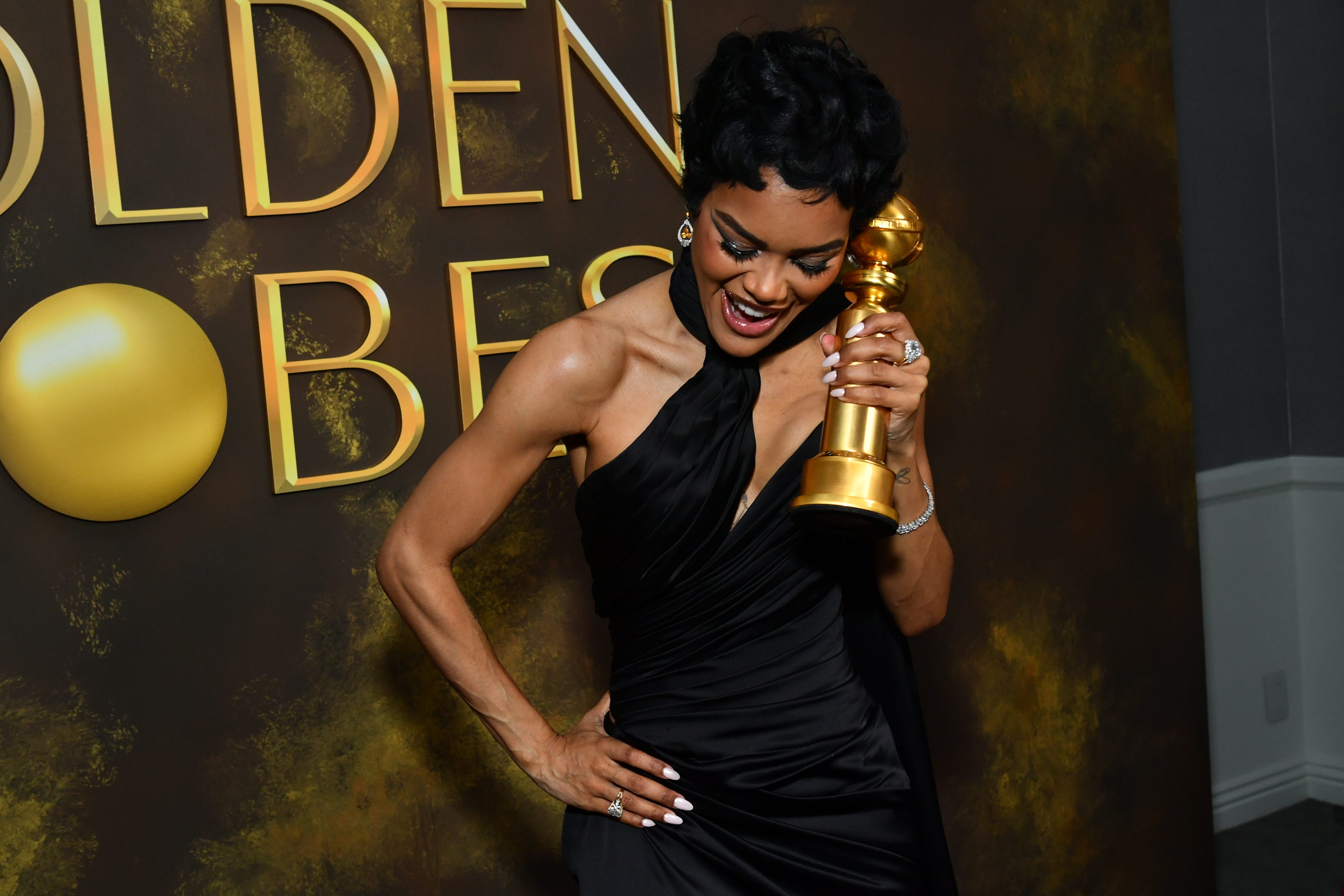
To be clear, I do not necessarily think this is a bad thing. The beautiful chaos of seeing a different best supporting actress winner at each precursor ceremony (Teyana Taylor at the Globes, Wunmi Mosaku at BAFTA and Madigan at Critics Choice and the Actor Awards) is exactly what I want awards season to be. If we’re going to have so many dang awards shows, we may at least try to celebrate a lot of people at them.
But we should probably also let go of the idea that winning a Golden Globe or Critics Choice Award tells you anything about who might have support among Oscar voters, particularly since there’s basically no overlap among any of those groups. Sure, Wagner Moura and The Secret Agent got a visibility boost ahead of nominations voting with that Golden Globe win, and Madigan’s run toward her best supporting actress win was supported by her delightful Critics Choice Awards speech. But the voters on all of these awards are, as we’ve known all along, very different from the ones who vote for the Oscars. Momentum boosts can only mean so much if the Oscar voters themselves are simply looking for something different.
7. Maybe Don’t Overthink Stats & History
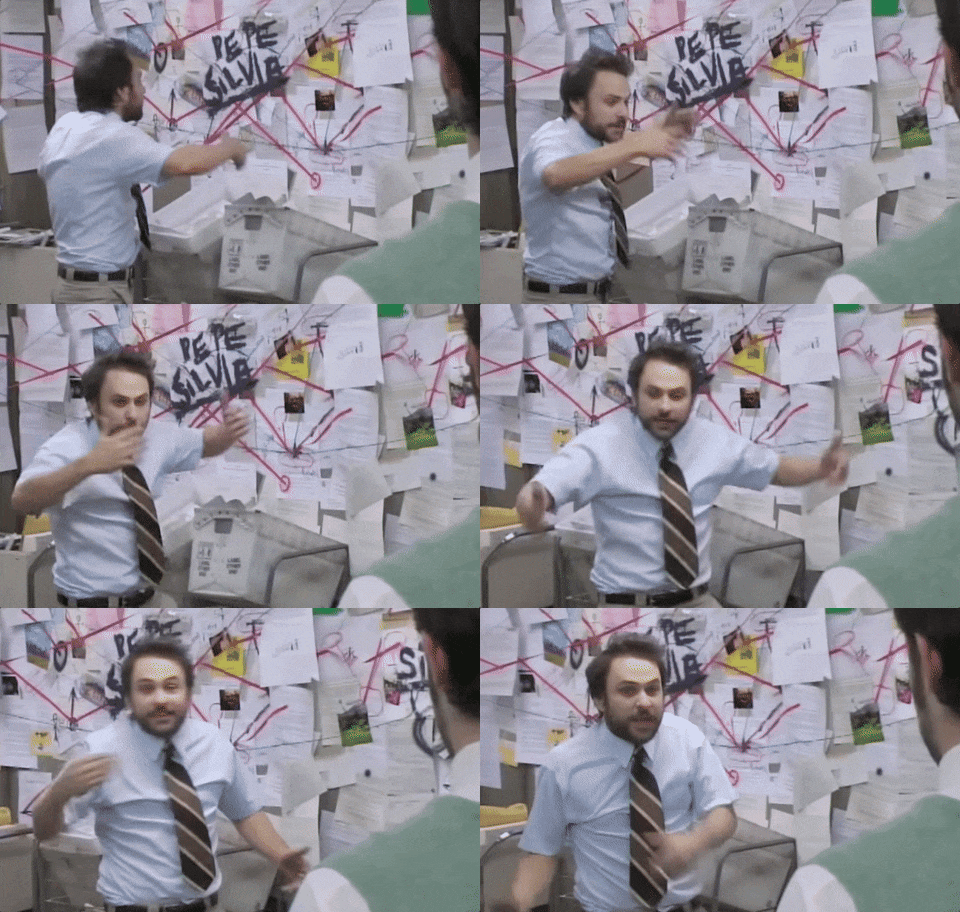
My beloved colleague Christopher Rosen tells me to feel free to make fun of him here with the Charlie Day meme (you’re welcome, Chris), and there were definitely times this season when I could see the gears spinning in his head as he tried to game out how many people have even won acting awards without BAFTA nominations, how strong the correlation is between the best editing category and best picture and whatever other arcane Oscar stat felt most important at the moment.
But then Michael B. Jordan becomes the first actor to ever win best actor after winning only the SAG Award, or Autumn Durald Arkapaw takes home best cinematography despite losing at every precursor award, and you realize precedents are made to be broken. It would take a lot for Oscar fans to let go of stats entirely — we’re like baseball fans in that way — but this year was a good reminder that, especially when the competition is tight, and the movies are this good, the numbers can only tell you so much.