

Oscar Dirty Tricks in the Social Media Age
Team ‘Marty Supreme’ and an awards oppo machine far beyond Harvey Weinstein’s Machiavellian moves

Pay no attention to the man behind the curtain this Oscar season — because odds are, the man behind the curtain no longer exists at all.
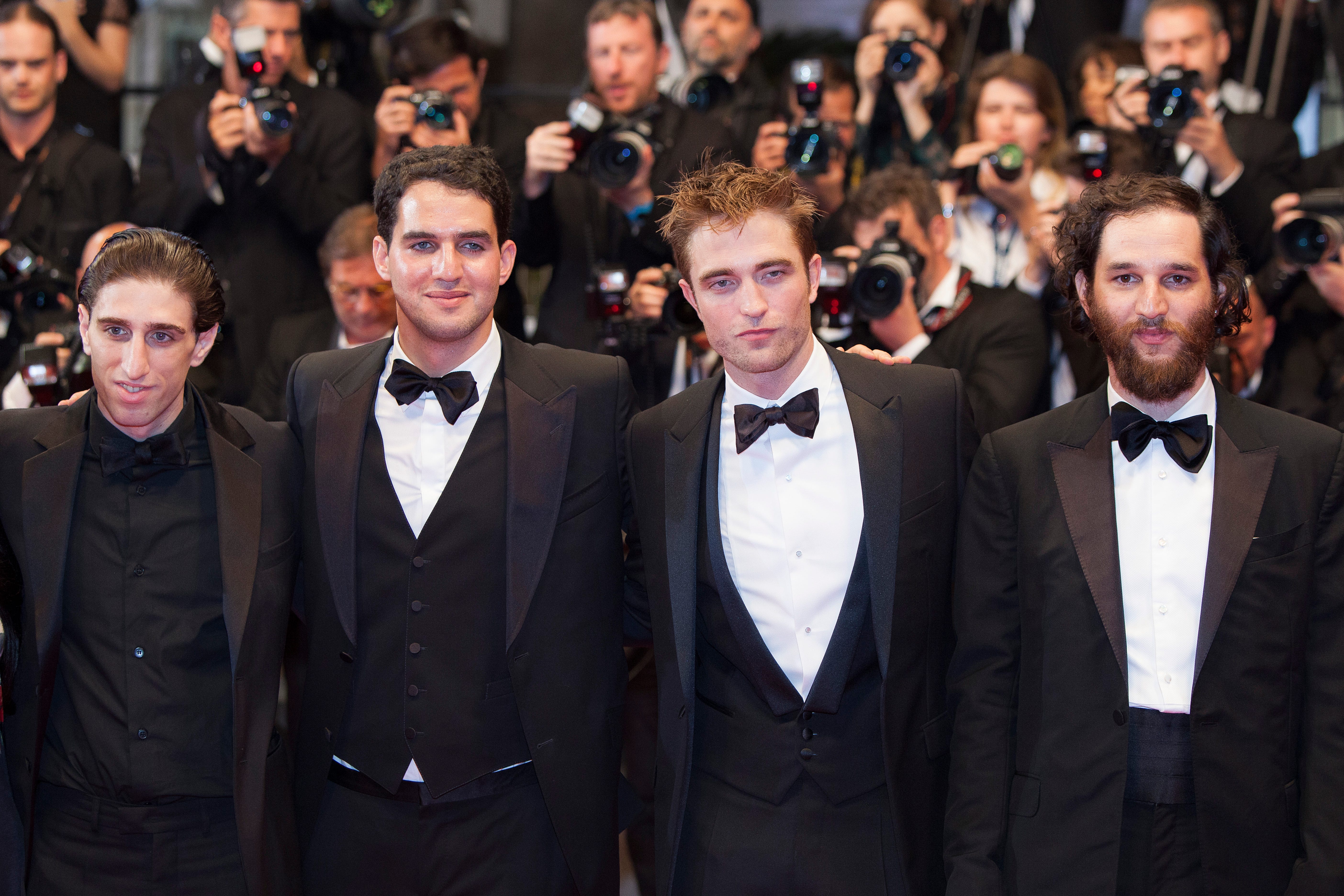
The post-nominations phase of Oscar campaigning almost always brings the most drama and mudslinging — from unearthed problematic behavior to whispers that the season’s best movies aren’t all that great anyway — and this year it’s no different. The California Post launched last week with a splashy story from Tatiana Siegel, promising to reveal the origins of the “infamous rift” between directing brothers Benny and Josh Safdie, whose respective A24 films, The Smashing Machine and Marty Supreme, earned Oscar nominations this year (albeit way more for Marty, which is up for nine, including best picture).
The story, full of allegations of unprofessional behavior on the set of Good Time, the 2017 Safdie brothers’ breakout as filmmakers with Robert Pattinson, was particularly harsh on Josh, who is described as the “de facto commander” of a set that included filming a sex scene with a 17-year-old girl. The actress was hired by the Safdies’ former producing partner, Sebastian Bear-McClard, who allegedly didn’t inform either brother about her age; she was then placed in a scene with the late actor Buddy Duress, who had been in jail and battled substance abuse issues. Duress was allegedly high while shooting, and he sexually harassed the young actress, who was naked, asking if he could “stick it in”; the scene was cut from the finished film. Duress died of a drug overdose in 2023.
Ever since the story was published, I’ve been texting almost nonstop with fellow journalists and awards season pros, speculating about the timing for the story, who the sources might have been and which rival Oscar campaigns might have been behind it.
It’s a logical question to ask this time of year, when every awards season strategist is scrambling to find a leg up for their clients; this weekend, with events happening all over Los Angeles and up in Santa Barbara for the Santa Barbara International Film Festival, you’ll see virtually every awards hopeful tirelessly back out on the circuit. (I’ll be there too — check out Monday’s newsletter for a full recap!) If you’re working this hard to promote your clients, the thinking goes, why wouldn’t you also put some effort into tearing down the competition, perhaps by leaning on reporters to investigate nasty stories that would otherwise just be rumors?
But the question that Siegel has been facing ever since her story was published — “which awards strategist is behind this?” — is outdated, and in this case, probably flat-out wrong. Siegel first reported on the dodgy behavior on the set of Good Time several years ago for Variety, when her focus was on Bear-McClard’s divorce from Emily Ratajkowski. Most of her piece in the Post, now with a headline focused on the Safdie brothers, draws on that reporting, albeit with a few new details that allege Benny “swiftly ended his creative partnership with his brother” following Siegel’s original reporting in 2023. The timing of the story is perfect for awards campaigns, sure, but it also provided a splashy kickoff for the newly launched California Post; they wanted to get people to notice their new publication, and it worked!
The Post sent me a statement calling it a “lazy narrative” to assume that Siegel’s story was part of a smear campaign. It continues, “When you cannot dispute a single fact in the reporting, the only option left is to attack the intentions of the reporter who covered elements of the case in 2023 and would know more about it than any phantom awards season strategist.”
I pretty much believe this statement, even if it might be a little much to accuse anyone of attacking anyone’s intentions — no one connected with Marty Supreme or its distributor, A24, has commented on Siegel’s story, and most other outlets reporting on it are, for lack of a better phrase, just asking questions. There’s no convincing evidence that the story has anything to do with an awards campaign, much less an alleged “phantom awards strategist.” And according to the very real awards strategists I’ve spoken to this week, the days of awards strategists duking it out in the press are long gone, anyway.

Going Viral
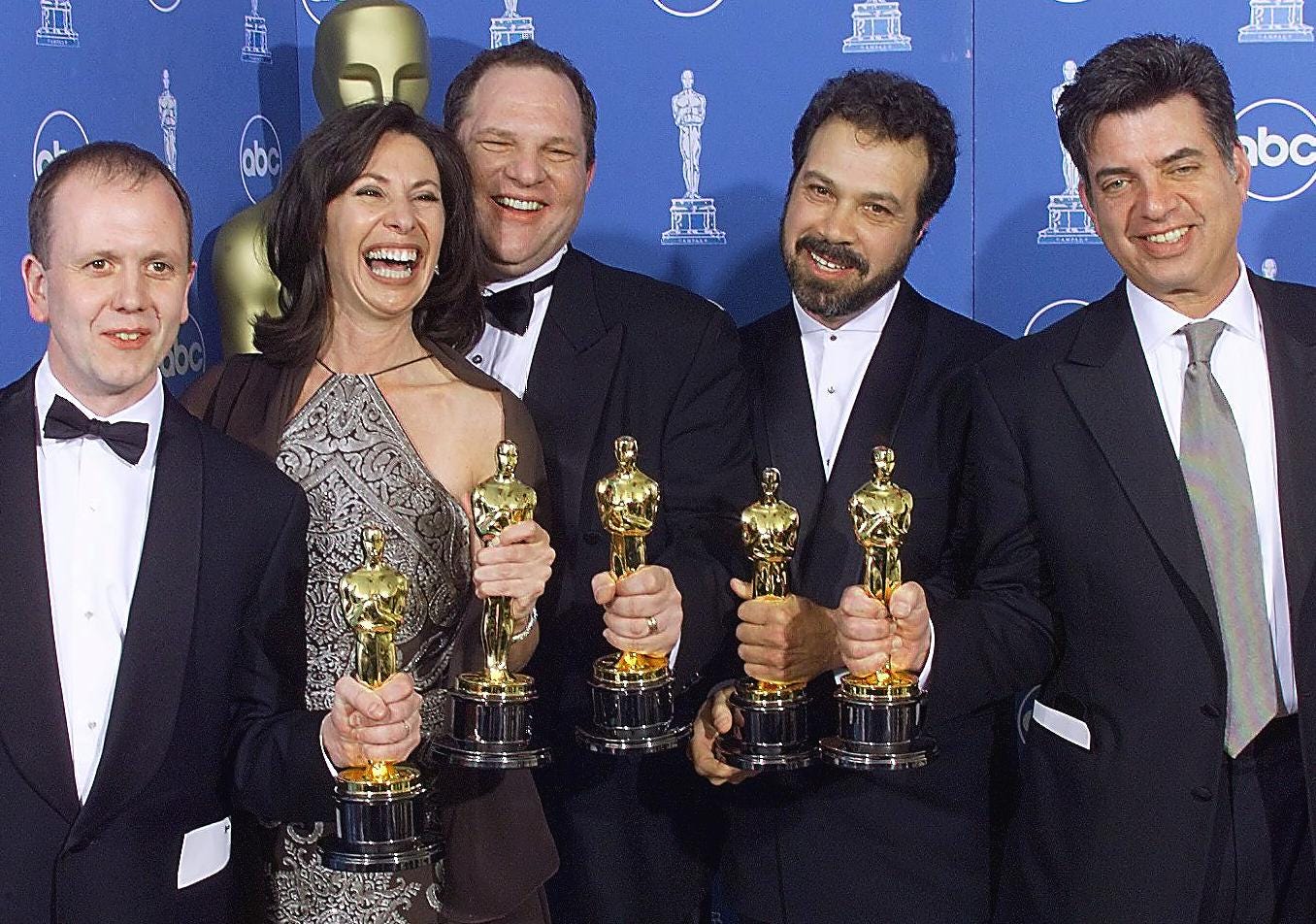
Like many things in Hollywood, this is mostly Harvey Weinstein’s fault. Whenever someone assumes a negative story is the result of meddling from a rival awards campaign, they’re pretty much imagining the Weinstein press playbook, which ranged from dissing Saving Private Ryan when it battled and eventually lost to Shakespeare in Love to questioning the history of A Beautiful Mind’s central subject to (maybe!) bringing out real soldiers to cast doubt on The Hurt Locker. For all the negative stories pushed by Weinstein that made it into the press, there were surely dozens more that gained steam solely as whisper campaigns. At the height of his powers, Weinstein was simply assumed to be behind any negative story about a rival movie, and he knew it; “What can I say?” he said in 2008, when Slumdog Millionaire was being hit with its own negative press cycle. “When you’re Billy the Kid and people around you die of natural causes, everyone thinks you shot them.”
Many of the people now working on awards campaigns got their start with Weinstein, much as they, correctly, don’t want to talk about it much anymore. And you can still see Weinstein’s influence in the grand circus that awards season has become, with actors and directors essentially turning campaigning into a full-time job for six months. But the dirty tricks playbook, in which phone calls to the press and anonymously sourced stories kicked up clouds of doubt around your competition, doesn’t really make any sense in the modern media environment. Why lean on reporters to dig up dirt when social media will do it for you?
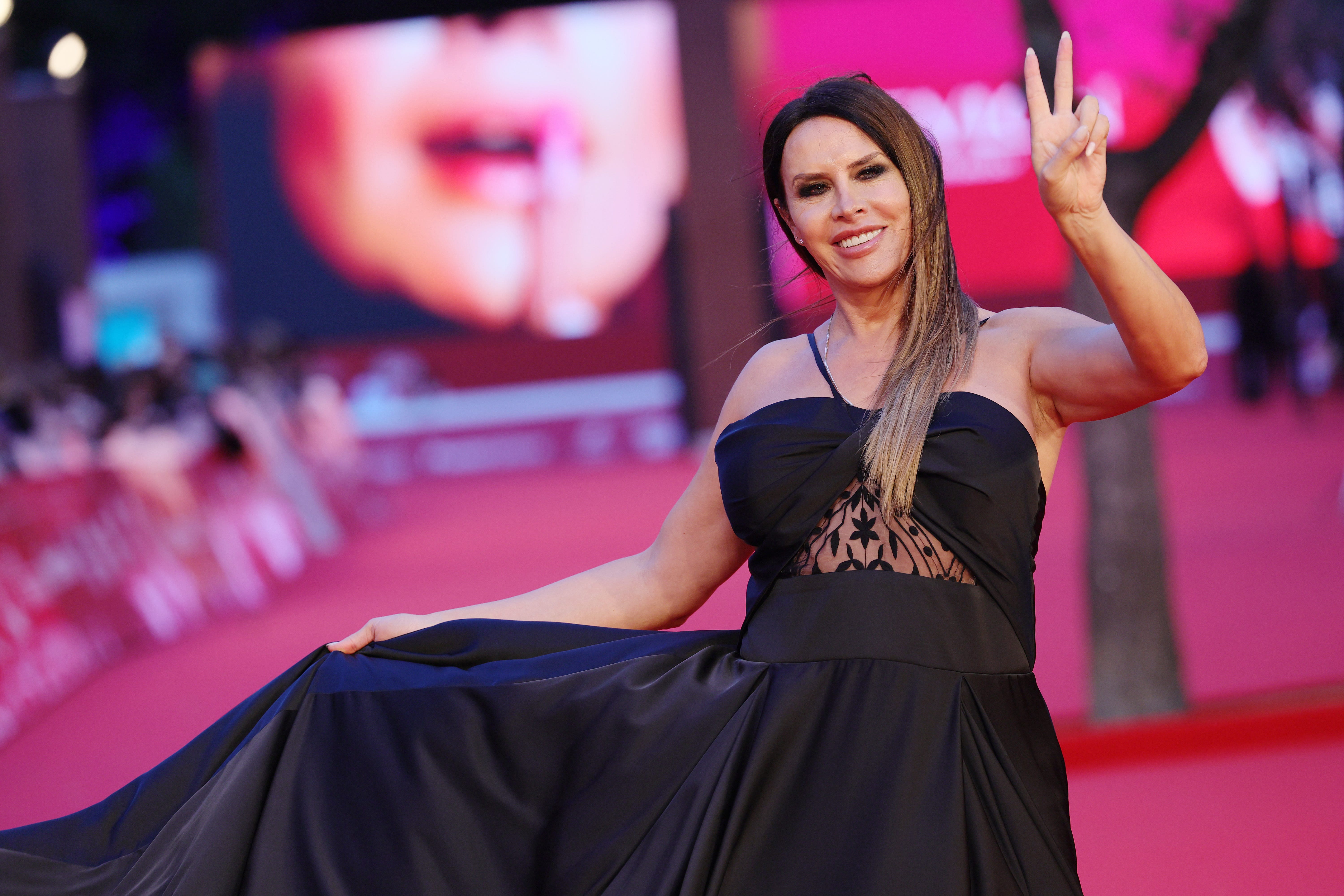
The biggest awards-season scandals of last season all began on social media before being covered by any traditional press. Karla Sofía Gascón’s infamous old tweets, including offensive commentary about George Floyd and diversity at the Oscars, first surfaced on X by journalist Sarah Hagi, who has bristled (correctly!) at the continued implications that she was influenced by awards campaigners. It was an interview on an obscure tech website that first sparked the debate about the use of AI in The Brutalist, but it took the effort of some Timothée Chalamet fans on X to fan those flames. Scuttlebutt about unionizing efforts on the set of Anora first took hold on social media, and there was even a minor scandal about director Sean Baker’s social media habits, though none of it was enough to derail that film’s best picture run.
No social media scandals have really taken hold in the same way this year — and let’s be honest, it’s unlikely anything will reach the level of Gascón’s immolation again for some time. Yes, after Sirāt director Oliver Laxe made an offhanded comment about the fervor of Brazilian fans, suggesting they would support a shoe if it was in the awards race, the Neon Instagram page has been inundated with footwear emoji. There are people on X being weird about Paul Thomas Anderson and One Battle After Another, but people being weird about auteurs is a hallmark of social media — just wait until the next time they start ranking Coen brothers movies. The politics of One Battle After Another are still ripe for debate, too. But thus far, none of those conversations has gotten in the way of the campaign.
And as happens every year, some relatives of the real people depicted in this year’s contenders are coming out of the woodwork to raise complaints. The son of the woman Kate Hudson plays in Song Sung Blue called the film “all lies,” and descendants of Marty Reisman, the ping-pong-playing inspiration for Marty Supreme, claim the movie is “humiliating.”
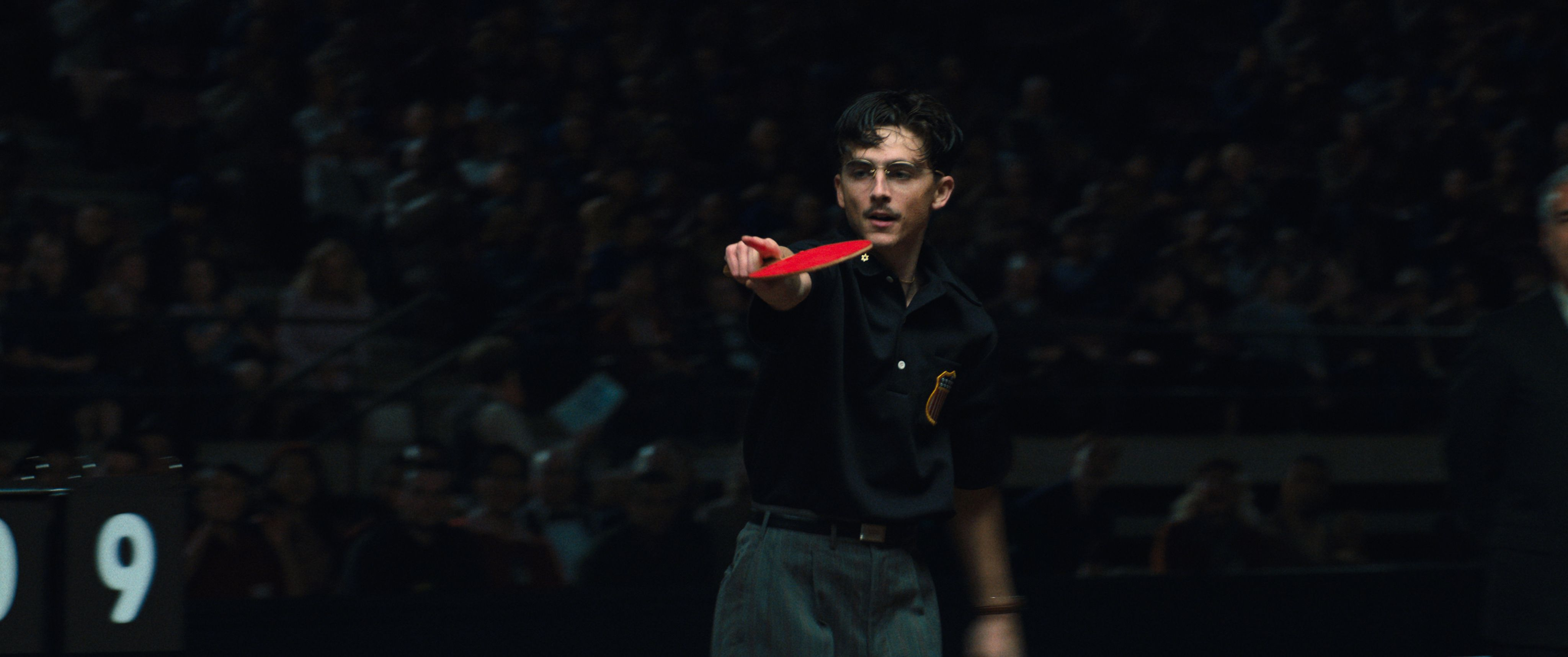
That Marty Supreme story was sent via email to many of my reporter colleagues by someone who, from what I’ve been able to tell, is not connected to any awards campaign. It’s a “weirdly amateurish” effort, as Sonny Bunch of The Bulwark put it to me — and likely points to a fan and not a well-coordinated rival campaign.
As one veteran strategist I spoke to pointed out, you have to ask yourself who benefits when a negative story emerges. For Marty Supreme, it’s likely to win only best actor for Chalamet, which would mean — in theory — that a rival best actor campaign could be behind these negative stories. But Chalamet had nothing to do with what happened on the set of Good Time, and by continuing to participate in Q&As in the week since Siegel’s story was published, Chalamet is doing an excellent job of moving beyond any potential fallout. If you’re a canny rival Oscar campaign, why would you take down the Josh Safdie best director win that was unlikely to happen in the first place?
Even though nothing about Siegel’s story really adds up to a classic Oscar dirty tricks, the fact that everybody wants it to probably says enough. Absent legal discovery on the level of Justin Baldoni and Blake Lively, we’ll never know for sure if social media scandals are coordinated by Hollywood insiders or truly chaotic and fan-driven. A publicist I spoke to pointed out that virality is nearly impossible to predict, and people who have built their entire careers on guiding audience attention constantly find themselves as baffled by the internet’s whims as anyone else.
So when a story like Siegel’s emerges — classic reporting from an experienced journalist — it feels like a return to a familiar order, when traditional media could guide the day’s conversation and awards strategists could turn the screws behind the scenes. The fact that they probably didn’t this time almost doesn’t matter; the fact that anyone still thinks they can means that at least some of that power is still in place after all.