

5 Oscar Best Actress Nominees Fight the Patriarchy (What's Your Film Doing?)
A bigger-than-film campaign narrative always has been a best picture must. I assess the field of who is flexing 'important' with a capital I


Since I wasn’t lucky enough to join my Ankler colleagues at the Sundance Film Festival last weekend — though shout out to the newest member of the clan, Like & Subscribe’s Natalie Jarvey, for hosting her first-ever live podcast from Park City just days into her Ankler tenure! — I’ve still got my mind on last week’s Oscar nominations. That’s my job around here, after all, but in a race that’s been as wide open as this one, I’ve got tons of questions about what will happen between now and the Oscar telecast on March 2.
I’ll have some Sundance chat this week as well, with The Ankler’s Alison Brower joining me to talk on the upcoming Prestige Junkie pod about the best of what she’s seen in Park City and the already forming Oscar buzz for next year (really!). But for now I’ve got the first of my two-part series on the eight burning questions that will guide the remainder of this year’s Oscar season, from the (other!) AI scandal that’s already brewing to the eternal question about the streamer that everybody in Hollywood loves to hate, except when they hate to love it.
Question 1: Can Netflix Finally Win Best Picture?
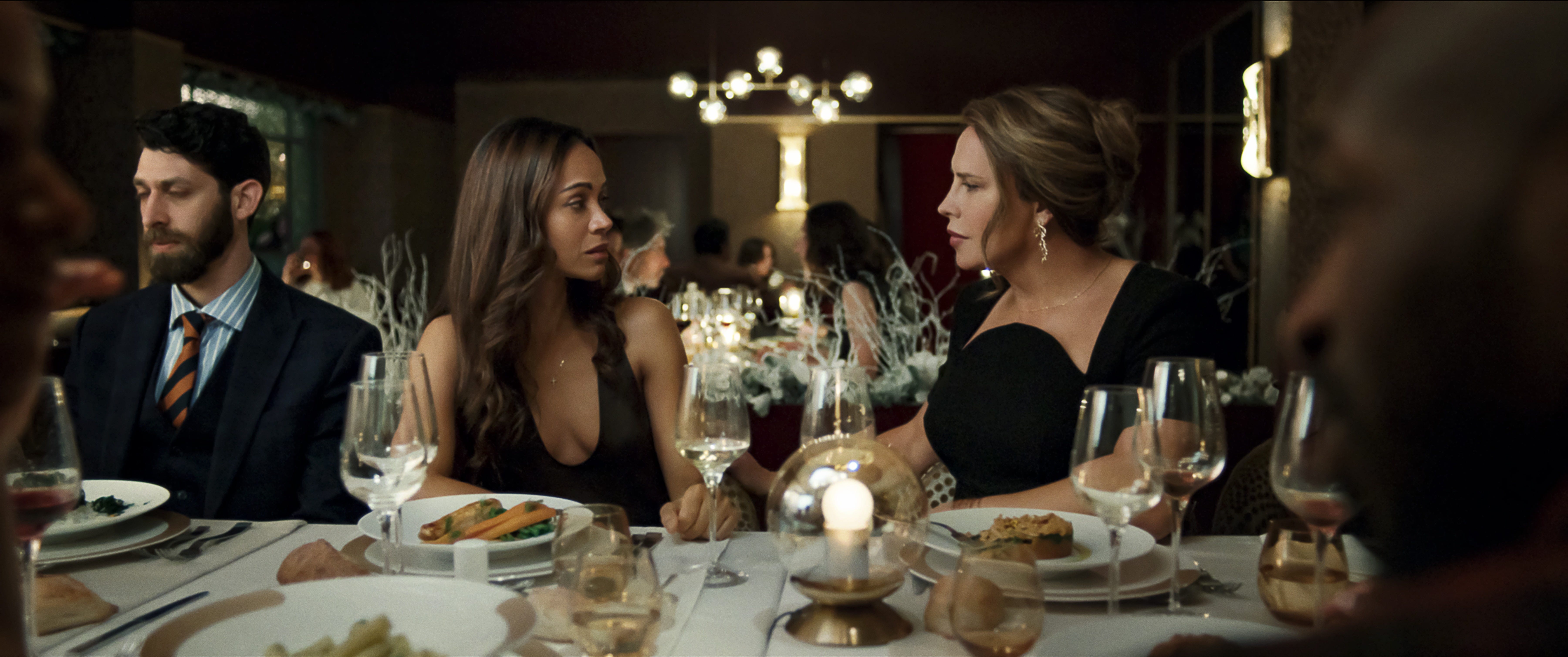
In the days since Emilia Pérez racked up its exceptional 13 Oscar nominations, I’ve been surprised by how many people have said to me plainly, “Yes, but Netflix can still never win best picture.” It’s true that for years it’s really seemed that way, as gold-plated prestige contenders like Roma and The Power of the Dog came incredibly close to best picture victories that were ultimately snatched by more populist options Green Book and CODA.
Barnburner earnings reports aside, Netflix remains subject to the same skepticism from the industry old guard that stopped those earlier Oscar campaigns in their tracks. It’s still avoiding theatrical releases for everyone but Greta Gerwig, still driving the attention to its successes when so much of the rest of the industry is teetering on collapse, still shelling out for lavish awards campaigns that none of its competitors can match. The mix of envy and revulsion Netflix can inspire is still unique.
On one hand, that clearly hasn’t been a problem for Emilia Pérez thus far, from its major wins at the European Film Awards in the fall to the Golden Globes to its near-record nominations haul. Backlash to the film’s out-there songs and treatment of trans identity has been bubbling online at least since the film started streaming on Netflix in November, making it easy to cherry-pick the wildest scenes. “So this beat Wicked for best musical,” goes one typical baffled response, referencing Emilia Pérez’s Golden Globe win.
As has happened so many times in Oscar races past, online backlash does not yet seem to have had any impact on how awards voters actually vote. But now that Emilia Pérez is a true frontrunner, the backlash may start to catch up with it. Even more simply, it could have the same experience as so many past Oscar heavyweights, dominating early awards but faltering in the final weeks sometimes seemingly only because voters are sick of hearing about them.
There’s one more aspect of best picture voting that could weaponize the Emilia Pérez backlash in a way that hasn’t been possible before — and drive one of its less-lauded but less-controversial competitors to the top . . .
Question 2: Will the Preferential Ballot Change Everything?
The ranked choice voting system, which is used for determining nominees in every category as well as the winner in best picture, can be a little tricky to wrap your head around, but the Academy produced this video a few years ago that explains it far better than I could.
What this means for winning best picture is that you don’t just need a lot of first place votes, but a lot of second and third place votes too. Are voters who plan to pick The Brutalist or Wicked for best picture likely to put Emilia Pérez in second place? Or are more of them likely to rally around something like Conclave or A Complete Unknown — well-made, likeable, and far less divisive than most of the rest of the competition — as their No. 2 or No. 3?
Given the lack of a best picture frontrunner until now, it seems very likely the vote margins in this category will be slim, which means every second, third, fourth or even fifth place vote counts for a lot. It’s hard to confidently say any contender has what it takes to challenge Emilia Pérez under this system given the Netflix film’s enormous nomination total, but for now I’ve got my eye on A Complete Unknown.
It’s thriving in theaters right now — a powerful contrast to Emilia’s mostly streaming release — and clearly hit with the Academy enough to earn director James Mangold a spot in the crowded best director lineup. Backed by Searchlight Pictures, which has won two best picture Oscars in the past decade, A Complete Unknown has a lot of hustle ahead of it, and would likely need to pull off a surprise best ensemble victory at the SAG Awards to be considered a serious frontrunner. It also has to answer a question that I think every successful best picture winner of the modern era has managed to answer very convincingly . . .

Question 3: What Will Our Best Picture Winner Be About?
Whether or not their filmmakers ever thought about such a thing in the process of bringing their films to life, every best picture winner eventually gets a narrative, a greater purpose in the world that it can highlight and make voters feel like they’re not just picking a film, but a message. It doesn’t have to be entirely about what’s in the film itself, either; Everything Everywhere All at Once and CODA both thrived on emphasizing the power of stories about immigrant and Deaf families, respectively, while the victories for Oppenheimer and Parasite were also narratives about their directors, auteurs Christopher Nolan and Bong Joon-ho, whose moments had finally arrived.
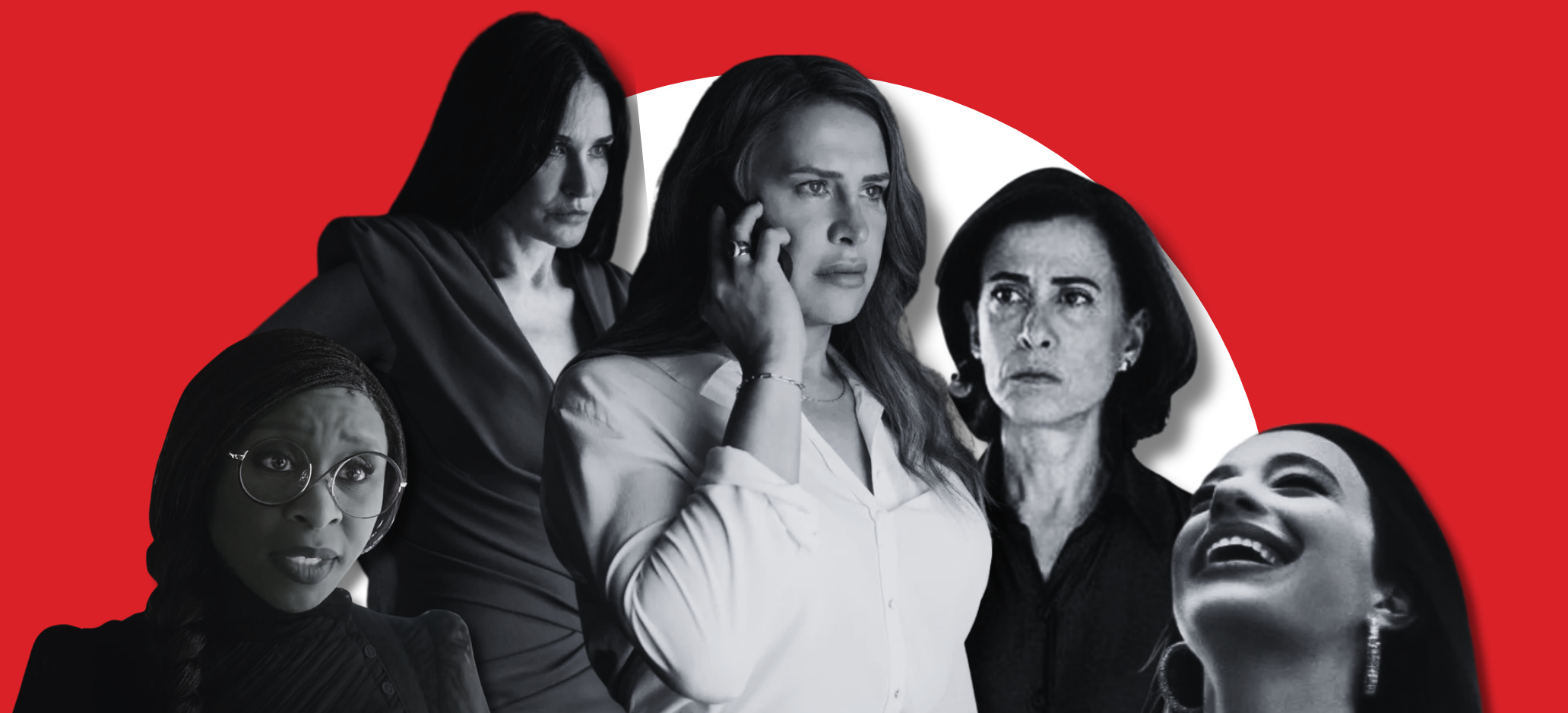
This year doesn’t have a whole lot of established auteurs — all five best director nominees are first-timers — so the films themselves will likely do most of the talking, and many of them already have their narratives in place. It’s remarkable that of the five best picture nominees that are represented in best actress, all of them are about women standing up against some kind of patriarchal system, be it drug cartels (Emilia Pérez), oligarchs (Anora), dictatorships (I’m Still Here), Hollywood (The Substance) or the Wizard of Oz himself (Wicked).
The other five nominees have plenty to say, too. Conclave writer Peter Straughan told me a few weeks ago about how he worked in subtle critiques of the rigid divides within the Catholic church, and put an emphasis on the nuns who work in the Vatican — including the one played by Oscar nominee Isabella Rossellini — who are expected to remain silent. The Brutalist is a very deliberate metaphor about how hard it is to make art funded by ruthless capitalists, something virtually every Oscar voter knows a thing or two about. Nickel Boys is not just about the horrors of the Jim Crow South depicted in the film, but as director RaMell Ross explains, it’s about using the camera itself as a tool to end systems of oppression.
Then there are the two best picture nominees that star Timothée Chalamet — Dune: Part Two, whose message about not trusting your messianic leaders has resonated for decades, and A Complete Unknown, about what happens when your messianic leaders decide they don’t want the job and piss off a ton of fans at the Newport Folk Festival.
To put it somewhat bluntly: Is a movie about Bob Dylan big enough to win best picture? A Complete Unknown is a successful film partly because it doesn’t try to explain Dylan, or make his story about anyone other than himself. It’s an accurate approach to one of history’s most famous musicians, but he’s maybe not the best figure to build a traditional best picture campaign around. It’s not an “inspiring” biopic like A Beautiful Mind or The King’s Speech, or an effort to reframe history like Oppenheimer or 12 Years A Slave. It’s a good story about a single person who changed the world whether he really wanted to or not.
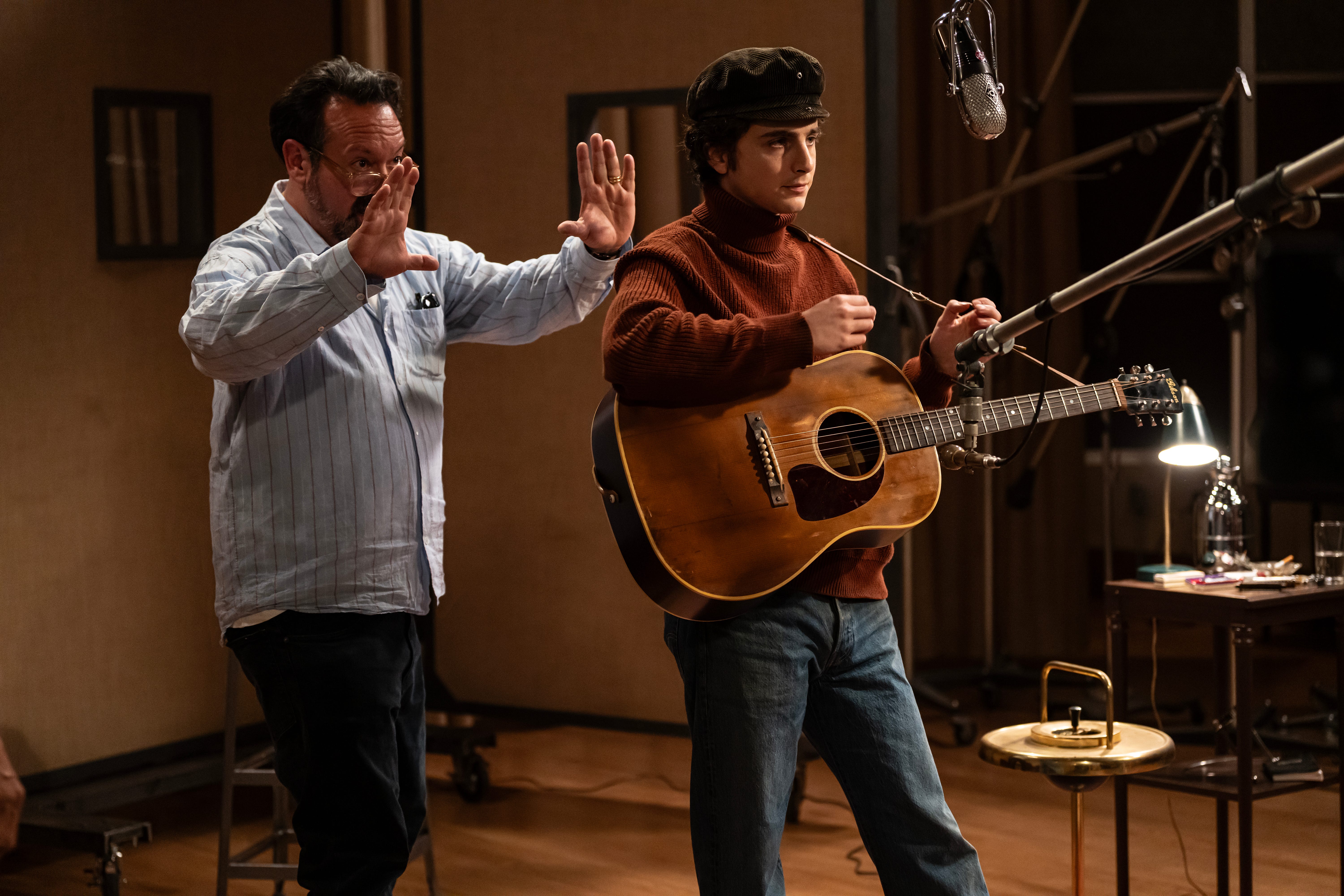
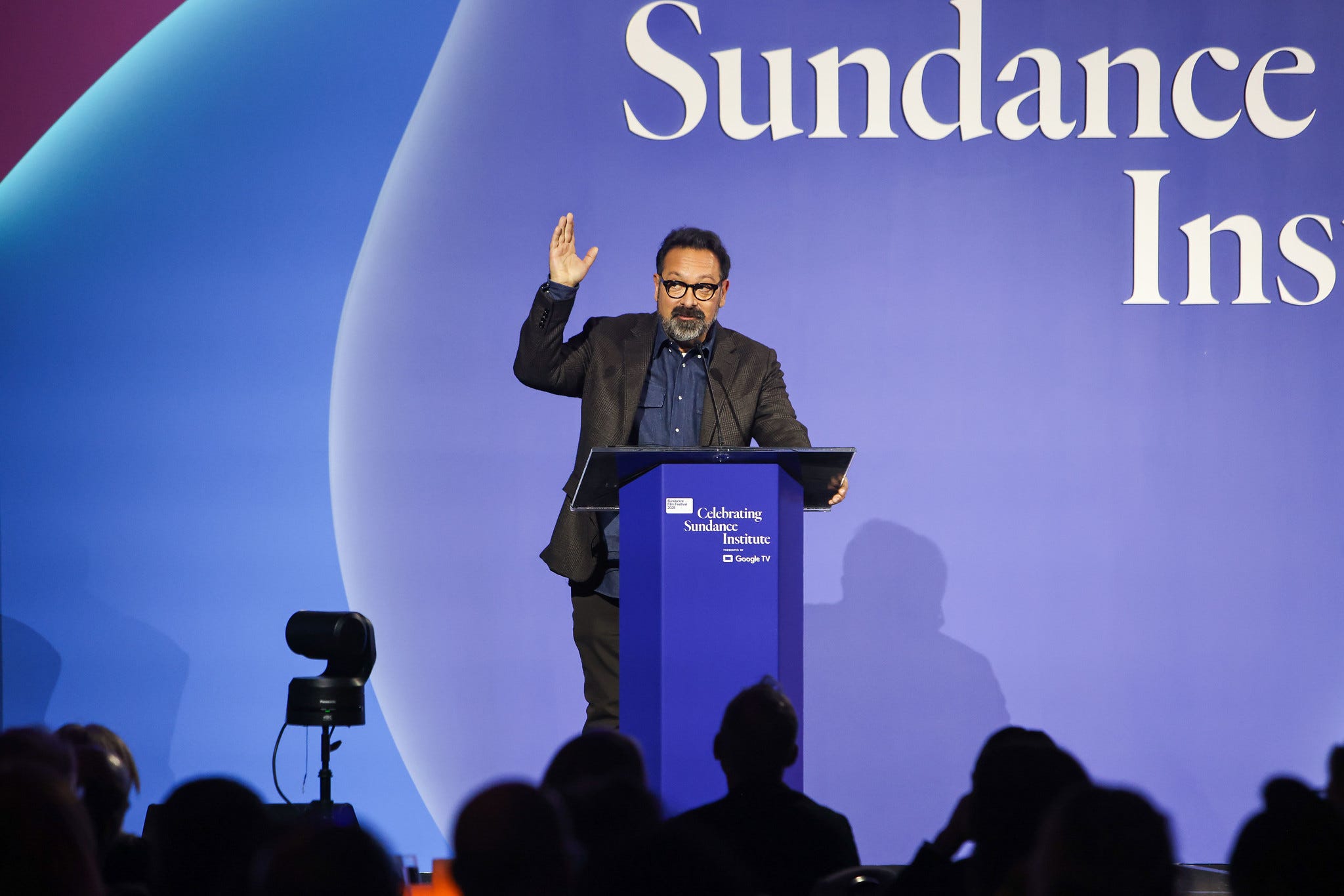
I do think A Complete Unknown will ultimately need more of a narrative to be a strong best picture contender, but I would also never put it past Searchlight, which pushed the oddball fish romance The Shape of Water and the scrappy and unsentimental Nomadland to big consensus wins. Mangold’s film might wind up channeling the spirit of its supporting character Pete Seeger, the earnest and optimistic folk singer, more than Dylan himself. Accepting the Sundance Institute Trailblazer Award at a ceremony in Park City on Saturday, the director sounded more than a little Seeger-esque.
“We need sincerity and earnestness more than ever,” Mangold told the crowd. “That doesn’t mean every film has to be a history lesson or depressing or weepy or political or provocative or wear its issues on its sleeves. It just means we shouldn’t be embarrassed to feel shit and show it.”
Question 4: How Much Will the AI Drama Continue?
I am relieved to have gotten this far without writing about the first real scandal of this awards season, which hopefully should tell you how much else there is to dig into in this year’s race. But I was also disturbed this weekend to watch this TikTok, sent by a well-meaning friend who is not connected at all to the film industry and was curious to know if it was true that Emilia Pérez is, essentially, a Manchurian Candidate for AI.
Hopefully I don’t need to tell you that it’s not — The Brutalist and many other films have used the same AI technology on some aspects of their actors’ voices that, as I wrote about last week, is not controversial among people who actually understand what it is. But in this misinformation era, I’m still concerned about how these kinds of rumors can travel, and how the very real industry-wide fears of AI may come to infect films that are really not the bad guy in this situation.
Typically I assume Academy members — people who actually work in the industry that’s already dealing with AI in plenty of real-world ways — are likely to see through the accusations floating around out there about The Brutalist and Emilia Pérez. But I’ll be seeing many of them in person in the coming weeks, along with the talent eager to woo them, so I’ll keep an ear out and report back if hear otherwise.
Look out Thursday for four more questions driving the next few weeks of the race, from the importance of some upcoming awards shows to the potential return of good old-fashioned mudslinging. Got an Oscar ballot and an opinion on all of this? E-mail me at katey@theankler.com; I’d love to hear what you think.
