

Ordinary People Enduring Life Under Dictators: The Jury's Choice
Analysis: The just-wrapped fest honored films 'from human points of view' that critics loved. But will audiences?


I’ve written for The Ankler about Wall Street analysts’ impact on Hollywood, falling TV news salaries, and I joined Gregg Kilday for the Ankler’s on-the-ground Cannes coverage in partnership with Screen International. I also write The Media Mix newsletter.
How do you talk about Trump without talking about Trump?
I just wrapped my lucky 13 days on the ground at the Cannes Film Festival, and I think I found at least one way: by celebrating films that delve into the history of authoritarian regimes, from Brazil in the 1970s to Iran right now, and giving those films a platform that can help them speak their truths beyond borders, including to audiences in the U.S.
An investor had a dilemma at Cannes. He told me he wanted to back movies that could win a mainstream audience but get their lift-off by capturing hearts on the film festival circuit. Can critics’ picks have mass appeal?
Film festival movies are passion projects by nature; they are niche and unusual. This year’s Cannes films explored thought-provoking themes including bisexuality (Kristen Stewart’s directorial debut, The Chronology of Water) and BDSM (Pillion). Topics that typically don’t go down well with Milk Duds and Mountain Dew in the multiplexes of today’s MAGAland.
Cannes rolled out possibly the biggest line-up of true Hollywood celebrities so far outside of the Oscars’ red carpet: Nicole, Halle, Angelina, Scarlett, Dakota, Benicio, Leo, DeNiro, Denzel and Spike, to name a few. I sat behind a photo agency guy in the press room, zooming in and out on celebrity teeth, and had second thoughts on wanting to be rich and famous.
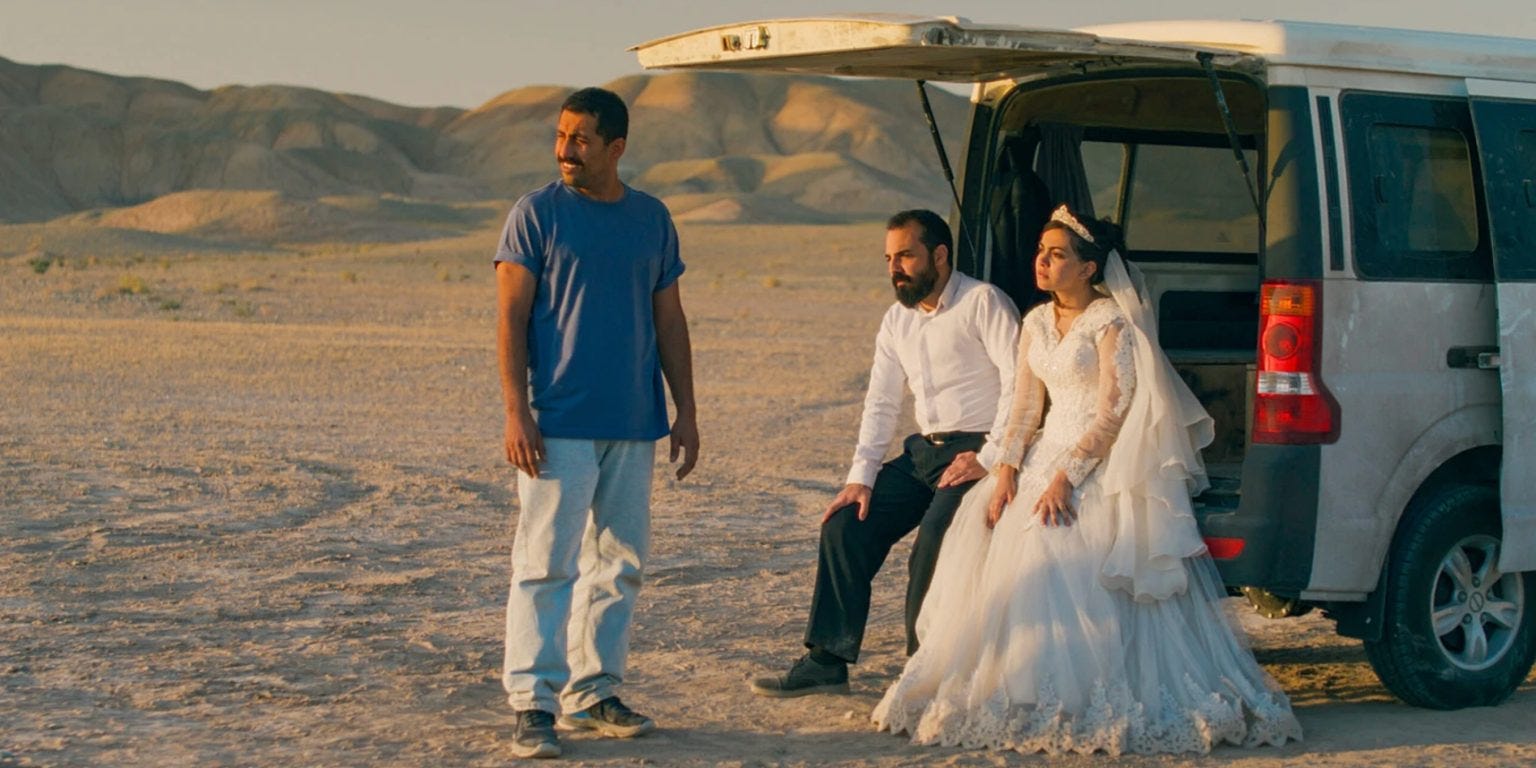
The festival whips a mix of highbrow films and mainstream movies into a tornado of publicity with something for all tastes — over the past two years, seven Cannes Competition films have topped $40 million at the global box office, according to an analysis by Screen International, and festival brass increasingly measure the success of their selections’ by their audience impact. The big Hollywood tentpoles in its Out of Competition selection bring a powerful spotlight to the whole lineup. Shaggy-haired Tom Cruise appeared in the Palais for a surprise Q&A with Mission: Impossible — The Final Reckoning director Christopher McQuarrie. The latest version of the predictable rock ’em, sock ’em action franchise has so far scooped up a series-best $77 million at the North American box office (and $204 million worldwide), part of a record-setting Memorial Day weekend overall.
For Americans, the movies are about action and entertainment. We go to the movies to escape 12 hour work days, two-weeks-a-year vacation policies (if you’re lucky enough to have paid vacation) and a “tariffying” news cycle. M:I #8 will continue to be a big hit, whether or not the story is strong; whether or not reviewers think it has too much Tom. Sometimes we just need comfort food. Other times we need to get out of our comfort zone — and that’s the mission of the Cannes jury.
Stories of Survival
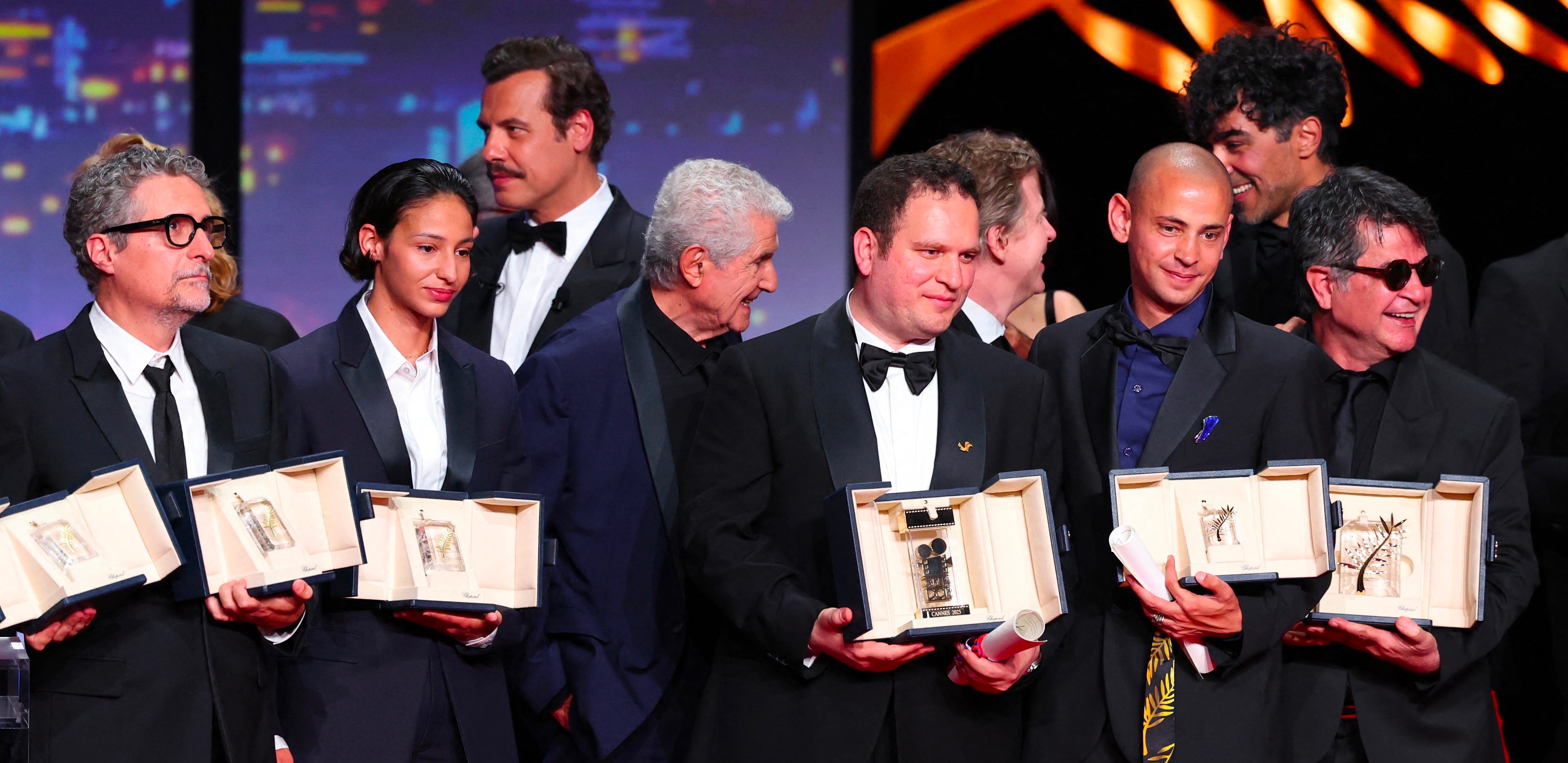
This year’s crop of award winners could be collectively labeled “life under dictators.” I watched the closing ceremony from the press room on Saturday night. There were clear favorites among the film reviewers I met, two of whom had been coming to Cannes for more than 40 years. When Cate Blanchett announced that the Chopard-crafted Palme D’Or had been awarded to an Iranian writer-director — Jafar Panahi, who’d been on hunger strike in prison in Iran just over two years ago — the room erupted. “Let us join forces,” Panahi said. “No one should tell us what kind of clothes we should wear, or what we should or shouldn’t do.” (I wasn’t sure if he was referring to the mullahs or to the festival’s surprise ban on revealing dresses and voluminous trains.)
Panahi’s movie, It Was Just an Accident, follows the victims of torture and their complex and sometimes funny moral quandaries when they get a chance for revenge. The movie was picked up for distribution by Neon, which has a Boston Celtics-style knack for winning, finding the jewels at the Cannes Film Festival year after year — hence Tom Quinn’s Palme D’Oracle moniker. Last fest, Quinn had Palme D’Or winner Anora, which won a little award called the best picture Oscar (and several more to go with it) less than three months ago.
Related:

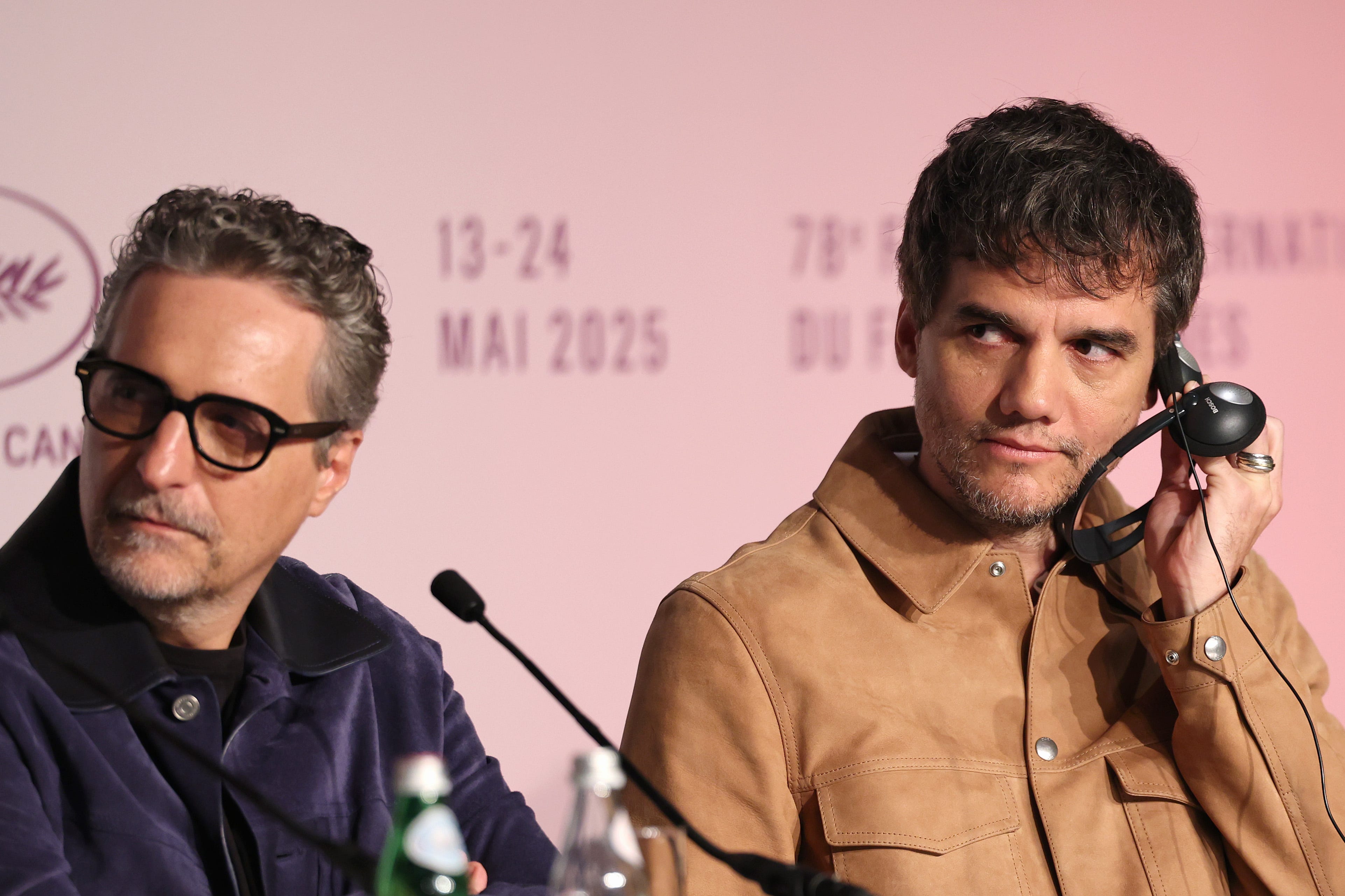
Similarly, The Secret Agent, starring Wagner Moura, who played Pablo Escobar in Netflix’ Narcos, follows a tech executive who returns to a small town in Brazil in 1977 under military dictatorship. Moura and director Kleber Mendonça Filho won the fest’s awards for best actor and best director. It can’t be lost on them that I’m Still Here — another Brazilian film about political turmoil in 1970s Brazil that premiered at Venice last summer — went on to win this year’s Oscar for best international film. Walter Salles’ film also scored a best picture nomination, plus a best actress nod for Fernanda Torres, and made more than $6 million at the North American box office and more than $30 million worldwide. It was a bright spot for indie film, which saw a decline in its share of the global box office last year despite standout genre hits like Longlegs ($128 million worldwide) and prestige plays like Conclave ($126 million worldwide).
Nigeria’s first-ever film in competition at Cannes, My Father’s Shadow, won a special mention. Set in a fraught time in Nigerian politics — June 2, 1993, just ahead of an election which might edge out the military — it follows two young brothers who barely know their father before he unexpectedly shows up one day.
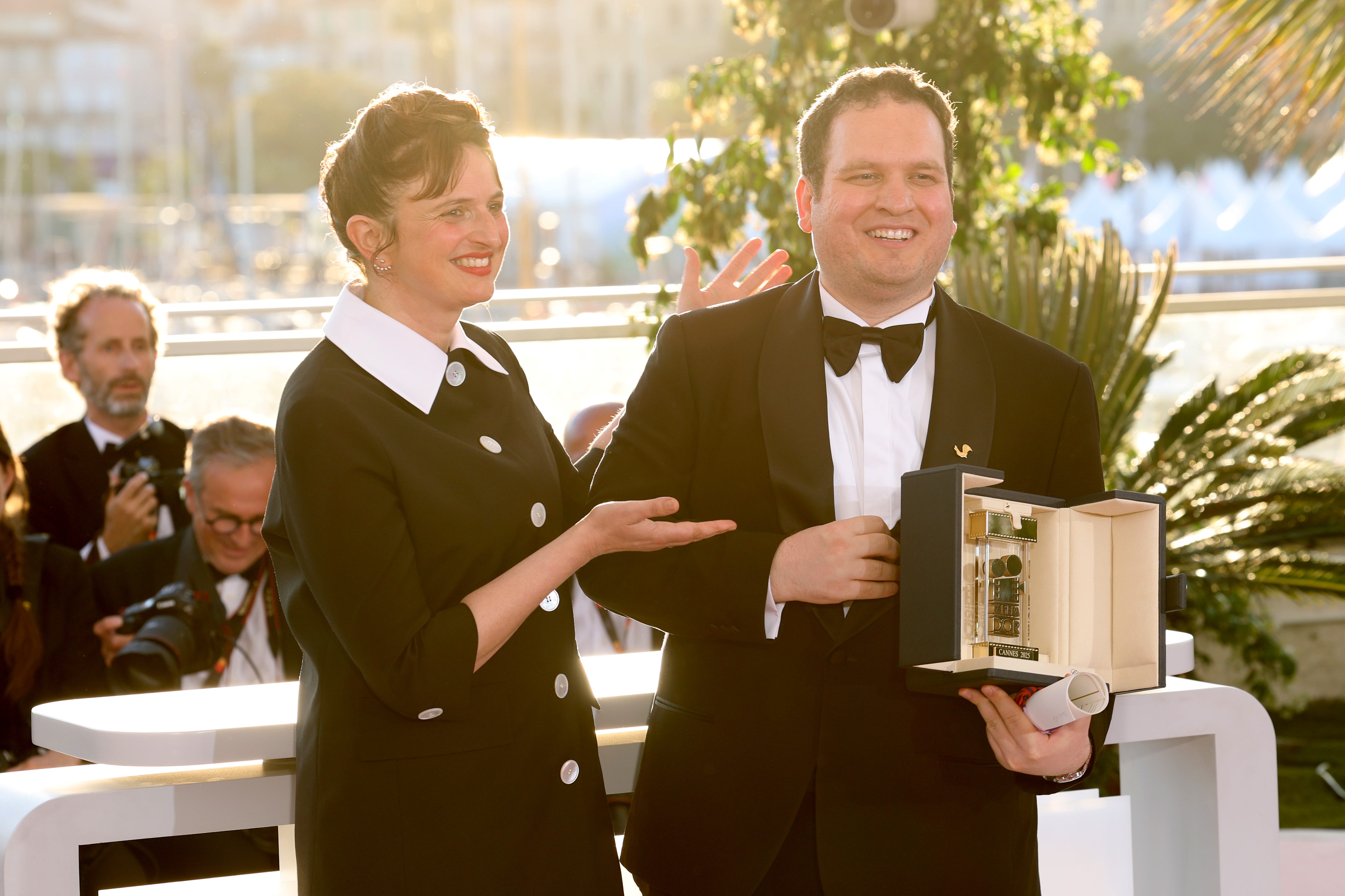
Similarly, The President’s Cake, follows a girl who has to scrounge up scarce ingredients to make a cake for her school’s celebration of Saddam Hussein’s birthday. In an interview with The New Arab, first-time director Hasan Hadi recalled the difficulty of life in Iraq under UN food sanctions in the ’90s and the experience of blocking trauma. “We shouldn’t explore it from a political point of view,” he said. “We should explore from personal points of view, from human points of view.” He picked up the audience award and the Camera d’Or, which honors the fest’s best debut feature.
Art’s Power Over Propaganda

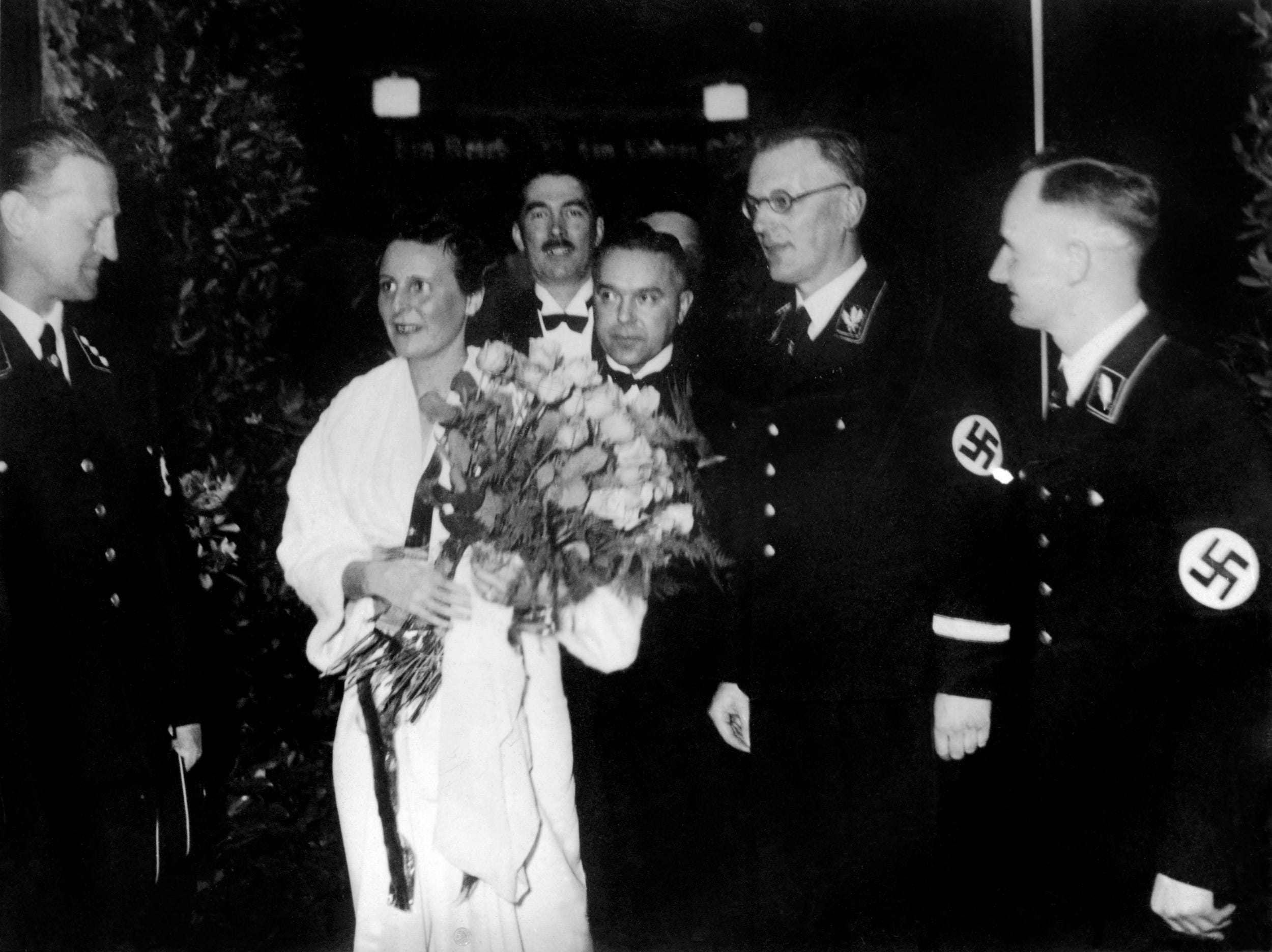
It’s perhaps no surprise that the jury related to the authoritarian regime theme. The festival itself was started in opposition to tyranny. When an Italian film festival honored Hitler’s propagandist Leni Riefenstahl with its top award for Olympia, the French quit in disgust and with American support gave birth to Cannes in 1939 so that “art would no longer be influenced by political maneuvering,” as the fest’s site has it.
On Saturday, as Aperol-soaked attendees limped to the finish line of this long event, a suspected act of sabotage cut power across Cannes and surrounding towns, leaving Cannes Mayor David Lisnard fuming. Hair salons were shuttered, restaurants were dark and there wasn’t a cappuccino to be had for miles. The locals drank beer instead.
But if the villains had thought they would silence the biggest celebration of film art in the world, they were wrong. Incredibly, the festival had a backup power system and continued with barely a twitch, and I got to my screening of Wes Anderson’s The Phoenician Scheme without a hitch.
Living under authoritarian regimes and often lacking basic creature comforts, the directors honored at Cannes had transformed some of their darkest moments into something beautiful and now celebrated. They had found what they wanted to say, and other people liked it. It’s unlikely that any of Saturday night’s award winners were driven solely by potential financial rewards, but the Cannes Film Festival just reestablished itself as both the start of Hollywood’s awards season and a good hunting ground for investors looking for films with both intimacy and impact.
A huge thank you to the folks at Screen International for the warm welcome in their newsroom and an endless supply of snacks. You can check out their stellar year-round film coverage here.
 | A guest post by
|