

Jay Penske Bought a Beloved TV Fest Then ‘Didn’t Invest’. Its Founders Took It Back
EXCLUSIVE: ATX’s Emily Gipson & Caitlin McFarland break their silence on how investors like Noah Hawley jumped in after PMC ownership went sideways

I cover TV from L.A. I wrote about Netflix’s expiring 10-year holds on OG studio-produced scripted series, interviewed Sony TV chief Katherine Pope and Wiip CEO Paul Lee and wrote about USA Network’s return to scripted originals. I’m lesley.goldberg@theankler.com

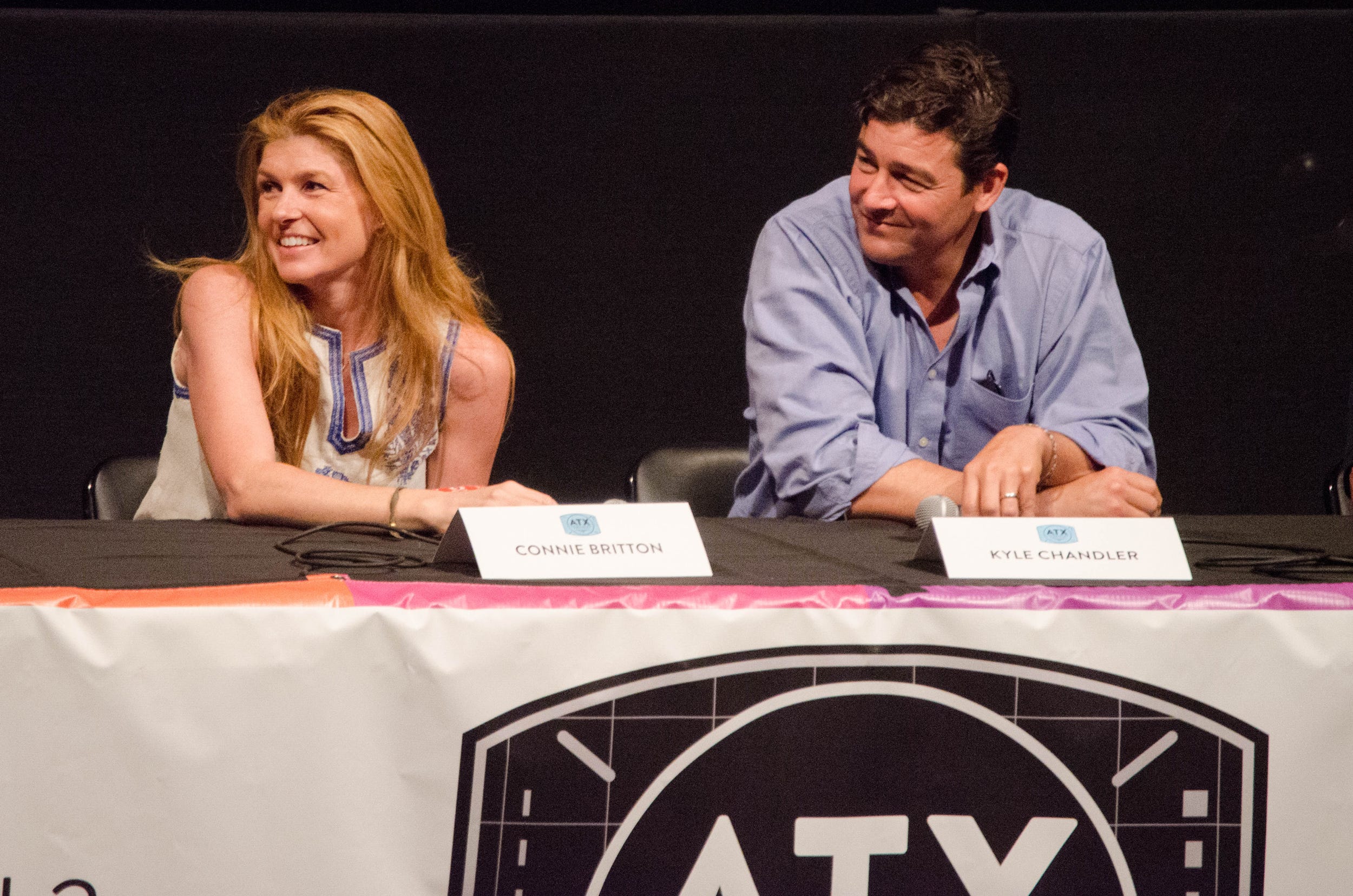
Thirteen years ago, I was sitting at home in L.A. and experiencing the biggest case of FOMO I’ve had in my entire career: following along as cast members and creatives from my favorite drama, Friday Night Lights, reunited a year after the series’ finale at what seemed like a veritable TV-palooza in Austin, Texas.
The FNL reunion, which capped a weekend of panels tied to Parenthood, Firefly and The Vampire Diaries as well as themed discussions about book adaptations and writing for the small screen, marked the first “season” of the ATX TV Festival. The annual “TV Camp for Grownups” — as the festival bills itself — has in the years since become a must-attend event on the TV calendar for industry figures and fans.
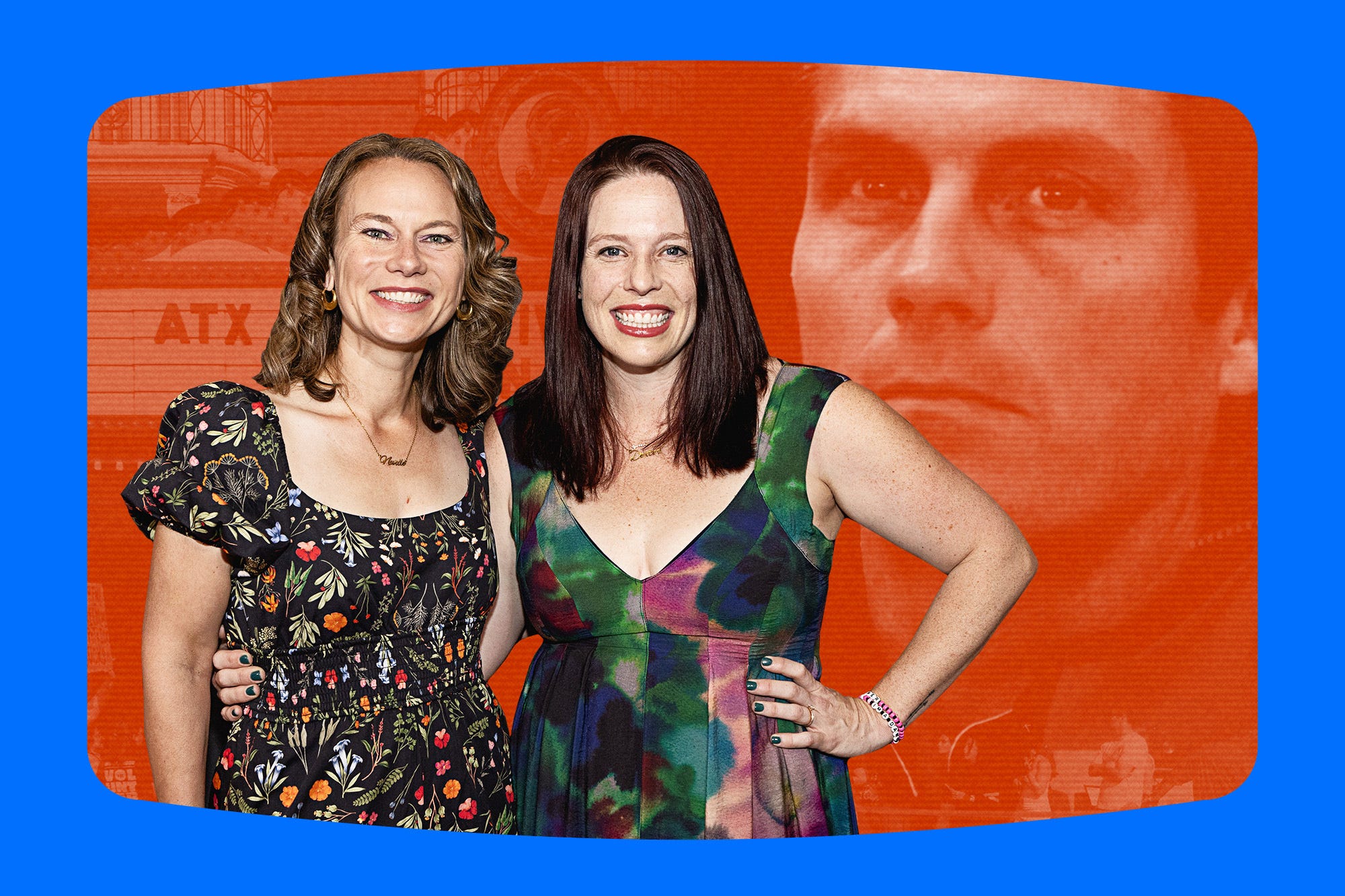
The festival was launched as a passion project by longtime friends and former development executives Emily Gipson and Caitlin McFarland, who raised money on Kickstarter to help them book venues and cover the costs associated with an event that in its first year drew 700 fellow TV obsessives. What sets it apart from other TV events is the 50-50 split of industry and consumer attendance, they say, combining for a “highly engaged, loyal and influential” community, with attendance skewing 70 percent female.
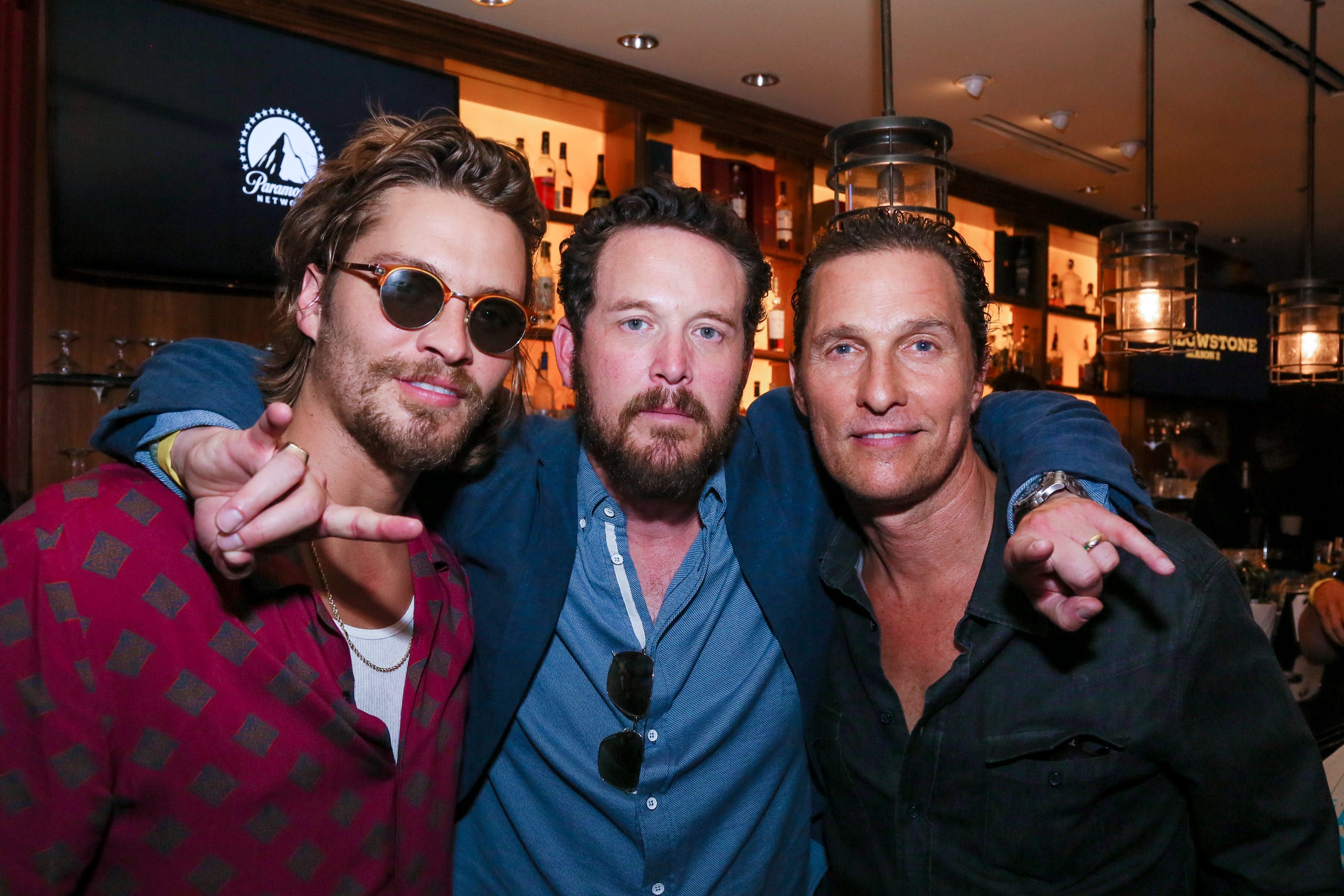
After attending multiple times over the past decade, I’ve experienced how ATX’s intimate setting connects creatives with fans directly. At the host hotel bar, for example, badge holders can interact with showrunners and talent who come to the festival as much to promote their shows as to mingle with fans and other industry figures alike. One year, for example, Matthew McConaughey held court in the bar for hours.
As ATX continued to expand — I moderated the first of its executive-only panels in 2015 — Gipson and McFarland realized they needed additional resources to keep growing the BBQ-drenched event that has drawn stars including Jon Hamm, Christine Baranski, Zendaya, Jeffrey Wright, Uzo Aduba and Seth Meyers and such top creatives as Bill Lawrence, Pamela Adlon and David E. Kelley.
“We had known for a very long time that the two black holes that we needed help with, which we still need help with, are marketing and sponsorships,” McFarland tells me of the period toward the end of the last decade and the beginning of this one. “We were at the end of our word-of-mouth grassroots growth and needed help with digital and traditional marketing, and we needed a larger sales team.”
Enter Penske Media Corporation, whose brands including The Hollywood Reporter, Variety, Deadline and IndieWire all frequently covered the festival (I was among those reporters who did so during my tenure at THR, including a career highlight: recording a live episode of the podcast TV’s Top 5 there).
PMC had acquired a 50 percent stake in Austin’s most iconic media conference, SXSW, in April 2021 (the purchase has since gone sideways), and its conversations with ATX began that same year, when the industry was still reeling after Covid quarantines halted almost all production. ATX had shifted to a virtual event in 2020 and 2021, bringing an end to years of growing ticket sales but expanding the event’s reach beyond industry hubs and locals thanks to its free streamed events.
“We were at this place through season nine (in 2020) where we had plateaued a little bit and knew coming out of the pandemic was also going to be hard and that the growth that we wanted pre-pandemic was still needed,” Gipson tells me.
PMC announced its acquisition of ATX in November 2022, with PMC CEO Jay Penske noting in a release that he looked forward to helping festival organizers “expand their footprint for an even bigger audience in the future.”
The deal was the result of a year of discussions. “It was made very clear it was all or nothing with PMC; it was 100 percent sale or nothing,” McFarland says. “We were having a lot of conversations about why we wanted [PMC’s backing], which was that infrastructure and investment into marketing and sponsorship sales. We didn’t have those relationships.”
PMC’s ownership, however, would be short-lived as Penske and ATX organizers mutually decided to part ways late last year. Now that Gipson, 44, and McFarland, 42, have reclaimed ownership of the festival, the duo are seeking investment from both industry players — Austin-based Noah Hawley came in right away — and stakeholders in the arts community in Texas. After their first indie-again fest in May, they’re ready to grow again. On their own terms.
I spoke with Gipson and McFarland about their roller coaster business and creative journey over the past several years and where they’re headed next with ATX.
Today I’ll tell you the juicy cautionary tale:
What went right and what went wrong under PMC ownership, and how it ended
PMC’s view on the festival’s future
What was missing for ATX to build back after the Covid pandemic and WGA strike
How the festival is newly plotting expansion as an indie and its growth targets via sponsorship and direct investment
The No. 1 lesson from the fest’s nadir year, 2024, and Gipson and McFarland’s key strategy to pivot back to growth
The pitch to sponsors as the duo hustle to get Hollywood backing for 2026
What they’re holding onto from the Kickstarter days, “the heartbeat of what we do”
This column is for paid subscribers only. Interested in a group sub for your team or company? Click here.
For full access and to continue reading all Ankler content, paid subscribers can click here.