

Grading the Tycoons’ Exits
Zaslav joins a long lineage that includes players from Bronfman to Bewkes

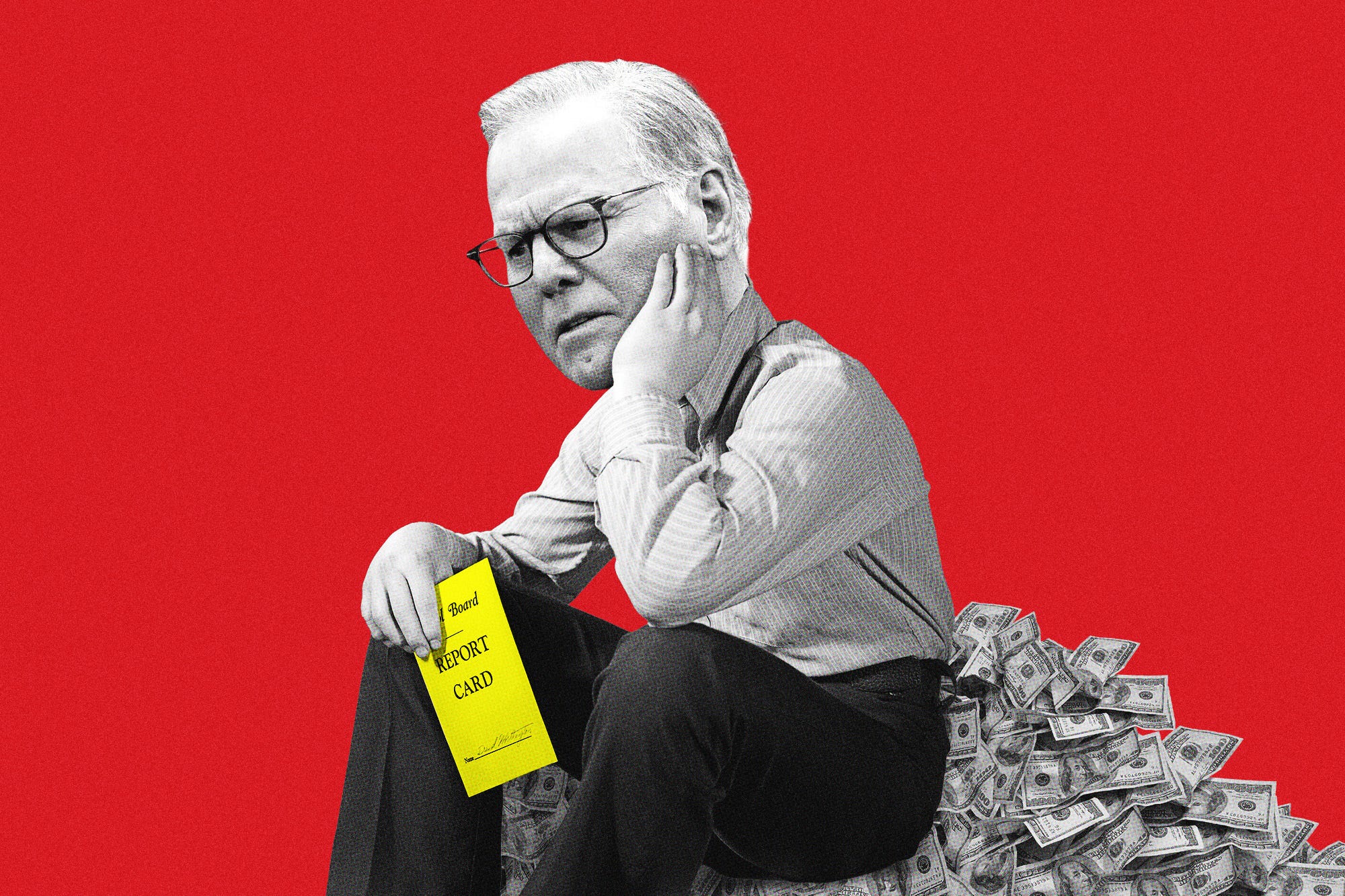
As lame duck studio boss David Zaslav prepares to exit the stage, there has been a lot of talk suggesting Zaslav — based on the size of his payout and the dubious future his studio faces after the deal — may be the worst studio owner in history.
It’s not an exit to brag about, that’s for sure. But how does one assess terms like “the worst”?
To take a very subjective stab at it, I looked at the major exits of studio owners in the 2000s. I wanted to figure out a ratio of the good or harm done to the company versus personal profit, with the idea that you could say justice had been served when the correlation was closest (so that if an owner ruined a company’s future, they would pay for it). Or, on the other hand, a big payday could be forgiven if they left their campground stronger and healthier than they found it, passing it off to capable hands who had the wherewithal to actually maintain it.
In assessing the success of our owners in the past, we tend to look at it only through the prism of how much they bought it for and how much they sold it for. If they increased shareholder value, their tenure is seen as a wild success — and by that standard, David Zaslav is a great hero.
But, as the Zaslav example shows us, there is another element to it. Forgive me for considering the well-being of anyone besides the shareholders, but in the eyes of history, the question of how they left the company for its employees, the community and its audiences will matter.
And to make it even more complicated, there’s one more element that comes into this — where the company was when they found it and what they did with it during their tenure. If they started the company from nothing and built it with their bare hands, that gives them a lot more leeway at sale time than if they took over a healthy studio and knocked it down by 40 percent.
So, a lot of factors to consider, and I wasn’t quite able to come up with a mathematical formula that translates all of that into a perfect numerical score (are we having fun yet?). But! Taking stock of those factors and eyeballing them, I have assigned a letter grade to each that I feel would be in the ballpark of any equation you can invent for these.
The bottom line is — in this century, very few sales have heralded anything good for the company that’s sold. It is a sad history. But it’s also one that occasionally surprises, so don’t give up hope quite yet.
Now, onto the list.