

The AI Making Indie Sci-Fi Budgets Possible (James Cameron’s Team Agrees)
Actor Tye Sheridan and Nikola Todorovic’s Wonder Dynamics streamlines VFX, cuts costs and is backed by the software giant that helped power ‘Avatar’

I write every other Tue. for paid subscribers. I recently reviewed Google’s Veo 3. I also reported on why Hollywood won’t be distributing AI films anytime soon and how AI-driven non-player characters would change Grand Theft Auto and filmmaking.

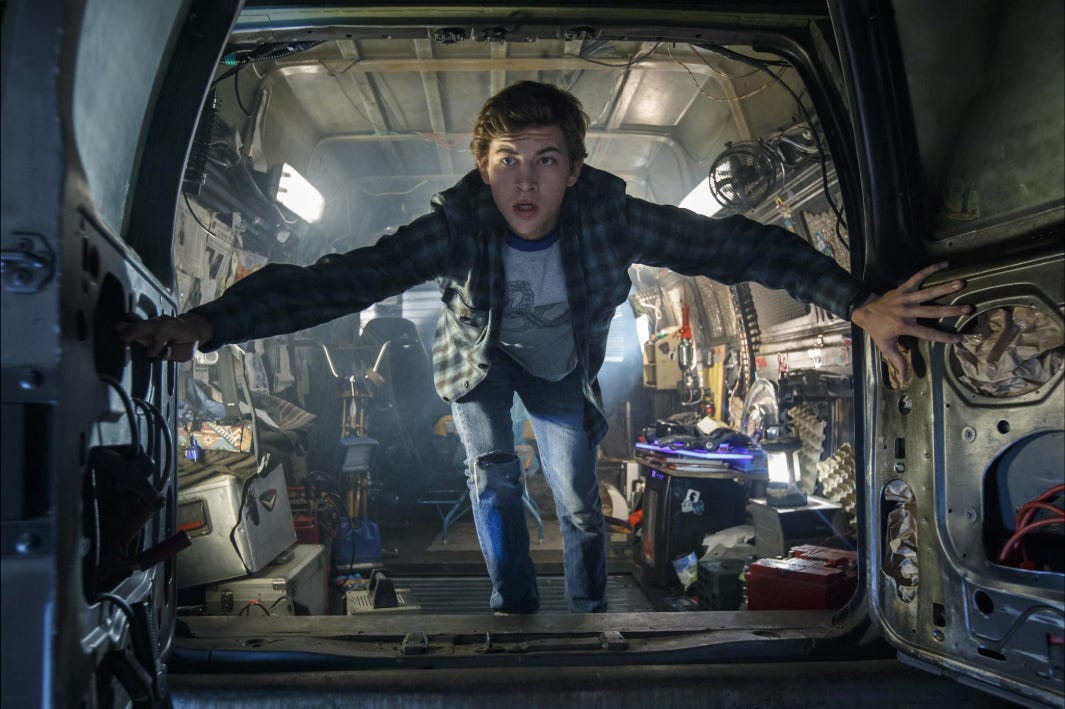
Tye Sheridan has already lived inside the metaverse. In 2018, he starred as Parzival in Ready Player One, navigating the digital sprawl of the OASIS — dodging King Kong, piloting Mechagodzilla and chasing clues left behind by a techno-billionaire. It was a story that, for all its CG bombast, quietly foreshadowed the path Sheridan would follow off-screen: from actor in a Spielbergian virtual odyssey to co-founder of Wonder Dynamics, a company using AI to help build cinematic worlds — only, this time, without needing a studio backlot or an army of VFX artists.
Sheridan, 28, and filmmaker Nikola Todorovic, 36, both came to Hollywood as outsiders. Sheridan was a Texas-born actor in search of a career that extended beyond starring roles on the screen (his most recent film, Justin Kurzel’s The Order, premiered at 2024’s Venice Film Festival). Todorovic was a filmmaker from Bosnia and Herzegovina with a background in VFX, editing and post-production. They met through the indie film circuit and bonded over a shared frustration: how difficult it was — even for insiders — to bring ambitious sci-fi and fantasy stories to life without Hollywood-scale infrastructure. In 2017, they founded Wonder Dynamics (now an Autodesk company) not to reinvent filmmaking, but to make the hardest parts easier.
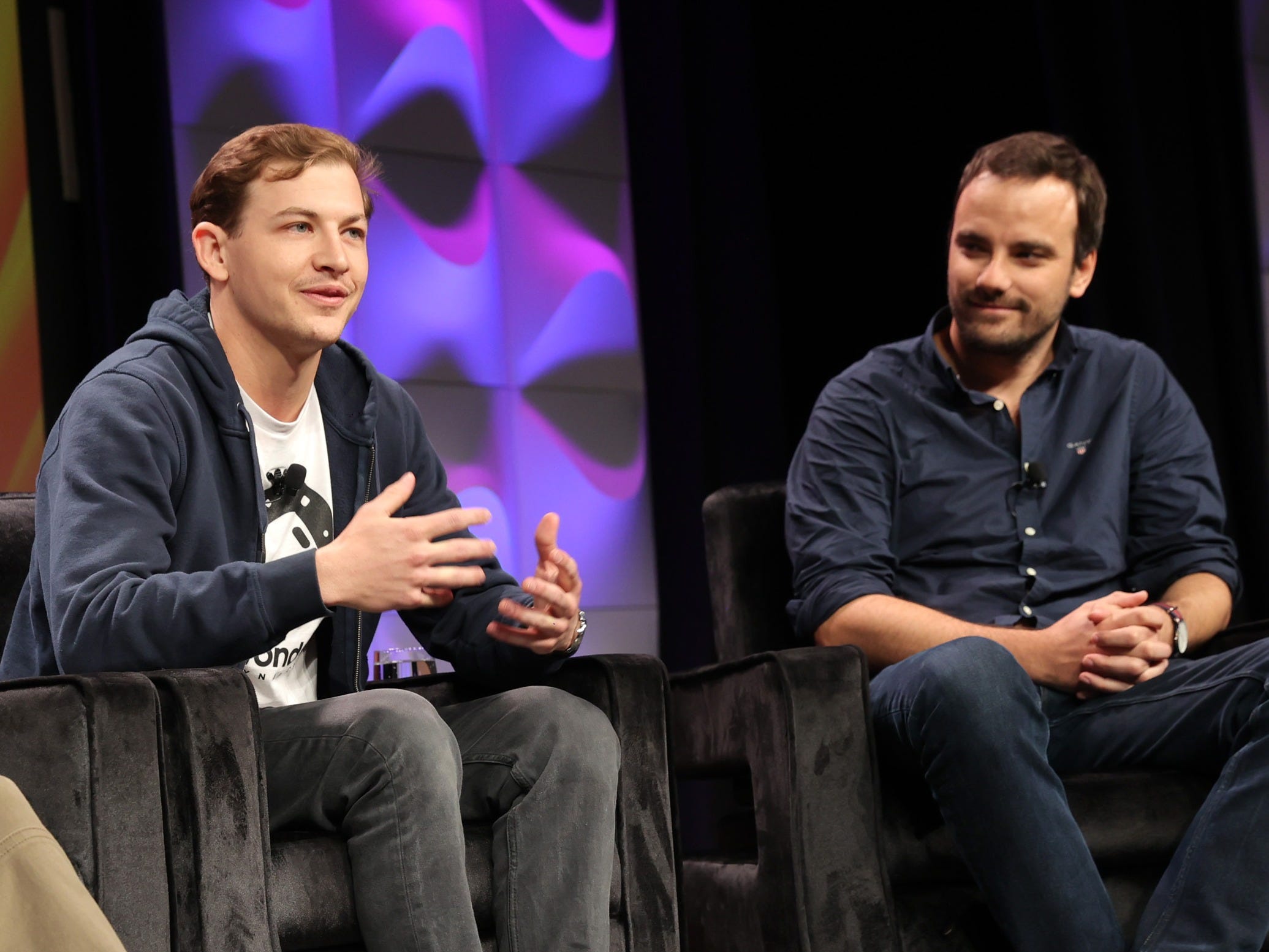
Before text-to-video became Hollywood’s latest concern, the duo’s interest lay in AI as a tool. Both were drawn to sci-fi films and aimed to produce them on independent budgets. “We didn’t want to prompt performances,” Sheridan tells me. His goal was to foster hybrid solutions, bridging the gap between Hollywood’s large-scale productions and the industry’s necessary evolution.
That vision led to Wonder Studio, an AI-powered platform officially launched in March 2023 to considerable buzz. Todorovic drew on his VFX background, and together with the team they hired, they developed tech that was mostly extensions of existing VFX workflows, putting a huge amount of data into “virtual cameras” so that it was easier to assimilate offline rendering with a live shot.
Before Wonder Studio’s platform was live, more than 500,000 creators signed up to join its trial program — an early indication that the demand wasn’t just from studios looking to save money, but from aspiring filmmakers around the world who saw this as a way in. In a promotional video, Sheridan said, “We wanted to build something that would allow any filmmaker, regardless of budget, to tell stories at the level of the best studios in the world.”
The Russo Brothers, those Avengers of cinematic scale, publicly backed the company, saying Wonder Dynamics was doing for creators what Industrial Light & Magic once did for blockbusters.
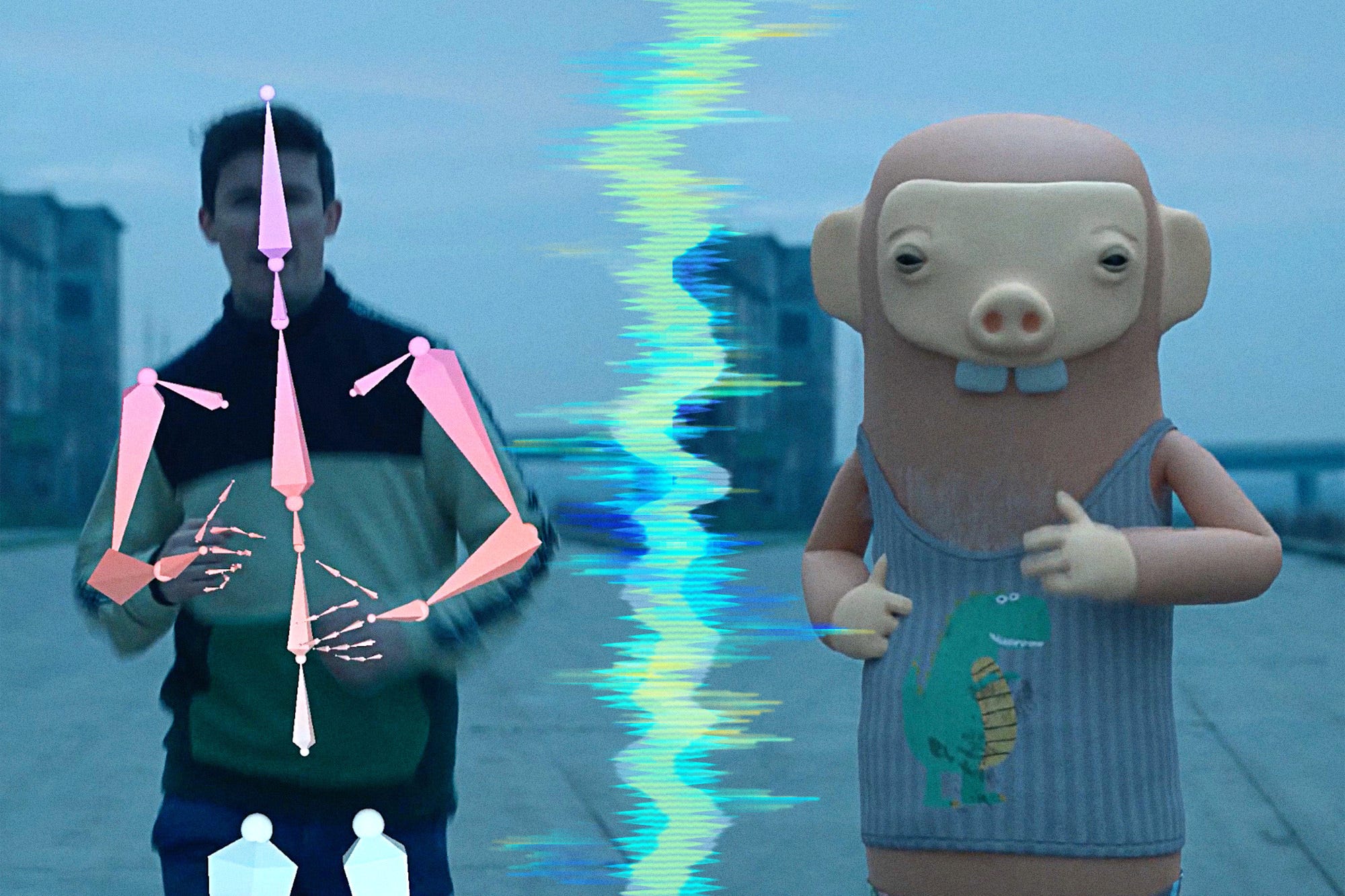
This makes sense: Wonder Studio’s core proposition is simple but powerful — it lets you upload a video of a person acting, select a 3D character and automatically replace the human with the CG model, tracking motion, lighting and camera without manual animation or rigging. As in: No mocap suit, no green screen, no massive post team.
So with a simple upload, a virtual camera and motion capture system can replace a human actor👇🏼
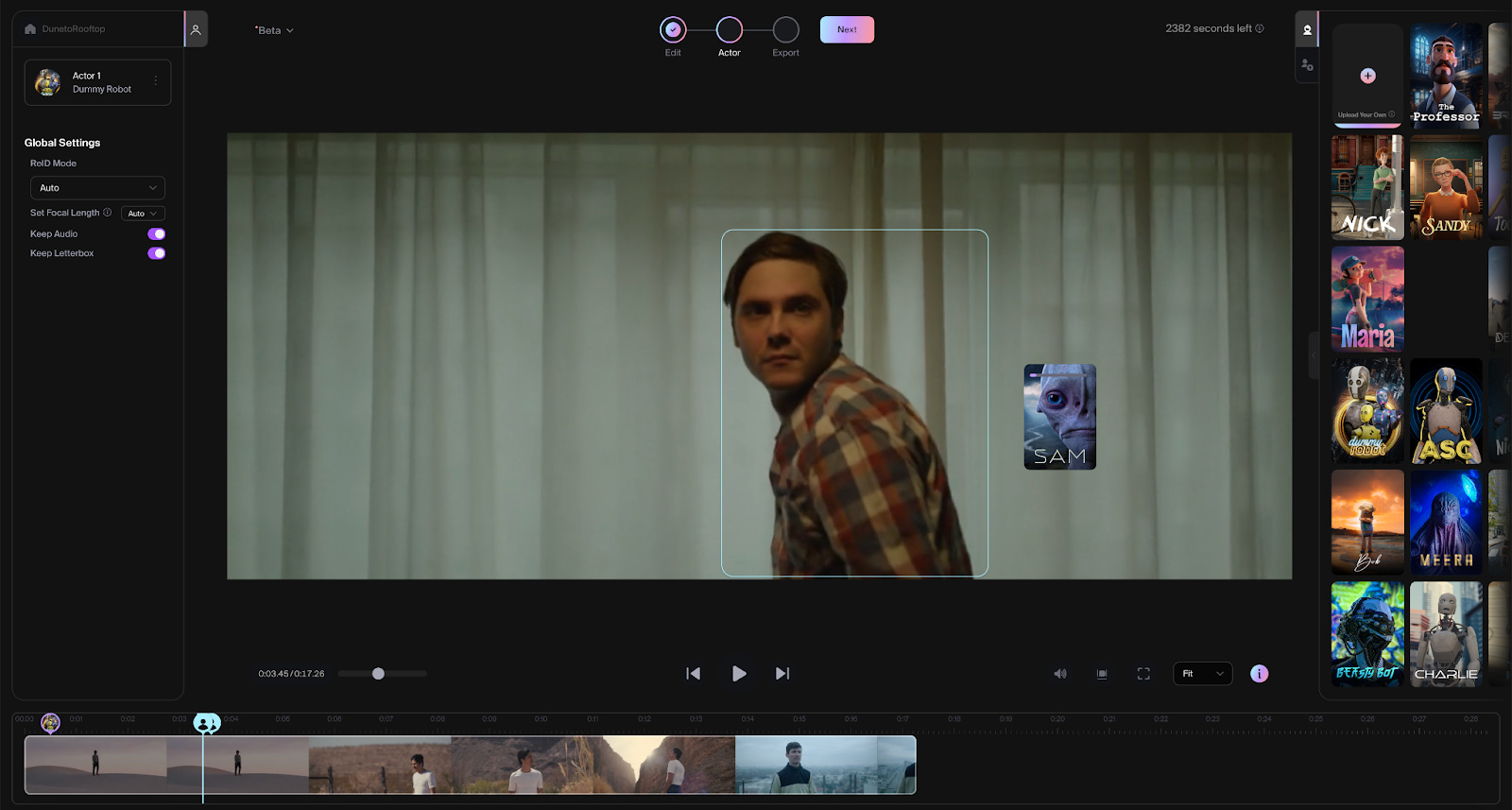
With an alien who will move, act, and respond in exactly the manner that the actor intended.👇🏼
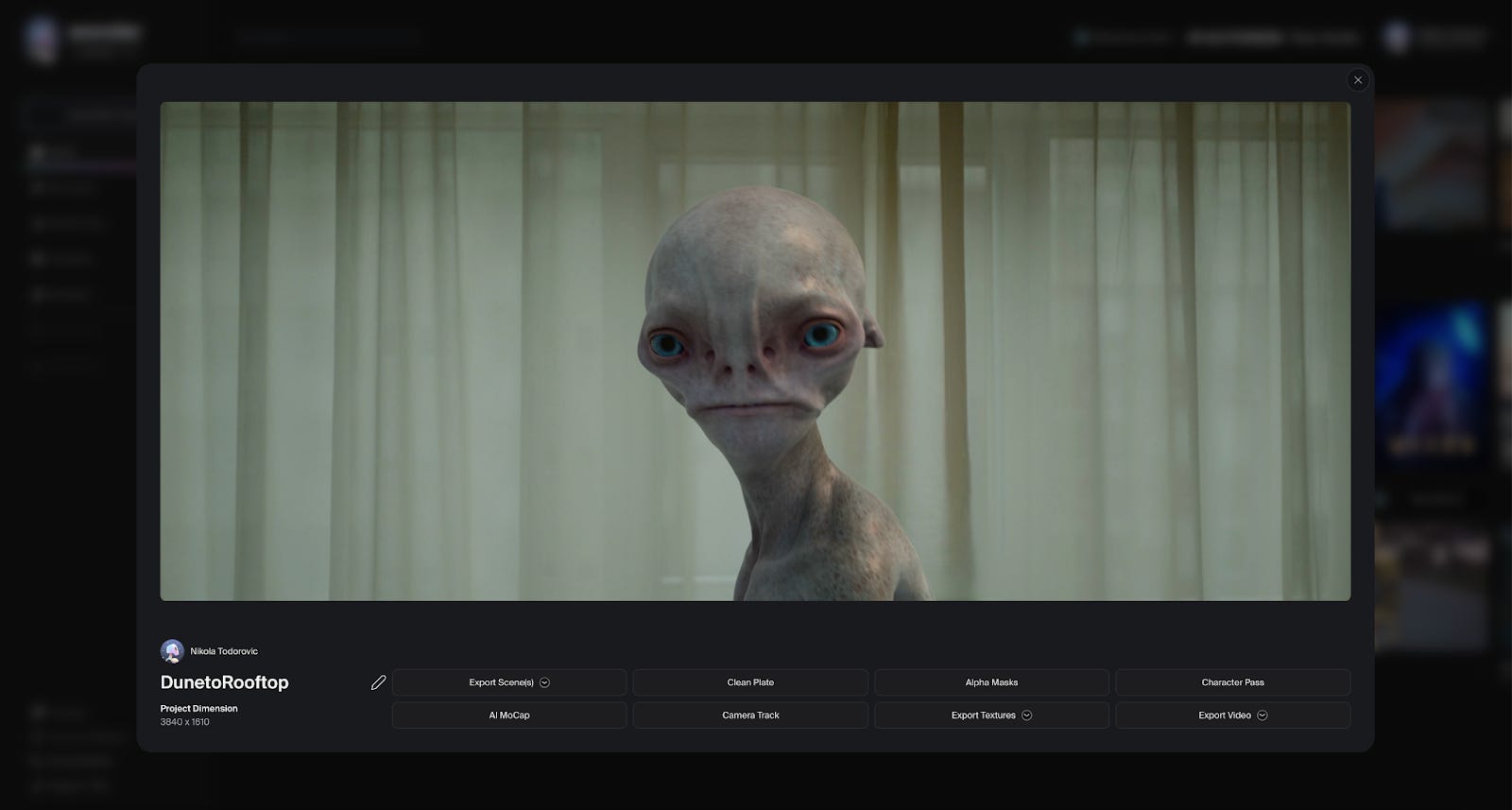
Which can lead to a finished scene that’s competitive with full-scale VFX teams, and that world can be expanded using “virtual cameras” and other tracking mechanisms to make virtual creatures seamlessly interact with environments, or to create more life-like animations based on real-life actors and movements …👇🏼
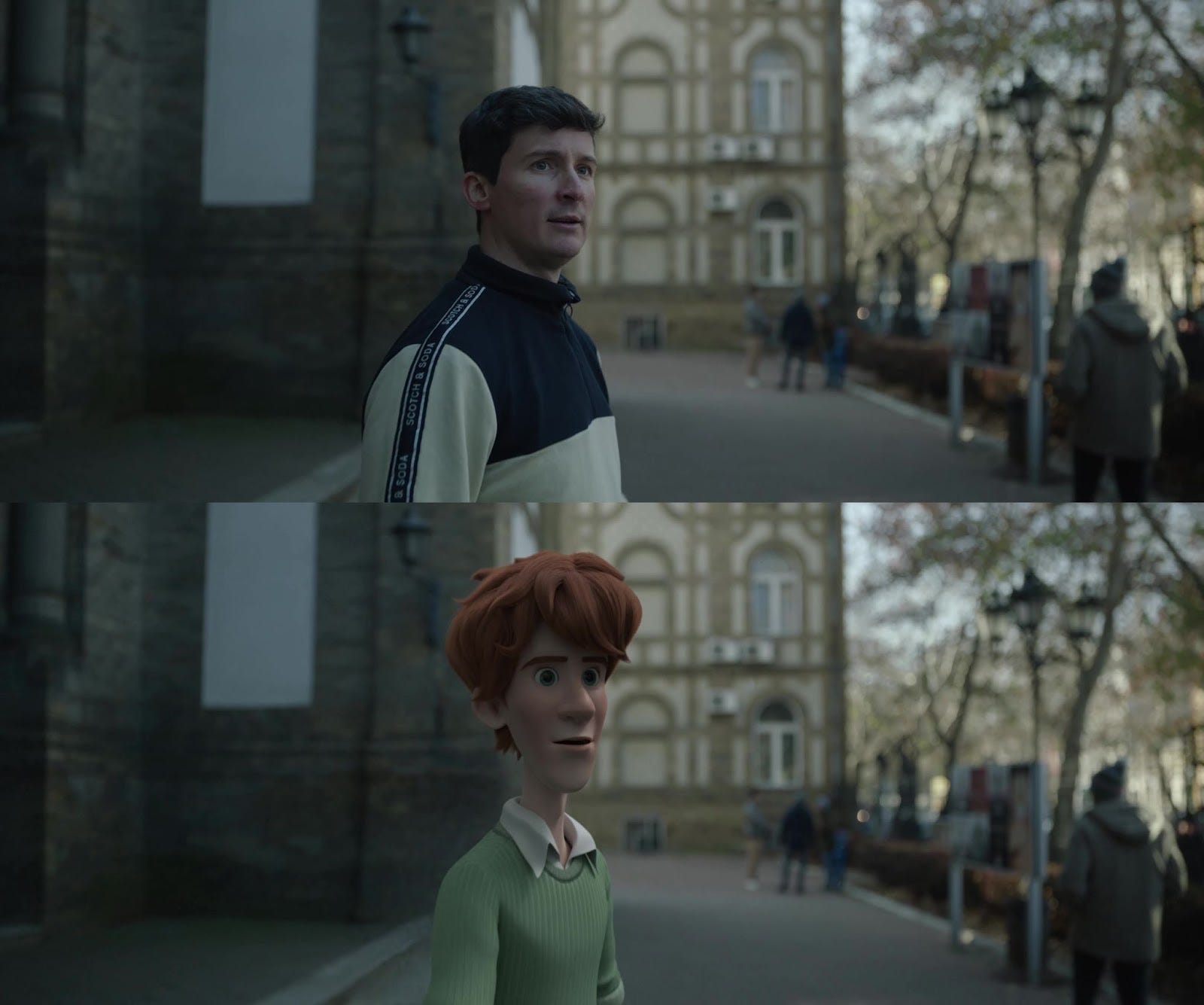
This was, in short, AI not as auteur, but as assistant. It’s the kind of technology that studio types refer to when they talk about AI augmenting, but not replacing, Hollywood. And that made Wonder Dynamics radically different from the other AI players entering the Hollywood ecosystem.
In today’s newsletter, I’ll break down:
The economic impact of Wonder Studio tech: altering who gets to make sci-fi and what it costs to try
Why most AI video tools fail real filmmakers — and what Wonder Dynamics does differently
What its acquisition by the software giant that helped James Cameron make both Avatar films says about Hollywood’s next chapter
How AI is transforming VFX from manual labor to creative exploration — and what that unlocks
Why AI doesn’t have to replace the pipeline — it can plug into it, making indie production viable at studio scale
What it looks like when generative tools support storytelling, not substitute for it
This column is for paid subscribers only. Interested in a group sub for your team or company? Click here.
For full access and to continue reading all Ankler content, paid subscribers can click here.