

Female Directors and Hollywood’s Grim Post-#MeToo Reality
We’re in our own manosphere and it’s time to get mad

A funny thing happened to me last week.
I was lunching with a friend, an indie producer who was talking about the difficulty she’s had raising money for projects with female directors, relative to the comparative ease of raising money for male-helmed projects.
The conversation got me thinking — now that you mention it, I haven’t seen a lot of movies directed by women coming out of Hollywood these days.
In fact, scratching my head and looking back over the year, I had a hard time thinking of any theatrical movies directed by women.
Surely this couldn’t be, I thought. Here we are, eight full years after #MeToo, when countless diversity programs, education and mentorship commitments had been put into place. Remember all those “we’ll hire 50-50” commitments? I must be missing something…
So I went back through this year's major studio releases — an exercise that gets us ahead of the year-end tallies compiled by USC Annenberg and others. What I was interested in seeing, as the calendar approaches Halloween in 2025, is whether it's true that this year featured no theatrical movies directed by a woman.
Well, tallying up the year-to-date, I am relieved that it’s not that bad. Women haven’t directed zero studio films.
There have been three.
Specifically: Freakier Friday (Nisha Ganatra), I Know What You Did Last Summer (Jennifer Kaytin Robinson) and two of the three directors of Elio (Madeline Sharafian and Domee Shi).
But if you want to be more expansive, beyond the studio walls into the indie-majors, here is the one (1) indie film that has cracked this year’s top 100 (according to Box Office Mojo): A24’s Materialists, directed by Celine Song. (Scarlett Johansson’s Eleanor the Great, currently no. 143 for the year and Sophie Brooks’ Oh, Hi!, currently no. 154, both distributed by Sony Pictures Classics, don’t seem likely to crack the top 100.)
And that really is it.

Let’s Go to the Numbers
Eight years after #MeToo, 34 years after the Clarence Thomas confirmation hearings and after all sorts of vows, pledges, processes and the implosion of the once-shiny Times Up, the numbers don’t lie: 10 months into a year that’s seen all kinds of theatrical movies released by our major film studios, only three had female directors.
Could it be, I wondered, that we have gotten nowhere since #MeToo? Have we even gone backwards since then? I mean, once you’re at “three,” when “zero” is just a Freaky Friday sequel and a horror remake away, you really can’t do worse.
So I took a look at the numbers year by year.
A note before the data: When you get into this, you’ve got to make some somewhat arbitrary choices about where to draw the lines, what to include in your count and what to exclude. To see how things have evolved for official Hollywood — which consists of the specialty divisions, without getting into the whole indie world — I decided to look at the 100 highest-grossing films in North America each year. The top 100 list, I found, includes almost all the studio releases, as well as the specialty films that found their way into the bigger pond.
The one problem, of course, was the Covid years; in particular, 2021, when Hollywood barely released enough films to make a meaningful Top 50, let alone a Top 100. So I counted the 50 from that year and looked at the results as a percentage there.
And here is what I found:
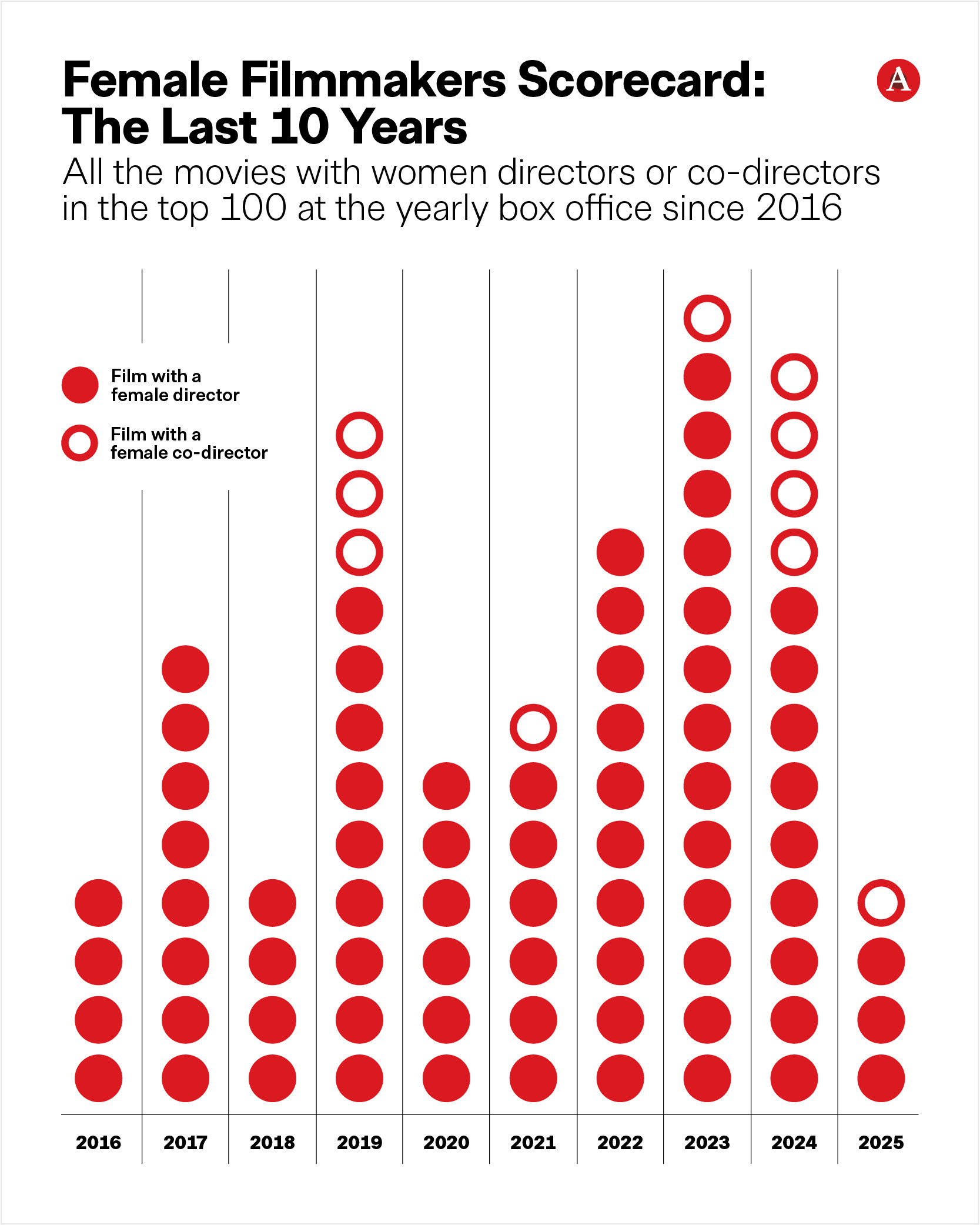
A few things to note about this graph:
The Harvey Weinstein exposé was published by the New York Times in October 2017, with the ensuing fallout spreading from there. So it’s really 2019 when the film slate begins to reflect that and, accordingly, you see a big leap up — not to anything like parity, but a lurch in that direction.
So, looking at this, the first conclusion is that while we were never doing all that much better than pre-#MeToo, in 2025, the state of female feature directors is definitely as bad, if not a little worse.
Remember this from 2015? A decade passes, and it feels like a perennial.

Helluva job, Hollywood!
The primary objection to this comparison is, of course, that our year isn’t over; it’s only 10 months in.
Fair enough. So here are the female-directed films from studios or major indies slated for release in November and December:
Five Nights at Freddy’s 2 (Emma Tammi, Uni/Blum)
Hedda (Nia DaCosta, Amazon MGM)
Die My Love (Lynne Ramsay, MUBI)
Rental Family (Hikari, Disney/Searchlight)
Hamnet (Chloé Zhao, Uni/Focus)
Merrily We Roll Along (Maria Friedman, Sony Pictures Classics)
Testament of Ann Lee (Mona Fastvold, Disney/Searchlight)
Of these, only Five Nights at Freddy’s 2 is close to anything you can call a traditional “studio film.” So throw that one in, and at year’s end, we’ll have had four studio movies directed or co-directed by women.
Anyway, you want to slice that or quibble with the statistics, even if you want to forget about the trends shown in that graph — even in isolation — that stat is not just bad, it’s… well, I’d describe it as you really couldn’t do worse. Is it better than doing nothing and hiring no female directors?
I’d have to say, not really. If there were an outright moratorium, at least the situation would be clear. Here it’s like some table scraps or, perhaps for a more equivocative metaphor, a spoonful from the compost heap. It’s enough to give the illusion that some effort is being made.
But looking ahead to what that chart will look like at the end of the year — I’d say two or three of those films are likely to make the top 100 in addition to Freddy’s 2 (Hamnet, an Oscars favorite, and Rental Family are the safe bets, but Die My Love wouldn’t surprise me). That will bring us to seven, which would put things at a smidgen — maybe 1 percent — better than pre-#MeToo, eight years later.
Progress!

Broken Promises After #MeToo
First of all, I am shocked again by how much the situation here frankly radicalizes me.
Even after #MeToo, I was very much the centrist, the type of person who would say “numbers don’t tell you everything,” who felt you can’t view the totality of film experience or value through one prism, and that counting heads was a very limiting way to look at the big picture.
I still basically believe all that. But… Jesus H. I would have never imagined that eight years later, on this very basic, very key metric, we’d be right where we were, or worse.
Now, this survey only covers theatrical releases. The situation with streaming releases, I think from eyeballing it, is slightly, if not hugely, better — Netflix’s KPop Demon Hunters was co-directed by a woman (Maggie Kang) and the streamer just put Kathryn Bigelow’s first movie in eight years, A House of Dynamite, onto its service — but that’ll be the subject for another column.
Also of note: Eight years later, you don’t need a survey to glance around and ask how many studios are being led by anyone other than men today. I’ll give you a hint — the answer rhymes with “Nero” as in, “He fiddled while it burned.” Those numbers aren’t getting better in the executive classes, it turns out:

What is disappointing is that back then, I kinda stupidly thought we all agreed that limiting who gets to lead or tell stories to one quadrant of the population — or one segment of one quadrant — was part of Hollywood’s problem. Not just in terms of equity, but in that we had become creatively calcified. Opening the doors was a way to bring much-needed refreshment to Hollywood’s creative engines.
Well, surprise surprise, as the doors seem to be shutting again, Hollywood’s creativity — for the studios at least — is lumbering towards another creative nadir.
And not surprisingly, as we’re not telling stories by women, we’re not telling stories for them either — with few exceptions, films aimed at a female audience have all but disappeared from the studio slates, as has frankly just about anything that isn’t an IP-driven action kinda comedy.
What are the reasons for this fall-off? Well, the answer above tells the story. We have stopped making almost anything except action tentpoles, and even as the door opened a little, women were never really allowed to direct them, apart from a few exceptions like Patty Jenkins (Wonder Woman) or DaCosta (The Marvels).
There are other explanations, I’m sure, but frankly, I’m not really interested in hearing them. If we were at 28 percent of the top 100 directed or co-directed by women, then it would be interesting to hear why it hadn’t progressed further. But four percent? After all we’ve been through over the past decade? No explanation begins to explain that apart from complacency and built-in prejudice.

Stars: Step It Up!
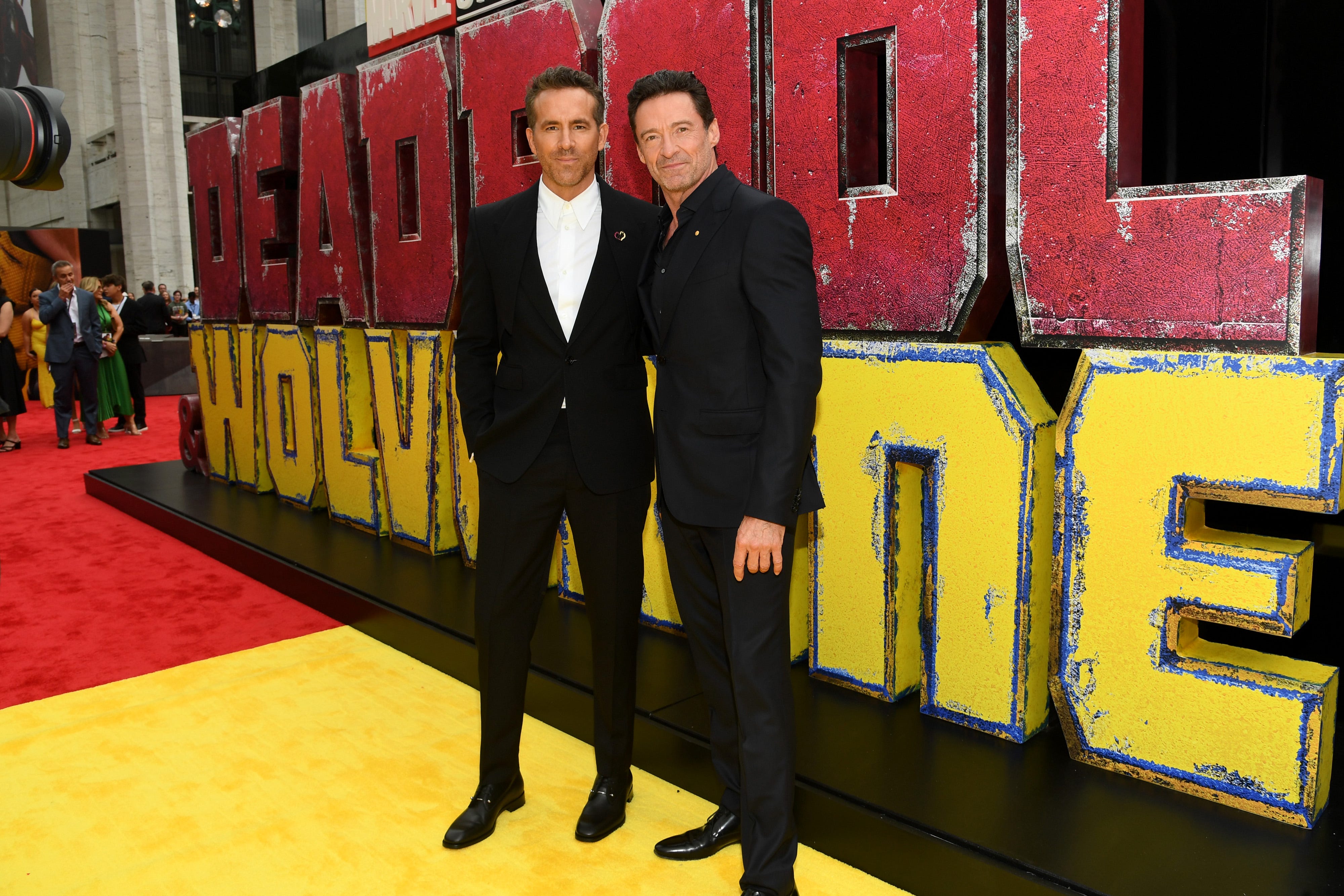
There are many ways you can look at where the problem is coming from. There’s not much point in counting by studio because at this level, all of them earn a F, and that goes for the major indie companies as well.
But the one lever outside of studios that could be pulled these days — a lever with the ability to maybe, kinda change things — is talent. A-List talent has never been more in the driver’s seat than they are today, and if they were to demand to work with female directors, miracles could happen. They could even give their name to female-directed indie projects, which would go a long way towards helping those films get funded.
Given that, I took a look at a handful of our most prominent movie stars and the directors they have worked with since 2020.
This list is of their feature film projects, including those for streaming and those currently in production or post-production. It does not include voice parts or small cameos.
To compile this group, I started with the Forbes list of the 10 highest-paid stars of 2024 (excluding non-film stars like Jerry Seinfeld and Mariska Hargitay) and added a few more. The list includes the number of films they starred in since 2020, and the total number of those directed by women.

1. DWAYNE JOHNSON
Total movies: 8 (Jungle Cruise, Red Notice, Black Adam, Fast X, Red One, The Smashing Machine, Moana live-action, Jumanji 3)
Movies directed by women: 0
2. RYAN REYNOLDS
Total movies: 7 (Hitman’s Wife’s Bodyguard, Red Notice, The Adam Project, Spirited, IF, Deadpool & Wolverine, Mayday)
Movies directed by women: 0
3. KEVIN HART
Total movies: 7 (Fatherhood, The Man from Toronto, Me Time, Lift, Borderlands, Jumanji 3, 72 Hours)
Movies directed by women: 0
4. HUGH JACKMAN
Total movies: 6 (Reminiscence, The Son, Deadpool & Wolverine, Song Sung Blue, The Sheep Detective, The Death of Robin Hood)
Movies directed by women: 1 (Lisa Joy, Reminiscence)
5. BRAD PITT
Total movies: 6 (Bullet Train, Babylon, Wolfs, F1, The Adventures of Cliff Booth, The Heart of the Beast)
Movies directed by women: 0
6. GEORGE CLOONEY
Total movies: 4 (The Midnight Sky, Ticket to Paradise, Wolfs, Jay Kelly)
Movies directed by women: 0
7. NICOLE KIDMAN
Total movies: 8 (The Prom, Being the Riccardos, The Northman, Aquaman & the Lost Kingdom, A Family Affair, Babygirl, Holland, Practical Magic 2)
Movies directed by women: 3 (Halina Reijn, Babygirl; Mimi Cave, Holland; Susanne Bier, Practical Magic 2)
8. ADAM SANDLER
Total movies: 7 (Hubie Halloween, Hustle, Murder Mystery 2, You Are So Not Invited to My Bat Mitzvah, Spaceman, Happy Gilmore 2, Jay Kelly)
Movies directed by women/non-binary: 1 (Sammi Cohen, You Are So Not Invited to My Bat Mitzvah)
9. WILL SMITH
Total movies: 4 (Bad Boys For Life, King Richard, Emancipation, Bad Boys: Ride or Die)
Movies directed by women: 0
10. CHANNING TATUM
Total movies: 8 (Dog, The Lost City, Magic Mike’s Last Dance, Fly Me to the Moon, Deadpool & Wolverine, Blink Twice, Roofman, Josephine)
Movies directed by women: 2 (Zoë Kravitz, Blink Twice; Beth de Araújo, Josephine)

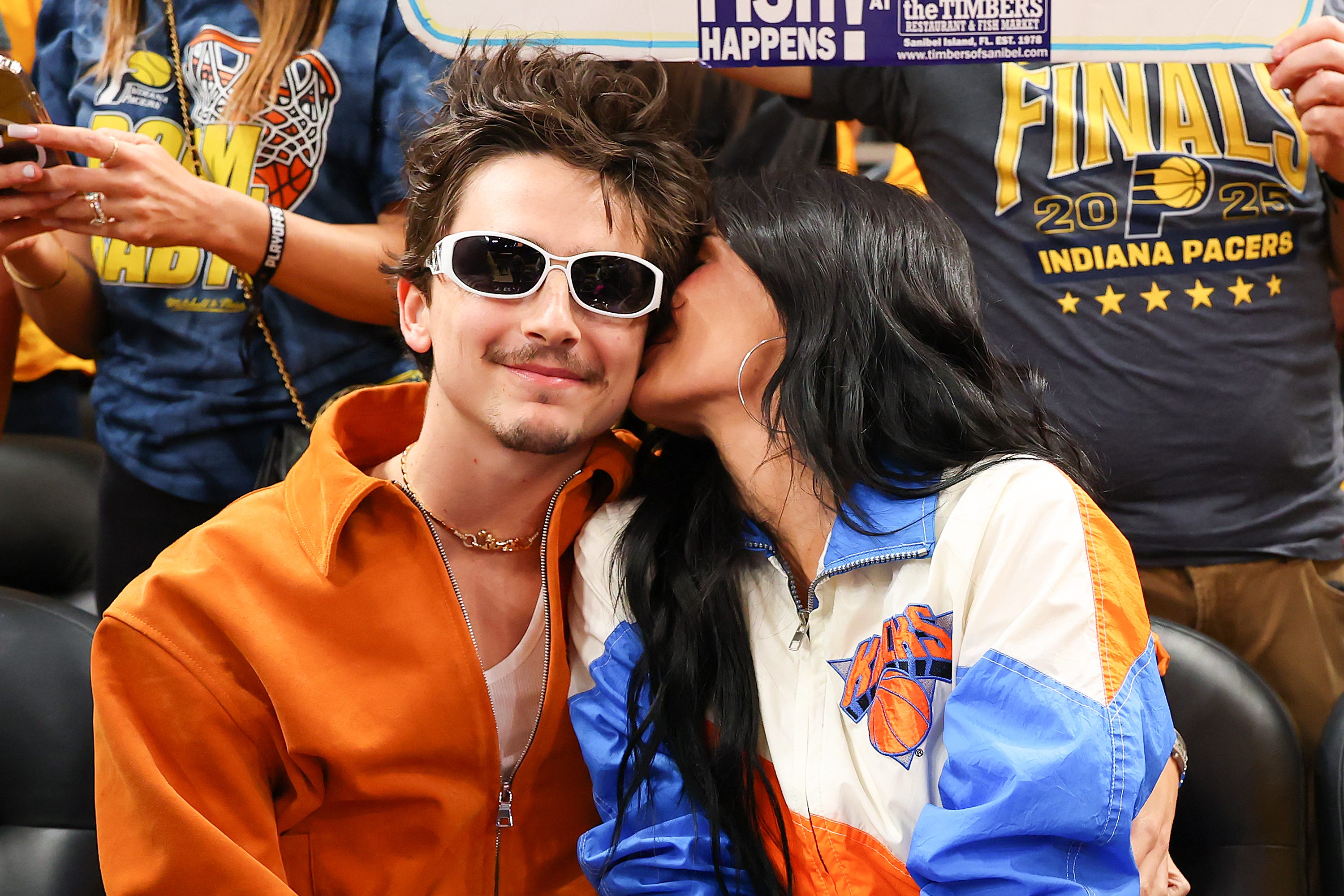
MATT DAMON
Total movies: 7 (Stillwater, The Last Duel, Oppenheimer, The Instigators, The RIP, The Odyssey, Animals)
Movies directed by women: 0
DENZEL WASHINGTON
Total movies: 6 (The Little Things, The Tragedy of Macbeth, The Equalizer 3, Gladiator II, Highest 2 Lowest, Here Comes the Flood)
Movies directed by women: 0
TOM CRUISE
Total movies: 4 (Top Gun: Maverick, Mission: Impossible — Dead Reckoning, Mission: Impossible — The Final Reckoning, Untitled Alejandro G. Iñárritu film)
Movies directed by women: 0
TIMOTHÉE CHALAMET
Total movies: 9 (The French Dispatch, Dune, Don’t Look Up, Bones & All, Wonka, Dune: Part Two, A Complete Unknown, Marty Supreme, Dune: Part Three)
Movies directed by women: 0
ZENDAYA
Total movies: 9 (Malcolm & Marie, Dune, Spider-Man: No Way Home, Dune: Part Two, Challengers, The Drama, The Odyssey, Spider-Man: Brand New Day, Dune: Part Three)
Movies directed by women: 0
PEDRO PASCAL
Total movies: 13 (Wonder Woman 1984, We Can Be Heroes, The Unbearable Weight of Massive Talent, The Bubble, Freaky Tales, Drive-Away Dolls, The Uninvited, Gladiator II, Eddington, Materialists, The Fantastic Four: First Steps, The Mandalorian & Grogu, Avengers: Doomsday)
Movies directed by women: 4 (Patty Jenkins, Wonder Woman 1984; Anna Boden, Freaky Tales co-director; Nadia Conners, The Uninvited; Celine Song, Materialists)
JENNA ORTEGA
Total movies: 17 (The Babysitter: Killer Queen, Yes Day, The Fallout, Scream, Studio 666, X, American Carnage, Scream VI, Finestkind, Miller’s Girl, Winter Spring Summer or Fall, Beetlejuice Beetlejuice, Death of a Unicorn, Hurry Up Tomorrow, The Gallerist, Klara and the Sun, Ghostwriter)
Movies directed by women: 4 (Megan Park, The Fallout; Jade Halley Bartlett, Miller’s Girl; Tiffany Paulsen, Winter Spring Summer or Fall; Cathy Yan, The Gallerist)
SYDNEY SWEENEY
Total movies: 12 (Nocturne, The Voyeurs, Night Teeth, Reality, Americana, Anyone But You, Madame Web, Immaculate, Eden, Echo Valley, Christy, The Housemaid)
Movies directed by women: 3 (Zu Quirke, Nocturne; Tina Satter, Reality; S.J. Clarkson, Madame Web)

Of course, gender diversity is just one form of diversity, and some of these stars may be focused more on other forms. We’ll look at those in columns to come. That said, the list is what it is.

Where Now?
For me, this is all of a piece with the plagues that have infected and threaten to destroy our very industry from within. Whether it be free speech, AI, or even maintaining healthy business models, our leadership is poisoned by a crippling complacency that prevents them from responding to basic threats.
You look at the chart above, and it’s no wonder why there is no faith in our leadership anymore, and why so many people are terrified by the realization that no one is driving this ship.
These fundamental problems are endlessly discussed and never solved, or even seriously addressed. Our leaders have become defensive institutionalists rather than creative drivers, not unlike the sclerotic Democratic party leadership in Washington, whose failures led to the world’s woes.
We all, these days, take hopelessness on so many fronts for granted, so much so that few — including myself — even noticed this fundamental failure. And if it hadn’t been for that conversation with my producer friend, I probably wouldn’t have noticed either.
But as with so many of our problems, the solutions, if there are to be any, will have to come from new institutions and structures rising up. Because if you need any more proof of the hopelessness of this one, see the graph above.

Rushfield Lunch: Kristen Stewart
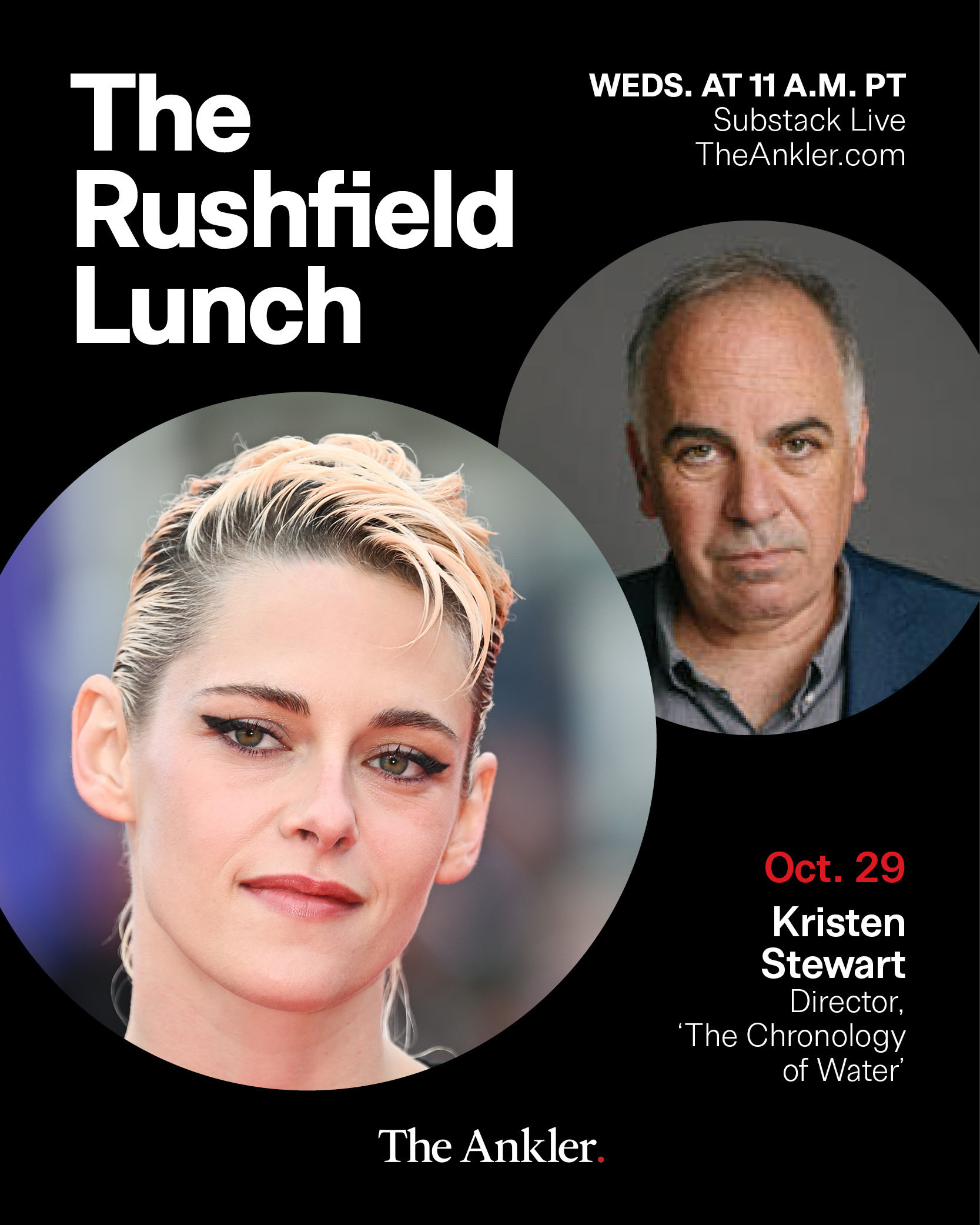
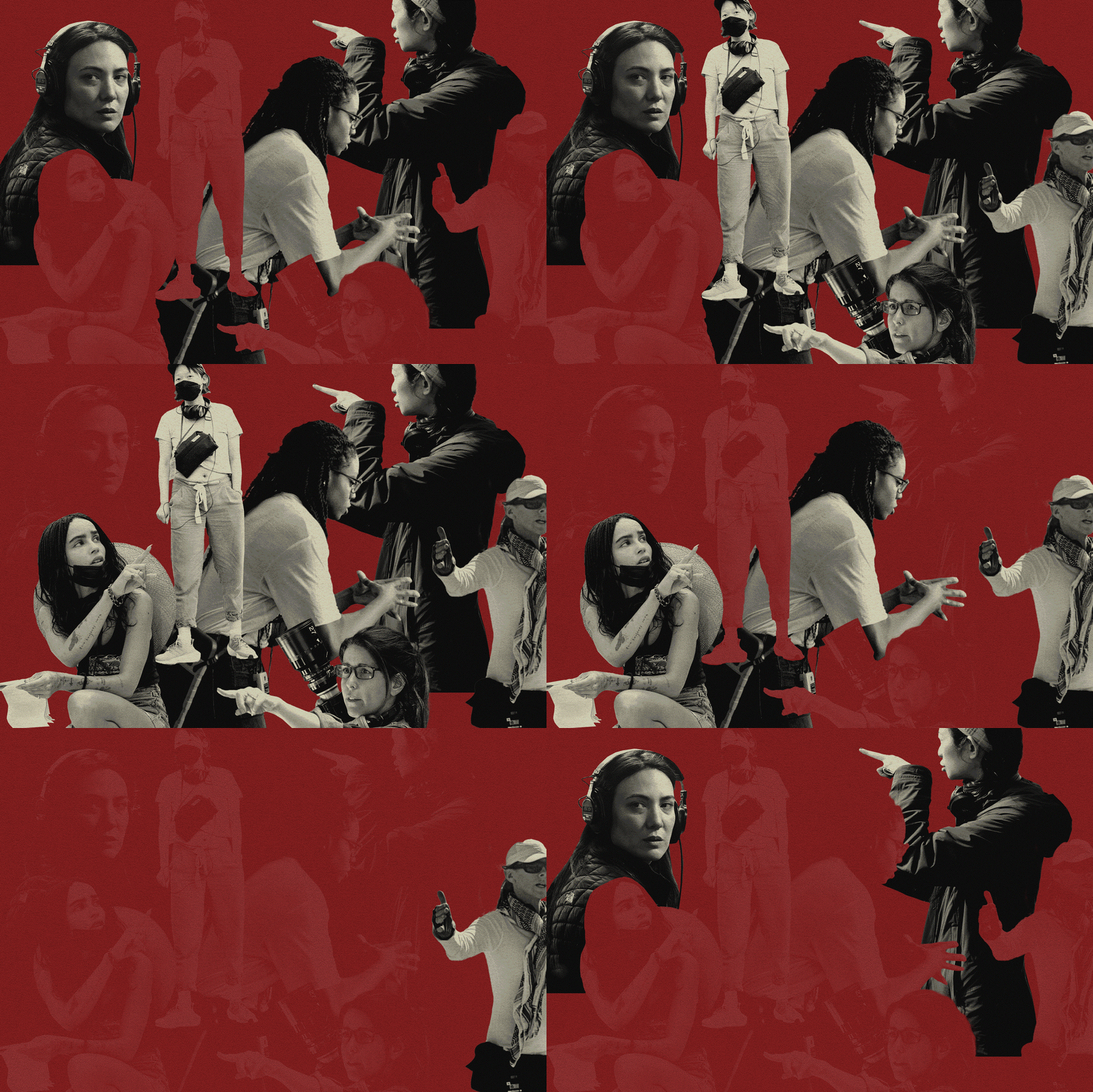
Every week on The Rushfield Lunch, I chat with the great artists and thinkers of our times about the big question: What the hell is going on right now? This week, I am thrilled to be joined by Kristen Stewart, a woman who, since her youthful explosion into the acting world, has become one of the great stalwarts of independent film and who has now become, as you see above, that rarest of players in Hollywood: a feature film director who is also female.
Her debut film, The Chronology of Water, has been winning accolades on the festival circuits since its premiere at the Cannes Film Festival, and is one of the most original, assured, and dare I say, visionary directorial debuts I’ve seen in recent times. We’ll talk about the film, her leap into the director’s chair and her views on the state of this industry and the world beyond it.
Join us for this conversation on Substack Live tomorrow at 11 a.m. PT, and bring your questions, comments, complaints and everything else you’ve got. We’ll be ready!

It isn't just directors. As you mentioned, it is the lack of female studio execs and YOUNGER execs who would hire those female directors. I would like to think that younger men would be more open to more diverse perspectives.
The pre-#MeToo cadre of middle-aged-to-elderly men is still running the studio show. Every one of them is running scared. They do not know how to fix this industry, and none of the old reliable tactics work. They are out of ideas, and yet, they are not willing to step aside. They are acting out of fear.
When fear governs decisions (and it most certainly is), nobody takes chances, including taking a "chance" on a younger female executive, director, or writer.
Good movies, good stories, and creative innovation is out there (no matter who directs). But two generations of filmmakers are being passed over while current studio heads flail around.
Dude you're about ten years too late on this. We've moved past it and now we just want good movies again. Let the best directors direct the best movies. That is how you save a dying industry. I understand that inside your bubble you think things are going fine. They're not going fine. The last thing women need is people to elevate them just because they are women.