

Documentary Spotlight: Mariska Hargitay, the Way of Water and ‘a Call to Arms'
The inaugural virtual edition of The Ankler and Pure Nonfiction event brought together some of the best and brightest storytellers of the year
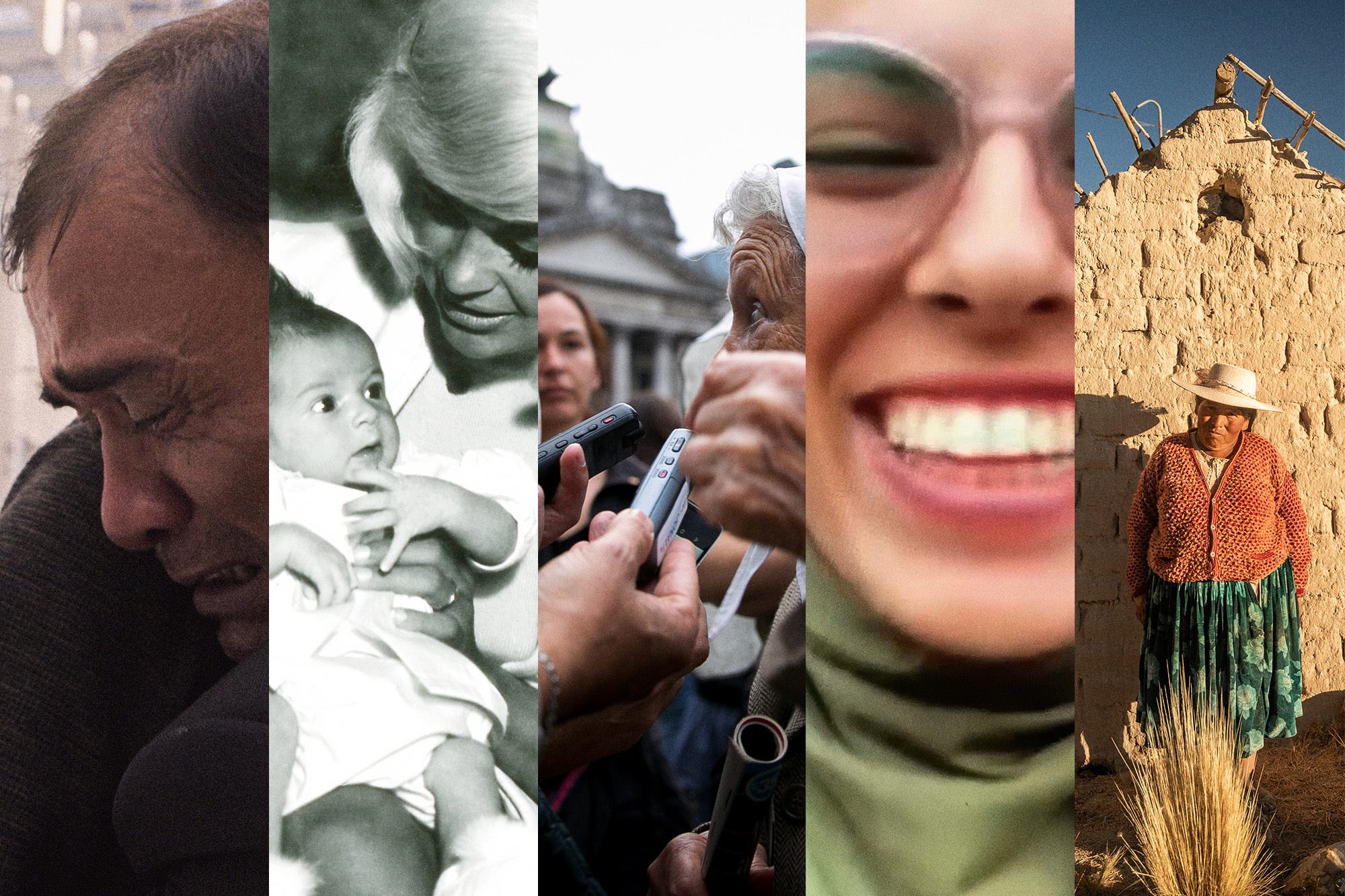
At AnklerEnjoy, the home for post-Ankler Events content, you can watch all of the documentary panels from our virtual Nov. 21 event (and previous Documentary Spotlight events).
Child of Dust (Ya Man Studio)
My Mom Jayne (HBO Documentary Films)
Norita (Doctorastories)
Put Your Soul on Your Hand and Walk (Kino Lorber)
Qotzuñi: People of the Lake (Red House Productions)
You can also listen to audio of these filmmakers in conversation with Thom Powers here on the Pure Nonfiction podcast. (For information on Thom’s new book, Mondo Documentary, head here.)
“I just love the healing power of storytelling,” said star-turned-director Mariska Hargitay, when asked what excites her about documentaries. “I love how the forum can connect us to our own humanity and immediately put us in community.”
Hargitay’s film, My Mom Jayne, centers on her mother, Jayne Mansfield, who died in a tragic car accident when the Law & Order: SVU star was just 3 years old. In digging past the public image of her mother as a sex symbol, Hargitay meets and embraces “the woman behind the pose,” she said. Along with Hargitay, the filmmakers behind some of this year’s best non-fiction films joined Pure Nonfiction’s Thom Powers to share how they connected audiences to their own humanity, as Hargitay put it — each project centering on a noteworthy, heroic individual (or, in one case, a tight-knit community).
Powers hosted the latest Documentary Spotlight event, which marked the ninth collaboration between The Ankler and Pure Nonfiction, also spotlighting rousing titles Child of Dust, Norita, Put Your Soul on Your Hand and Walk and Qotzuñi: People of the Lake. For the first time, the event was held virtually, featuring a livestream viewed by players in the documentary space.

Center of the Action: Norita, Put Your Soul on Your Hand and Walk
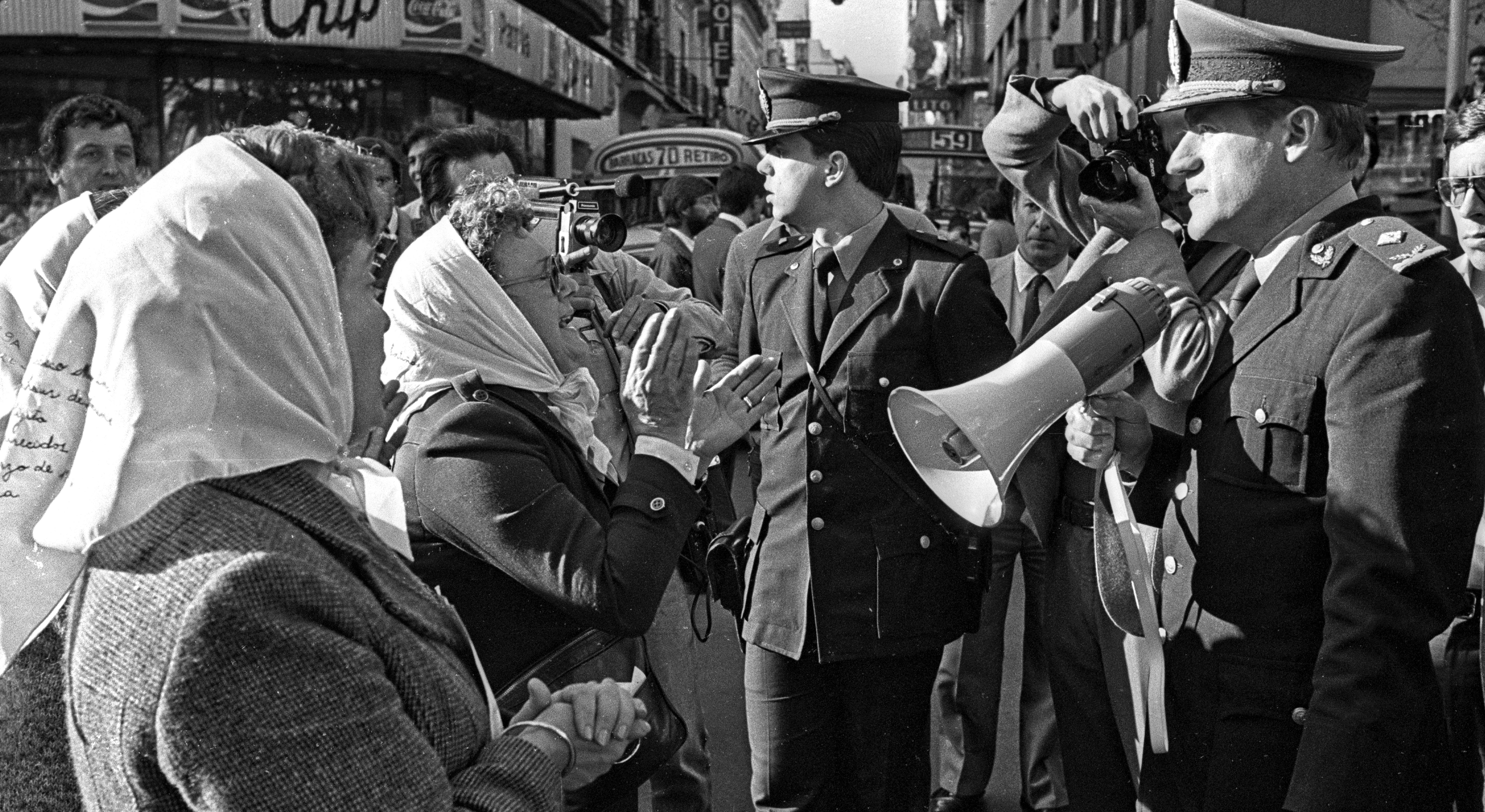
“She didn’t want to be a part of it. She had no interest in being in a documentary, let alone one focusing solely on her,” Norita director Jayson McNamara told Powers. “We really had to prove ourselves.”
McNamara is referring to Nora Cortiñas, the legendary Argentine human rights activist, who — after an extensive goodwill campaign — agreed to serve as the subject of McNamara’s documentary, produced by DoctoraStories in association with Picabu Films and Tidetivity Studios. To prove himself, McNamara went to Cortiñas’ weekly protest for several years, where she rallies practically every Thursday. Producer Sarah Schoellkopf, meanwhile, has known Cortiñas for nearly 30 years. When Schoellkopf told the crew she’d love to be involved, she was still a professor (her academic arenas were human rights and gender) and assumed she’d just be promoting the film. “But now I have left education,” Schoellkopf said. “I’ve gone from professor to producer.”
Schoellkopf has been with Cortiñas through thick and thin, from a 30-hour bus ride in 1996 en route to a march about indigenous disappearances, to the activist’s death in 2024 at the age of 94. So she knows as well as anyone how inspiring Cortiñas’ story is, especially right now, as Argentine President Javier Milei faces multiple controversies, including corruption allegations. “Based on what’s happening politically right now in their country, this movie is a catharsis,” Schoellkopf says. “It’s a call to arms.”
Another documentary intended to rally viewers around a nation is Kino Lorber’s Put Your Soul on Your Hand and Walk, a look at life in Gaza through video calls between 24-year-old Palestinian photojournalist Fatma Hassona and Iranian director Sepideh Farsi. In October 2023, Farsi wanted to travel to Gaza to document the war herself, but couldn’t. Instead, she managed to connect with Hassona.
“It was as though she had decades of experience the way she was describing what she wanted to do,” Farsi said. “I asked her a question: ‘What does it mean for you to be a Palestinian in Gaza today?’ And she says, ‘I’m proud.’ That’s the phrase that comes out immediately. She doesn’t think about it; it just comes out.”
The film is a powerful, oftentimes hard-to-stomach look at the dire situation in Gaza, where Hassona’s documentation of airstrikes and famine portrays the terrifying reality. The young photojournalist was excited about her work and words going out into the world, but the day after the film was announced for the Cannes Film Festival, Hassona was killed in an airstrike.
Her documentary’s subject found herself a victim of the violence she was portraying, and now, Farsi hopes to continue Hassona’s mission.
“I haven’t had time for grief,” Farsi said. “I have to go around with her legacy and her words and keep doing this.”

Meet the Parents: Child of Dust, My Mom Jayne
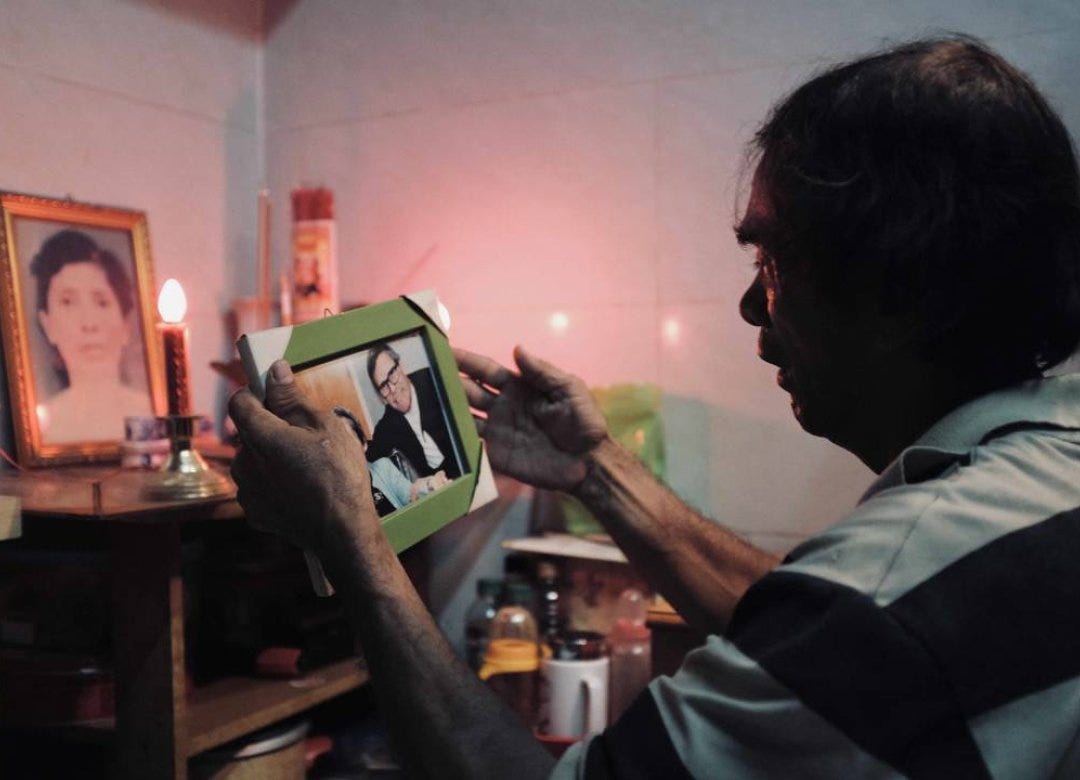
In the wake of the Vietnam War, many Vietnamese children were left stranded by their American parents, mostly fathers in the military, who departed after the culmination of the conflict. For Child of Dust director Weronika Mliczewska, Vietnam, where a particularly profound cultural importance is placed on the father figure, made the perfect backdrop to a “story about fathers that are absent,” she says.
“But with time, I understood that this took me into so many different places that I didn’t even think about,” Mliczewska told Powers.
The film, produced by Ya Man Studio, follows a Vietnamese man seeking reconciliation with his American father. After three years waiting for the right person, the director found Sang, one of many children abandoned after the war.
The project empowered its subject, reestablishing his identity as Mliczewska and producer Bao Nguyen (the filmmaker behind docs including 2024’s The Greatest Night in Pop) chose a strictly observational filming method to document Sang’s journey. “Weronica has a way of touching the story that’s very nuanced and not overly sentimental,” Nguyen said.
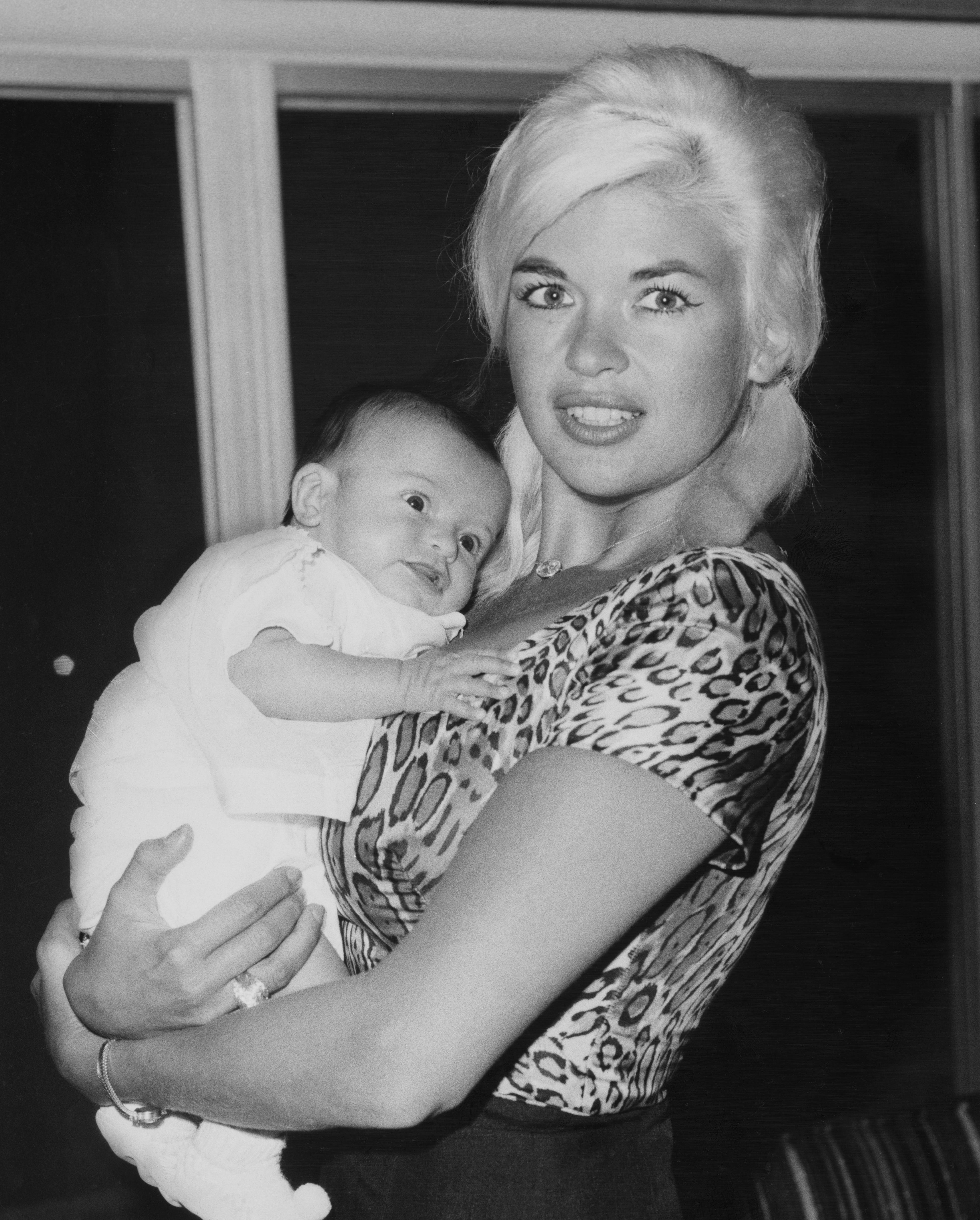
Sentimentality was a necessary element of Hargitay’s HBO documentary My Mom Jayne. For her entire life, the star had what she termed “an extremely complex relationship” with her mother’s legacy, “not understanding some of the choices that she made and only seeing this very sort of presentational side of her.”
“I would sort of push it all away and had really sort of cut her out of my life in that way,” Hargitay explained.
Then, the Covid pandemic struck, and upon finally peeling back the layers of her mother, Hargitay came to understand the woman Mansfield was, her dedicated work as a humanitarian activist — and the documentary that could emerge from her search. “In 2022, she came to me, and she said, ‘I’m ready,’” producer Trish Adlesic, who’s known Hargitay for 27 years, said. “And I knew what she meant.”
Editor and co-producer J.D. Marlow was then tasked with a challenge he had never encountered in his career, spanning documentaries on NBA great Stephen Curry to television legend Norman Lear. “I’ve described it as sort of a biography with a personal essay wrapped around it,” he said.

Climate Crisis: Qotzuñi: People of the Lake
Gastón Zilberman, an Argentine filmmaker, and Michael Salama, an academic focused on the history of equal access to freshwater, had only just met when they decided to make a documentary together. “We looked at our combined skillset, and we said, ‘Maybe there’s a film to be made here,’” Salama told Powers.
The Qotzuñi: People of the Lake co-directors both sought to demonstrate the struggles of the Uru community in Bolivia as it coped with the disappearance of an ancestral lake due to climate change and mining. “They call themselves ‘people of the lake,’” Zilberman said, “because they’ve been living for centuries surrounding that lake … That’s what (the film) is about: How can they continue to be ‘people of the lake’ without a lake now?”
Salama had been studying water issues in the area and arrived in Bolivia to do an oral history and archival project about the Uru community. But one of the things the Uru people wanted was to bring their story to the world. The natural medium for such an endeavor: documentary film.
“We realized that there was so much to be told, and it was such a visual story,” Zilberman said of the Red House Productions film.