

Documentary Spotlight L.A.: Chefs, Chimps & Martha Stewart
Filmmakers behind the biggest docs of the season tell how they did it on The Ankler & Pure Nonfiction stage


At AnklerEnjoy, the home for post-Ankler Events content, you can watch all of the documentary panels as well as view additional photos.
You can also listen to audio of these conversations with Emmy contenders in conversation with Thom Powers here and here on the Pure Nonfiction podcast.
How do you capture how social media has reshaped teenagers’ upbringing?
Social Studies creator Lauren Greenfield faced a daunting task at the outset of her FX docuseries — capturing how social media is reshaping teens’ lives. So it was fitting that she found a solution that, at first, sounded impossible: bringing together a group of teenagers who allowed her full access to their phones for one year.
“That was something I couldn’t even get with my own child,” Greenfield joked while discussing her series during The Ankler and Pure Nonfiction’s Documentary Spotlight event on June 8 in Los Angeles.
But while the methods she used might have been unconventional, the resulting series made an impact. “It's a really honest, transparent look at our lives,” said Jonathan Gelfond, one of the Social Studies subjects. “It talks a lot about hard topics: suicide, depression, eating disorders, school shootings — threats that all occur because of social media and our phones.”
Deploying rigorous, often novel shooting techniques was a thread that ran through all six of the documentary films and series featured at the event, which took place at the Meryl Streep Center for Performing Artists. Chimp Crazy director Eric Goode and executive producer Jeremy McBride spent nearly five years on their wild series about human monkey moms (which is exactly what it sounds like) while maintaining a lean camera crew. Chef’s Table creator David Gelb and cinematographer Adam Bricker believe they took up more of their chosen chefs’ time than any other food show in history — all with a mission, shared by every project featured at the event, to achieve a level of truth and authenticity about its subjects that couldn’t be attained otherwise.
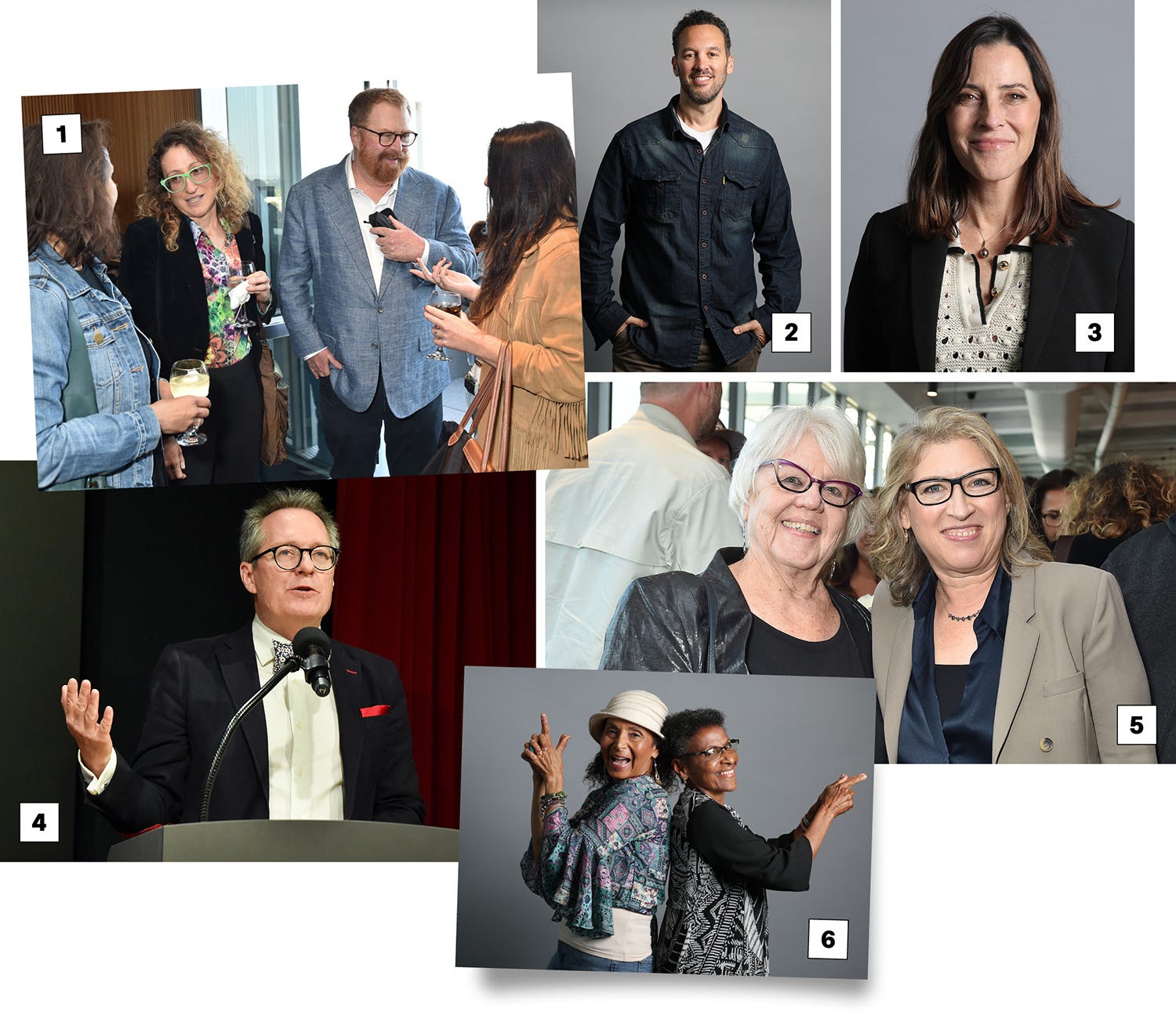
The gathering marked the sixth collab between The Ankler and Pure Nonfiction after previous events in New York, Los Angeles and London. Pure Nonfiction’s Powers led two hours of clips and conversations, culminating in a powerful and optimistic keynote from Will & Harper subject Harper Steele about the current cultural moment Afterwards, guests mingled, posed for complimentary portraits and enjoyed a reception catered by Joan’s on Third.
Star Power
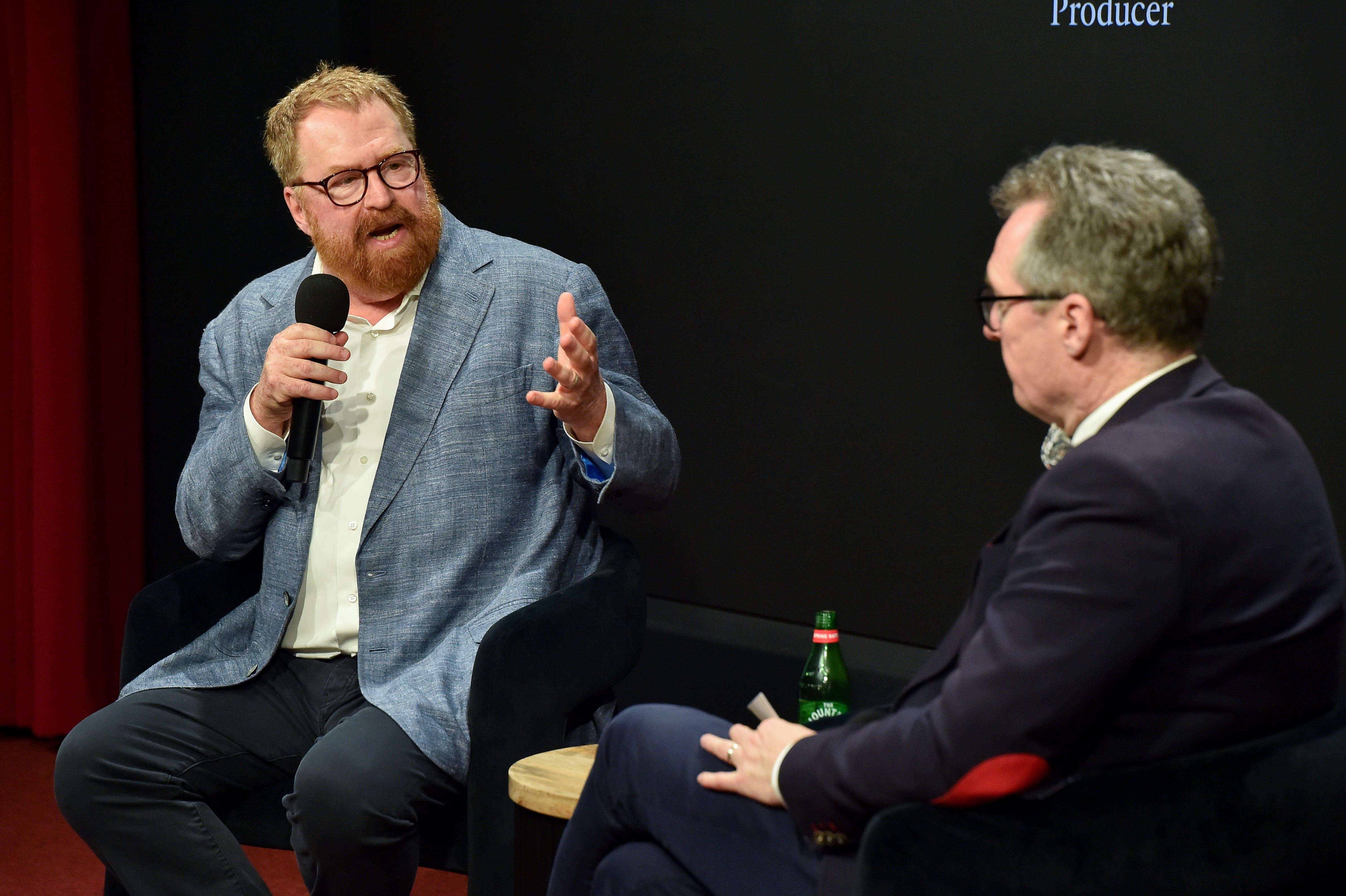
Martha director R.J. Cutler was never a subscriber to Martha Stewart’s magazine, nor was he a viewer of her TV show. But after a chance dinner with Stewart on the East End of Long Island, he realized her life demanded the full doc treatment.
“She was ready to tell her story, and she had a remarkable story to tell,” Cutler told Powers on stage. Though he had final cut of the film, Cutler made the decision to share Stewart’s story directly from her perspective; despite dozens of other interviews he conducted, the only subject who appears onscreen is Stewart.
“For all the times that Martha Stewart’s story has been told, never had it been told by her,” he said. However, the director was well aware of what that would mean for the Netflix doc, allowing Stewart to become — as he put it — a “complicated narrator … one might even say an unreliable narrator.”
Last fall, Stewart’s fickle nature was on full display beyond Cutler’s movie. The 83-year-old gave what the New York Times called a “scalding review” of the project to one of the publication’s reporters during a 30-minute interview. Since then, suspicions have abounded that it was a tactic from the press-savvy Stewart to get people to see the film. “Well, whatever would make you think that?” Cutler said with a coy grin.
Another biodoc with a big-name subject was Music by John Williams, a Disney+ doc that charts the life, music and legacy of the iconic composer. Williams, a humble and reserved artist, was reluctant to dive into the trials and tribulations of his personal life, so director Laurent Bouzereau had to adapt.
Instead of the traditional probing, Bouzereau asked Williams about his music, which served as a natural way into the composer’s personal life. “I said, ‘Well, I love the first violin concerto. Tell me about writing it,’” Bouzereau recalled. “He said, ‘I lost my wife.’ And he started telling me that story. It was [about] approaching him and understanding that music is his life.”
Growing up in France, Bouzereau was obsessed with American cinema, often listening to the albums of film scores — like Jaws, Star Wars, Indiana Jones and many, many other classics Williams orchestrated — well before the movies were released. So for him, the film was “a little way for me to say thank you,” he said. “John Williams scored my childhood.”
Putting in the Time

After turning Tiger King into a pandemic-era sensation, director Eric Goode “cast a wide net looking at all kinds of subcultures in the animal world,” he said. The odds of striking gold again were slim, but Chimp Crazy, a jaw-dropping HBO docuseries about a nurse-turned-exotic animal broker who collides with authorities and an animal rights group, managed to be the spiritual sequel that Tiger King deserved.
Before the series was released, Goode assumed that most people wouldn’t even believe Chimp Crazy was true because of how unlikely it was for him to stumble, once again, into such an unbelievable story. “How can that happen twice that you’re filming cat people and then you’re filming chimp and monkey people,” Goode says, “and something as bizarre as what happened, happens?”
Like Tiger King, Goode’s new series required gaining trust from his eclectic subjects and spending an inordinate amount of time in their lives. “We had a pretty long production cycle and editorial schedule,” executive producer Jeremy McBride said, noting they spent 250 days filming over four and a half years. The goal was to “film every moment we can in whatever capacity we could,” McBride mentioned, adding that the “gonzo” production had remote teams everywhere covering all the action.

Chef’s Table: Legends, on the other hand, originated from creator David Gelb’s documentary Jiro Dreams of Sushi, where he followed the film’s sushi maven over a months-long period. For the Netflix series, however — the ninth iteration of the hit franchise — “We had to do what David had done over the course of many years with Jiro on a tight seven- or eight-day shooting schedule,” cinematographer Adam Bricker said.
When it came to filming, Gelb deployed a filmic lens, a technique not commonly used in food shows, recruiting a “cinema camera crew,” and immersed himself in the chefs’ world. “We’re in there for two weeks, we relight their kitchen and we figure out how to integrate our camera crew,” he said. That ethos came particularly handy in an episode featuring Alice Waters. She agreed to the first-ever documentary about her — but only if Gelb, who directed the episode, was present every day of filming.
Current Events

With Social Studies, Lauren Greenfield was intent on showcasing the issues plaguing teenagers in the modern age — “all in the kids’ voices,” she said. But getting access to their phones for a whole year wasn’t the only challenge.
Greenfield and her team developed a technology to then download and capture the teens’ social media output as it came out. And she created a “contrast” between the subjects’ social media and real life by showcasing both simultaneously. “We would see the lie, we would see the presentation,” Greenfield said, “but then when they were talking to me in an interview or to each other in the group discussions, they were just completely brutally honest and vulnerable.”
For Sydney Shear, whose experience with cyberbullying is explored in the first episode, the series gave her the “space to share her story,” she told the crowd. Another subject, Dominic Brown, called participating in the project “revolutionary” for him, saying it showed him that “older generations do care about what we’re experiencing on social media, and they do want to intervene and help.”
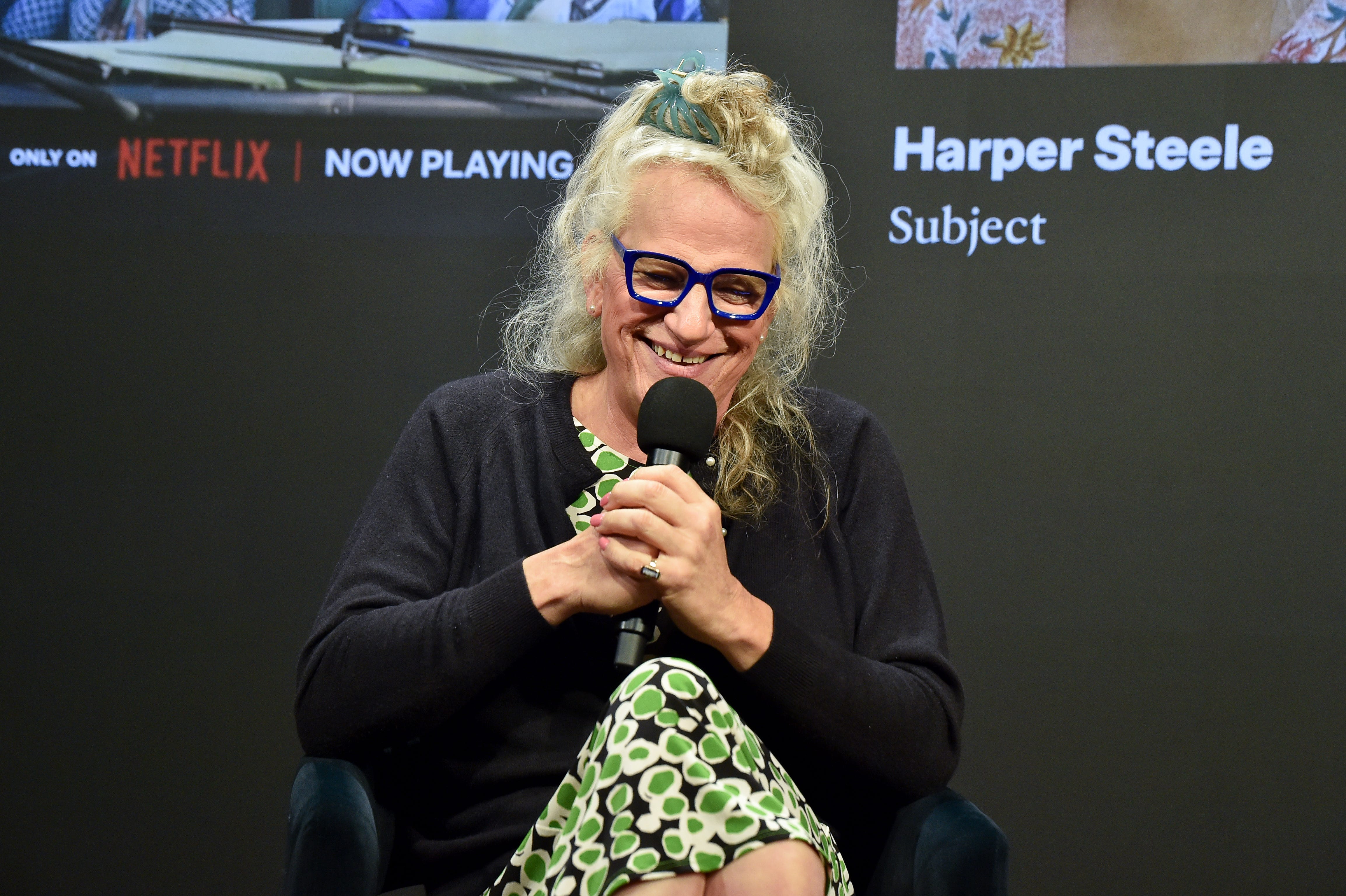
Will & Harper, which chronicles a road trip Will Ferrell and Harper Steele take together after Steele comes out as trans, also explores timely themes. Since President Donald Trump took office in January, Steele said she has watched as his administration attacked her community. So she’s glad the film is positioned to “do something” and “fight what’s happening.”
Through it all, Steele — a former head writer at Saturday Night Live who worked with Ferrell on many of his most famous sketches — managed to keep her sense of humor alive and well. “I don’t think I’ll ever see the world not funny,” Steele said. In that spirit, she noted that — despite her emergence as a public figure after the documentary was released — she’s “not Taylor Swift, let’s be honest.”
But Steele enjoys her minor newfound celebrity at bars, where, now and then, people buy her drinks. However, the interactions with those touched by the Netflix film are what motivated her to participate in the project in the first place. “It’s about people coming up to me, especially queer people, saying they had similar journeys, or they had watched it with their parents or anything like that,” Steele said. “It’s been super special.”