

🎧 ‘Day of the Jackal’: Crafting a Spy World Where ‘Everybody Lies About Everything’
The Peacock thriller’s director, costume designer and director of photography on how to surround Eddie Redmayne's assassin with danger and intrigue

Welcome to the new Emmy season of Art & Crafts, The Ankler’s podcast series dedicated to bringing audiences behind the scenes to examine the careers and contributions of the artisans who create what we love. Subscribe on Apple Podcasts.
Brian Kirk’s dad showed his son The Day of the Jackal when he was very young — the 1973 film version, that is. What struck Kirk about the political thriller, even as a child: its “merciless trajectory,” “cast-iron plotting” and the “immorality” at the center of the film. So when Ronan Bennett, the creator of Peacock’s TV iteration, told Kirk he wanted him to help direct and produce the series, he was instantly sold. The 10-episode series, a cat-and-mouse saga of an assassin (Eddie Redmayne) and a British intelligence officer (Lashana Lynch), leans into the legacy of the original film but with a modern edge.
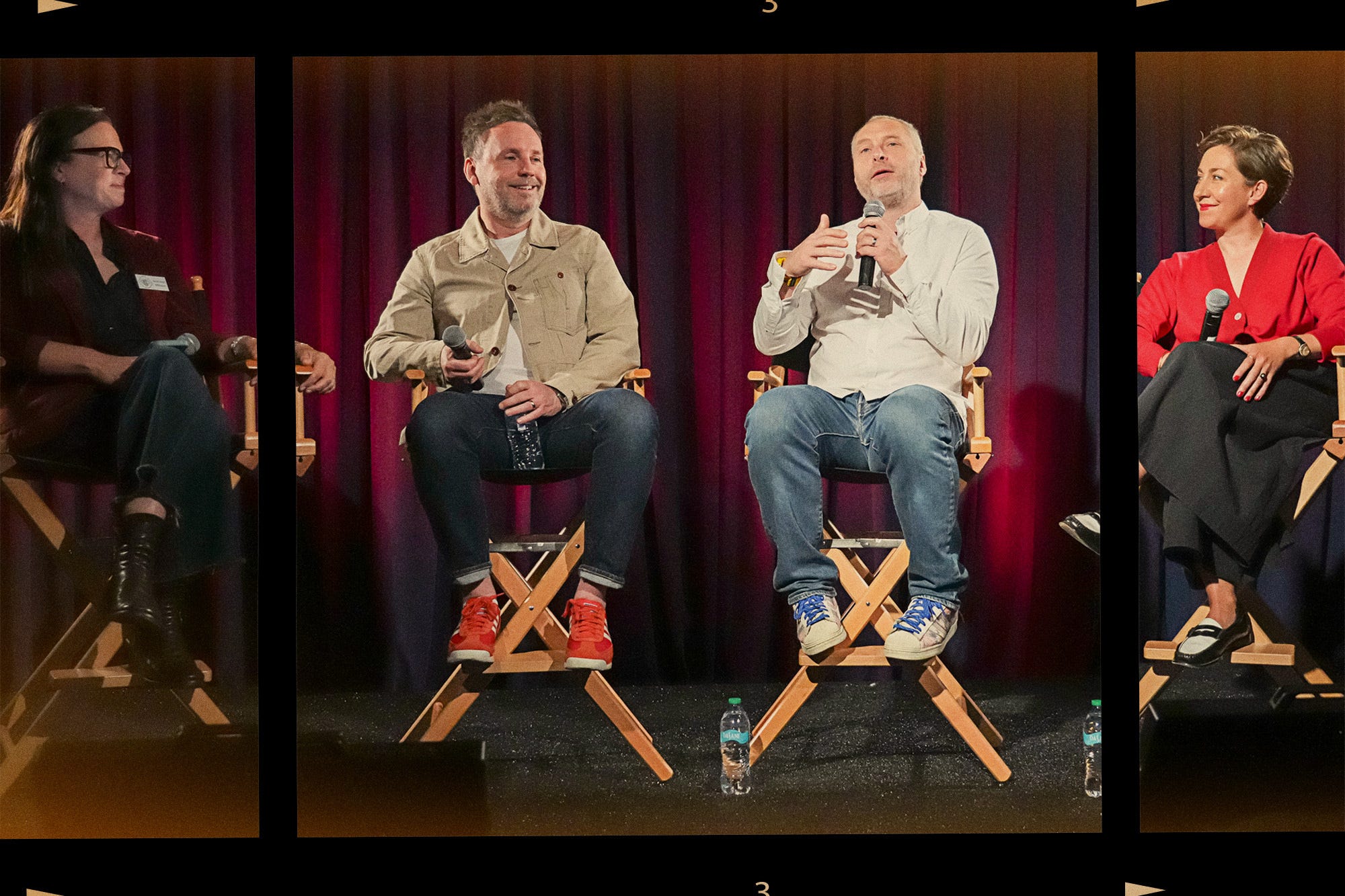
Kirk, along with Day of the Jackal costume designer Natalie Humphries and director of photography Christopher Ross, joined moderator/ cinematographer Nicole Hirsch Whitaker (Lioness) for a conversation about how they built a sleek yet realistic world of espionage where “everybody lies about everything all the time,” as Bennett put it to Kirk early in their collaboration, the director recalled. The discussion took place on May 8 as part of The Ankler’s Art & Crafts Live, which featured four panels with the crafts pros behind Emmy-contending series, at the American Society of Cinematographers Clubhouse in L.A.
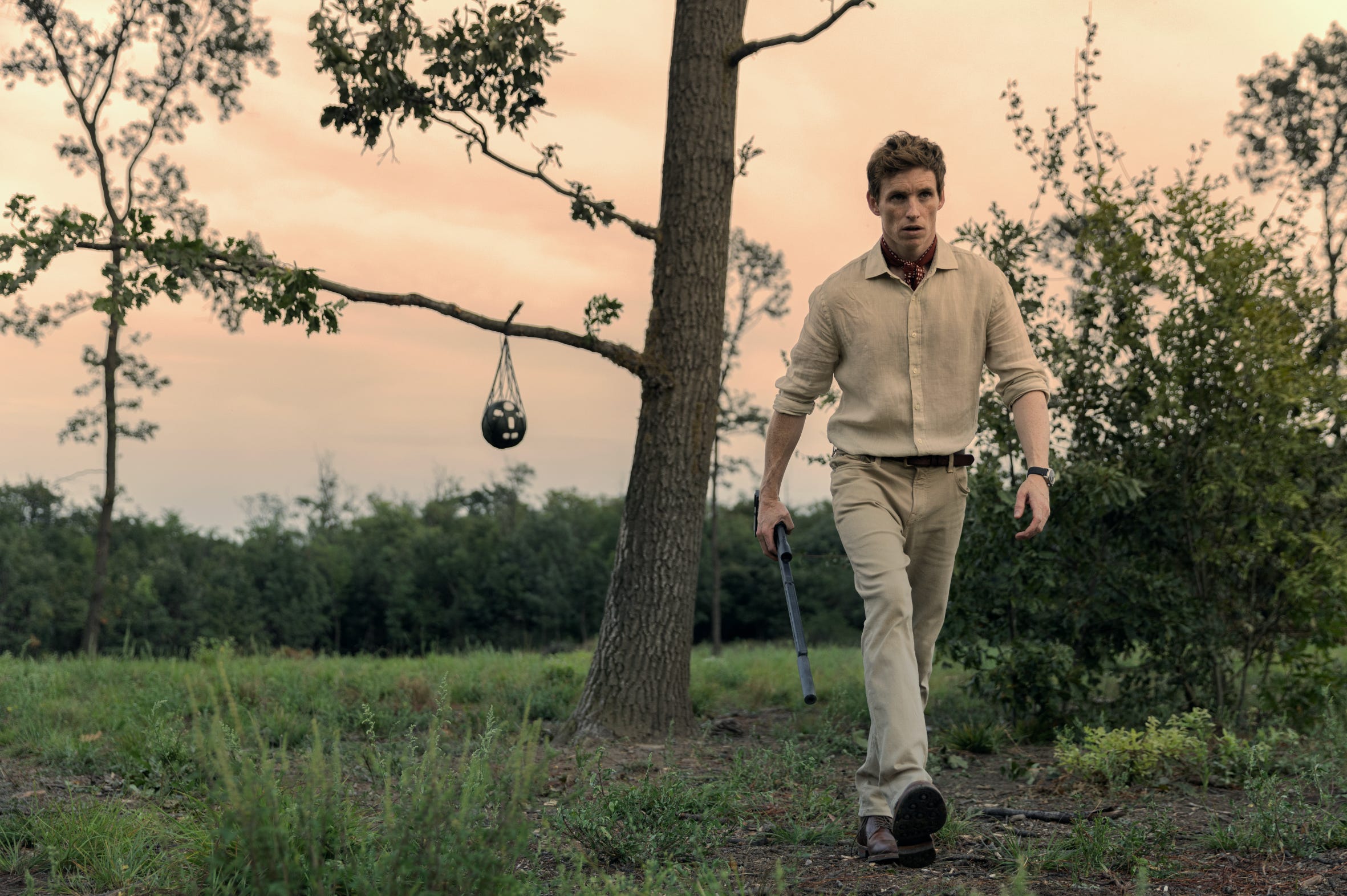
“With something like this, where the movement and rhythm of the camera was so key to articulating the inner lives of the characters, we wanted to create a tone poem to demonstrate that,” Kirk said. So the team shot test footage to evoke the distinctive mood and tone they were aiming for before stars Redmayne and Lynch ever reached the set. “Scripts are really amazing devices,” Ross added, “but they don't necessarily express to all of the creative team the atmospheric [nature] of the imagery and the pacing of the imagery.”
That meticulous attention to the imagery included the costumes, which Whitaker notes are a character in and of themselves: British tailoring, just like the 1973 film, but with an eye for modernity. Said Humphries: “The tone film was actually so helpful because it made us even more aspirational about what we all wanted to achieve in terms of the drama of it.”
