

🎧 Chloé Zhao Won an Oscar. Then She Learned Enough to Make ‘Hamnet’
The acclaimed filmmaker tells me how she tapped into grief, joy, her inner volcano and ‘harmonizing the vibration of everyone’ to create her film’s transcendent finale


Subscribe on Apple Podcasts
Watch on YouTube
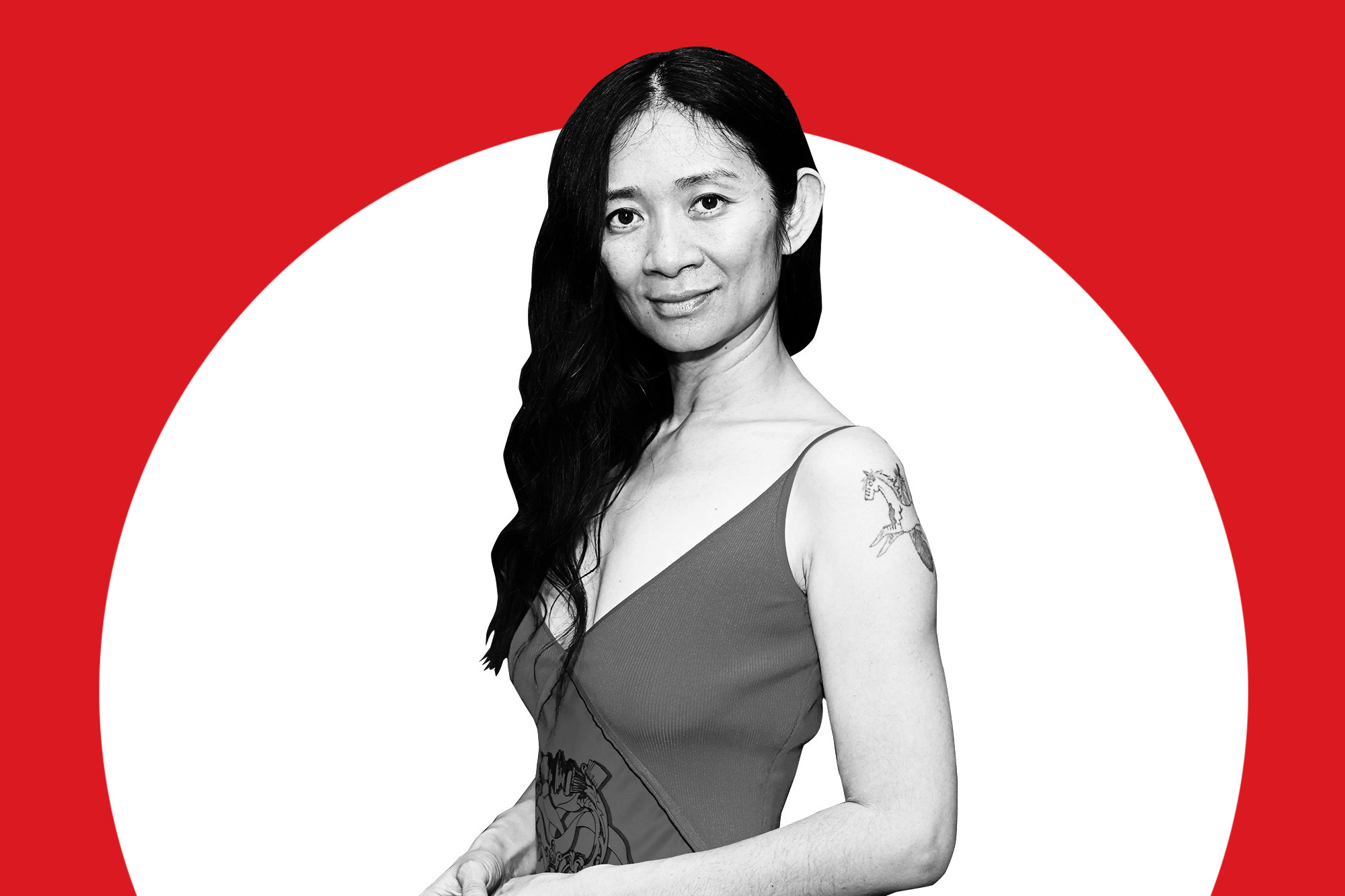
For Chloé Zhao, art is volcanic. Or, at least, to describe the period of her life after her 2020 film, Nomadland, won best picture, and she very quickly found herself with a Marvel movie to helm (2021’s Eternals) and a film industry generally at her beck and call. Zhao, the China-born filmmaker whose naturalistic work has drawn comparisons to Terrence Malick, tells me on today’s episode of the Prestige Junkie podcast that she experienced “a very volcanic eruption of my creativity and what I wanted to say” after becoming just the second woman to win best director (and the first woman of color). “There was so much raw material, and it took me the last four years to do a lot of practice to learn new tools as a director.”
When Steven Spielberg called to ask if she wanted to take on an adaptation of Maggie O’Farrell’s Hamnet, Zhao was on her way to the 2022 Telluride Film Festival, where she would run into both Jessie Buckley (on hand for Sarah Polley’s Oscar-winning Women Talking) and Paul Mescal (whose film Aftersun, which eventually landed Mescal his first Oscar nomination, also screened). Those encounters set in motion the process that brought Hamnet to life. Zhao describes her film — which has earned raves throughout the fall festival season since premiering at this year’s Telluride and comes to select theaters this week — as “the right container for some part of that lava to go into and to be reshaped into the world.”
Zhao, 43, has a gift for speaking in metaphor — something that lines up perfectly with the experience of watching Hamnet, which, plot-wise, is about the domestic life of William Shakespeare (Mescal) and his wife, Agnes (Buckley), in the years before he wrote Hamlet. The historical record shows that the two had a son, Hamnet, who died at 11, a few years before Hamlet was first performed; the rest of the movie is a work of fiction by Zhao and O’Farrell, who adapted the screenplay together.
But the emotional impact of Hamnet comes less from the plot than from the lines Zhao draws between nature and the human experience, or between the way we create art — say, how a grieving father writes a play bearing his son’s name — to turn loss into something greater. In her conversations with O’Farrell, Zhao says they talked a lot about Buckley and Mescal’s characters as “archetypal forces that are in nature, and when they come together, they can be incredibly powerful and beautiful. But at the same time, their differences also create misunderstandings because how they grieve is completely different.”
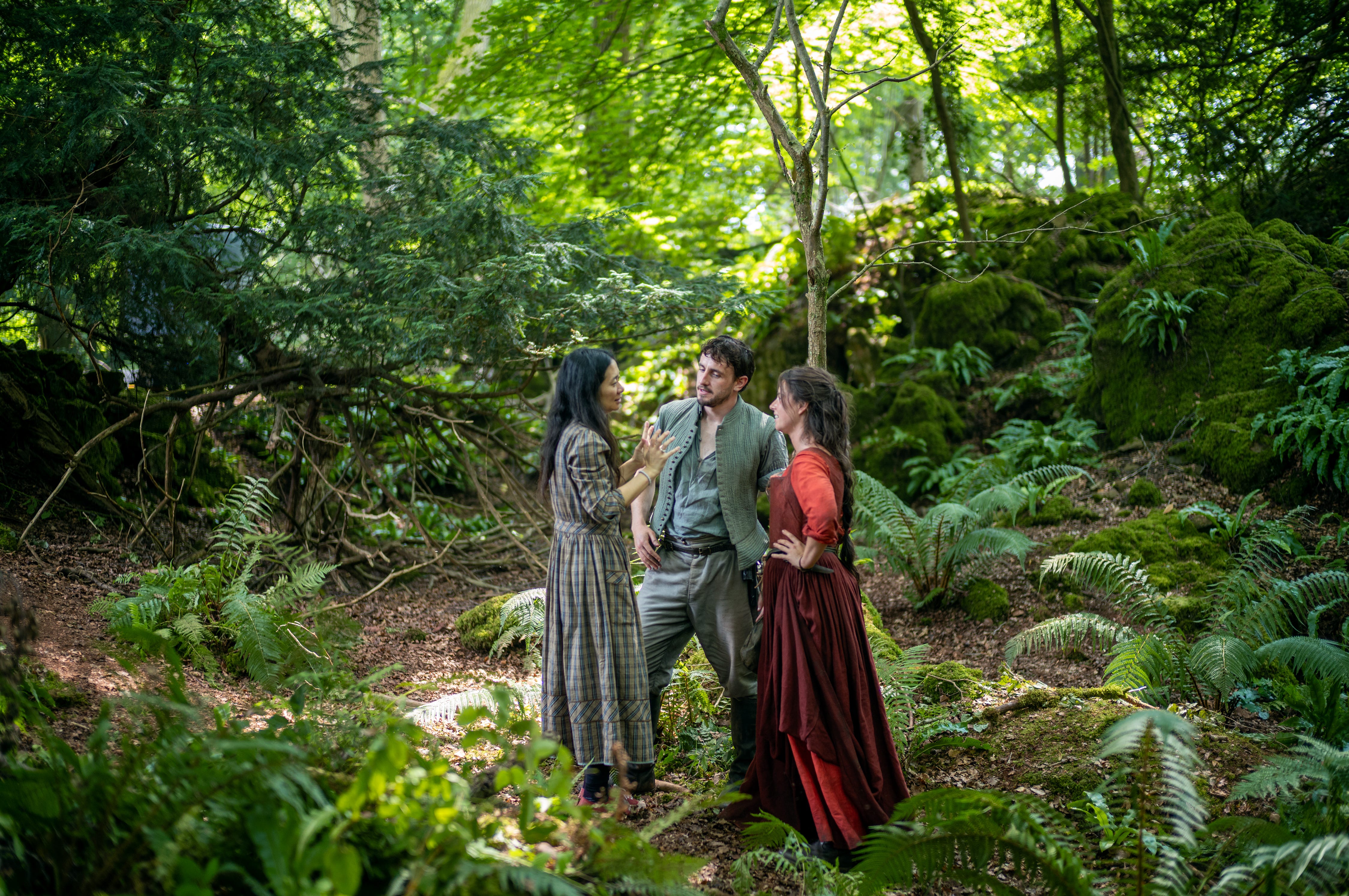
In the film’s emotionally cathartic finale, Agnes and Will come back together at a meticulously recreated replica of the Globe Theater, where Hamlet is being performed before Agnes’ astonished eyes. The ending is beautiful because Hamlet is beautiful, and Max Richter’s “On the Nature of Daylight,” which underscores the imagery, is so moving (you can read more from Richter on that finale in yesterday’s newsletter). On the podcast, Zhao tells me how the ending came together as a spontaneous decision with just four days left in production.
But the finale also lands because of those big, elemental forces that Zhao describes. “By the power of storytelling, by harmonizing the vibration of everyone, no matter what perspective they come from — collective grief or collective joy — that illusion of separation dissolves,” she says. Have you ever heard an Oscar-winning filmmaker talk about their work that way? I sure haven’t.
Get much more from Zhao on today’s podcast, which also includes a conversation between The Playlist’s Gregory Ellwood and me about Wicked: For Good, Zootopia 2 and the busy past few weeks of campaigning in Los Angeles.
As a reminder, this newsletter will be taking a break on Thursday. Still, we’ll be busy both on the Prestige Junkie podcast feed and on the subscriber-only Prestige Junkie After Party, with new episodes coming to both later this week. Stay tuned, and Happy Thanksgiving!

This film was astonishingly brilliant all around. Zhao’s work continues to be masterful. That ending was transcendent.