

BAFTA Shockwaves Hit the Oscar Race
The acting races blew open — but a racial slur quickly overshadowed the celebration; plus: an interview with casting director Francine Maisler


Well, now we’ve got an Oscar race on our hands — several of them, in fact.
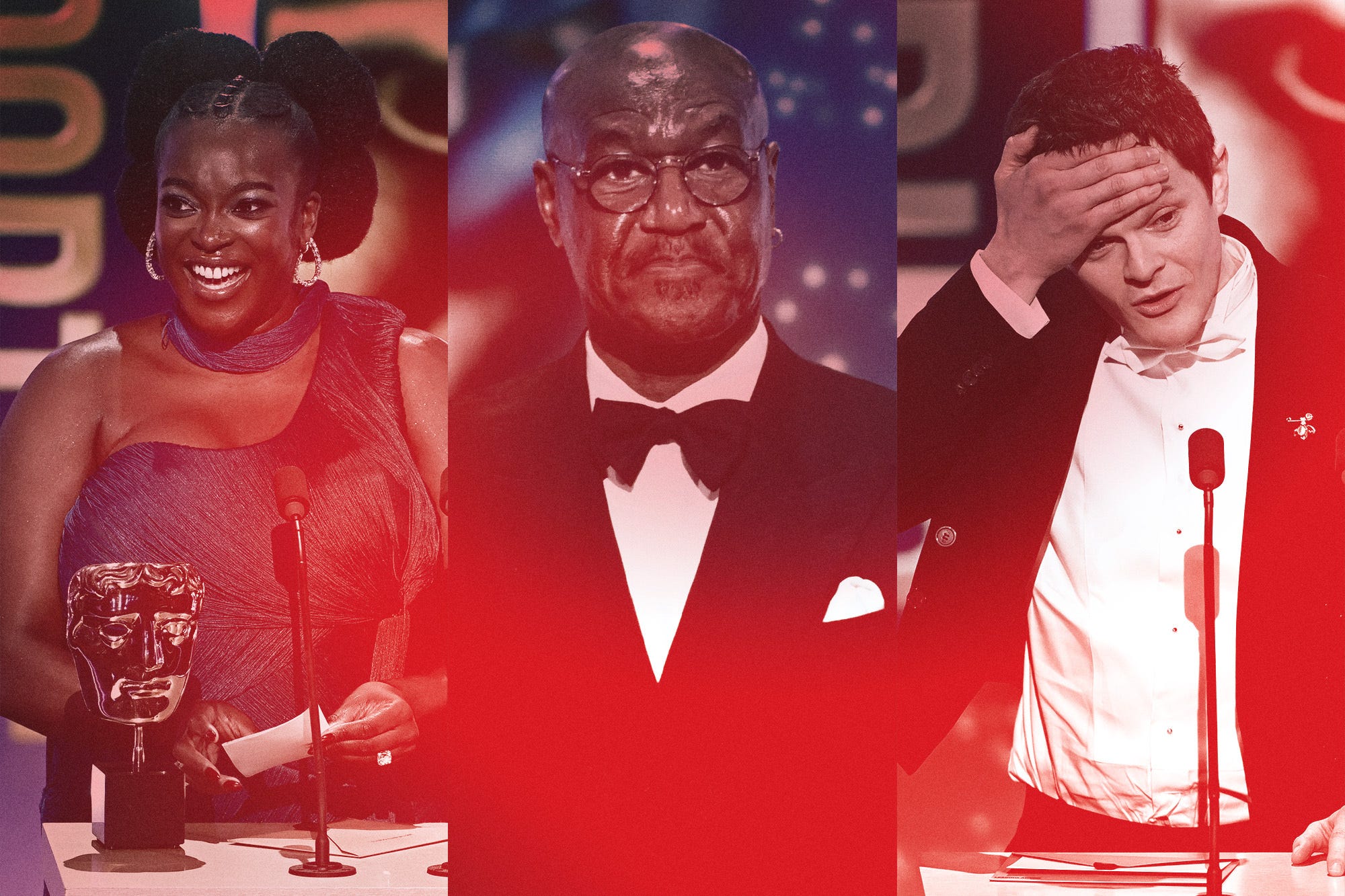
When I Swear star Robert Aramayo took the stage at Sunday’s BAFTA Awards to accept the best actor award, he wasn’t the only person in the room to look completely shocked. The star of the British indie, which won’t be released in the U.S. until April, triumphed in a category filled with Oscar nominees — including the heavily favored Timothée Chalamet (Marty Supreme), and also the stars of two of the biggest BAFTA winners, Michael B. Jordan (Sinners) and Leonardo DiCaprio (One Battle After Another). Aramayo’s win was such a shock, it bordered on unprecedented: The last time a non-Oscar nominee won best actor at BAFTA was in 2001 when Billy Elliot star Jamie Bell beat Gladiator’s Russell Crowe, the eventual Oscar winner.
His speech, breathless and genuinely thrilled, is to me what awards season is all about. It was a little less shocking when recent Prestige Junkie guest Wunmi Mosaku won the best supporting actress award for Sinners — she’s also an Oscar nominee, after all — but no less thrilling; it was Mosaku’s first big win of the season, and she truly seized her moment.
Then, in the best supporting actor category, Sean Penn’s victory for One Battle After Another was so unexpected that he wasn’t even there to accept the award. Penn, too, is an Oscar nominee, but he has been largely considered an afterthought among competitors Lindo, Jacob Elordi (Frankenstein), Stellan Skarsgård (Sentimental Value) and Benicio del Toro (One Battle After Another). Now? Who knows! This Sunday’s Screen Actors Guild Actor Awards (where neither Lindo nor Skarsgård is nominated) might shed even more light on where the race is headed — or might bring us a fresh round of shockers and even more confusion.
For much more on the BAFTA winners, what they might mean for the Oscar race — and some wild theories about what might happen next — catch tomorrow’s episode of the Prestige Junkie podcast, featuring the conversation Christopher Rosen and I had live on Substack and YouTube yesterday after the awards ended. And if Aramayo’s win made you curious about I Swear, revisit the interview I did with the actor and the film’s director, Kirk Jones, back at the Toronto International Film Festival last fall.

I Swear, about Tourette’s syndrome advocate John Davidson, does an excellent job explaining the isolation and shame that can surround the condition, as well as the harm that it can cause loved ones. It’s also useful context for the horrendous situation that unfolded during the BAFTAs last night, when Davidson involuntarily shouted a racial slur while Jordan and fellow Sinners star Delroy Lindo were onstage. Sinners production Hannah Beachler wrote a statement about the heartbreak she and many others felt, and there’s a huge range of takes out there about how the situation could have been avoided and what the BAFTAs or host Alan Cumming could have done differently.
“Tourette’s syndrome is a disability, and the tics you’ve heard tonight are involuntary, which means the person who has Tourette’s syndrome has no control over their language,” Cumming said at one point during the ceremony. “We apologize if you are offended tonight.”
“I understand and deeply know why this is an impossible situation,” wrote Beachler after the ceremony. “I know we must handle this with grace and continue to push through. But what made the situation worse was the throw-away apology of ‘if you were offended’ at the end of the show. Of course we were offended… but our frequency, our spiritual vibration is tuned to a higher level than what happened. I am not (steel); this did not bounce off of me, but I exist above it. It can’t take away from who I am as an artist.”
The fact that Davidson’s slur wasn’t edited out of the BBC broadcast while another filmmaker saying “Free Palestine” in his speech was — that part seems pretty damning to me, particularly since the BAFTAs are aired on a delay even in the U.K. On Monday, the BBC finally said it would edit out the slur from the online version. “We apologize that this was not edited out prior to broadcast, and it will now be removed from the version on BBC iPlayer,” said the broadcaster.
The debate about what happened at the BAFTAs will probably roil on for a while — and it’s all part of a conversation that’s more important than awards season’s eventual results. Still, there are results to come, with the Actor Awards and Producers Guild Awards coming up this weekend and most of the season’s major players heading back to Los Angeles. One of the most widely predicted outcomes at the Actor Awards is that Sinners will take home the best ensemble prize — and though she won’t be onstage, a huge amount of credit goes to Francine Maisler, the legendary casting director who assembled the stellar ensemble of Sinners, and may win the first-ever casting Oscar for her efforts. Casting directors are getting the attention they’ve long deserved this Oscar season, but as you’ll read below from Maisler, it’s a complicated process as well as an exciting one — a lot like casting, come to think of it.

Casting Noticed: Francine Maisler
It took decades of lobbying and even an acclaimed documentary to finally get an Oscar for best casting, which will be handed out for the first time next month. But as much as casting directors and their colleagues agree that it’s way past time for them to get this recognition, the presence of casting directors in awards season has brought at least one unexpected wrinkle: How do you talk about one of the most secretive and least-understood parts of the movie business?
Casting directors, after all, know everything that actors probably don’t want you to know. They have tapes of bombed auditions, of stars early in their careers, before they’d honed their skills. They know who was replaced weeks before shooting, who turned down a key role, and who directors wish they’d gotten instead. They know how to spot chemistry that will feel completely natural onscreen and how to see what an actor is capable of that they might not realize themselves. It’s an incredibly powerful, important position — and incredibly difficult to talk about without revealing too much.
Which might be why Francine Maisler comes armed with pages of printed notes for conversations like the one we had in Los Angeles a few weeks ago, the day before she and her fellow nominated casting directors received some of the biggest applause at the annual Oscar Nominees Luncheon. She’s done some interviews in the past. For Vanity Fair, I edited a fascinating look back through her history at the Emmys, which have had casting categories since 1994; Maisler has been nominated six times and won twice, for casting Succession and The Studio.
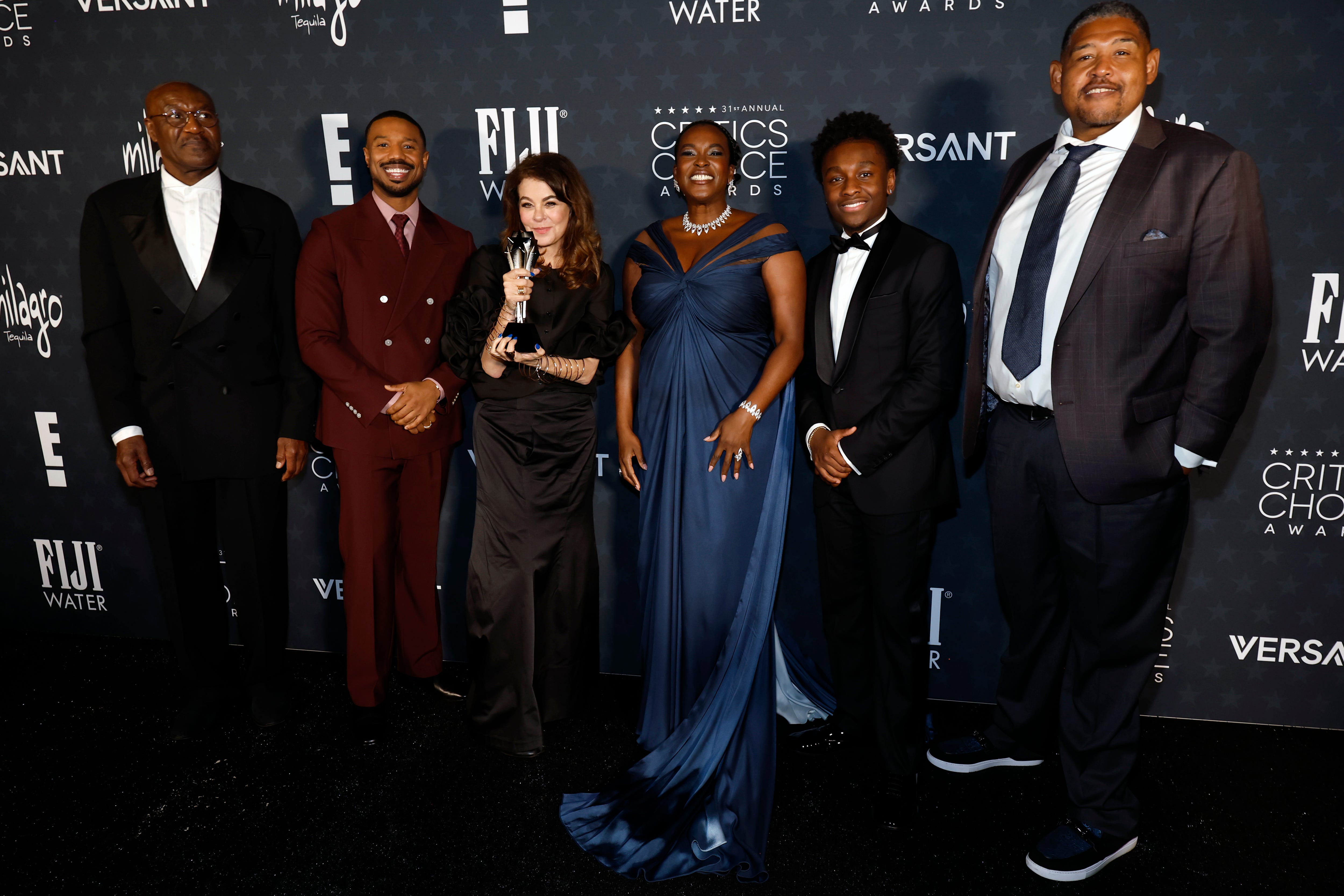
But her film career, which ranges from discovering Benicio del Toro for his breakout role in The Usual Suspects to casting nine films released in 2025 alone, is only now getting its proper awards-season spotlight. Her work on Sinners already has earned her the first-ever Critics Choice Award to acknowledge both casting and the ensemble, and she’s a heavy favorite to take home the Oscar as well. Maisler is as thrilled as anyone that casting is finally getting its long-deserved Oscar category. But after years of casting acclaimed films that went on to win Oscars, it’s been an adjustment becoming the person up for consideration. “We’re having to do press, and I love Sinners so much that I’m happy to do it,” Maisler tells me. “But it’s not my nature to say ‘Me, me!’”

Creating the Sinners Ensemble
“It’s mostly my résumé,” Maisler says, gesturing to the papers in her hands as we sit down. “I don’t remember what I’ve done. I get asked, of course, and I go ‘Oh wow, I did do that.’”
Maisler got her start in New York working for the Actors’ Equity union and still leans heavily on New York’s theater world for finding new talent, even though Los Angeles is now her home base. For Sinners, though, Maisler and her team had to cast a much wider net to find the right person for the role of Sammy, the young blues-singing phenom at the center of the story set in 1930s Mississippi. The video audition submitted by then-teenager Miles Caton, Maisler says, had an almost mystical quality; he was in a room so dark she and her team could barely see him, but “that voice came up. There’s always that one thing that stands out.”
Zoom and self-tape auditions have become a standard part of the casting process since the pandemic, but Maisler made sure to fly Caton to Los Angeles to meet with director Ryan Coogler and star Michael B. Jordan. It’s in those in-person meetings that Maisler feels a particular sense of duty to the actors. “Actors are so vulnerable, and they put themselves out there, so I feel very protective,” she tells me. “One of the most important things I say to my staff is, ‘Let’s set the actor up to win.’”
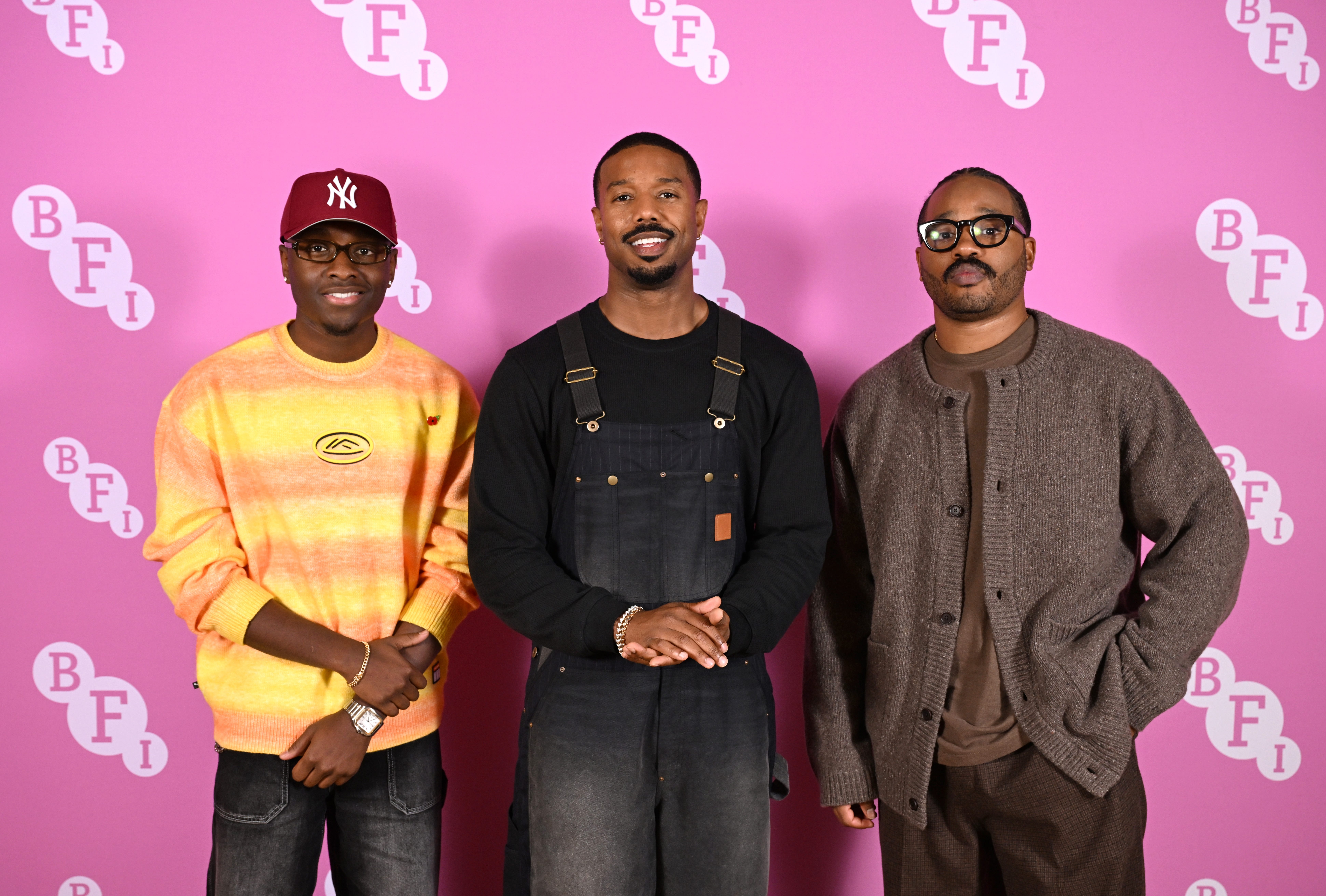
With Caton in place as Sammy and Jordan, one of Coogler’s longest collaborators, already set to play twins Smoke and Stack, the rest of the Sinners cast came together piece by piece. Delroy Lindo, cast as the veteran blues singer Delta Slim, didn’t audition. “We were all such enormous fans of Delroy that we were just hoping he’d do it,” Maisler says. Meanwhile, she’d been familiar with Jack O’Connell since casting him in 2014’s Unbroken, and after seeing proof of his singing and dancing skills on The Graham Norton Show, she pushed for Coogler to cast him as the Irish vampire Remmick — even when visa issues almost kept him off the set entirely.
“Most directors wouldn’t have waited till two weeks before we started production [for the visa to clear],” Maisler explains. “Usually, I get, ‘We don’t have enough time, go find somebody else.’ But Ryan held on, and it’s so wonderful. I think it’s who Ryan is — he doesn’t give up on something he wants. He has faith that’s going to happen.”
Over the years, Maisler has returned to work with several directors over and over again; she cast Collateral for Michael Mann and is gearing up to work with him again on Heat 2, and later this year has the new film Digger from Alejandro González Iñárritu, whom she first worked with on his English-language debut, 21 Grams. As with so many other things, Maisler makes building this rapport with some of the best directors alive sound incredibly simple.
“That’s the gift that having a long career affords me — I get to just have the best people around me,” Maisler says. That includes her fellow casting nominees — she and Nina Gold, nominated for Hamnet, both worked on Greta Gerwig’s upcoming Narnia, splitting the U.K. and U.S. casting duties. Casting directors don’t get to overlap as often as they’d often like, Maisler says, but they’re well aware of the community that they’re part of — and the generations of casting directors who never got this same moment of Oscar recognition.
“I am here because of the architects of the casting profession — Marion Dougherty, Lynn Stalmaster,” Maisler tells me. “I mean, I’m here because of the path they paved.”
