

A ‘Top Model’ Reckoning Goes No. 1 on Netflix. Why?
The producer of the smash docuseries tells me how it came together — plus a scoop on what really led to the judges’ firing

I host Ankler Agenda, talked to agents about the Heated Rivalry effect on the romance market, interviewed Heated Rivalry’s casting directors about how they found their stars and dug into agents’ concerns about Netflix-Warners. I’m elaine@theankler.com

Pop culture investigations are the docuseries du jour. (Like I told you almost a year ago.) You know, shows of the Fyre Fraud-Framing Britney Spears-LuLaRich variety, which reassess a celeb’s legacy or pop cultural artifact from the recent past. But what seems to be making the biggest impact in this subgenre is the most meta of pop culture investigations: when the TV industry examines itself.
Quiet on Set: The Dark Side of Kids TV, about the toxic culture at some children’s shows, quickly became HBO Max’s most-watched streaming title ever. And Netflix’s Fit For TV: The Reality of the Biggest Loser took the early aughts weight-loss competition show to task. Now there’s Netflix’s new docuseries that shot to No. 1 on its TV chart after premiering Feb. 16: Reality Check: Inside America’s Next Top Model.
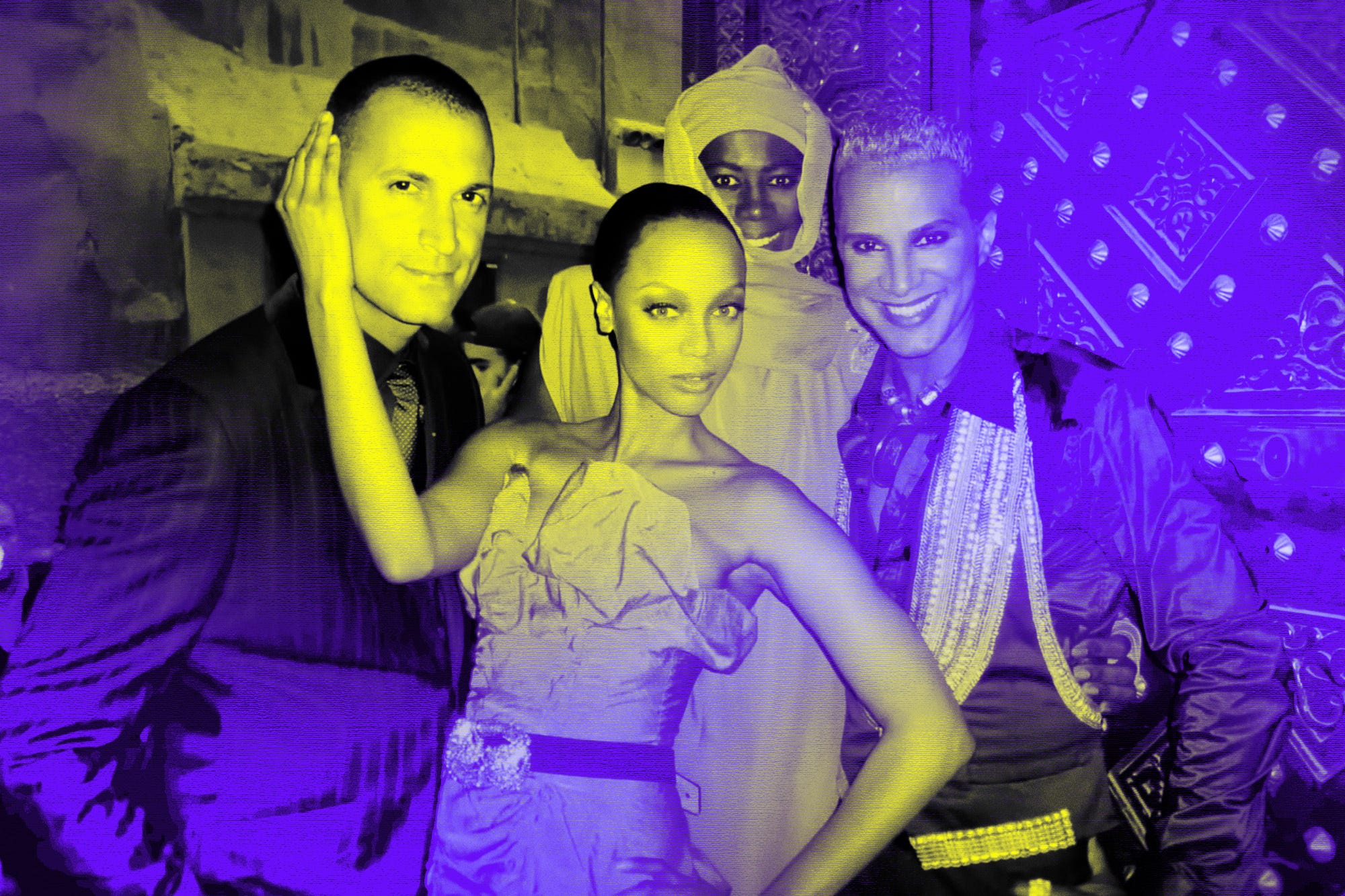
For any other millennials who were impressionable, pop culture-rabid teens in the early aughts, America’s Next Top Model, which premiered on the UPN network in May 2003, was seminal viewing. Every season, Tyra Banks — who’d risen to supermodel status in the ’90s — would take in a gaggle of aspiring models and put them through weekly photo shoots and sometimes radical makeovers, all with the promise for the season’s winner of a modeling contract and a magazine spread. The show had an outsize impact on both reality TV and pop culture — it gave us the word “smize” — and helped to breathe new life into a declining UPN.
“We need to find a hit, or there probably won’t be a UPN,” recalls former UPN president Dawn Ostroff in the docuseries. She initially took the Banks’ meeting thinking it was a “vanity pitch.” “Nobody had done a reality show like this. It was just guessing,” Ostroff continues in Reality Check. “But if it did work, we had everything to gain.”
As one former longtime CW exec tells me, “The success of that show changed the business strategy and direction of UPN.” When UPN merged with the WB in 2006 to become The CW, its first official night as the new CBS-Warner Bros. joint network premiered with a two-hour block of America’s Next Top Model. That show opened the door to Veronica Mars, Everybody Hates Chris and other popular young-adult series on the CW.
But as the doc notes, ANTM’s legacy is under review after being rediscovered during the pandemic by teens and 20-somethings who were horrified by some of the model challenges, which included “ethnicity swapping” (read: blackface) and posing like murder victims, as well as the apparent filmed sexual assault of one contestant.
By the way, for anyone who had big feelings about whether Banks was responsible for the decision to let go of ANTM judges J. Alexander (aka Miss J), Jay Manuel and Nigel Barker after Cycle 18 in 2012 — a question she addresses in Reality Check — I’ve got a little scoop. The former CW exec disputes Banks’ recollection in the docuseries that she was forced to fire the judge trio. This person recalls that then-network president Mark Pedowitz had directed Banks to shake things up to revive the maturing show, whether through budget cuts or other means, but had not directed her to fire the trio. (Pedowitz declined to comment. Banks’ reps did not immediately respond to request for comment.)
With Reality Check still topping the Netflix U.S. charts — and stirring up all kinds of conversations about body shaming and whether Banks should take more accountability for how the show’s contestants where treated — I had a chat with Reality Check executive producer Jason Beekman, who launched production company Wise Child Studios a few years ago after leaving his job at Radical Media.
I learned how he sold the show, how he convinced so many key players to be interviewed and heard about some misconceptions he wants to clear up. (Banks is not a producer on the show.) And why a nostalgia-fueled reckoning has so much market appeal right now.
 Tiktok failed to load.
Enable 3rd party cookies or use another browser
Today, Beekman and I talk about:
How Reality Check went from long-simmering idea to straight-to-series order
What happened in the Netflix pitch room — and why the streamer moved fast
The other networks that were circling — and the competing Top Model project now in the works
What it took to get Tyra Banks on camera — and why the producers didn’t push her more on the question of her friendship with Jay Manuel
The show’s innovations in representation that lived alongside its harsh treatment of contestants
Changes in the reality TV landscape since ANTM’s heyday
Why the judges were credited as consultants — and how much influence they actually had
This column is for paid subscribers only. Interested in a group sub for your team or company? Click here.
For full access and to continue reading all Ankler content, paid subscribers can click here.