🎧 ‘American Primeval’: Behind Peter Berg’s ‘Brutal, Dirty, Grimy’ Western
The series’ director of photography, makeup head and sound designer weathered harsh conditions and challenges to recreate the 1857 frontier

Welcome to the new Emmy season of Art & Crafts, The Ankler’s podcast series dedicated to bringing audiences behind the scenes to examine the careers and contributions of the artisans who create what we love. Subscribe on Apple Podcasts.
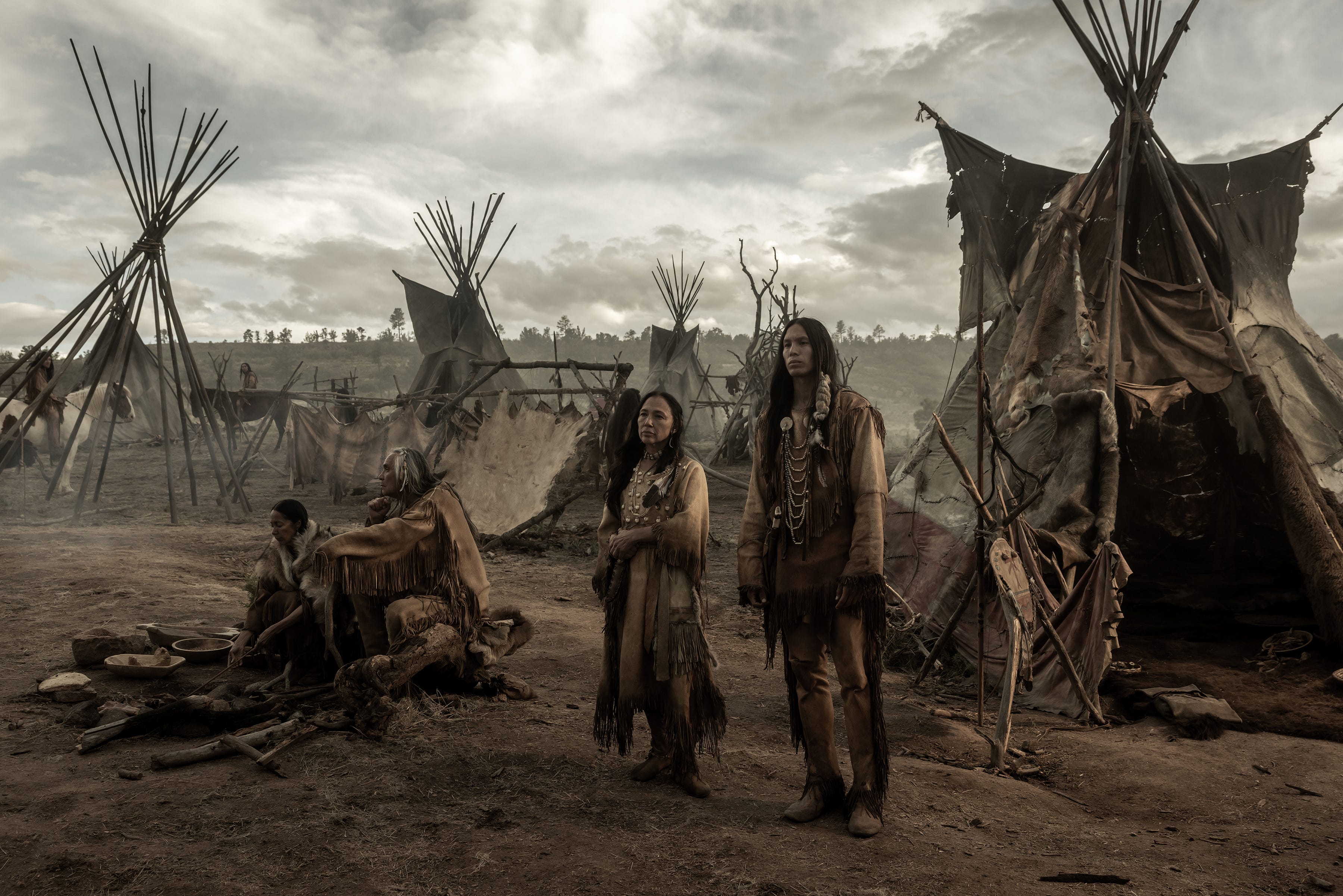
Jacques Jouffret, ASC had his marching orders from director and producer Peter Berg: Make the 19th century American West look as “brutal, dirty and grimy” as it actually was. “Time to go to Pete Berg boot camp,” the veteran says of signing on as director of photography for Netflix’s American Primeval. Shooting at an elevation of about 10,000 feet in frigid New Mexico, Jouffret adds, brutal came naturally. “There was no other way to go about it.”
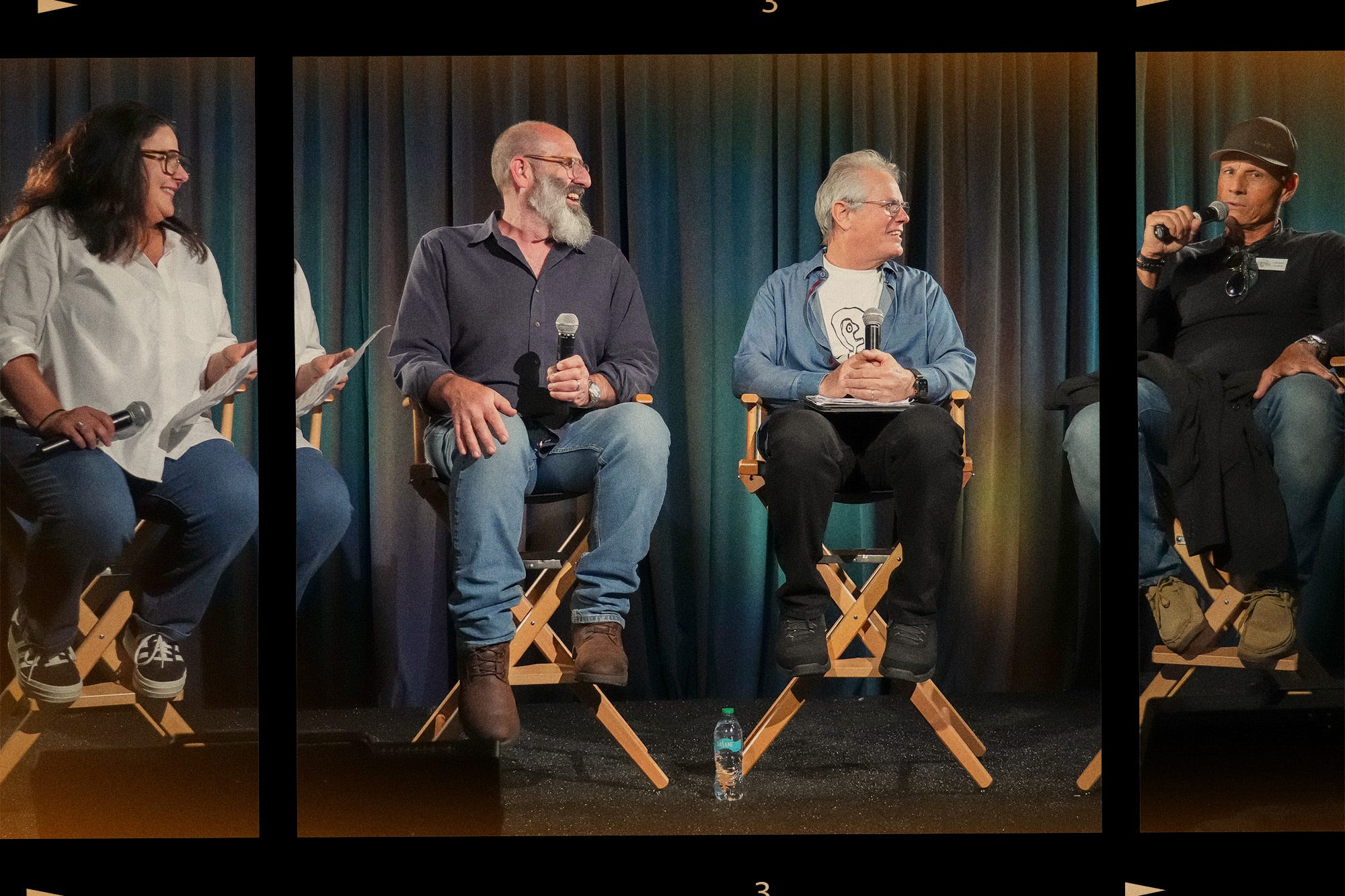
Jouffret, makeup department head Howard Berger and sound designer Wylie Stateman joined moderator director Jennifer Arnold (American Horror Story) to discuss the intense creative and physical challenges of bringing the series’ harsh frontier world to life. The conversation took place on May 8 as part of The Ankler’s Art & Crafts Live, which featured four panels with the crafts pros behind Emmy-contending series, at the American Society of Cinematographers Clubhouse in L.A.
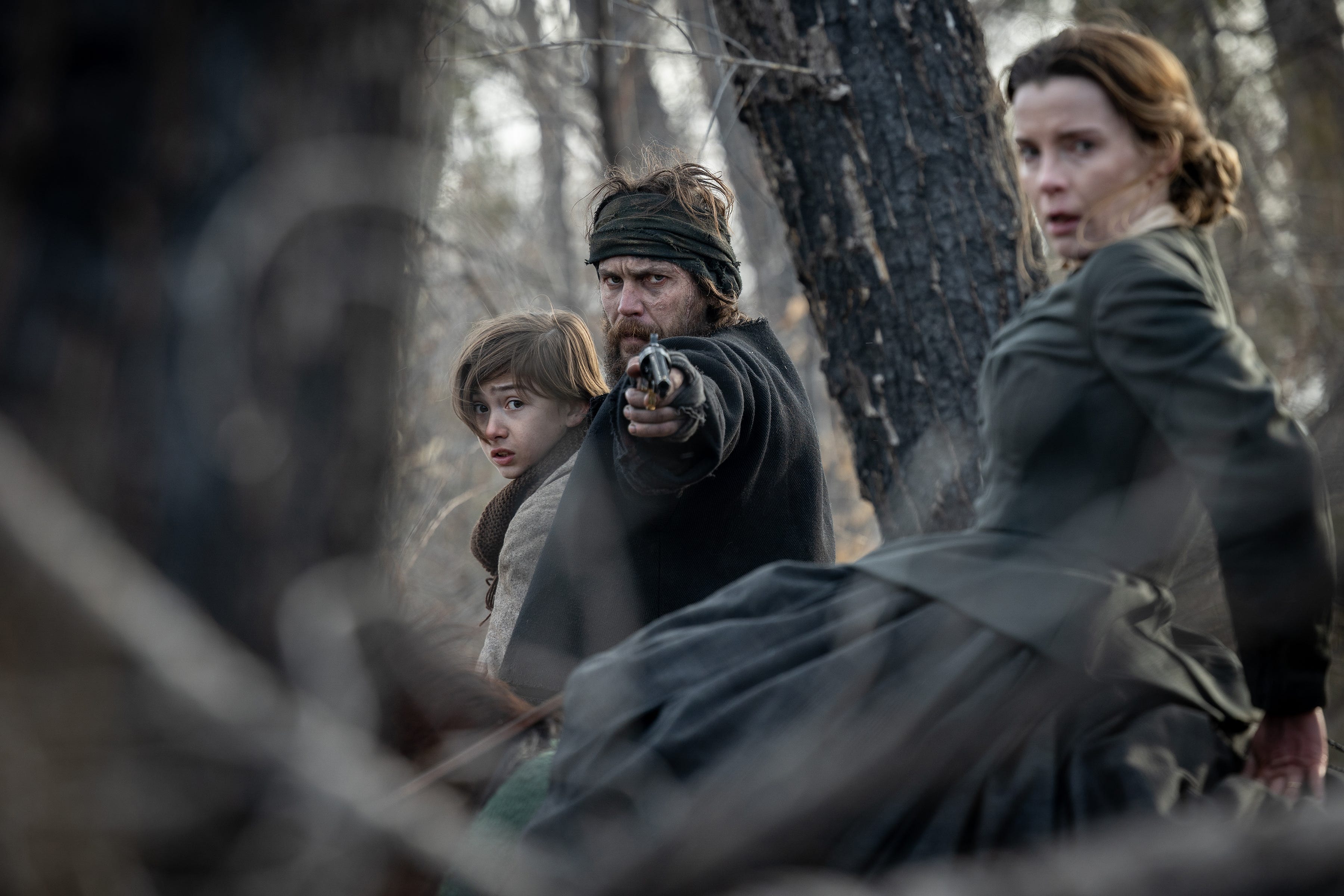
Berg’s six-episode Netflix limited series follows the battle for control of the American West in 1857 through the eyes of a mother (Betty Gilpin) and son, on the run with the help of a steely mountain man (Taylor Kitsch). Along the way, they encounter all types of figures, friendlies and unfriendlies, including American cavalry, Mormons and indigenous tribes.
“Everybody’s covered in filth,” Berger recalls Berg telling him, and “nobody looks good.” Sweat and grime for all. But for the indigenous characters, the makeup veteran deferred to the actors, who all co-designed their own looks. “Derek Hinkey, who plays Red Feather, was in my chair,” Berger recounts, “and I said, ‘Listen, I don't want a white Jewish kid from the San Fernando Valley designing your makeup.’” So, he told the actors, “I need all of you guys to think of what you want, how I can best represent your heritage, what the story is telling and what your character is.”
Though the harsh shooting conditions made for immersive imagery, they also gave Stateman — comfortably executing his part of the process from “an air conditioned studio in Topanga Canyon,” he jokes — the latitude to immerse the audience through sound. His secret for representing the extreme conditions: “The simpler it is, the better it is,” Stateman says. “Our brain can't track through layers of dialogue, music, sound effects, backgrounds, so the idea of presenting cold wind as different than normal wind is really to present it.”
All three creators cite Berg’s ambition, collaboration and vision as guiding stars for their contributions: “I'll give this menu to Pete,” says Jouffert of his camera setups each day. “From then on he takes over and everything moves just like a ballet.”